Unknown's avatar

About Rachael

Professional fine art photographer.

Autumn Falls

Weybridge


Last week I shared a picture of Coulson’s Weir on the Wey Navigation, Weybridge.  This is another shot of the same place, taken on the same day but a couple of hours later.  The light has become warmer and a cluster of oak leaves has fallen giving me some seasonal foreground. In fact, I like this one better than the first shot.  I think the person on the bridge helps the composition, although I know a few very good landscapers who absolutely hate seeing people in their shots.  I suppose this is not exactly a wild place and so a bit of human interest seems fitting. Which image do you prefer?  And what are your views on figures in landscapes?

I realise I have been wittering on about the Wey Navigation recently but haven’t really explained what it is.  I did a few posts about it last year, but that is a long time ago in blog-land!  A longer post on the Navigation is in the pipeline, plus one on technique, and one on selling your images online. But first my incredibly slow internet has to finish downloading OS X Mavericks.  So far, 8 hours and not even close to the middle of the progress bar!  Rant over.

The wonderful Wey

Weybridge

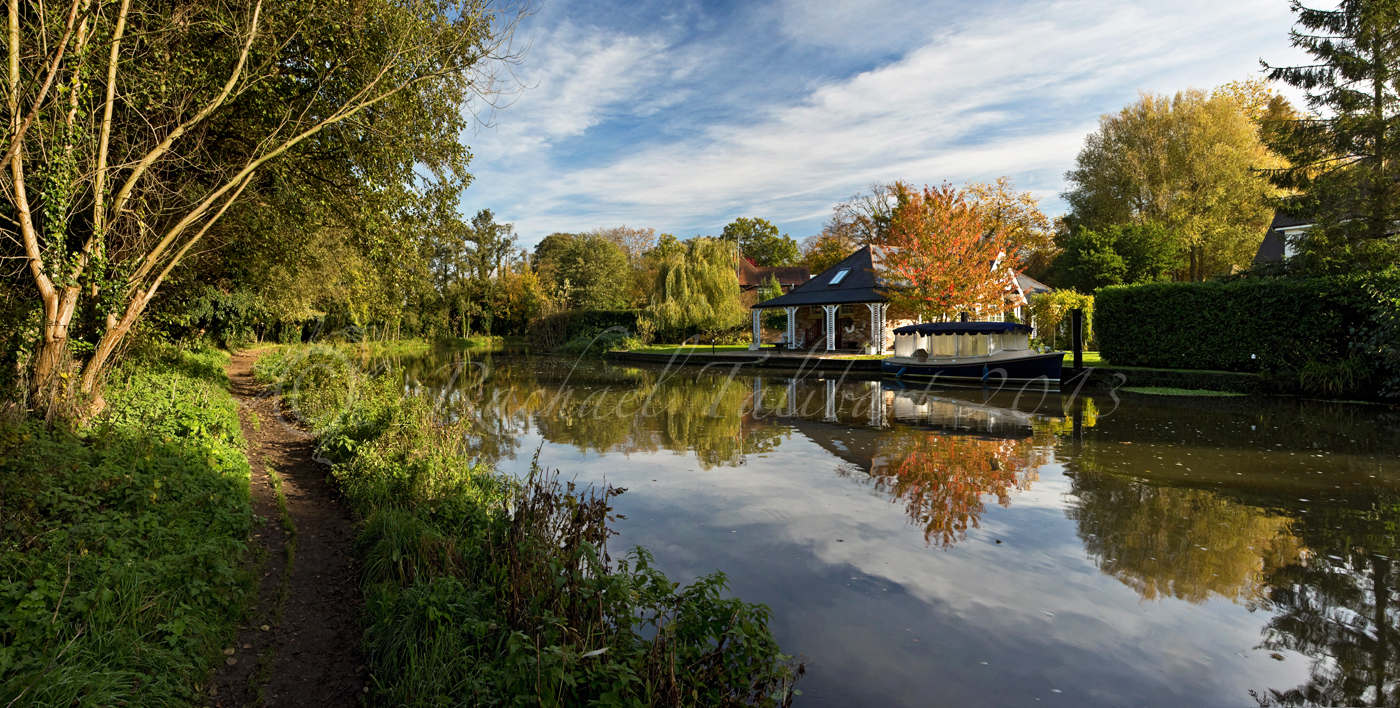
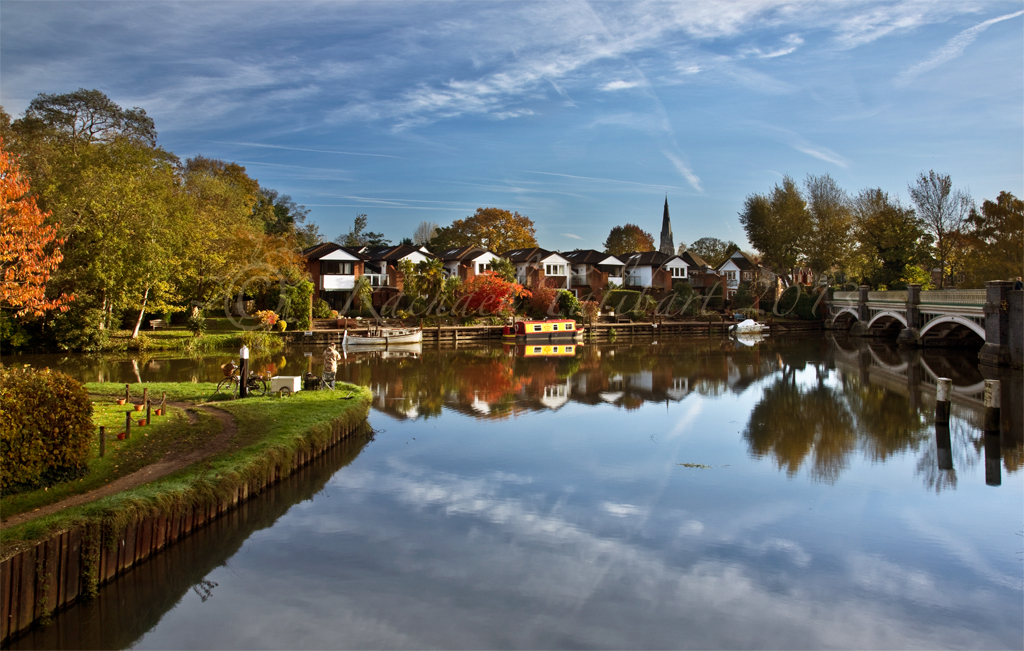
Two more shots from my stroll along my local stretch of the Wey Navigation in Weybridge.  The top one is a panorama, stitched from five separate vertical images to make a big 11000 by 7000 (approx) pixel file, which will make a mighty print, if I ever print it.  The lower image is the same viewpoint as my moonrise shot last month.

Weybridge


I am now writing for a local website once a week and the second shot featured in my article last week.


An adventure in Dorset, with filters

Dorset

f11, 30 secs, ISO 100, 24mm, cropped
Lee circ. polariser and Big stopper

Yesterday I had a bit of an adventure.  I attended a one day, Lee filters workshop in Portland, Dorset led by Jeremy Walker.  I have been thinking about investing in some filters for a while, particularly to try my hand at some long exposure photography, but also to balance my exposures in camera, so I can spend more time out taking photos and less time in front of my computer. When I came across Jeremy’s course online, it seemed the perfect way to learn how to use the filters, and to try before I buy.
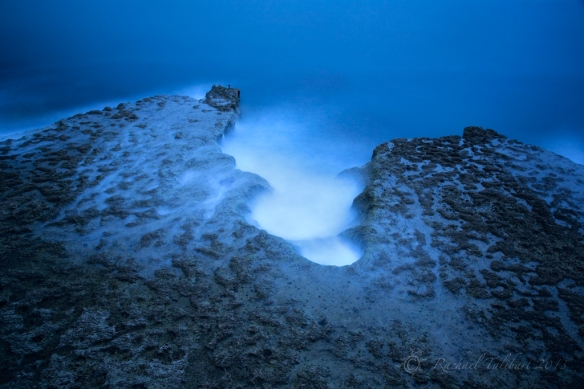
long exposure

f/11, 2 minutes, ISO 800, 28mm
Lee 0.9 pro-glass, big stopper

After an early start and a two and a half hour drive, I found myself tucking into some much needed coffee and meeting Jeremy, Ed (the Managing Director of Lee filters) and Luciana, my fellow student.  We were provided with a set of filters for the day and were soon heading off to capture the waves and pebbles on the shore of Portland, Dorset.  The weather was inauspicious but, as we quickly learned, with filters you can make a photograph out of the most unpromising conditions.
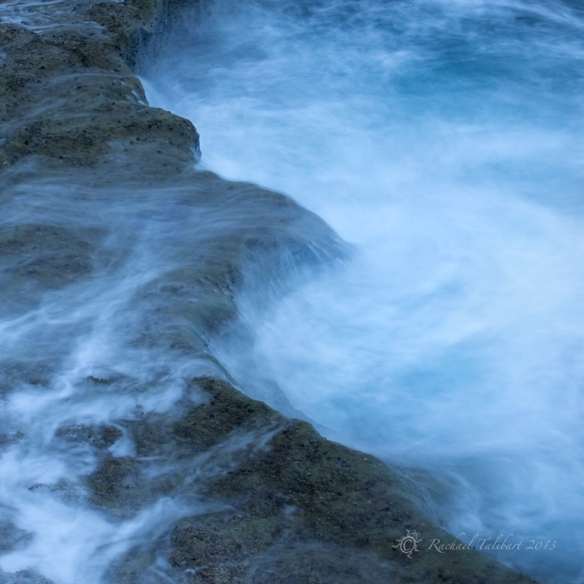
long exposure

f/11, 2.5 secs, ISO 100, Lee circ. polariser, 0.9 pro glass

I am mostly a solitary shooter, finding it difficult to concentrate when in company. Add to that learning how to use the Lee filter system, and it is perhaps hardly surprising I did not take nearly as many exposures as I would normally when at the coast.  But Jeremy and Ed are good company and they were very patient with my rather fumbling, disorganised approach.  I also appreciated all the chocolate!
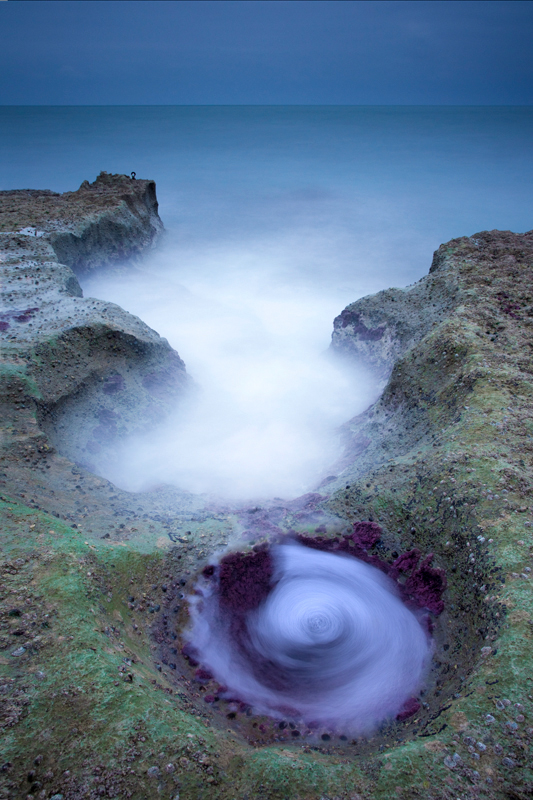
coastal long exposure

f11, 45 secs, ISO 400, 28mm, Lee 0.6 ND grad, circ. polariser, 0.9 pro glass

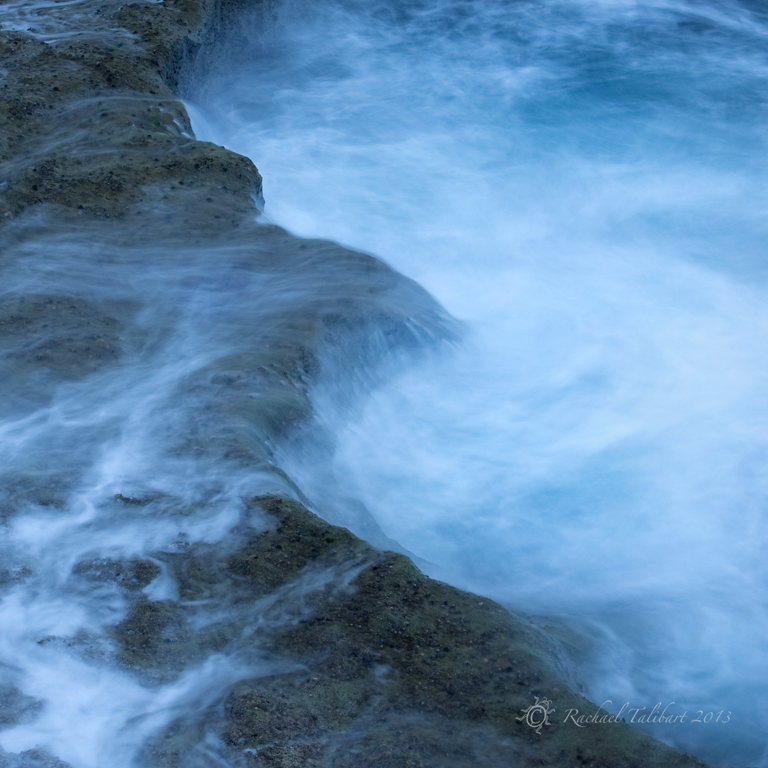
There is something very satisfying about using filters.  I think part of the pleasure is that you’re forced to slow down.  It takes time to select the right filter(s), set them up and position them (although I expect one becomes much quicker with practice!).  I liked taking it slowly, just enjoying the process and the experience.  Of course, I also learned a lot and not just how to use the filters.  For example, I can now adjust the kelvin value in camera, which was rather fun.  I chose to emphasize the blue tint in the light.  Well, I like blue!
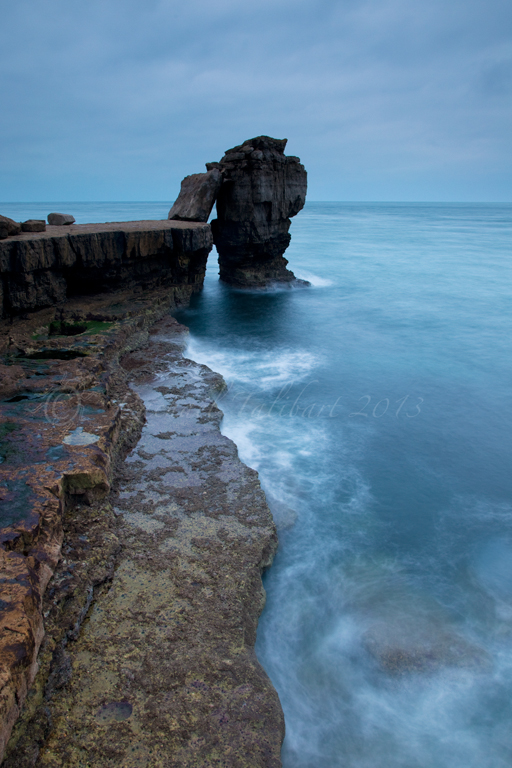
dorset

f/11, 8 secs, ISO 200, 24mm. Lee 0.6 ND grad, 0.9 pro glass

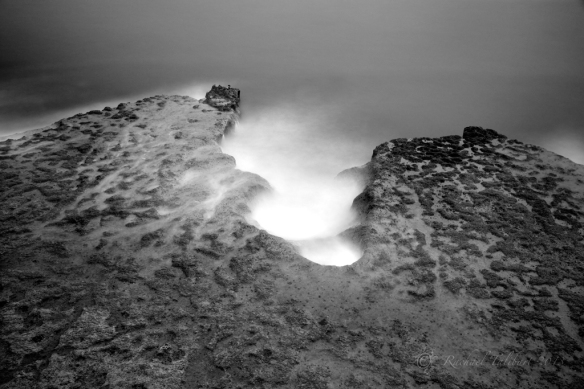
Of course, back at home, I had to convert some images to black and white.
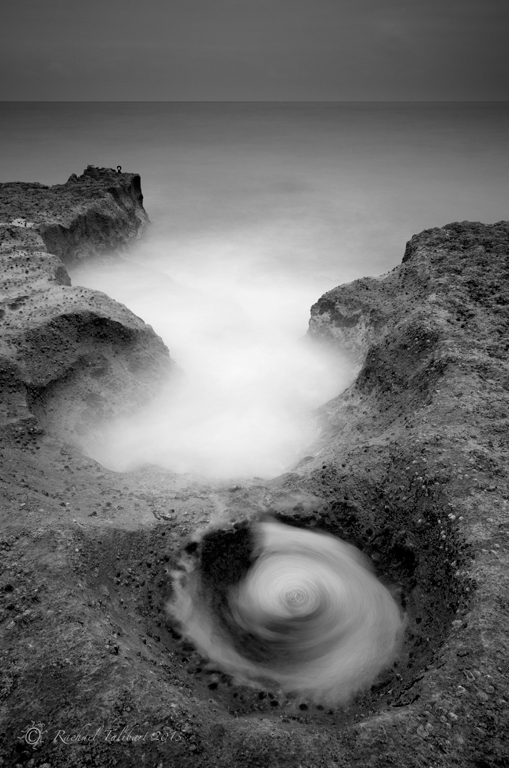
black and white black and white

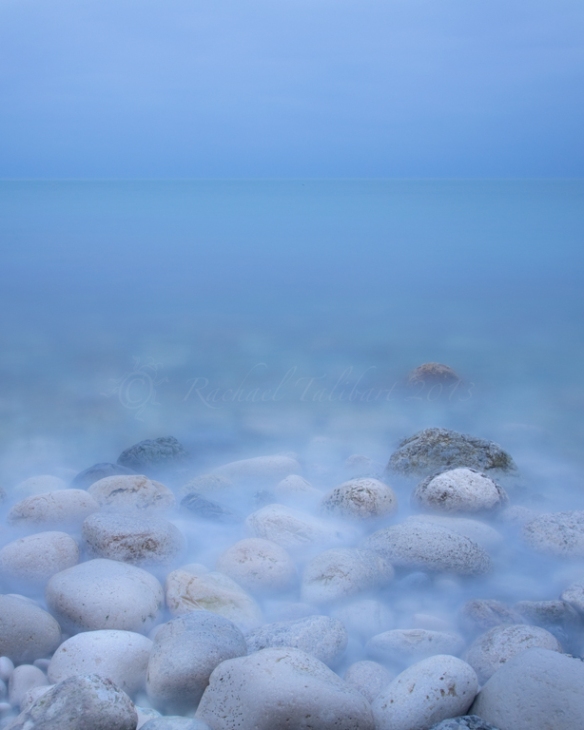
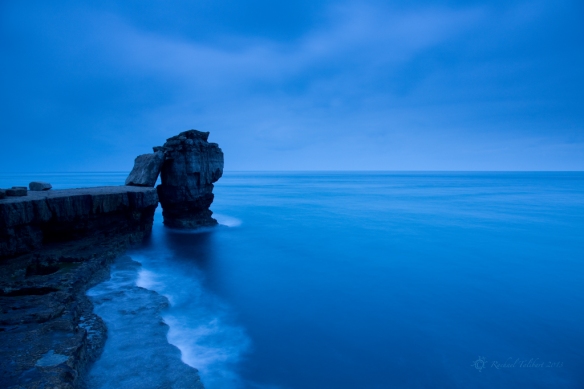
Now I just have to buy some filters and start putting every thing I learned into practice.  I leave you with what is possibly my favourite shot from the day. Of course, it’s a blue hour shot, and that’s my favourite time of day, as I have said often enough here.  It also breaks rules (look at that horizon in the middle and all that emptyish space) but, as you know by now,  I like breaking the rules.  We may not have had a sunset, but we made the most of what the weather dished up.
Dorset

f/11, 30 secs, ISO 200, 24 mm. Lee 0.6 ND grad, 0.9 pro glass

If you are interested in learning about using filters, I heartily recommend Jeremy’s workshops. And no-one is paying me anything to say so!

An autumn stroll at Winkworth

f18, 1/5, ISO 100, 16mm, circ. polariser


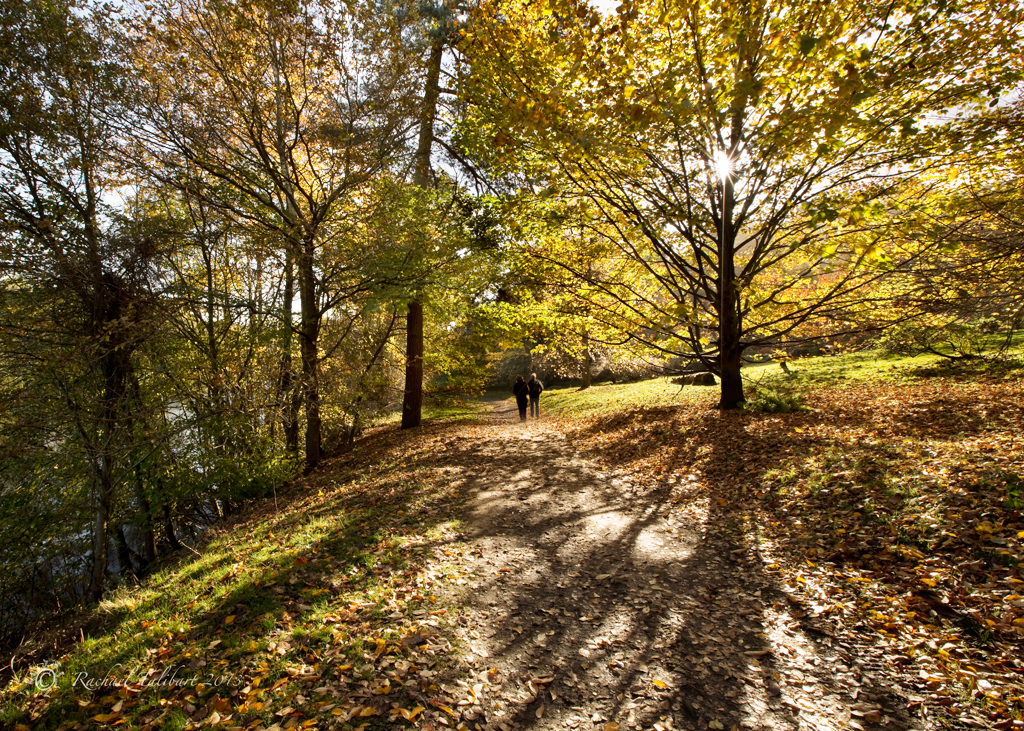
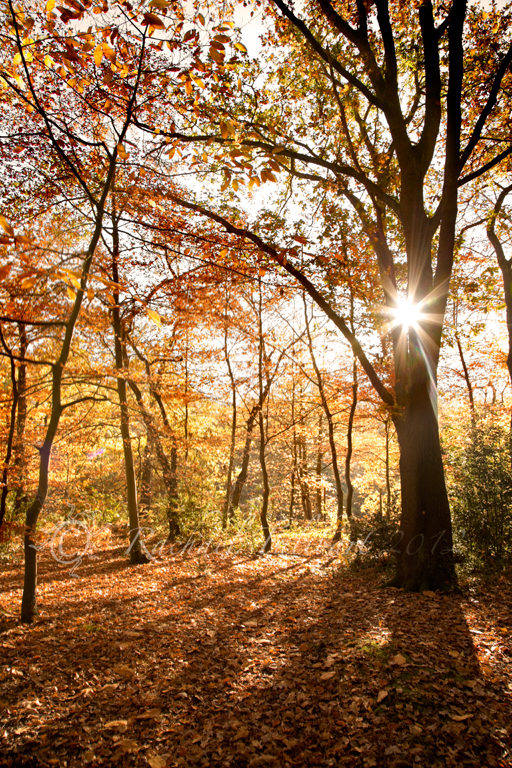
I had a lovely day yesterday in the company of Jenifer Bunnett at Winkworth Arboretum in Surrey.  Magical light and location, and a small starburst in keeping with this week’s theme.  One of the many wonderful things about Autumn as a landscape photography season is that the sun never gets very high in the sky, making for softer light, longer shadows and the availability of starbursts filtered through leaves.

Coulson’s weir

Weybridge


What a stunning day we had today.  The light this morning was so clear; how could I resist?  This is Coulson’s Weir on the Wey Navigation in Weybridge, Surrey.  Continuing the theme of this week, there is also a tiny starburst on the lip of the falls.  Can you see it?  If you saw Monday’s post, you know what aperture I used for this shot. 😉

Desborough sunset

Surrey landscape
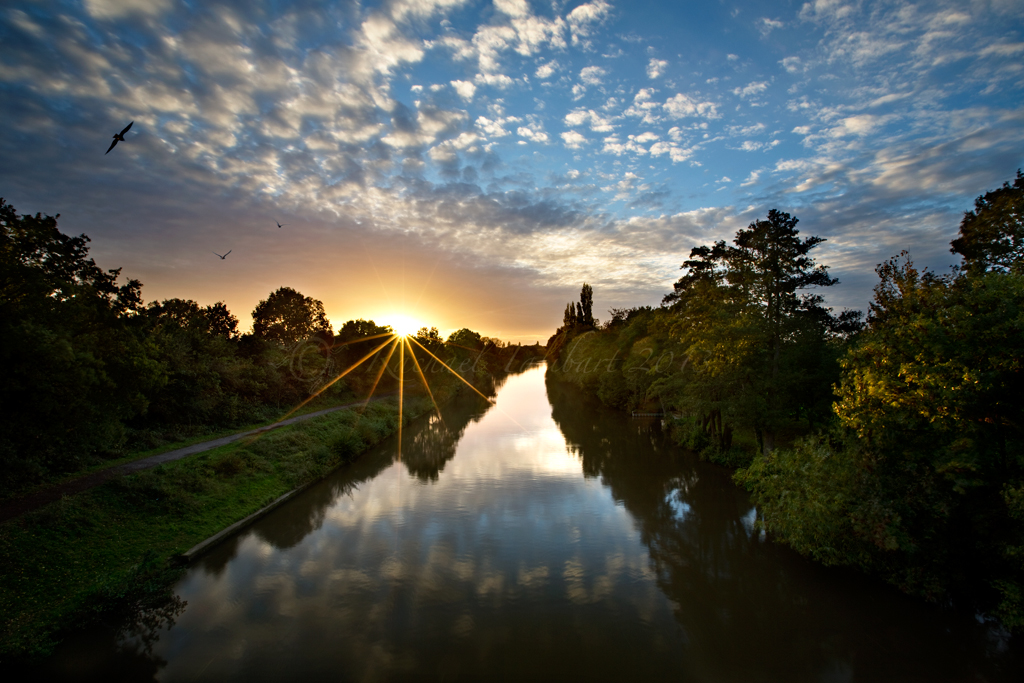
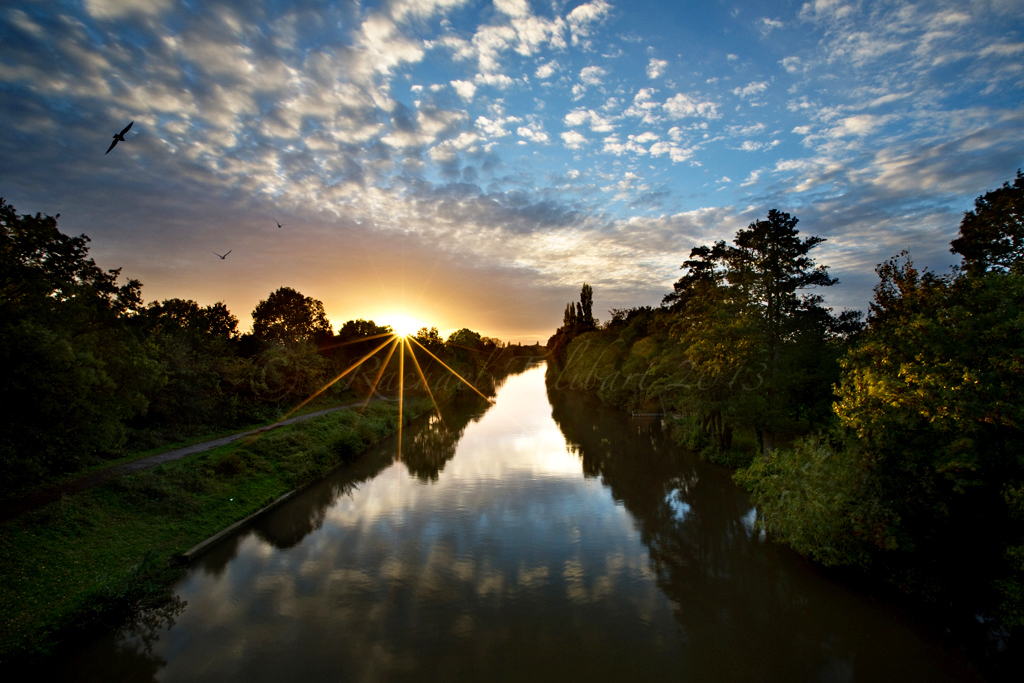
Sun sets over Desborough Cut, a man-made channel that allows water traffic to avoid the deep meander of the River Thames around Desborough Island, near Weybridge, Surrey.
If you missed yesterday’s post on achieving the starburst effect in camera, here’s a link: Starburst- no filter required.

Starburst – no filter required

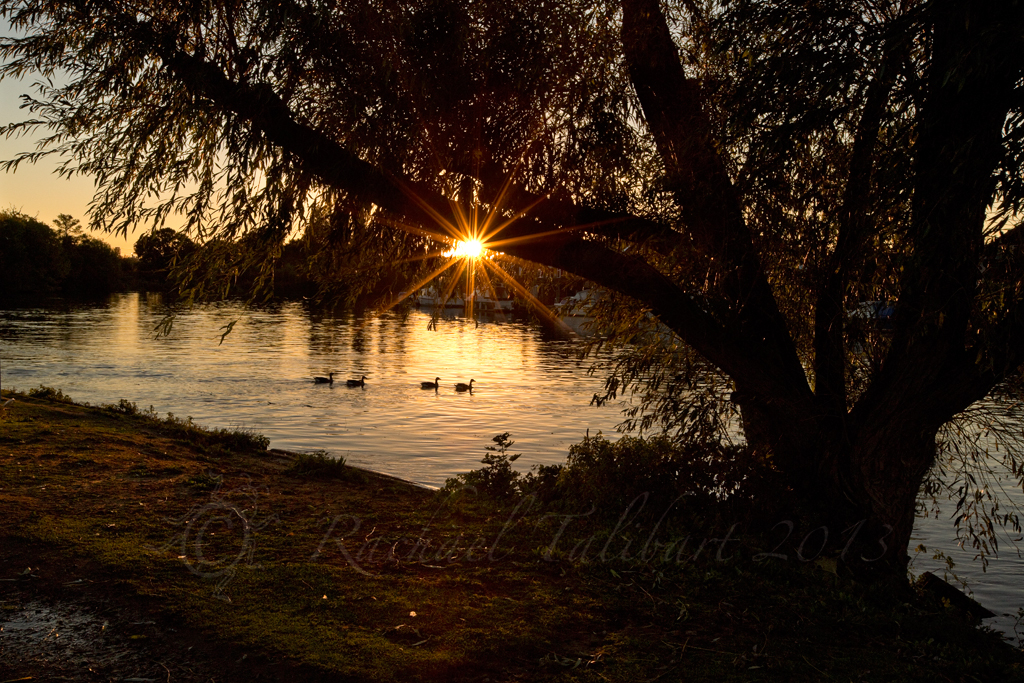
River Thames I have recently posted a few shots where the sun looks rather like a star. A few people have asked me what filter I have used, either on camera or in processing, so I thought I’d take a post to explain a simple piece of aperture know-how. The sunburst/starburst effect is simply what you get when shooting small points of bright light using f16. No processing, or special filters required.
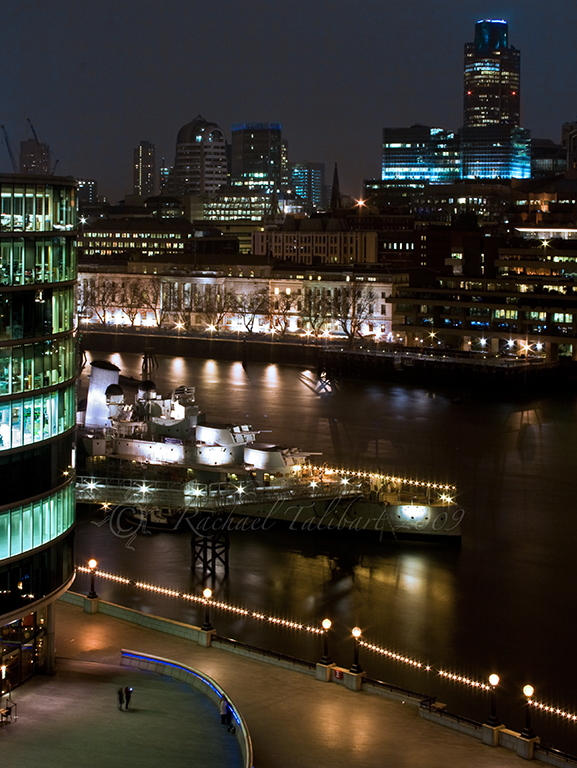
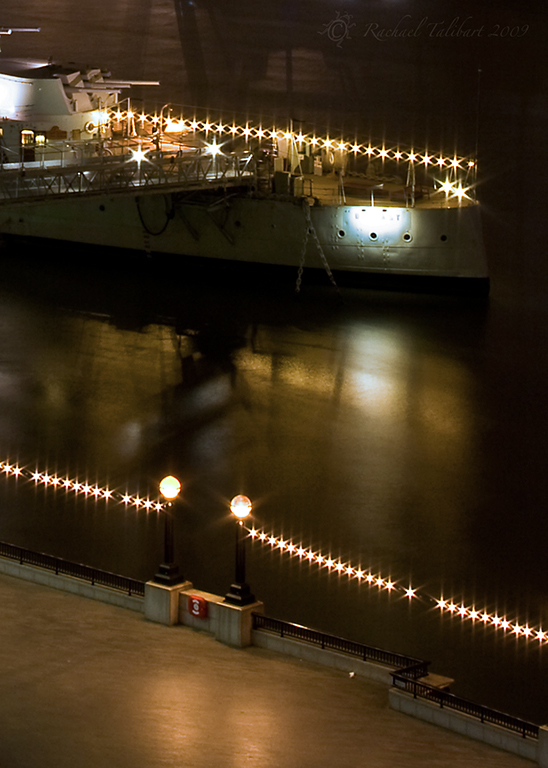
London It works with man-made light as well as the sun. Look at this detail from the London night scape. All the lights have that ‘twinkle’. And, yes, the photograph was taken at f16.
night scape
The exact appearance of the burst will vary from lens to lens. My 16-35mm does a particularly nice job, but even the cheapest of kit lenses will do. The London shot was taken in 2009 using the 18-55mm kit lens that came with my very first digital camera, a Canon 400D, and the shot of the Statue of Liberty below was taken using my Fuji X-E1’s kit lens.
USA
Sometimes you can achieve this effect with wider apertures, f14 or even f11 but, to be sure of it, stop that aperture down to f16 or smaller. It only works really well with small points of light. The trick, if you want to achieve this effect with the sun, is to capture it partly eclipsed by an object, the horizon or, as here (taken using yet another lens, my 24-105mm), a tree.
starburst

Hundatora

Dartmoor

f/14, 1/24, ISO 400, 18mm


Hundatora is a ruined medieval village near Hound Tor on Dartmoor. It is likely it was abandoned either because of deteriorating climate conditions or the Black Death (bubonic plague). Somehow it seemed to me to suit a slightly brooding, black and white treatment.