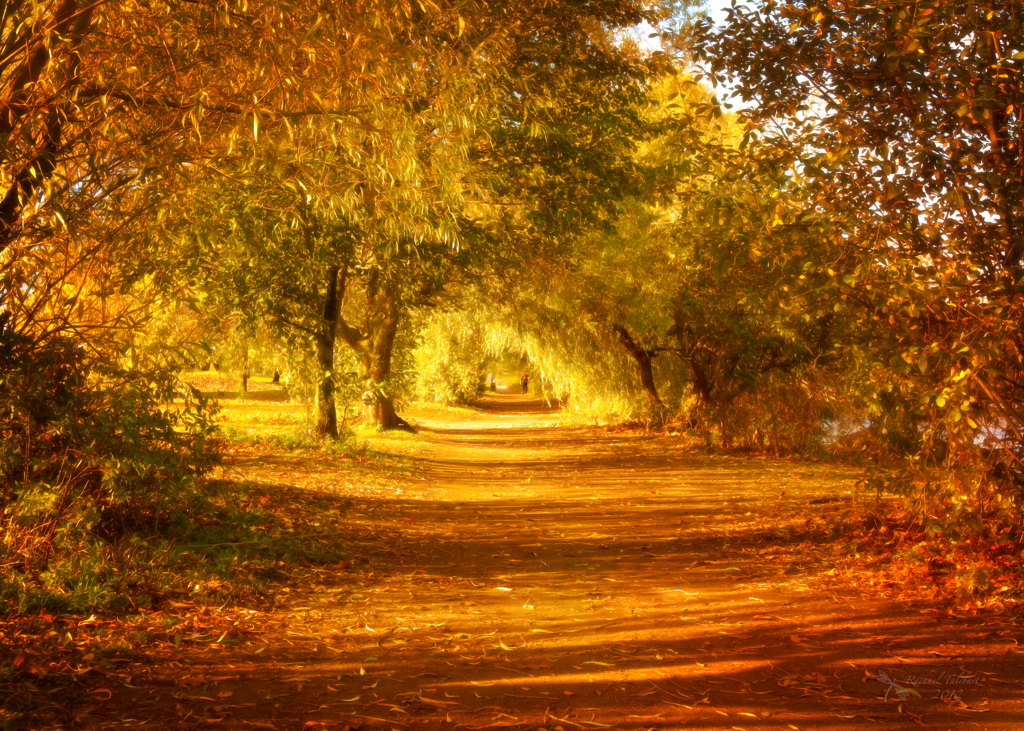
The Thames Path at Molesey.
Autumn is a second spring when every leaf is a flower.
-Albert Camus

The Thames Path at Molesey.
Autumn is a second spring when every leaf is a flower.
-Albert Camus

Today the leaves have begun to fall in earnest. Flurries billow under the wheels of passing vehicles and the windscreens of parked cars are patterned with a tapestry of gold and orange. Although the season is nearly over, I thought I might share some more Autumn shots, taken during my recent visit to Painshill Park in Cobham, Surrey.

The Mausoleum
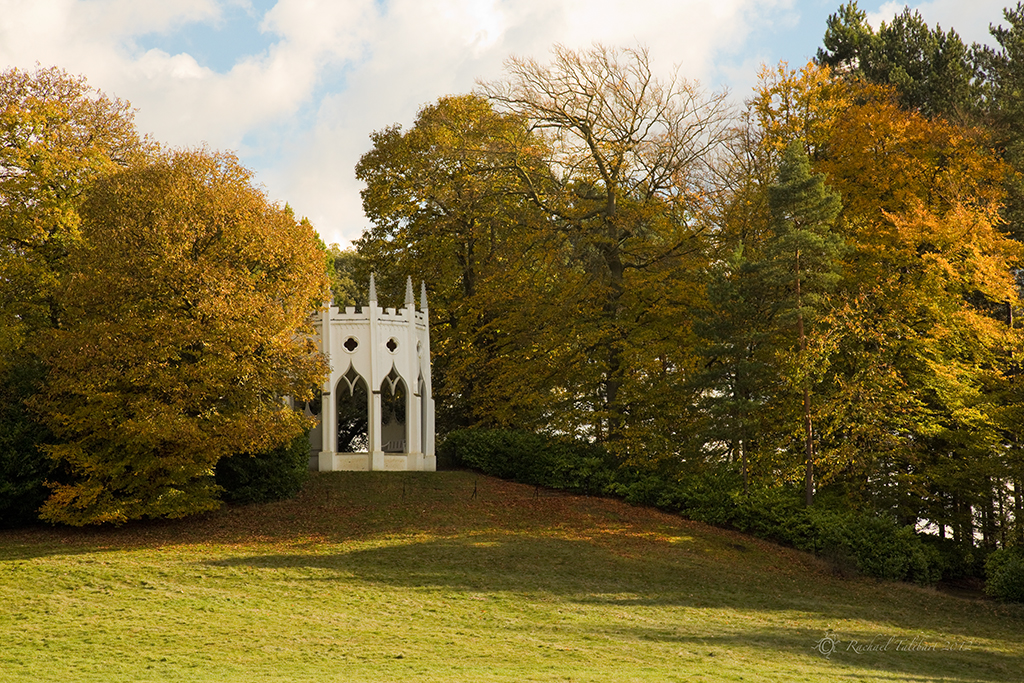
The Gothic Temple
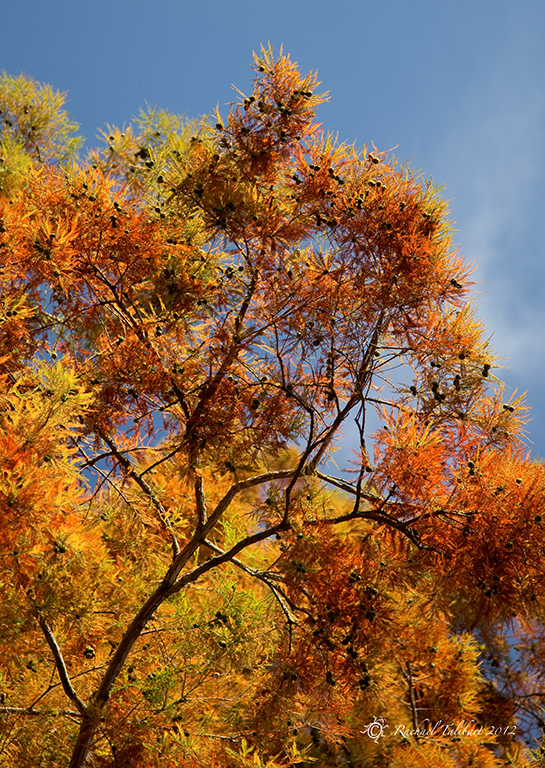
Autumn foliage
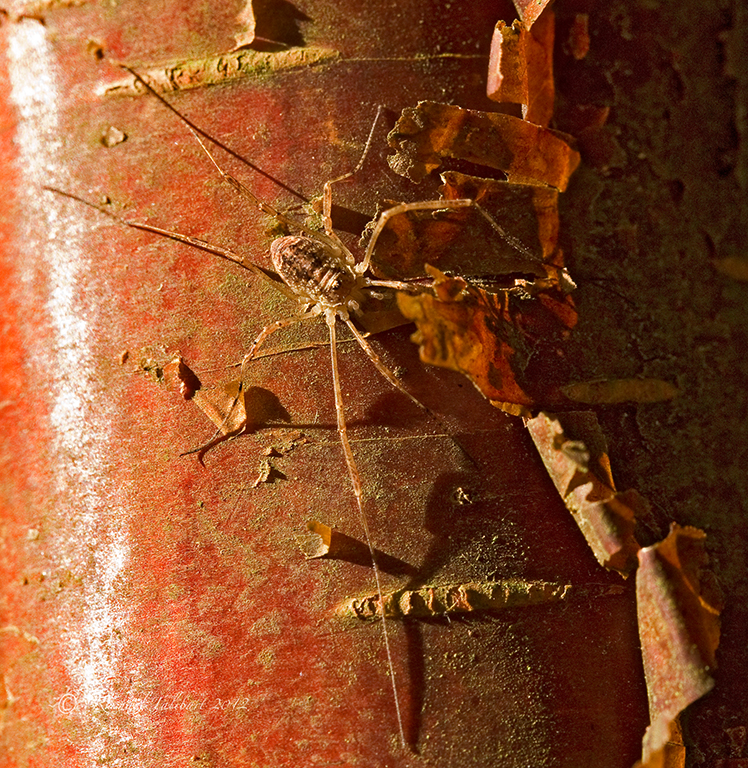
Harvestman

Coot on golden pond

Painshill Lake
For an earlier post where I talk about some of the history of Painshill and share some more images, see here.
 This year Autumn seems to be extra colourful and extra long. I have been gazing all week at the extraordinary hues of the sycamores and beech trees in my neighbourhood. Some photos will follow in another post. But I thought I couldn’t let Autumn pass without at least one shot of another characteristic part of the season, funghi.
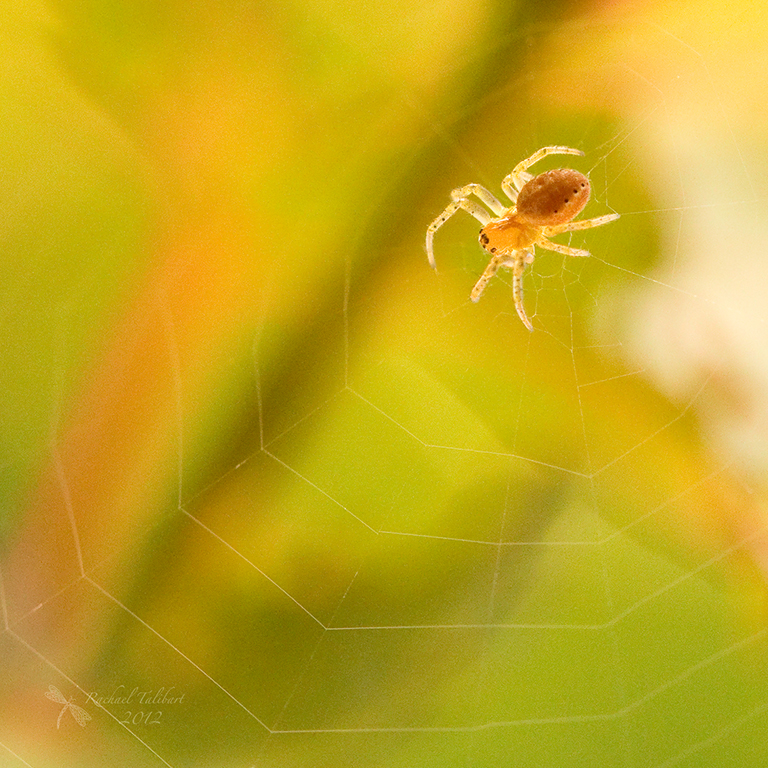 And then of course there has to be a minibeast. This shot of a spiderling will never be a competition image – the background is too busy. But I could hardly resist sharing the little critter’s autumnal livery.

Finally, here’s a truly terrible shot but I include it because it is my first ever recognisable photo of a bat in flight! Karen Anderson, of Modern Memory Keeping, and I went for a morning stroll in Painshill Park the other day and to our astonishment spotted this bat flitting about between the trees. Of course, I had my macro lens on, but I gave it a go anyway. What the little thing thought it was doing out and about at nearly noon is anyone’s guess. I suspect stocking up on some last minute protein before hibernation.
More endless Autumn next time.
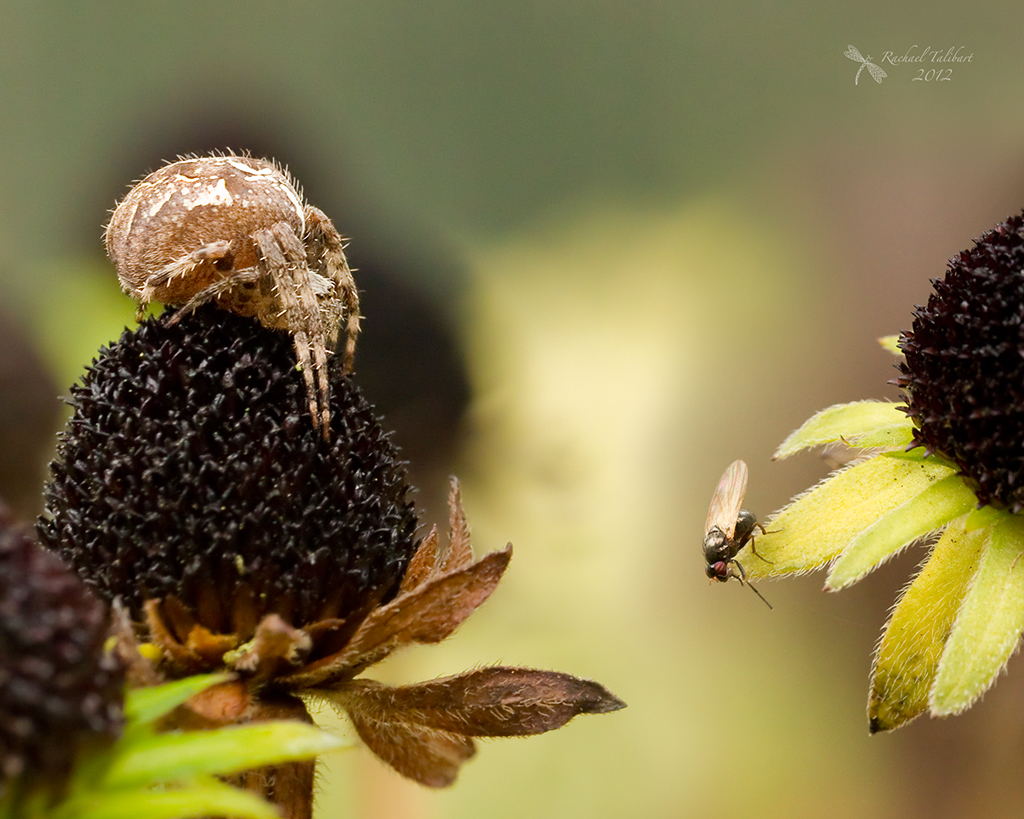
The secret of gathering in the greatest fruitfulness and the greatest enjoyment from existence is living dangerously!
Nietzsche

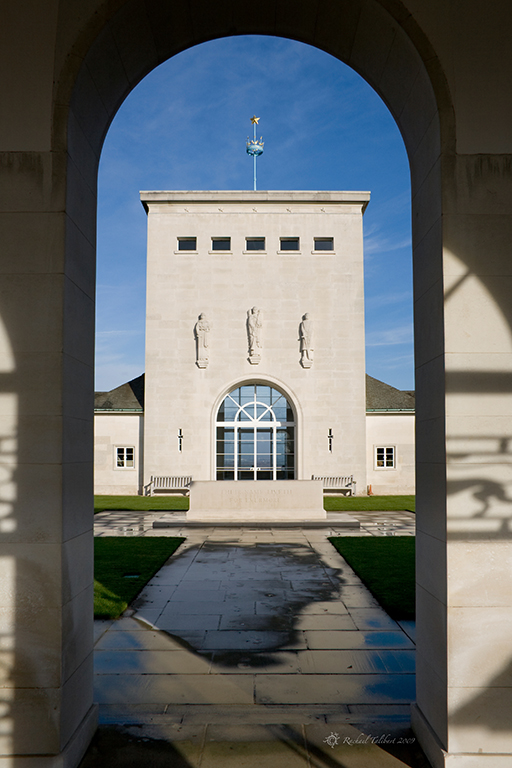
No matter what you think about the politics of conflict, today is a day to remember those who have died in war. I want to share some images of one of my local war memorials, the Air Forces Memorial at Runnymede.

Inside are commemorated over 20,000 airmen lost during World War Two but for whom there is no known grave. The names of those killed seem to run on as endlessly as the memorial’s labyrinthine corridors.

Flags in the roof remind us that the war dead came from all nationalities.

So many young men were lost, literally. With no body found, often the name carved on the wall is all that family have to mark their loved one. Countless small tokens left in nooks around the walls show that even all these years later, individuals are still remembered and mourned.
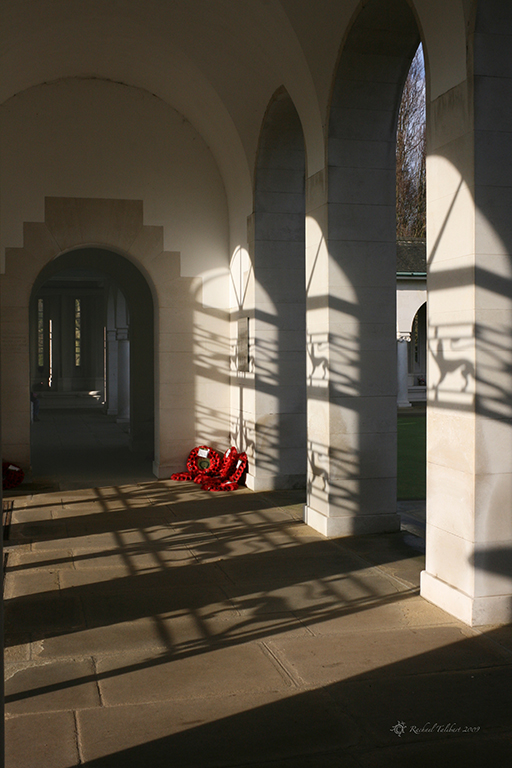
The Air Forces Memorial at Runnymede is a beautiful place, yes, but also a sobering one. It was somewhere I was pleased to take my teenage son whose idea of conflict is influenced by computer games and adventure movies. As we walked the corridors and porticoes, he became quiet and thoughtful. As did we all.

It’s been a while since I posted something buggy, so here’s a little leaf hopper hanging out on a blade of grass. I liked the way the background has the same two colours as the grass blade only the other way up.
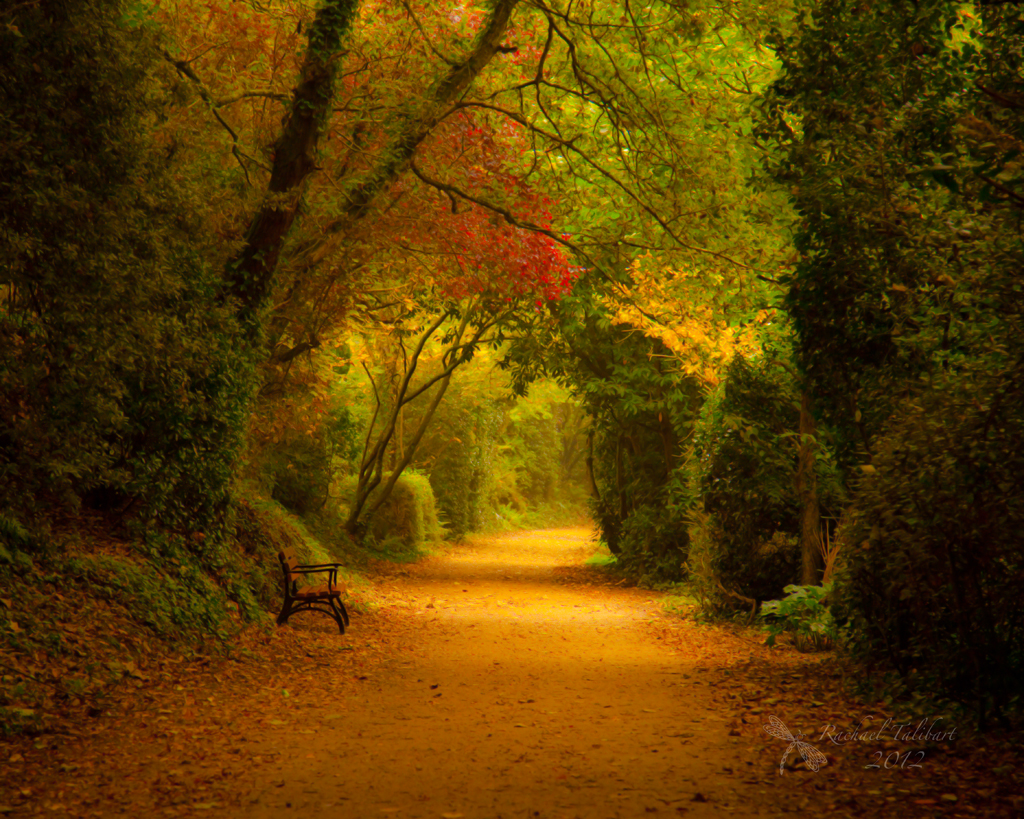
St. Aubin, Jersey
But then fall comes, kicking summer out on its treacherous ass as it always does one day sometime after the midpoint of September. It stays awhile like an old friend that you have missed. It settles in the way an old friend will settle into your favorite chair and take out his pipe and light it and then fill the afternoon with stories of places he has been and things he has done since last he saw you.
― Stephen King, Salem’s Lot

Windsor, England
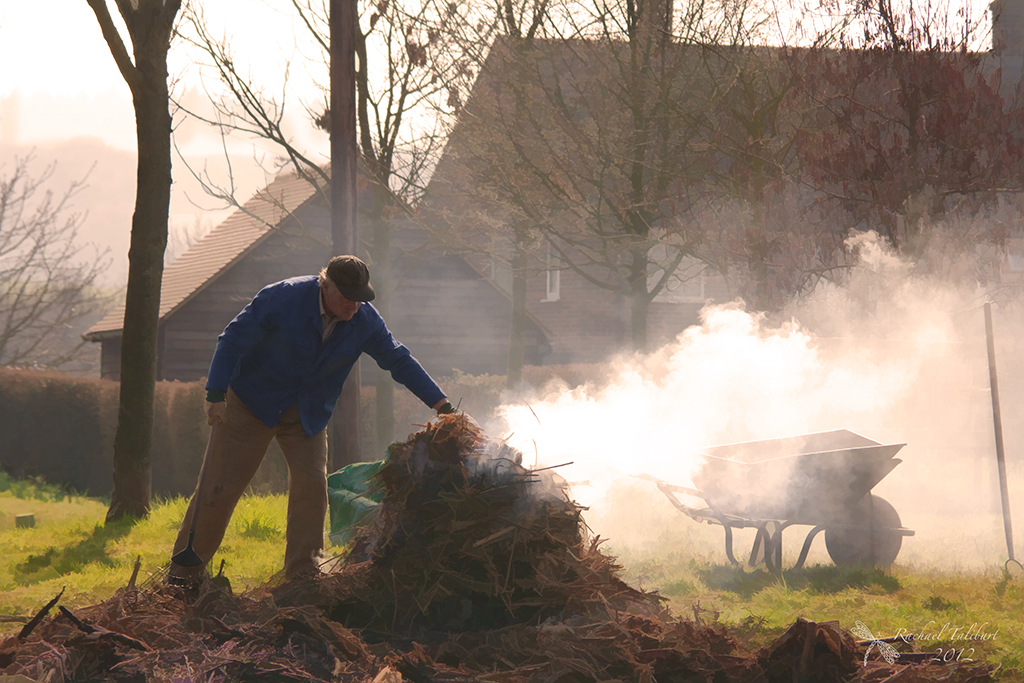
Clandon, Surrey
Spades take up leaves
No better than spoons,
And bags full of leaves
Are light as balloons.
I make a great noise
Of rustling all day
Like rabbit and deer
Running away.
But the mountains I raise
Elude my embrace,
Flowing over my arms
And into my face.
― Robert Frost
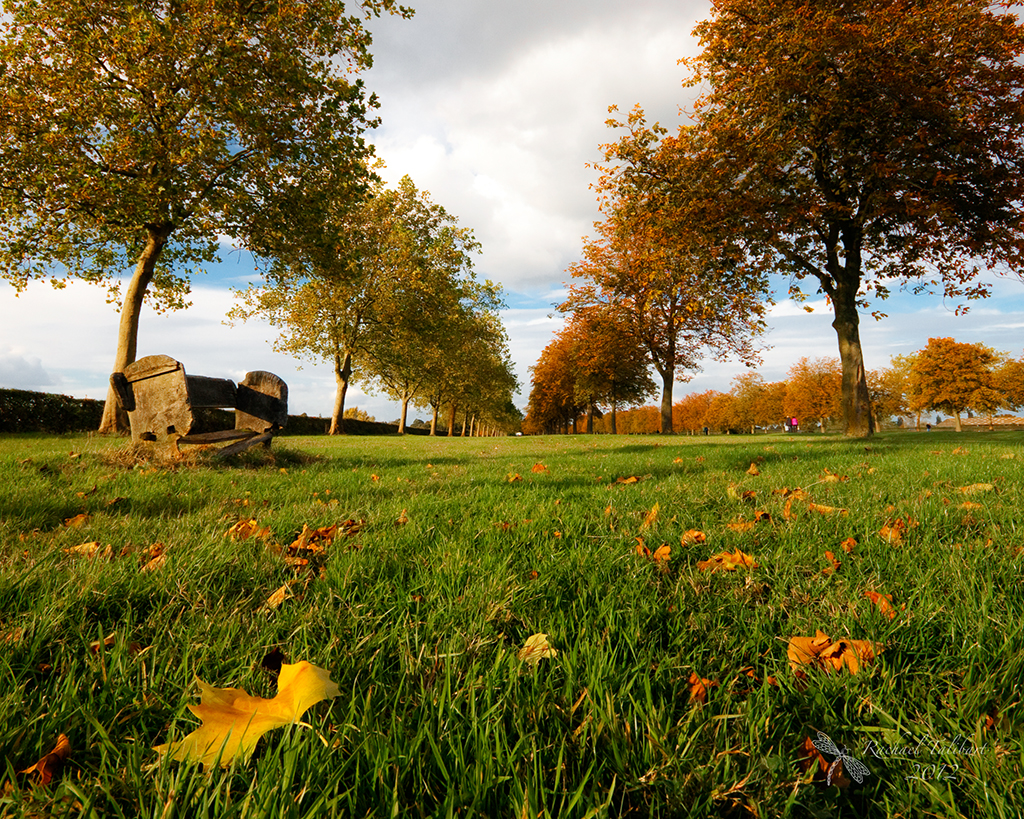
Windsor Great Park
Her pleasure in the walk must arise from the exercise and the day, from the view of the last smiles of the year upon the tawny leaves and withered hedges, and from repeating to herself some few of the thousand poetical descriptions extant of autumn–that season of peculiar and inexhaustible influence on the mind of taste and tenderness–that season which has drawn from every poet worthy of being read some attempt at description, or some lines of feeling.
― Jane Austen, Persuasion

At the risk of boring everyone, I thought I’d post some more pictures of La Corbiere, Jersey’s iconic lighthouse. Reached by a causeway at low tide (a claxon sounds to warn visitors foolish enough to ignore a rising tide), the lighthouse is attractively perched atop a granite outcrop, high above the Southwestern tip of Jersey’s coast.

It’s an attractive spot for watching sunset but, even if the sun does not put in an appearance, the view is stunning and the rocky foreshore provides plenty of nooks and crannies as foreground interest for the intrepid photographer.
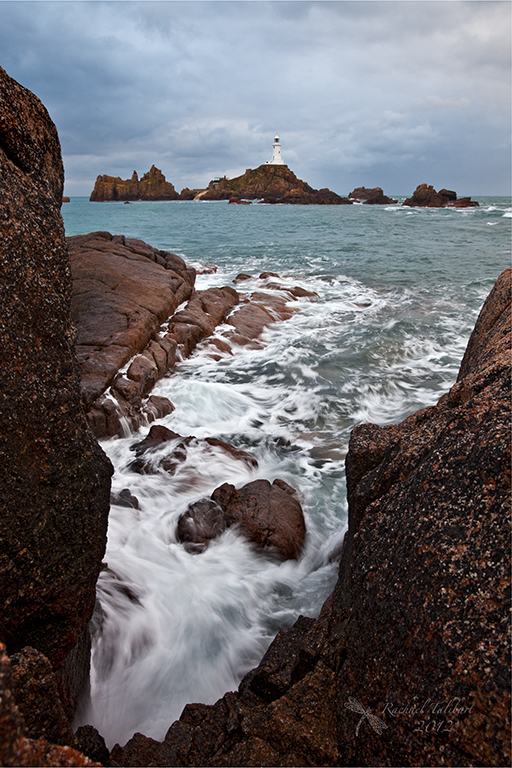
One day I hope to be there in a storm to catch waves crashing over the lighthouse. In the meantime, however, here are some more shots taken at this lovely, windswept place.
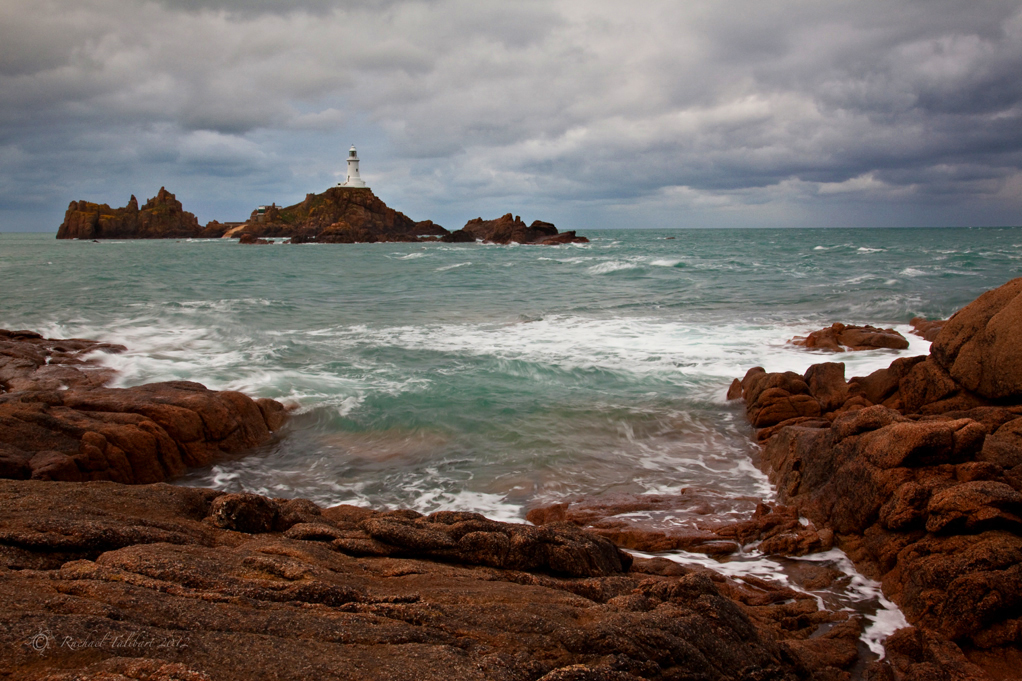


Last post I showed some of the World War 2 fortifications on Jersey. Jersey, one of the Channel Islands, sits close to the French Coast but has for centuries been loyal to the English crown. It is not surprising then that the coast has plenty of other, older defences.

The North coast is craggy and rugged but the bays of the South, East and West coasts were very accessible to invaders. During the Napoleonic wars, a series of towers was built around the island.

General Conway, Governor of the Island, planned for thirty towers to protect the coast from the threat of French invasions. La Rocco on St. Ouen’s Beach was the twenty third to be built, in 1795-6.

It makes an attractive landmark, standing sentinel over the five miles of sand that make St. Ouen’s Bay.

What a wonderful setting for a spot of sunset kite surfing!

But you have to admit that as a silhouette it looks a little like a submarine.

More from Jersey next post.
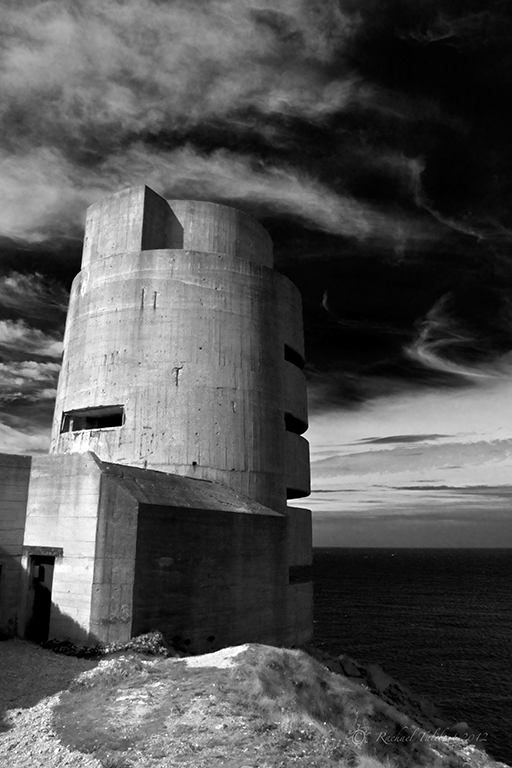
Jersey’s history is written across the island, from a Neolithic passage grave (of which, more another day) to magnificent Medieval and Tudor castles. A more recent episode in Jersey’s history is also etched on the landscape; during World War 2, the Channel Islands were occupied by the German army.
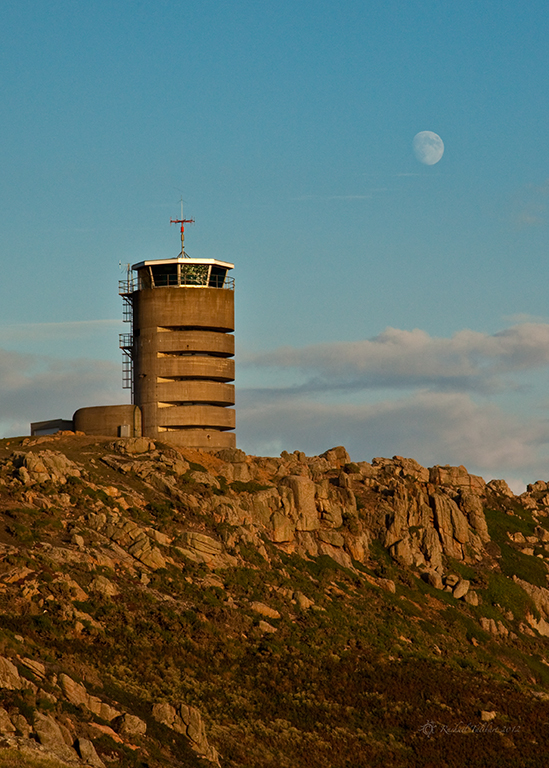
This one’s now a holiday rental
The islands were occupied on 1st July 1940 and were liberated more than five years later, on 9th July 1945. During the occupation, extensive defences were built all over Jersey, even on top of the Tudor Elizabeth Castle.
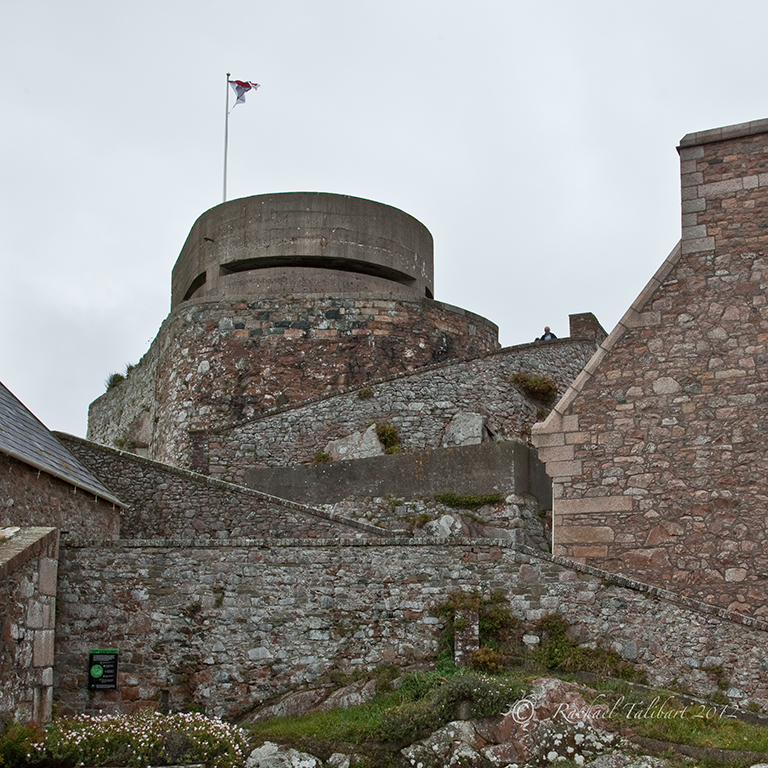
An incongruous site
Numerous pillboxes, batteries and other defences were constructed, using slave labour from the defeated peoples of Europe. At La Hougue Bie, a moving display tells their story. The defences included three enormous observation towers.
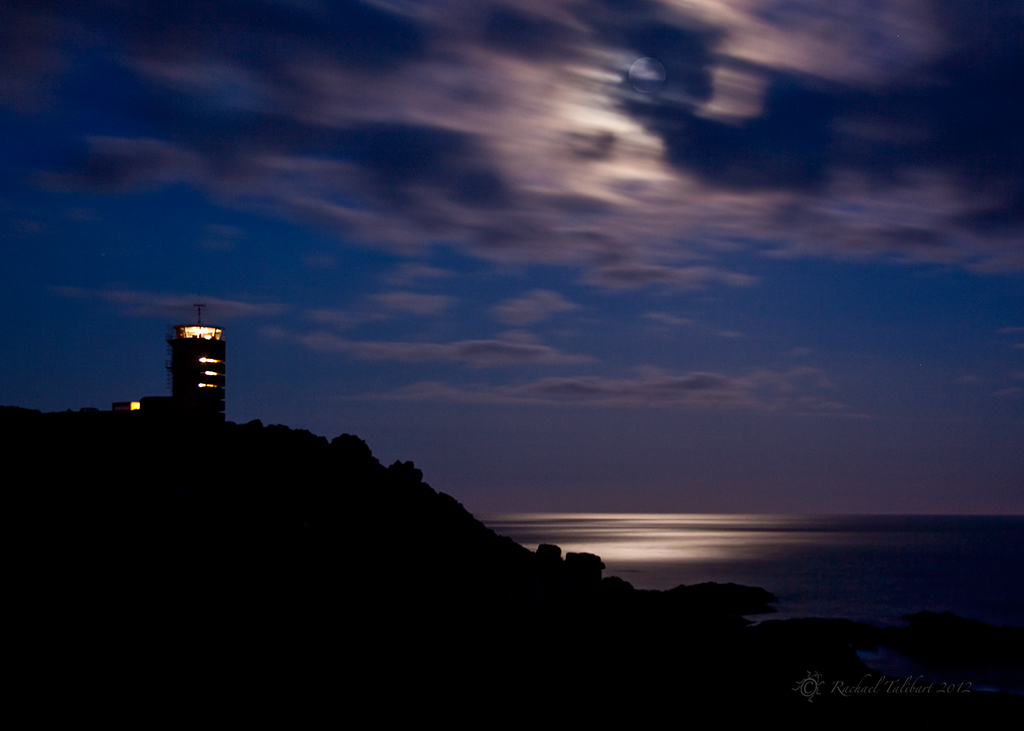
Does this remind you of the cylons in original Battlestar Galactica, or is that just me?
Although, in the immediate aftermath of the conflict, the impulse of the islanders was to bury the signs of occupation, more recently this part of the island’s history is being explored and preserved. Some sites are open, manned by volunteers, on certain days and the Jersey War Tunnels museum is always open and offers an informative, moving yet balanced account of the war years.

Remains of WW2 beach defences
Most of the pillboxes and batteries remain derelict, however, stark reminders of this difficult and tragic time.

Creepily atmospheric in fog
Needless to say, they also provide an opportunity to try some moody, grainy photography, with the assistance of willing teenage son in black hoody.

Someone has been decorating
Some of the derelict structures have been used, although all signs of habitation seemed pretty old.
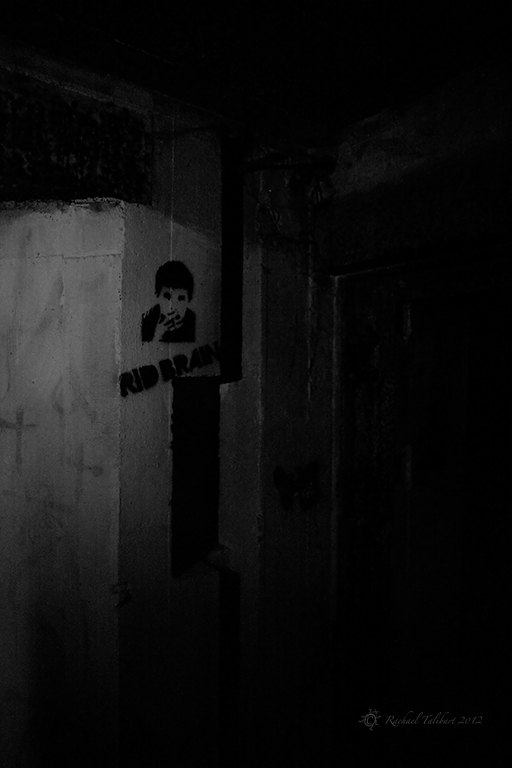
What does this mean?
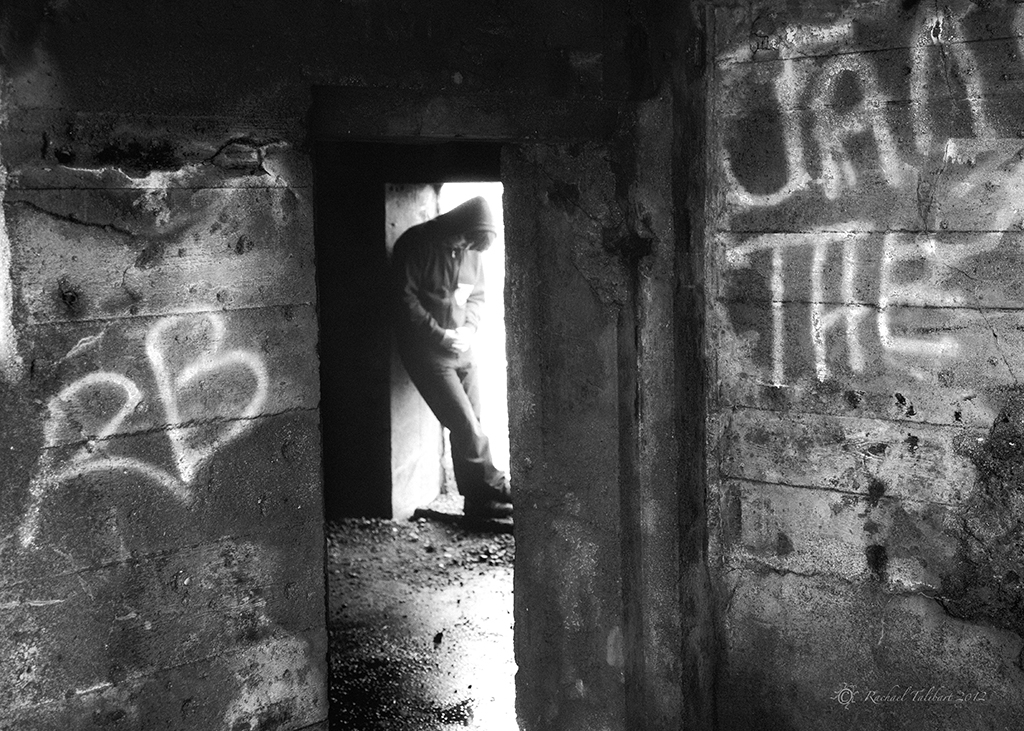
Moodiness comes with the territory
More about Jersey tomorrow.
 Focused Moments