One image three ways

Image

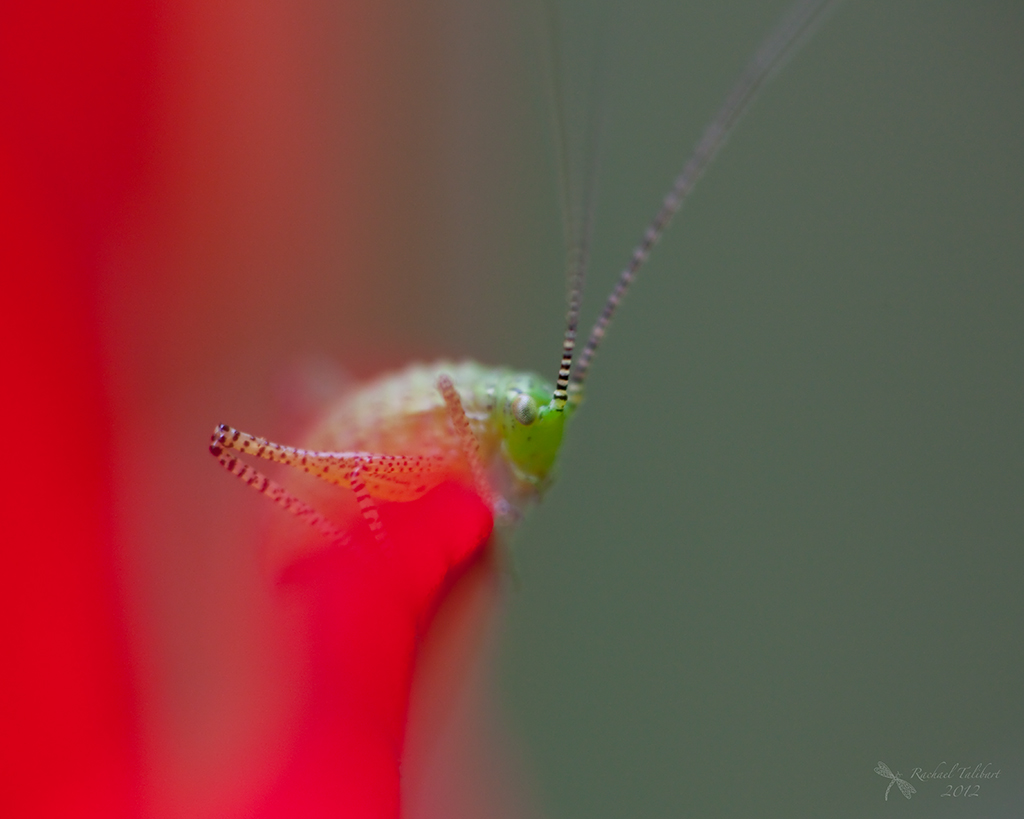
I like this slightly arty shot of a cricket in my garden.  I like the way the cricket barely emerges from its environment. But which version of the image do you like best?  The cool-colour version above. Or the warmer version below.

Image

Or the minimal black and white?

Image

Raynox newbie

Image

I have a new toy, a Raynox DCR-250 super macro conversion lens.  It is a cheap alternative to a macro lens but I am actually using it to get even closer than my macro lens.  It clips onto my 100mm macro to let me get super close.

Image

Depth of field at these sorts of magnifications is ridiculously thin and to get the most out of it you need a tripod and flash.  So I doubt it will be an oft-used piece of kit for my favourite genre, natural light bug macros outdoors.

Image

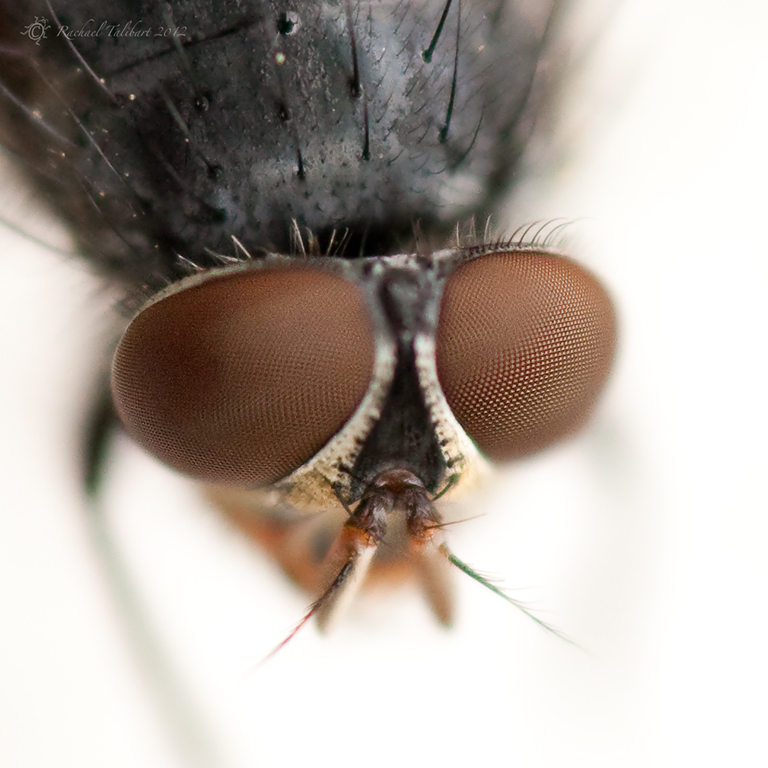
Still, it did give me a lot of fun yesterday afternoon putting it through its paces trying to capture something of the very smallest critters in my garden.  The red-eyed fly below is smaller than an aphid.

Image


Reigate

20120618-140446.jpg

We spent yesterday in Reigate, a quiet market town in North Surrey. The only camera I had with me was my iPhone so, in the true tradition (if there has been enough time for there to be a tradition) of iPhoneography, I have lightly edited the images on my iPad and uploaded directly from there.

20120618-140821.jpg

Reigate has the remains of a castle so I get to continue my series on castles. The castle was built in the eleventh century and fell into decay in the seventeenth. None of the stonework remains but the earthworks have been turned into a pretty, and peaceful garden.

20120618-142555.jpg

Underneath the castle gardens is a network of caves. The most well-known, The Barons’ Cave, is reputed to have been a meeting place for the barons who devised the Magna Carta. The stone pyramid in the top photographs guards an underground
sallyport.

20120618-142133.jpg

The few remains of the castle were removed in 1777 when the land was converted into a garden. The mock medieval gateway was built at that time.

We thoroughly enjoyed our day in Reigate. The town has a lot of interesting independent shops, a fine array of eateries and an Everyman cinema (in which we saw Prometheus). Best of all, the sun shone: a rare event here this summer!

20120618-142916.jpg

Trapped

Image

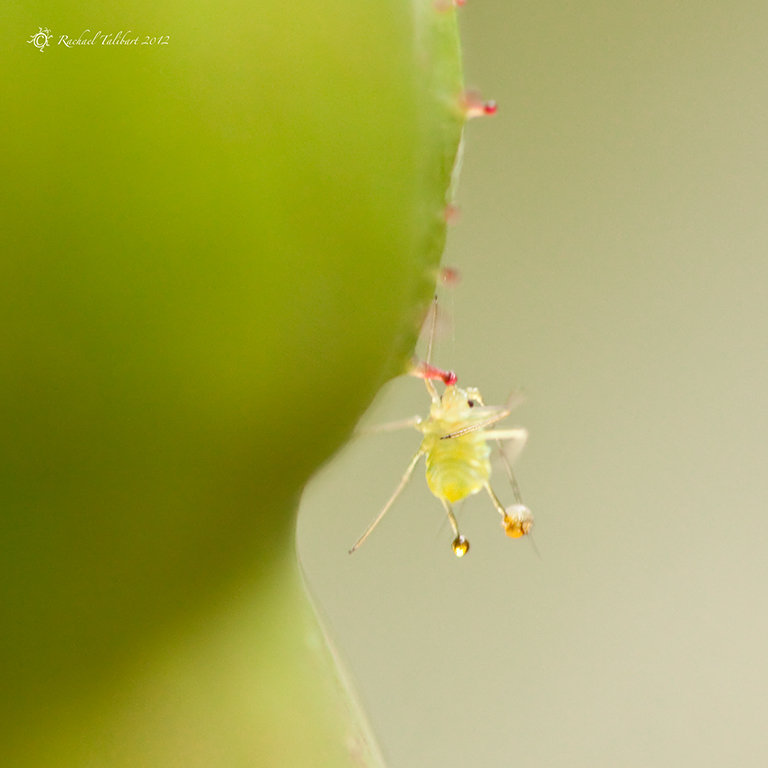
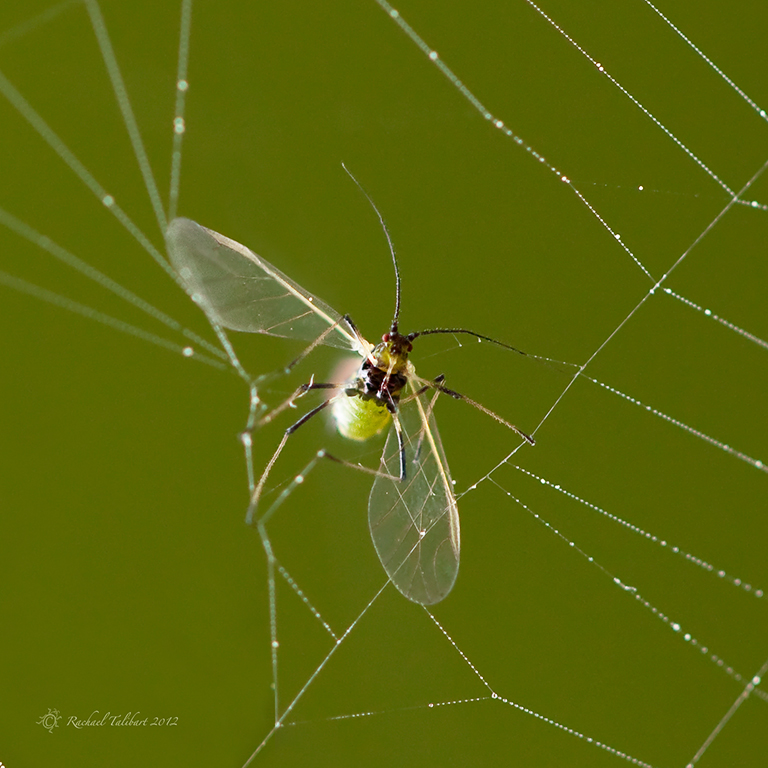
An aphid caught in a web awaits its doom.

Image

Dar’st thou die?

The sense of death is most in apprehension;

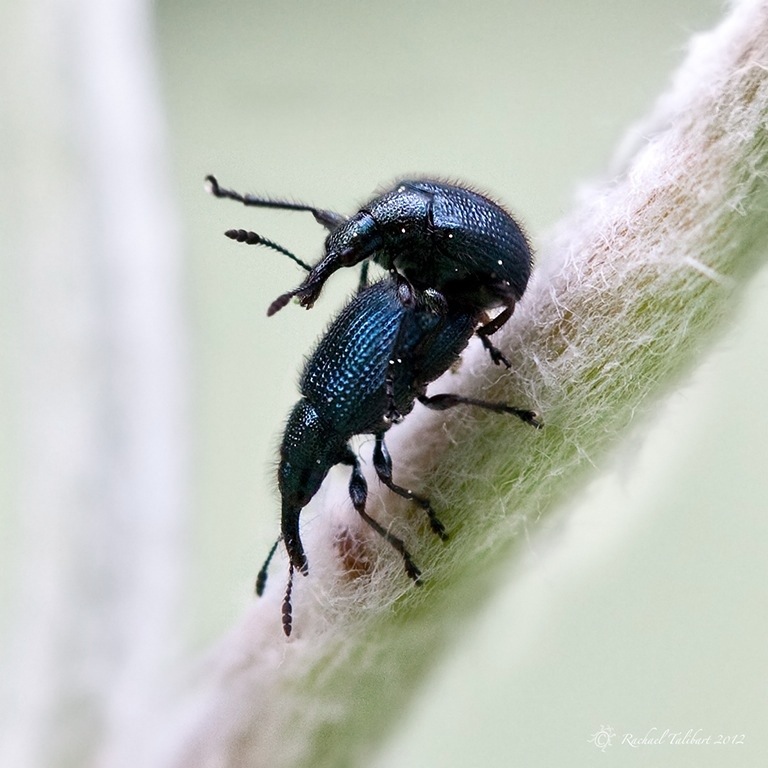
And the poor beetle that we tread upon

In corporal sufferance finds a pang as great

As when a giant dies.

William Shakespeare, Measure for Measure, III.i

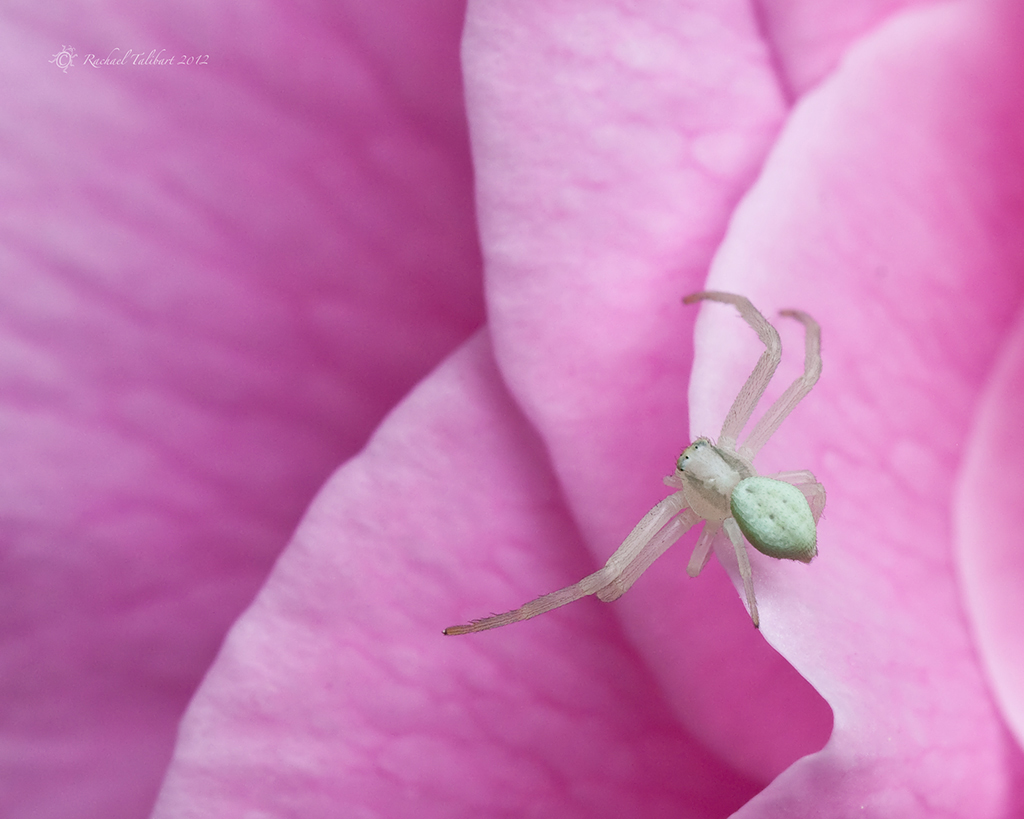
If only all spiders were so pretty

Image

You may have noticed that my blog tends to feature minibeasts.  But rarely will you find a spider, because I am quite simply scared stiff of them.  I know, pathetic.  But perhaps I wouldn’t mind them so much if they all looked like this one.  This is a common crab spider, misumena vatia.  They hang out on flowers in gardens in southern England.  They are clever, because I have noticed that they favour the more scented blooms, maximising the chance of some hapless insect happening by.  They come in white or yellow, which I much prefer to brown or black.  But they still have too many legs.

More cricket news

20120606-224608.jpg

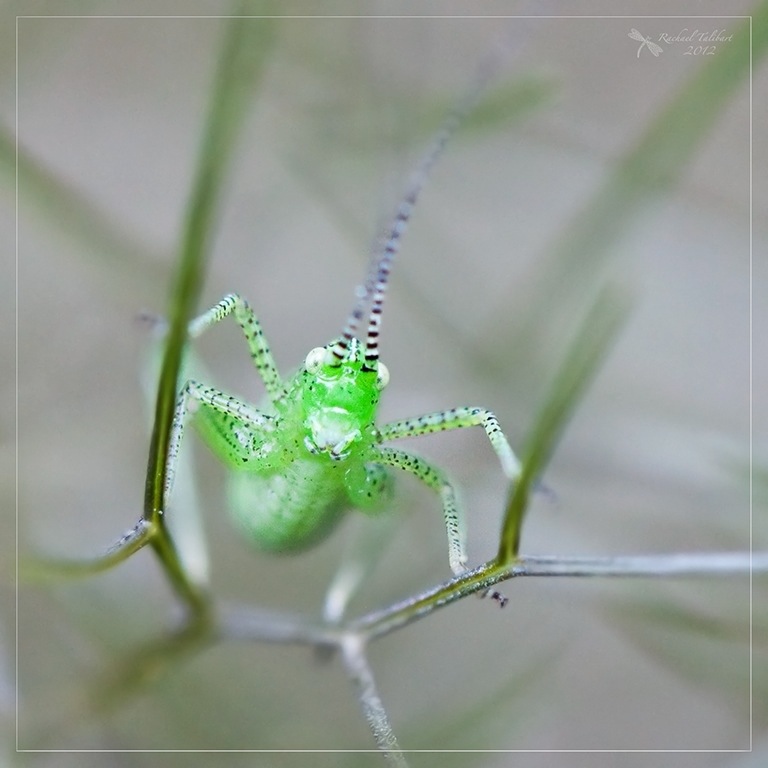
It’s been a couple of weeks since my post about the little speckled bush cricket nymph I found in my herb border. It’s still there, lurking in the fennel, along with three chums. As you can see, it has developed quite a bit in that time and is starting to look a little more like the adult it will become.

20120606-224708.jpg

Incidentally, when I posted my earlier shot of the nymph on Flickr I received a rather picky comment to the effect that it was a shame I had failed to capture it facing me. Ahem, full frontal enough now? 😉

Damselfly embrace

20120604-161653.jpg

A male damselfly holds onto the female after mating to prevent other males from inseminating her. Taken in my garden this week.

Dimply damsel, sweetly smiling,
All caressing, none beguiling,
Bud of beauty, fairly blowing,
Every charm to nature owing.

Ambrose Philips, ‘To Miss Margaret Pultenay’ (1727)

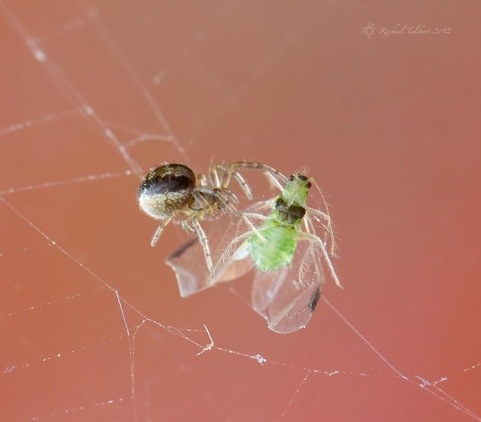
The Spider and the Fly

20120603-101636.jpg

“Will you walk into my parlour?” said the Spider to the Fly,
“‘Tis the prettiest little parlour that ever you did spy;
The way into my parlour is up a winding stair,
And I’ve a many curious things to shew when you are there.”
“Oh no, no,” said the little Fly, “to ask me is in vain,
For who goes up your winding stair can ne’er come down again.”

“I’m sure you must be weary, dear, with soaring up so high;
Will you rest upon my little bed?” said the Spider to the Fly.
“There are pretty curtains drawn around; the sheets are fine and thin,
And if you like to rest awhile, I’ll snugly tuck you in!”
“Oh no, no,” said the little Fly, “for I’ve often heard it said,
They never, never wake again, who sleep upon your bed!”

Said the cunning Spider to the Fly, ” Dear friend what can I do,
To prove the warm affection I’ve always felt for you?
I have within my pantry, good store of all that’s nice;
I’m sure you’re very welcome — will you please to take a slice?”
“Oh no, no,” said the little Fly, “kind Sir, that cannot be,
I’ve heard what’s in your pantry, and I do not wish to see!”

“Sweet creature!” said the Spider, “you’re witty and you’re wise,
How handsome are your gauzy wings, how brilliant are your eyes!
I’ve a little looking-glass upon my parlour shelf,
If you’ll step in one moment, dear, you shall behold yourself.”
“I thank you, gentle sir,” she said, “for what you’re pleased to say,
And bidding you good morning now, I’ll call another day.”

The Spider turned him round about, and went into his den,
For well he knew the silly Fly would soon come back again:
So he wove a subtle web, in a little corner sly,
And set his table ready, to dine upon the Fly.
Then he came out to his door again, and merrily did sing,
“Come hither, hither, pretty Fly, with the pearl and silver wing;
Your robes are green and purple — there’s a crest upon your head;
Your eyes are like the diamond bright, but mine are dull as lead!”

Alas, alas! how very soon this silly little Fly,
Hearing his wily, flattering words, came slowly flitting by;
With buzzing wings she hung aloft, then near and nearer drew,
Thinking only of her brilliant eyes, and green and purple hue –
Thinking only of her crested head – poor foolish thing! At last,
Up jumped the cunning Spider, and fiercely held her fast.
He dragged her up his winding stair, into his dismal den,
Within his little parlour – but she ne’er came out again!

And now dear little children, who may this story read,
To idle, silly flattering words, I pray you ne’er give heed:
Unto an evil counsellor, close heart and ear and eye,
And take a lesson from this tale, of the Spider and the Fly.

Mary Howitt, ‘The Spider and the Fly’ (1829)