Beachy Head Lighthouse

20120609-223034.jpg

This is Beachy Head Lighthouse, East Sussex. I took this shot on a blustery day in May 2010, as scudding clouds created shadow patterns over the shallow water at the base of the chalk cliffs the lighthouse guards. The lighthouse was built in 1902, warning ships of the cliffs with a light at night and its bright stripes by day. In September, Trinity House announced that it could no longer justify the cost of painting the lighthouse, modern navigational aids making this precaution redundant. Needless to say, many people are reluctant to see the lighthouse fade to grey and a campaign has been running ever since to raise the funds to keep this iconic lighthouse beautiful.

Little figure, big world

20120608-100923.jpg
Camber Sands, East Sussex, England

A quick post today to thank two fellow bloggers for nominating me for awards. Thank you, Ann Jasmine at Not Yet Grounded and Rob at In My View for the nominations. I have decided not to participate in blog awards, being averse to anything resembling chain letters. It is reward enough for me that anyone reads my blog. I will, however, take the opportunity to mention some of the lovely blogs I have discovered during my first two months here on WordPress.

Visit The Goat that Wrote for amusing, well-written and well-illustrated tales with a globe trotting and hiking theme.

Tricia A. Mitchell has lived and/or travelled in some of the most fascinating places and she shares her experiences with an unflagging appreciation for all she encounters.

Modern Memory Keeping is a blog about photography packed full of inspiration, tips and beautiful images.

You can’t beat Helen’s Photomania Blog for sheer enthusiasm. I admire the way Helen explores her subjects from every angle, something I could do with learning from her.

Speaking of enthusiasm, Dust Tracks on the Web simply exudes the stuff. Janson generously shares his love of flora and fauna with super images and intelligent and informative text.

Enjoy!

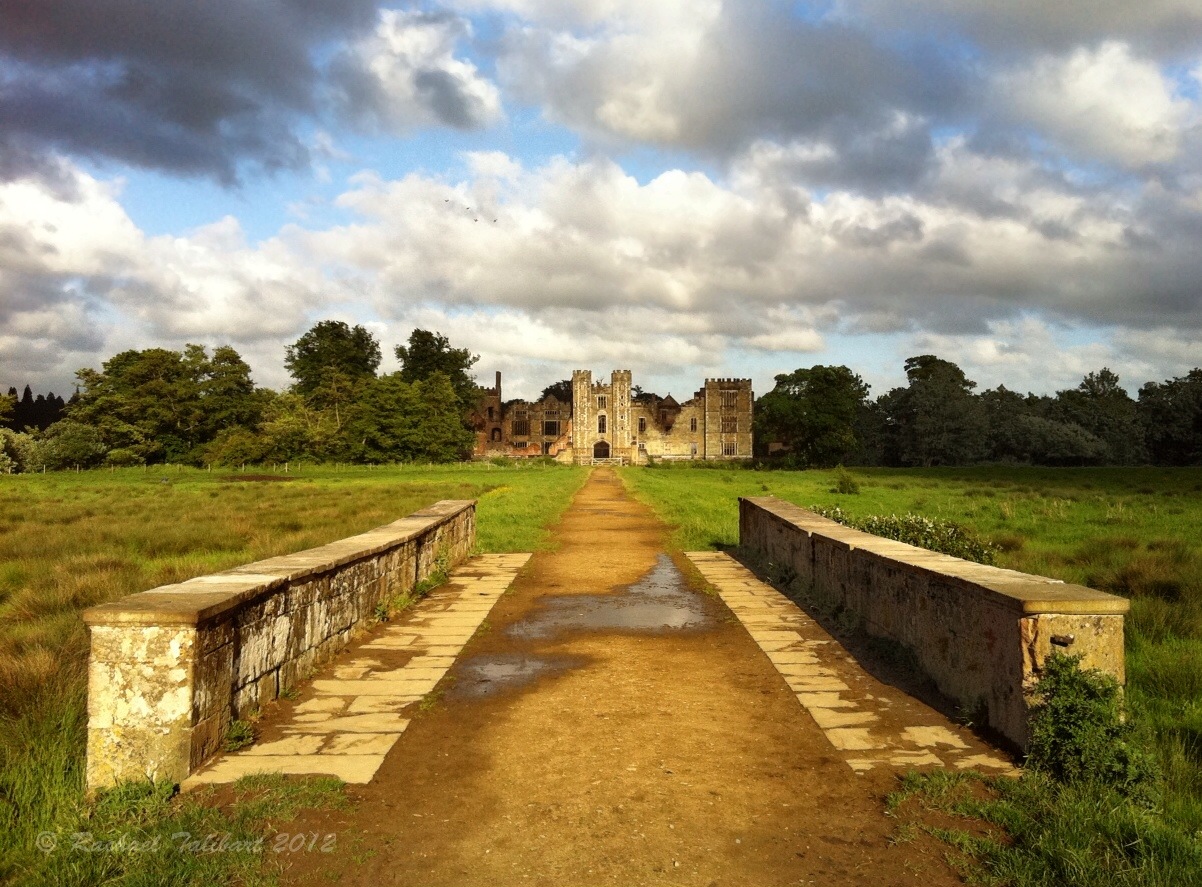
Cowdrey Park ruins

20120607-232652.jpg

More iphoneography, this time taken today at Cowdrey Park ruins in Midhurst, West Sussex.

20120607-233050.jpg

This atmospheric building was once a magnificent Tudor house, visited by both Henry VIII and Elizabeth I.

20120607-233250.jpg

Today it is part of the Cowdrey Park Estate, probably most famous for being the home of British polo.

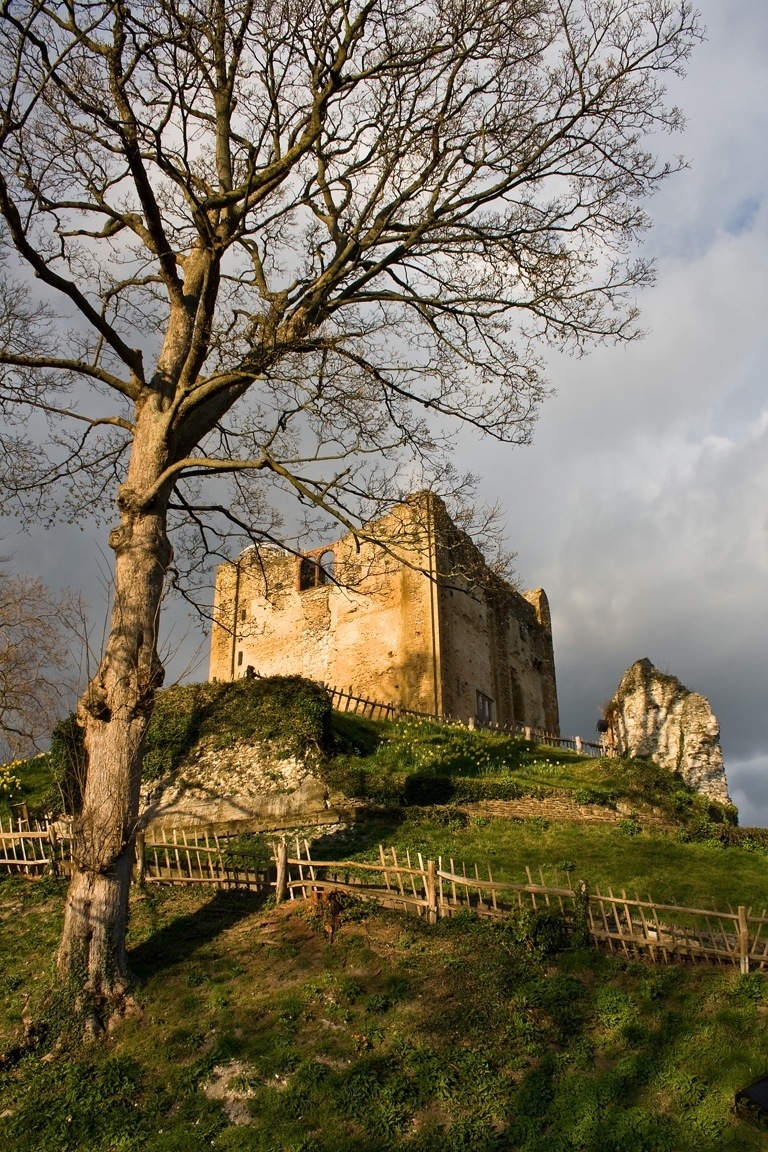
Guildford Castle

20120605-205447.jpg

Many eyes across the globe were turned towards our little island this weekend as we celebrated the Queen’s Diamond Jubilee. We may not be a very big nation geographically, or even in terms of power these days, but no one can deny we have a rich and long history. Among the signs of that history are the many castles that still stand right across the country. I do love a good castle so I thought I might do an occasional series about them.

20120605-223449.jpg

Guildford Castle is the closest castle to where I live. It was originally a Norman castle, built shortly after the conquest in 1066. Wooden defences were replaced with stone ones during the 12th century. As the only royal castle in Surrey, Guildford Castle became the centre for the county’s administration and justice and the keep, photographed here, housed the county gaol. However, after Henry III’s death in 1272, the castle fell into decline. In 1885, the ruins were bought by Guildford Borough Council. The keep has been renovated and now contains an interesting display about its history. The grounds are now a lovely park, full of beautiful flowers.

20120605-223539.jpg

Insanity

20120530-201254.jpg

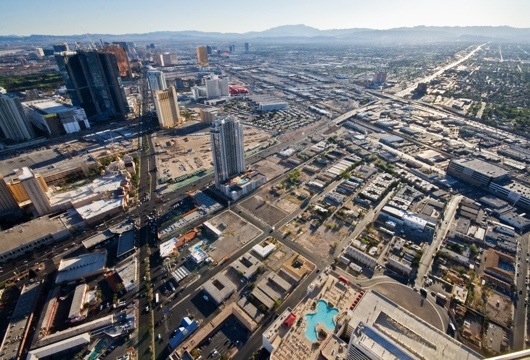
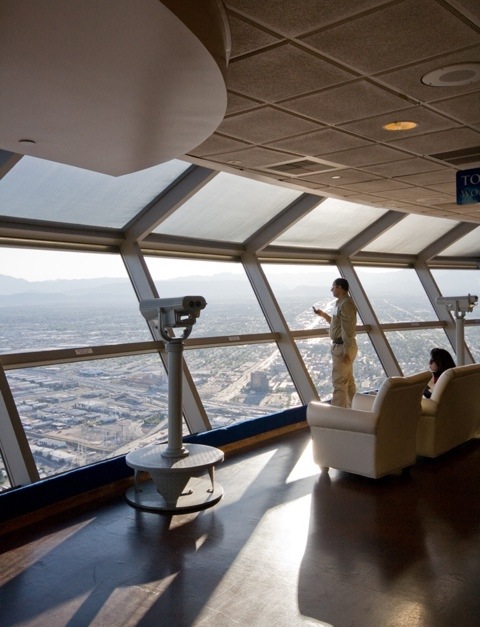
This is one of the rides on top of the Stratosphere tower in Las Vegas. Well-named.

20120530-201626.jpg

Frankly, I can think of nothing I would like to do less. Imagine hanging out over this:

20120530-201750.jpg

The next shot shows where I dug in my heels and refused to budge. A wimp? Or just sane?

20120530-201828.jpg

In fact (and I know I risk offending some here), I heartily dislike Las Vegas. It’s a shame I have had to go there twice now, in order to visit the Grand Canyon and other beautiful natural wonders of the American Southwest. But my family enjoyed the rides. The city is just one big theme park to them. 🙂

Window on the Canyon

Image

This is a view of the Grand Canyon from the Watchtower at Desert View.
The Watchtower, impressively perched on the edge of the mighty canyon, was completed in 1932.  It is one of several buildings in the Grand Canyon area designed by American architect Mary Elizabeth Jane Colter.

Image

Inside, the tower is decorated with murals by Fred Kabotie, a Hopi from second Mesa.

Image

Vien dietro a me, e lascia dir le genti:

Sta come torre ferma, che non crolla

Gia mai la cima per soffiar di’ venti.

Follow me and leave the world to chatter:

Be steady as a tower that never bows its head,

However hard the winds may blow.

Dante Alighieri, Divina Commedia (1307), ‘Purgatorio’, Canto 5

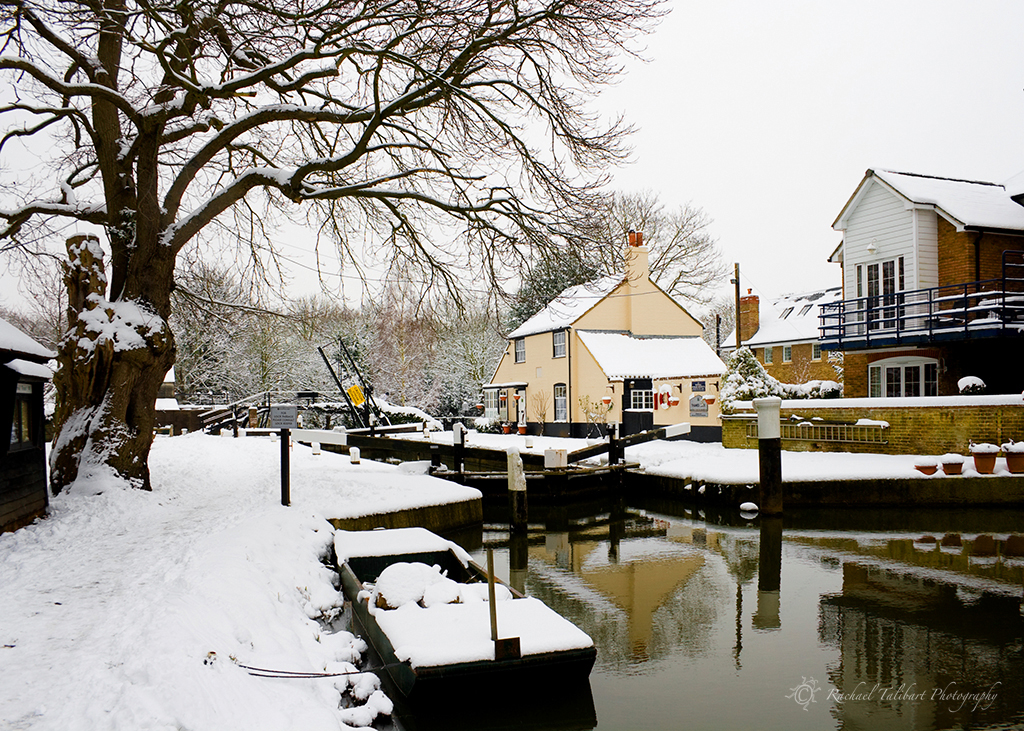
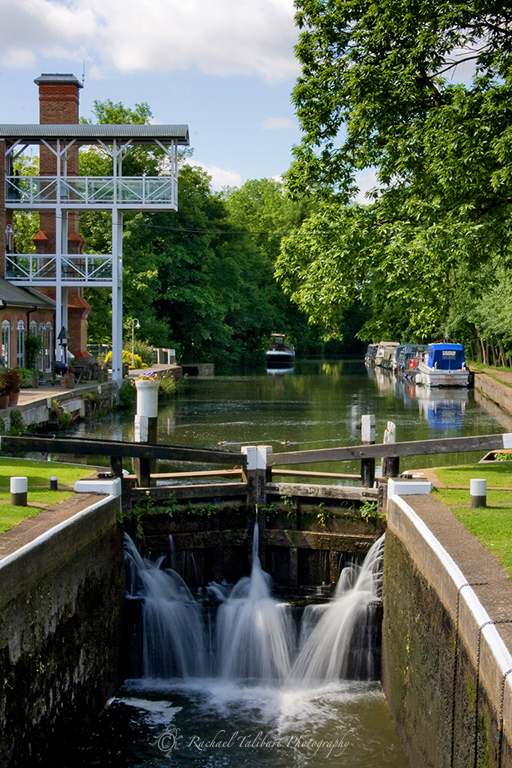
Walk this Wey: Thames Lock

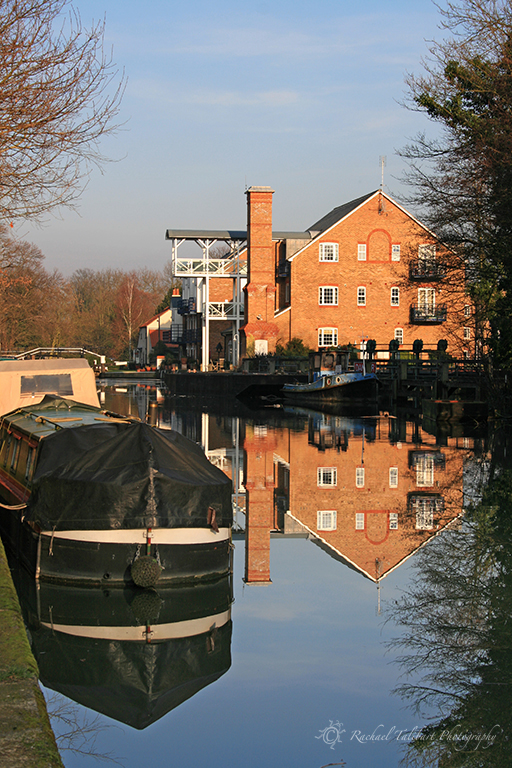
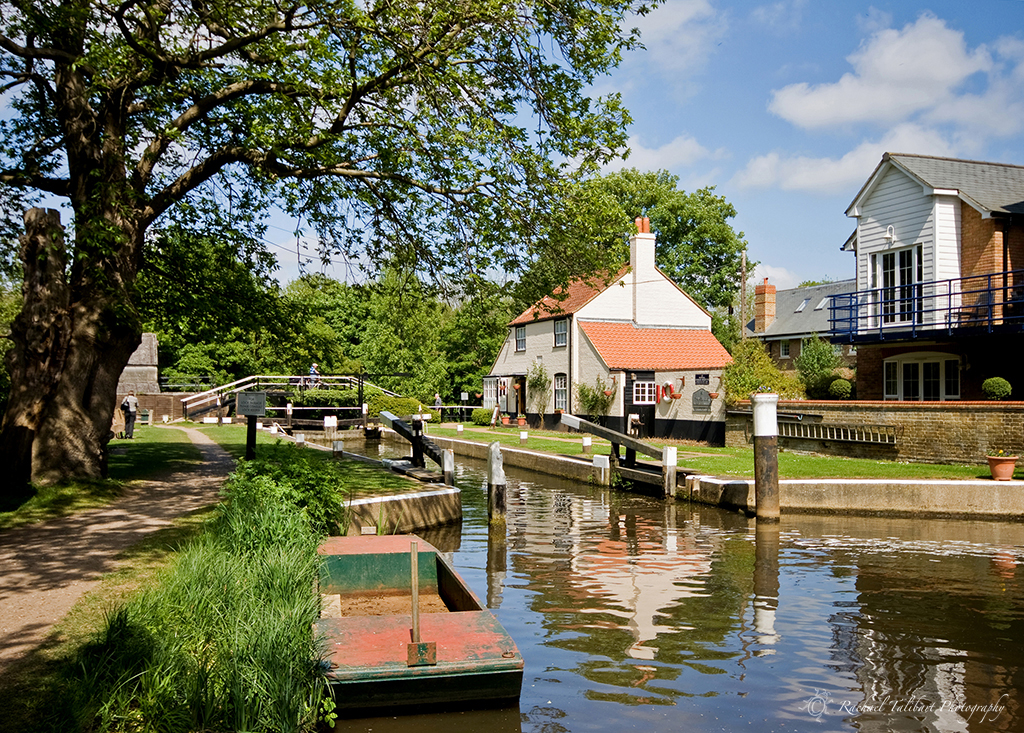
Today’s post is about one of my favourite local places, Thames Lock in Weybridge, Surrey. Thames Lock is the first lock of the Wey and Godalming Navigations.  One of Britain’s earliest man-made navigable waterways, the Navigations, which run for just under 20 miles from the Thames at Weybridge to Godalming, preceded the canal age by a century.  Now owned and managed by the National Trust, the Navigations and their towpath provide a tranquil green corridor through some of Surrey’s most built up areas and a pleasant, easy route through some of its loveliest countryside.
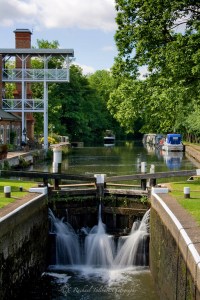
The Navigations were the brainchild of Sir Richard Weston of Sutton Place.  The first ten miles from the Thames were opened in 1653 and extended to Godalming by 1764.  The principal cargo was timber from Surrey’s forests destined for the shipbuilding yards on the banks of the Thames. But the Navigations were also an important route for the transport of wheat, flour and numerous other cargoes, including, in the early 1920s, a number of aircraft from Brooklands.  Today, the Navigations are plied by pleasure boats rather than commercial barges and the towpath is frequented by walkers and cyclists rather than the horses that used to pull the barges.

The entrance to the Navigations from the Thames at Weybridge is misleadingly insignificant in appearance, barely noticeable but for the sign on a post in the river.  Yet it is the location for an exciting passage in local writer, H G Wells’s classic, The War of the Worlds, which concludes as follows:

‘I staggered through the leaping, hissing water towards the shore.  Had my foot stumbled, it would have been the end.  I fell helplessly, in full sight of the Martians, upon the broad, bare, gravelly spit that runs down to mark the angle of the Wey and Thames.  I expected nothing but death.’  (1898)
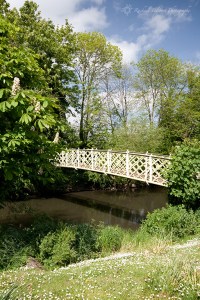
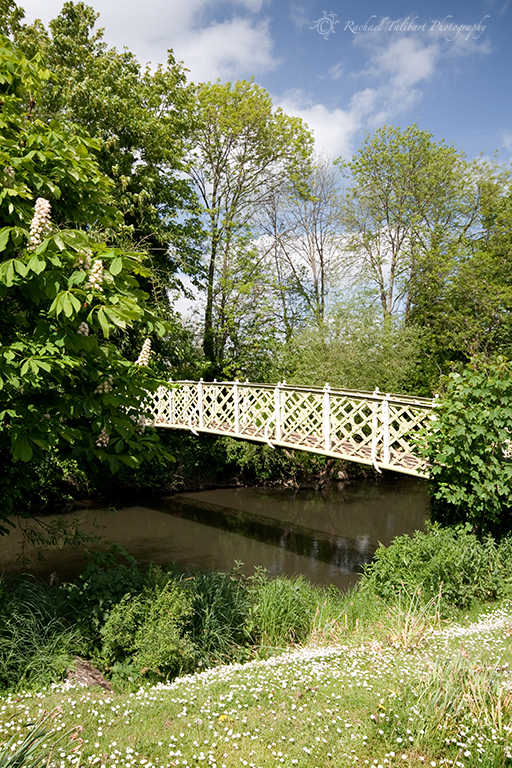
While not as challenging as evading Martian invaders, finding Thames Lock, where the towpath begins, can be difficult on foot.  A path, known as Church Walk, runs from the side of the Old Crown, a 17th century Grade II listed pub on Thames Street to Radnor Road.  The lock can be reached either via Jessamy Road, which bisects Church Walk or, further along Church Walk, via a small path to the right that leads over a pretty white and green footbridge.
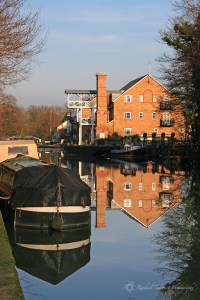
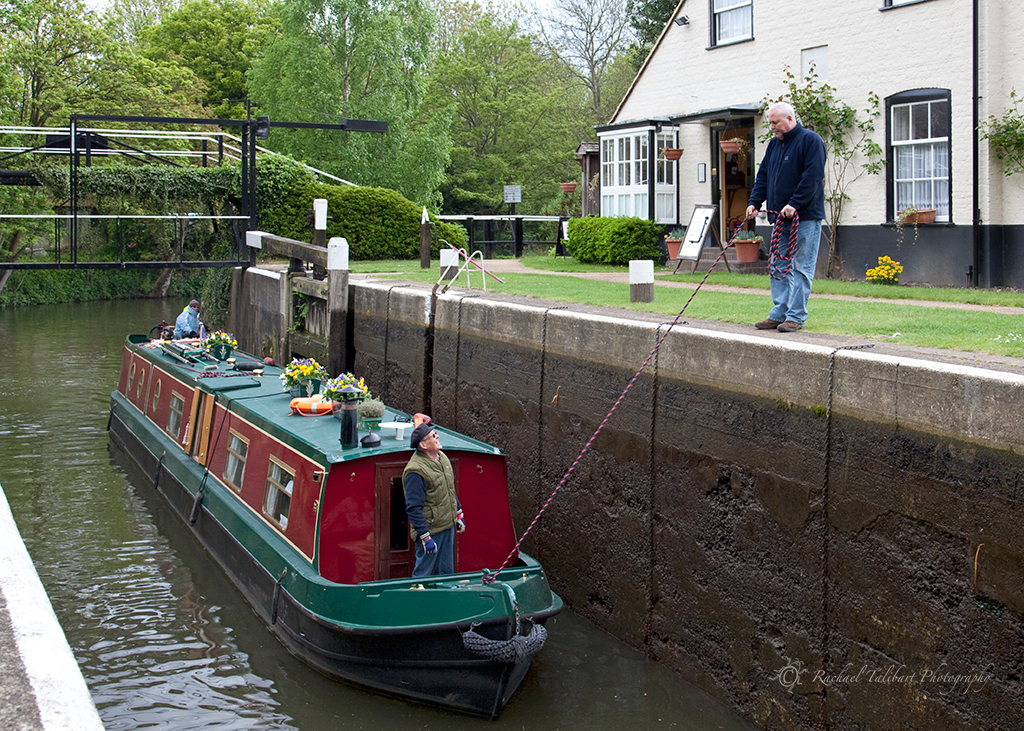
Both routes lead to Whittet’s Ait, an island between the River Wey and the Navigations.  If you follow the gravel footpath beside the public park there, you will come to the lock.  It is a delightful spot, with benches on which you can while away a few minutes or hours watching narrow boats negotiate the lock.   In spring and summer, planters outside the lock keeper’s cottage froth with flowers and it is not unusual to find a local artist at work capturing the idyllic scene.
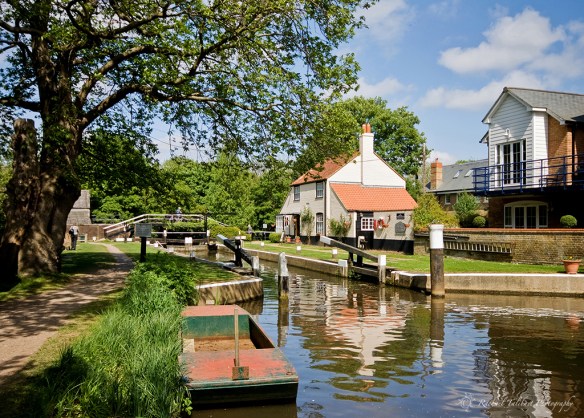
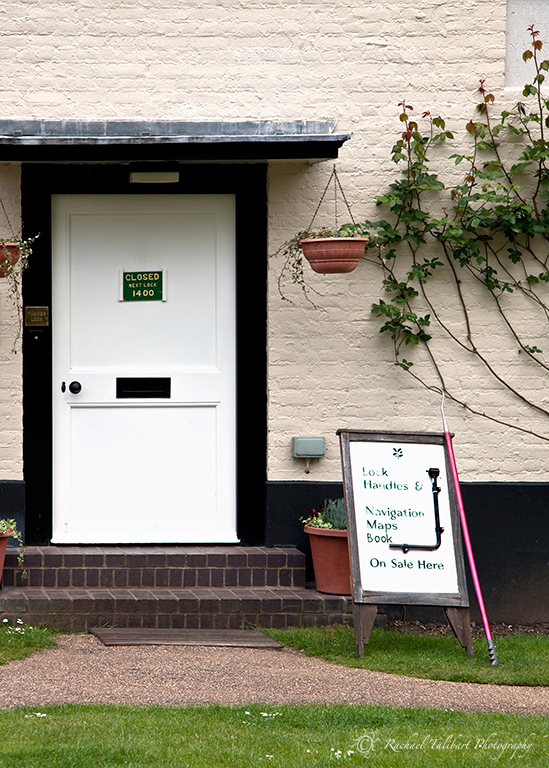
The towpath begins on the other side, accessed via an iron bridge over the lock. Before crossing, however, it is worth stopping at the lock keeper’s cottage where a free map can be obtained and you can buy a booklet of circular walks along the Navigations.

The present cottage was built by the National Trust in 1975 as a replica of its eighteenth century predecessor.   On the other side of the lock, beside the towpath, stand the stables that used to shelter the horses as they waited for the next barges to arrive.  Now they contain a small display on the history and wildlife of the Navigations.

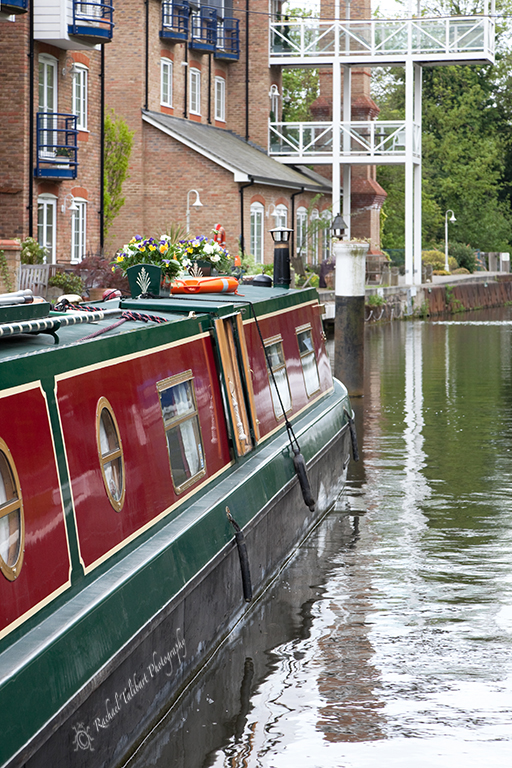
Next to the Lock stands a development of waterside apartments on what was the site of paper, iron and oil seed mills from 1791 to 1963 when the last of many fires on the site finally put paid to further milling.  One account of the fire describes how the water was alight with the highly flammable oil.
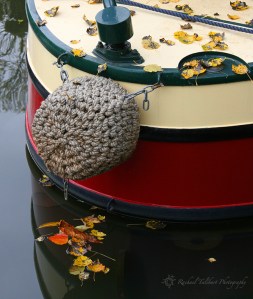
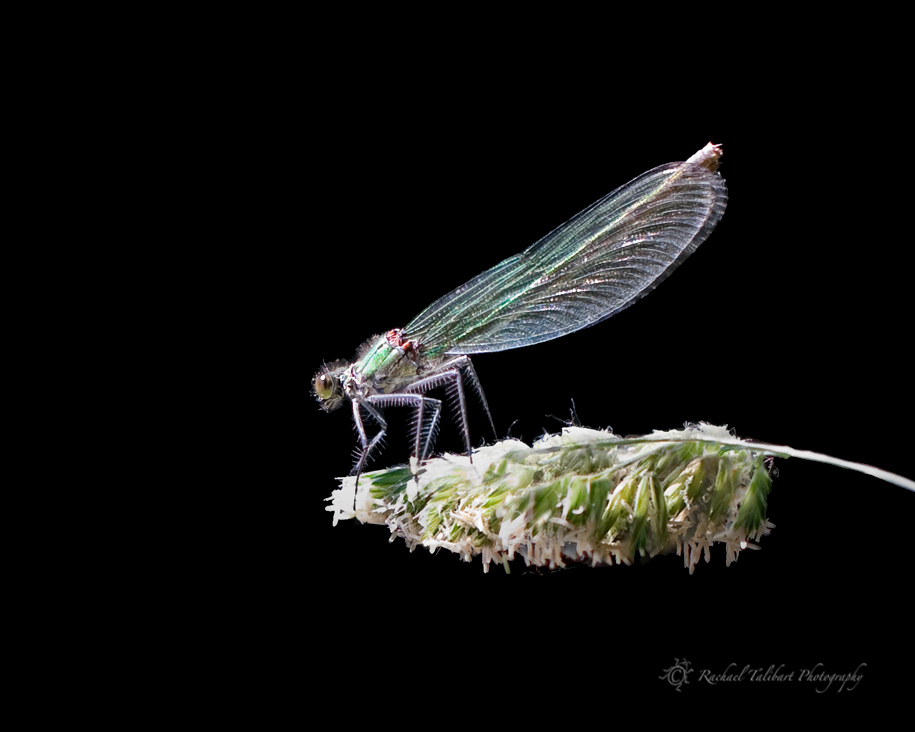
The Navigations are an important habitat for wildlife, from beautiful damselflies …
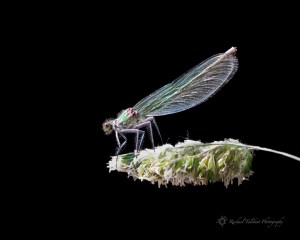
… to slightly more weird and wonderful critters.

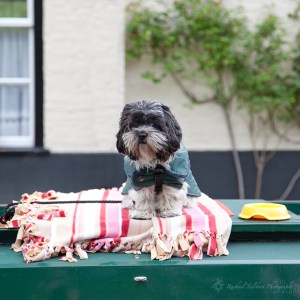
You may even meet an occasional ship’s dog.

Orcas, sailboats and houses on stilts

20120527-185201.jpg

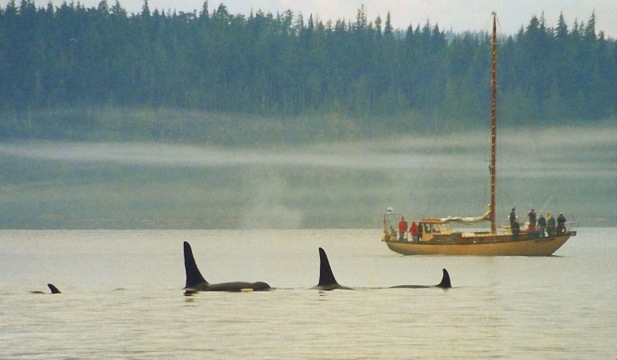
I promised a post about the Wey Navigation this weekend but ran out of time. So, a shortish post today and the Wey will have to wait until later in the week. I took this shot, scanned from a 6×4 print, in 1994. We were watching killer whales in the waters of Robson’s Bight, off the Eastern coast of Vancouver Island. We set off from Telegraph Cove, an atmospheric little settlement that has managed to retain much of its early 20th century character. The picture below, taken on the same trip appears inside and on the back cover of The Encyclopedia of Raincoast Place Names published by Harbour Publishing. Being something of a bookworm, I particularly like it when people buy my images for this purpose. I must confess to a few vanity moments when we were travelling in BC again in 2010 and kept finding the book in shops.

20120527-190118.jpg

Patterns on the shore

20120526-133346.jpg

The voice of the sea is seductive; never ceasing, whispering, clamoring, murmuring, inviting the soul to wander for a spell in abysses of solitude […] The voice of the sea speaks to the soul.

Kate Chopin, The Awakening (1899)

I took this shot on Chesterman Beach, near Tofino on Vancouver Island. The Pacific Coast of Vancouver Island can be serene, as on the day I took the photograph, or mysterious when (as it often is in Summer) cloaked in fog, or wild (local hotels offer storm watching breaks in the winter months).

Chopin is one of many writers who have described the sea’s strangely magnetic force. Shores are evocative, liminal places that invite contemplation, as Chopin so acutely, and beautifully describes.

Another writer interested in shores whose work I have recently read is H.D. (Hilda Doolittle). Here is one of the most famous poems from her typically enigmatic volume, Sea Garden:

I
THE HARD sand breaks,
And the grains of it
Are clear as wine.

Far off over the leagues of it,
The wind,
Playing on the wide shore,
Piles little ridges,
And the great waves
Break over it.

But more than the many-foamed ways
Of the sea,
I know him
Of the triple path-ways,
Hermes,
Who awaiteth.

Dubious,
Facing three ways,
Welcoming wayfarers,
He whom the sea-orchard
Shelters from the west,
From the east
Weathers sea-wind;
Fronts the great dunes.

Wind rushes
Over the dunes,
And the coarse, salt-crusted grass
Answers.

Heu,
It whips round my ankles!

II
Small is
This white stream,
Flowing below ground
From the poplar-shaded hill,
But the water is sweet.

Apples on the small trees
Are hard,
Too small,
Too late ripened
By a desperate sun
That struggles through sea-mist.

The boughs of the trees
Are twisted
By many bafflings;
Twisted are
The small-leafed boughs.

But the shadow of them
Is not the shadow of the mast head
Nor of the torn sails.

Hermes, Hermes,
The great sea foamed,
Gnashed its teeth about me;
But you have waited,
Where sea-grass tangles with
Shore-grass.

H.D., ‘Hermes of the ways’ (1917)

For me, this poem evokes both vulnerability and exhilaration, the beauty of things that by necessity must grow tough living on the edge, whether they be apple trees or people.

Do you have a favourite poem of the shore?

Admiring the view

20120524-122154.jpg

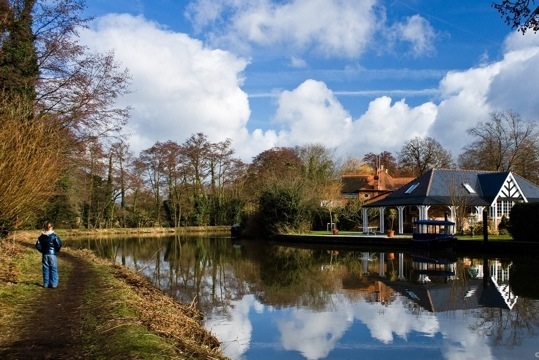
A short post today. This scene was taken on my local stretch of the Wey Navigation, a historic waterway that runs for 20 miles between Weybridge and Goldalming, Surrey. Last year I published a series of articles about the Navigation in some local magazines. The text (and some more images) of the first article which includes this picture is here. I will do a more detailed post on the Navigation, its history and wildlife, this weekend.