Unknown's avatar

About Rachael

Professional fine art photographer.

Exhibition awards

20120612-164331.jpg

Last week was my camera club’s annual exhibition. I was lucky enough to receive several awards and, at the risk of blowing my own trumpet, thought I would record the successful images here. A better-edited version (my internet is down and this is the only version I have on my iPad) of the top image, Sprinkler Fun, won Best Projected Digital Image (PDI) in the exhibition and was used as the image on the Exhibition flyer.

20120612-164638.jpg
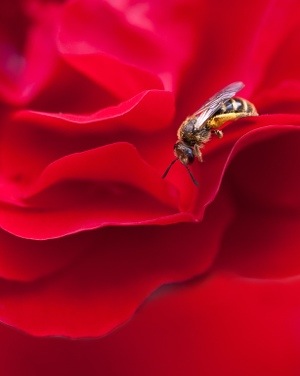
Rose Explorer Best Print in the Exhibition and Best Nature Print.

20120612-164829.jpg
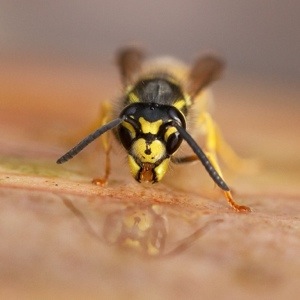
Who, or what, are you? Best Nature PDI

20120612-164912.jpg
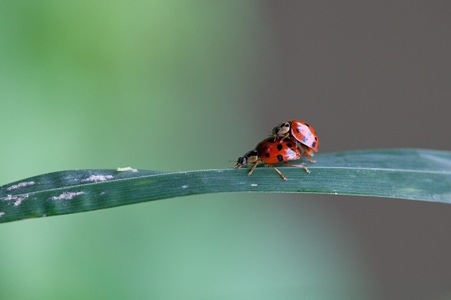
Two Ladybirds Highly Commended print

20120612-164957.jpg
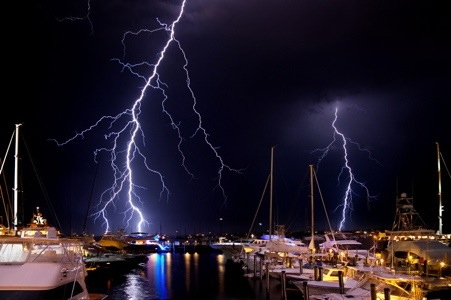
Storm over Nantucket Highly Commended PDI

20120612-165146.jpg
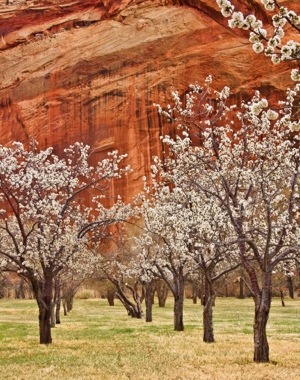
Orchard, Capitol Reef (better edit) Highly Commended PDI

20120612-165507.jpg
Santolina Highly Commended PDI

20120612-165549.jpg
Mirror, mirror on the wall Highly Commended PDI

20120612-165645.jpg
Wild grizzly cub, British Columbia (better edit) Highly Commended PDI

The judge was very encouraging and since the awards presentation on Friday I have begun to think a little more seriously about the possibility of trying for a Royal Photographic Society Associateship. But first, I would like to start making better prints. Until now I have been relying on Redbubble. Their matted prints are good, and nicely mounted. However, I think the time has come to do it myself. If any of you have any tips or printer-recommendations, I’d love to hear them.

Splash!

20120611-184639.jpg

I offer this shot not for its quality but because it reflects the “summer” we are having in England this year! The conclusion to one of my very favourite plays seems a fitting quote. Obviously written by an Englishman. 😉

When that I was and a little tiny boy,
With hey, ho, the wind and the rain,
A foolish thing was but a toy,
For the rain it raineth every day.

But when I came to man’s estate,
With hey, ho, the wind and the rain,
‘Gainst knaves and thieves men shut their gate,
For the rain it raineth every day.

But when I came, alas! to wive,
With hey, ho, the wind and the rain,
By swaggering could I never thrive,
For the rain it raineth every day.

But when I came unto my beds,
With hey, ho, the wind and the rain,
With toss-pots still had drunken heads,
For the rain it raineth every day.

A great while ago the world begun,
With hey, ho, the wind and the rain,
But that’s all one, our play is done,
And we’ll strive to please you every day.

William Shakespeare, Twelfth Night, V.i

The Cathedral of the Thames Valley

20120610-113643.jpg

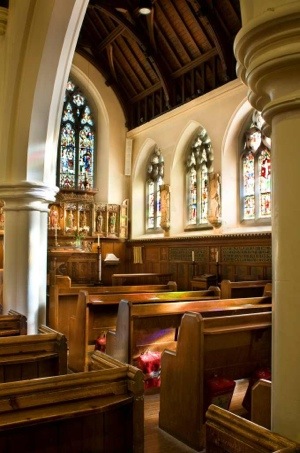
A view of St.James’s, a beautiful Victorian church in Weybridge, Surrey designed by Sir John Loughborough Pearson. This is a series of shots I took in 2009 pro bono to support the renovations work of The Friends of St.James.

20120610-113740.jpg

The Church of Saint Nicholas stood on this site from 1175 until the middle of the nineteenth century. St Nicholas’s was demolished in 1846 and a rebuilding programme was commenced.
The new church was dedicated to Saint James and was consecrated in 1848. Seven years later the Spire was completed, and in 1864 the South Aisle was built. A further eleven years would pass before, in 1875, the ‘Eight Bells’ were dedicated.

20120610-114018.jpg

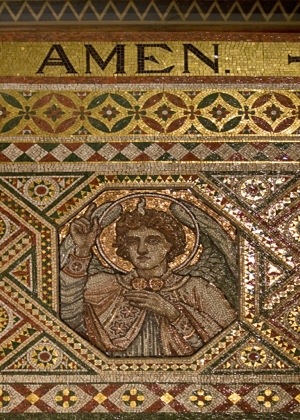
Finally, in 1889, the Chancel was enlarged and the outer South Aisle was added; it was also at this time that the height of the Chancel was increased by roughly ten feet which gave a better harmony to the overall proportions of the building. The interior of the church is a lovely example of arts and crafts design.

20120610-114116.jpg

Installed in the West face of the south aisle is the Sacramental Window. Made from Victorian stained glass, it is probably intended to depict the sacraments of the church. This important window is made after a design by the celebrated pre-raphaelite, Edward Burne-Jones.

20120610-114250.jpg

St.James’s is the work of John Loughborough Pearson. Pearson, 1817-97, was a Gothic Revival architect renowned for his work on churches and cathedrals. Pearson revived and practised the art of vaulting, and acquired in it skill unmatched in his generation. St.James’s has been described as the ‘Cathedral of the Thames Valley’.

20120610-114523.jpg

20120610-120708.jpg

20120610-120756.jpg

Beachy Head Lighthouse

20120609-223034.jpg

This is Beachy Head Lighthouse, East Sussex. I took this shot on a blustery day in May 2010, as scudding clouds created shadow patterns over the shallow water at the base of the chalk cliffs the lighthouse guards. The lighthouse was built in 1902, warning ships of the cliffs with a light at night and its bright stripes by day. In September, Trinity House announced that it could no longer justify the cost of painting the lighthouse, modern navigational aids making this precaution redundant. Needless to say, many people are reluctant to see the lighthouse fade to grey and a campaign has been running ever since to raise the funds to keep this iconic lighthouse beautiful.

Little figure, big world

20120608-100923.jpg
Camber Sands, East Sussex, England

A quick post today to thank two fellow bloggers for nominating me for awards. Thank you, Ann Jasmine at Not Yet Grounded and Rob at In My View for the nominations. I have decided not to participate in blog awards, being averse to anything resembling chain letters. It is reward enough for me that anyone reads my blog. I will, however, take the opportunity to mention some of the lovely blogs I have discovered during my first two months here on WordPress.

Visit The Goat that Wrote for amusing, well-written and well-illustrated tales with a globe trotting and hiking theme.

Tricia A. Mitchell has lived and/or travelled in some of the most fascinating places and she shares her experiences with an unflagging appreciation for all she encounters.

Modern Memory Keeping is a blog about photography packed full of inspiration, tips and beautiful images.

You can’t beat Helen’s Photomania Blog for sheer enthusiasm. I admire the way Helen explores her subjects from every angle, something I could do with learning from her.

Speaking of enthusiasm, Dust Tracks on the Web simply exudes the stuff. Janson generously shares his love of flora and fauna with super images and intelligent and informative text.

Enjoy!

Cowdrey Park ruins

20120607-232652.jpg

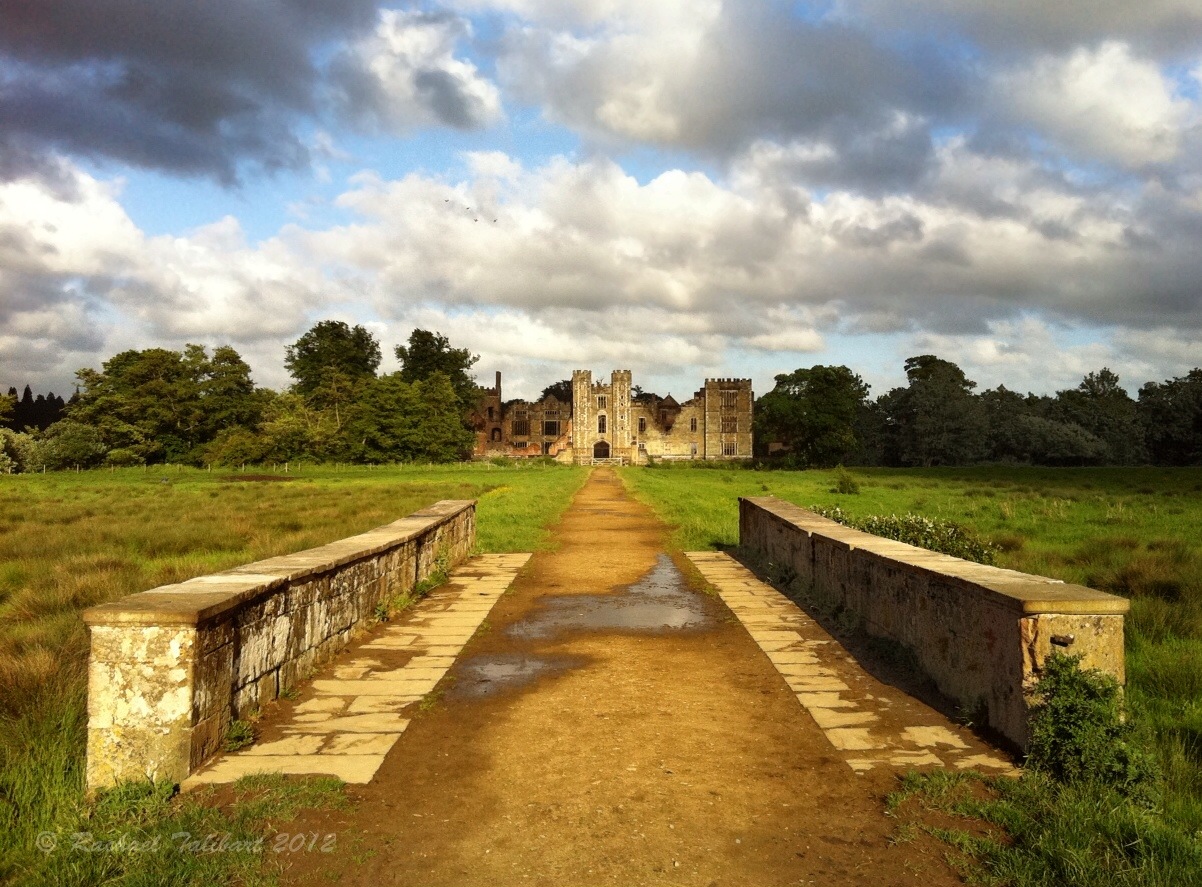
More iphoneography, this time taken today at Cowdrey Park ruins in Midhurst, West Sussex.

20120607-233050.jpg

This atmospheric building was once a magnificent Tudor house, visited by both Henry VIII and Elizabeth I.

20120607-233250.jpg

Today it is part of the Cowdrey Park Estate, probably most famous for being the home of British polo.

More cricket news

20120606-224608.jpg

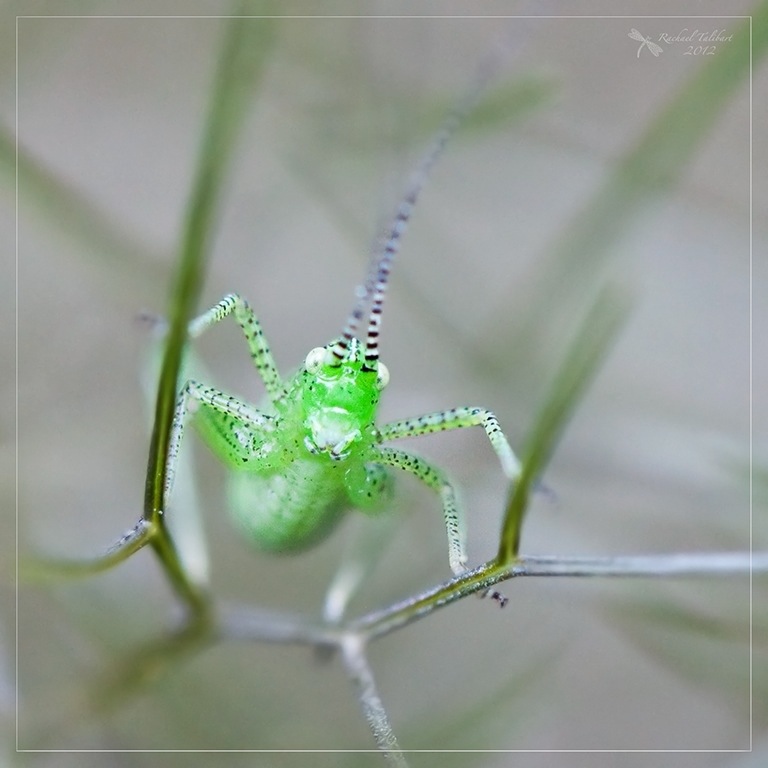
It’s been a couple of weeks since my post about the little speckled bush cricket nymph I found in my herb border. It’s still there, lurking in the fennel, along with three chums. As you can see, it has developed quite a bit in that time and is starting to look a little more like the adult it will become.

20120606-224708.jpg

Incidentally, when I posted my earlier shot of the nymph on Flickr I received a rather picky comment to the effect that it was a shame I had failed to capture it facing me. Ahem, full frontal enough now? 😉

Guildford Castle

20120605-205447.jpg

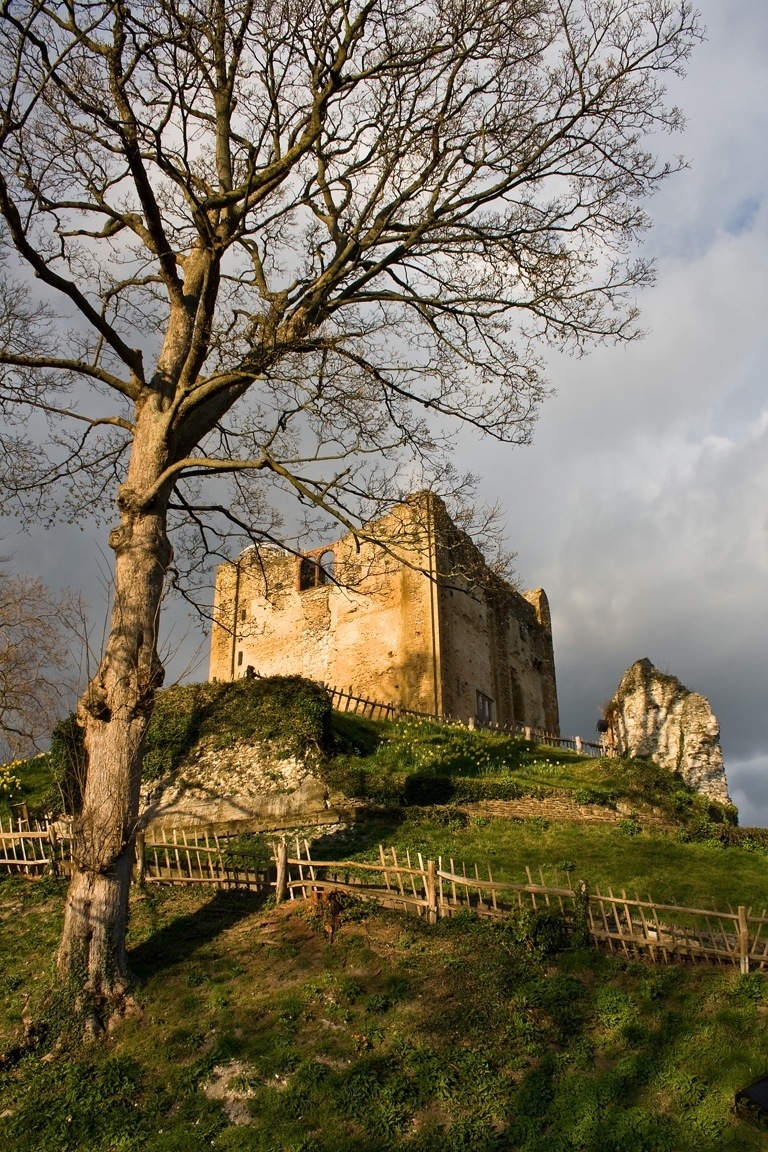
Many eyes across the globe were turned towards our little island this weekend as we celebrated the Queen’s Diamond Jubilee. We may not be a very big nation geographically, or even in terms of power these days, but no one can deny we have a rich and long history. Among the signs of that history are the many castles that still stand right across the country. I do love a good castle so I thought I might do an occasional series about them.

20120605-223449.jpg

Guildford Castle is the closest castle to where I live. It was originally a Norman castle, built shortly after the conquest in 1066. Wooden defences were replaced with stone ones during the 12th century. As the only royal castle in Surrey, Guildford Castle became the centre for the county’s administration and justice and the keep, photographed here, housed the county gaol. However, after Henry III’s death in 1272, the castle fell into decline. In 1885, the ruins were bought by Guildford Borough Council. The keep has been renovated and now contains an interesting display about its history. The grounds are now a lovely park, full of beautiful flowers.

20120605-223539.jpg

Damselfly embrace

20120604-161653.jpg

A male damselfly holds onto the female after mating to prevent other males from inseminating her. Taken in my garden this week.

Dimply damsel, sweetly smiling,
All caressing, none beguiling,
Bud of beauty, fairly blowing,
Every charm to nature owing.

Ambrose Philips, ‘To Miss Margaret Pultenay’ (1727)

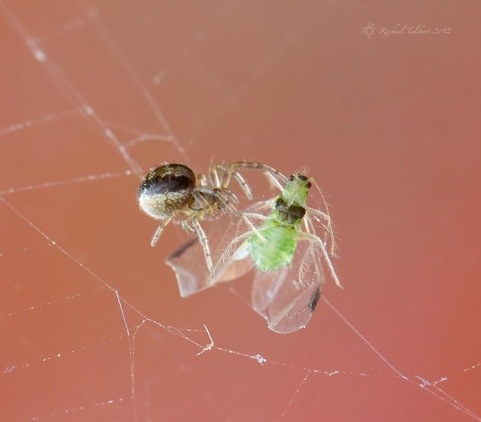
The Spider and the Fly

20120603-101636.jpg

“Will you walk into my parlour?” said the Spider to the Fly,
“‘Tis the prettiest little parlour that ever you did spy;
The way into my parlour is up a winding stair,
And I’ve a many curious things to shew when you are there.”
“Oh no, no,” said the little Fly, “to ask me is in vain,
For who goes up your winding stair can ne’er come down again.”

“I’m sure you must be weary, dear, with soaring up so high;
Will you rest upon my little bed?” said the Spider to the Fly.
“There are pretty curtains drawn around; the sheets are fine and thin,
And if you like to rest awhile, I’ll snugly tuck you in!”
“Oh no, no,” said the little Fly, “for I’ve often heard it said,
They never, never wake again, who sleep upon your bed!”

Said the cunning Spider to the Fly, ” Dear friend what can I do,
To prove the warm affection I’ve always felt for you?
I have within my pantry, good store of all that’s nice;
I’m sure you’re very welcome — will you please to take a slice?”
“Oh no, no,” said the little Fly, “kind Sir, that cannot be,
I’ve heard what’s in your pantry, and I do not wish to see!”

“Sweet creature!” said the Spider, “you’re witty and you’re wise,
How handsome are your gauzy wings, how brilliant are your eyes!
I’ve a little looking-glass upon my parlour shelf,
If you’ll step in one moment, dear, you shall behold yourself.”
“I thank you, gentle sir,” she said, “for what you’re pleased to say,
And bidding you good morning now, I’ll call another day.”

The Spider turned him round about, and went into his den,
For well he knew the silly Fly would soon come back again:
So he wove a subtle web, in a little corner sly,
And set his table ready, to dine upon the Fly.
Then he came out to his door again, and merrily did sing,
“Come hither, hither, pretty Fly, with the pearl and silver wing;
Your robes are green and purple — there’s a crest upon your head;
Your eyes are like the diamond bright, but mine are dull as lead!”

Alas, alas! how very soon this silly little Fly,
Hearing his wily, flattering words, came slowly flitting by;
With buzzing wings she hung aloft, then near and nearer drew,
Thinking only of her brilliant eyes, and green and purple hue –
Thinking only of her crested head – poor foolish thing! At last,
Up jumped the cunning Spider, and fiercely held her fast.
He dragged her up his winding stair, into his dismal den,
Within his little parlour – but she ne’er came out again!

And now dear little children, who may this story read,
To idle, silly flattering words, I pray you ne’er give heed:
Unto an evil counsellor, close heart and ear and eye,
And take a lesson from this tale, of the Spider and the Fly.

Mary Howitt, ‘The Spider and the Fly’ (1829)