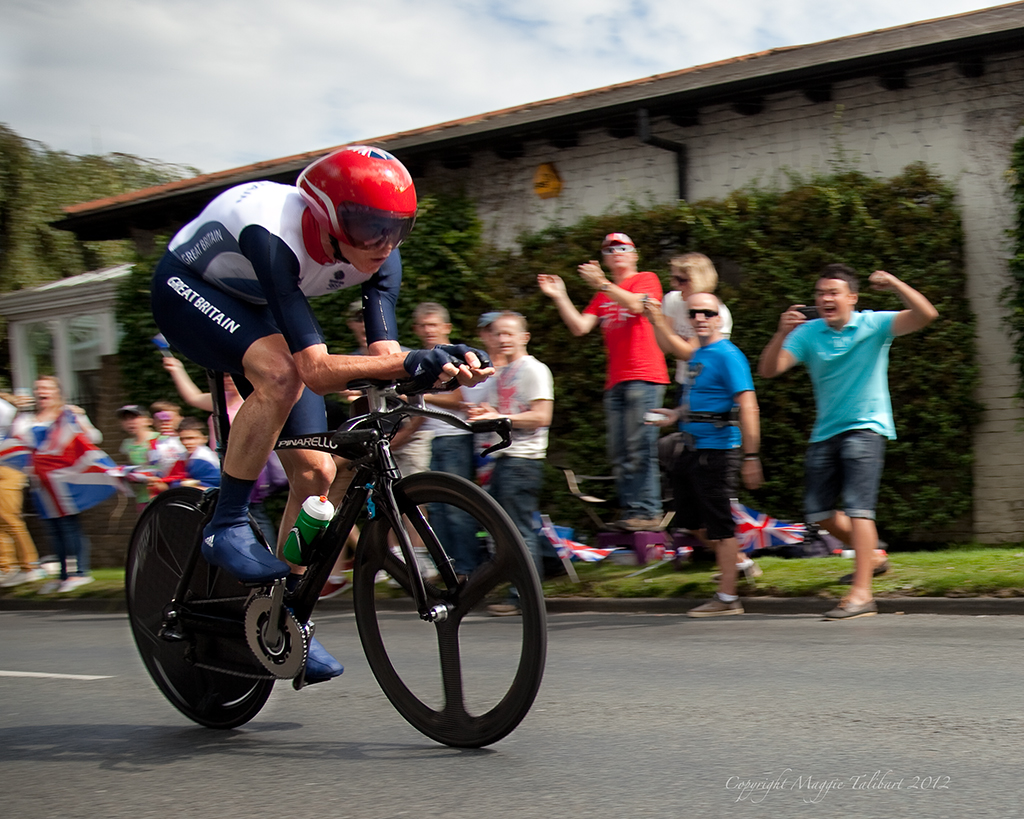
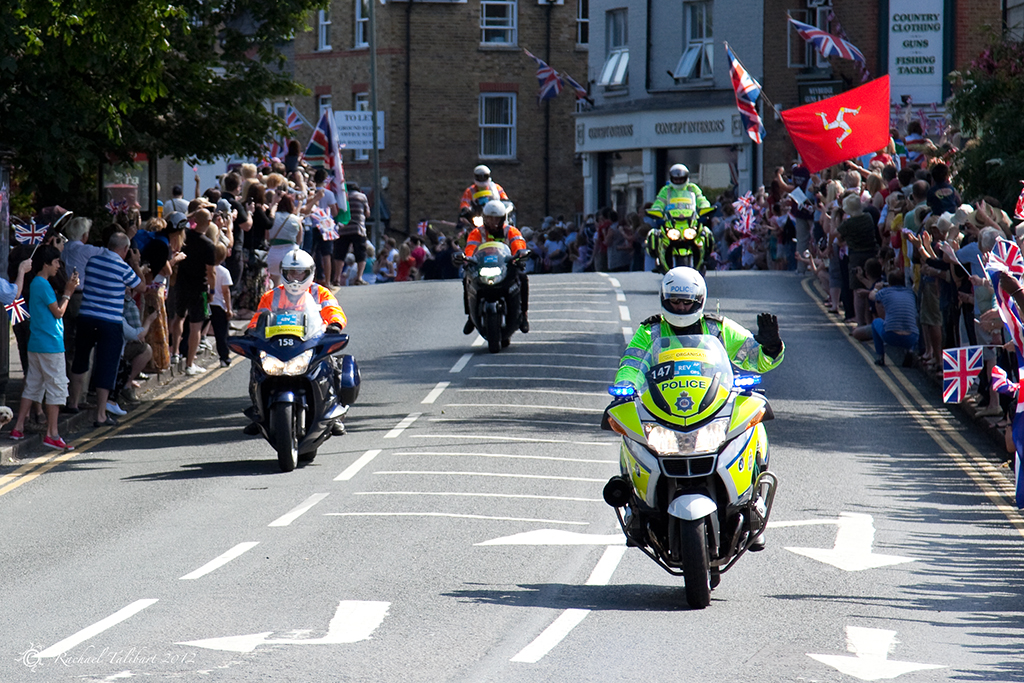
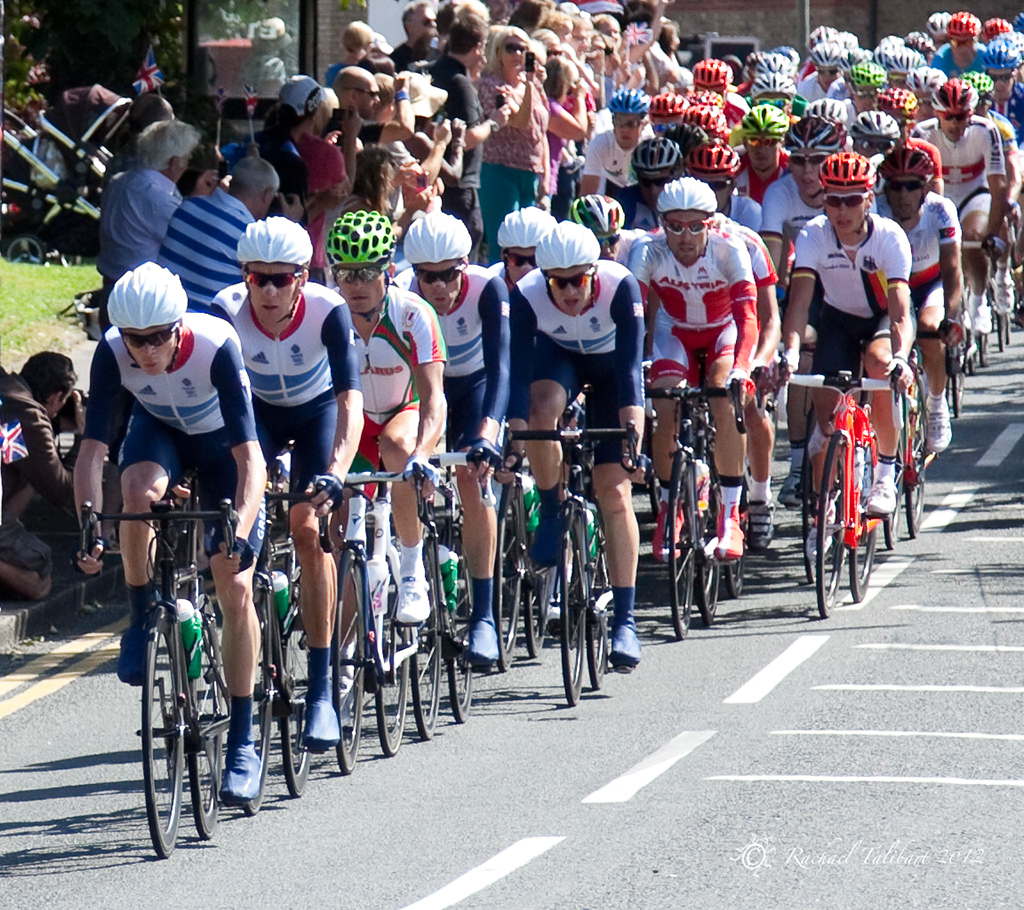
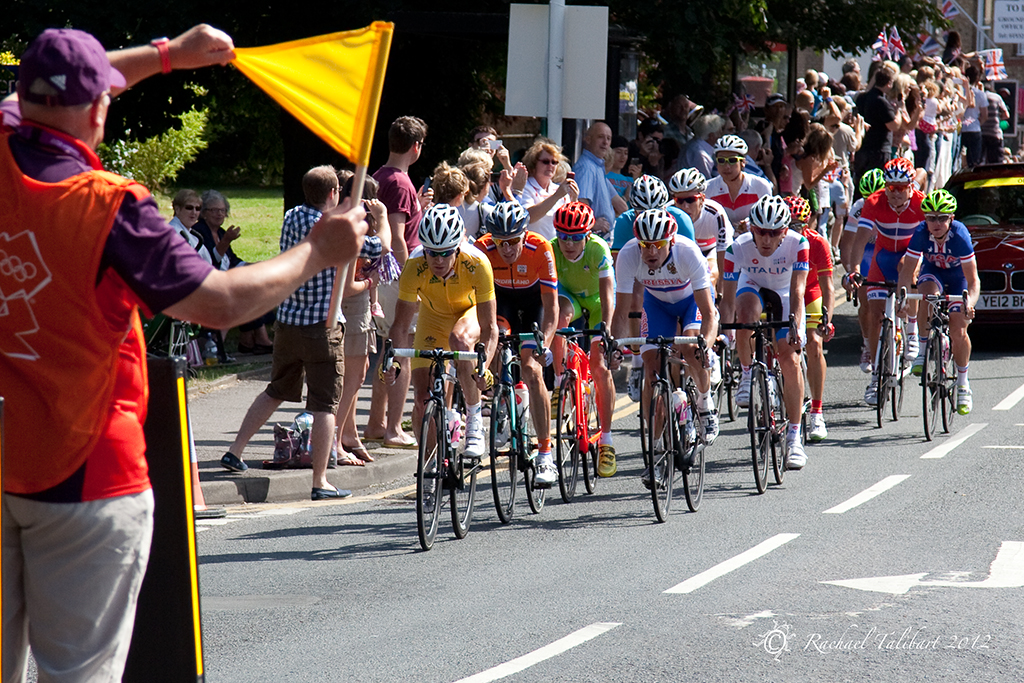
My daughter’s debut shot, a stunning capture of Bradley Wiggins riding to victory in the Olympic time trials today. Well done, Maggie! I am not sure I should let her near my camera again if she is going to be this good. Well done, Bradley and also Christopher Froome (below) for winning Bronze.
Tag Archives: Surrey
The ladies’ turn
Yesterday we enjoyed the men’s Olympic road race as it came through our village, Oatlands, near Weybridge in Surrey. Today it was the ladies’ turn.
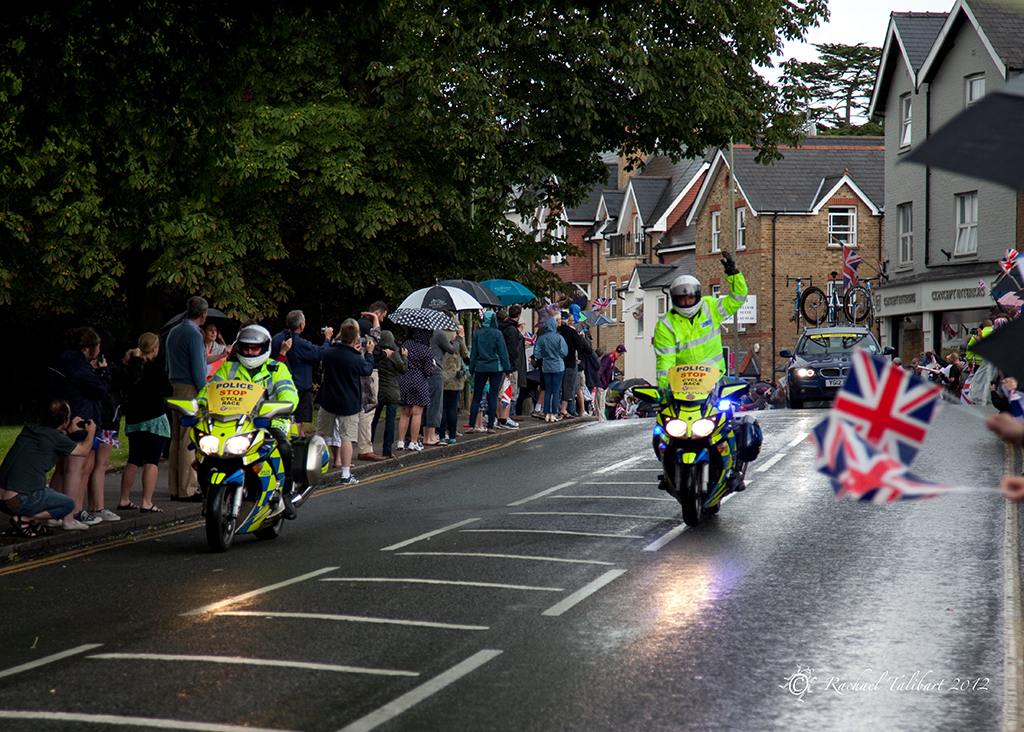
What a difference from yesterday’s sunny weather. Intermittent heavy rain and thunder greeted the women. But even the capricious English weather couldn’t spoil the fun for the hardy onlookers and the Police motorcyclists.
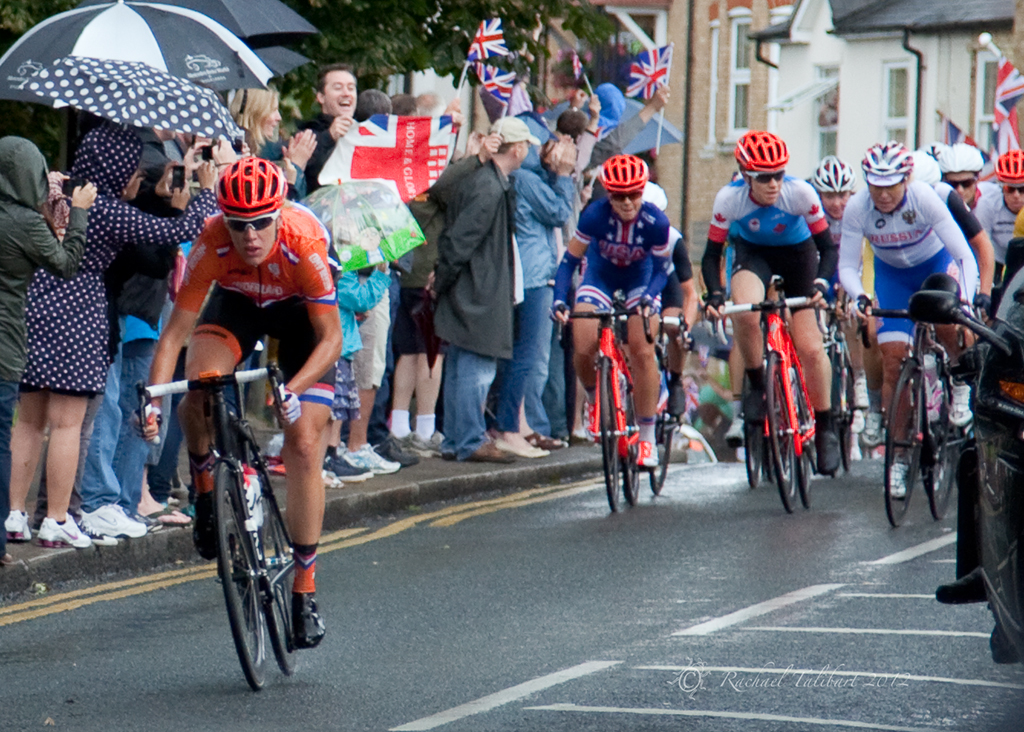
As it came through Oatlands, the pack was still together. Although the Dutch rider was out in front, it was still anyone’s race.
As my other half is Canadian, we cheered two countries on. I hope the Canadian riders saw our huge maple leaf flag!
The race has just finished. Congratulations to Vos who won gold for the Netherlands but also to our own Lizzie Armitstead for bringing home a silver! Well done to all the hardy cyclists in a very wet race.
Next Olympic fun for us: the time trials on Wednesday!
Olympic road race!
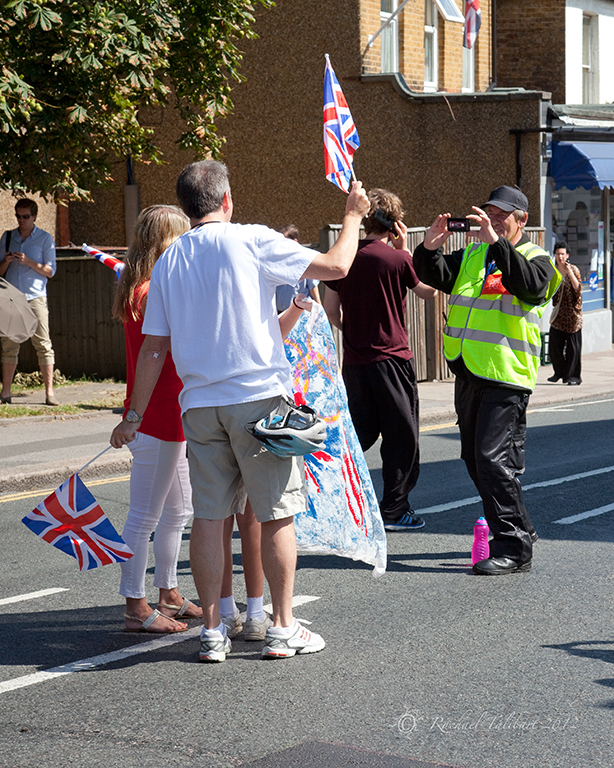
The Olympics got off to an exciting start for us today as the road race came through our village, Oatlands, Weybridge, Surrey.
The motorcycle riders who preceded the cyclists were very jolly, waving to the crowd and sounding their sirens or horns. One even zig zagged down the road, much to the crowd’s delight.
It was very exciting when the cyclists finally appeared.
One of the USA riders seems to be staring at me but he is in fact looking at another rider moving up to his left, out of frame.
Twelve riders were out in front as the race came through Oatlands.
But at this early stage there was still everything to race for.
The Columbian rider caught here near the very back is Rigoberto Uran who come through to collect the Silver medal.
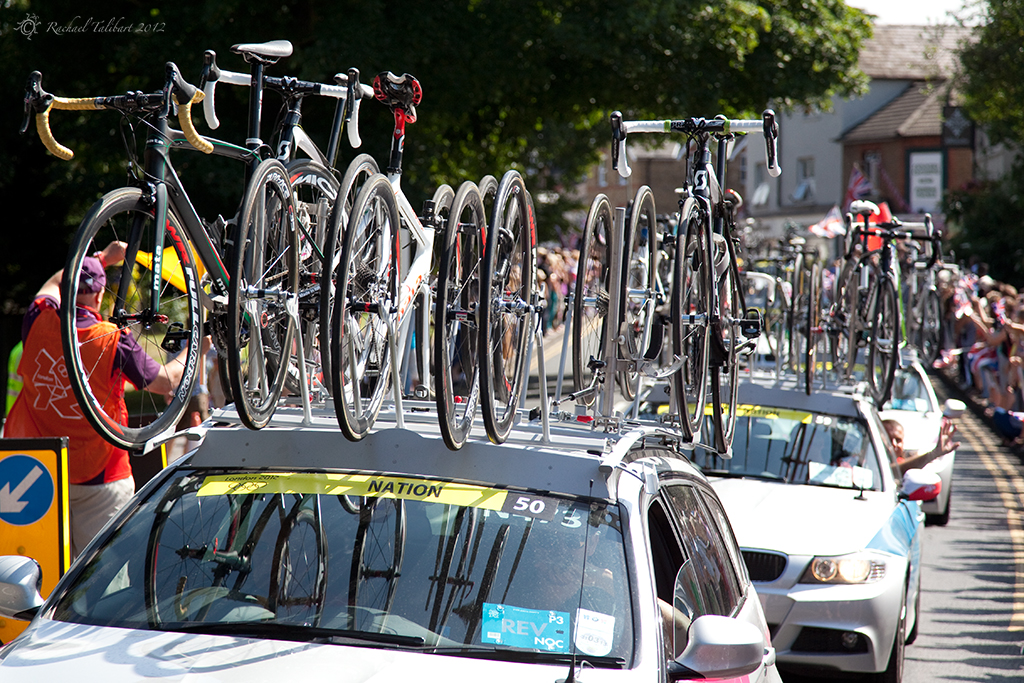
After the riders came all the support vehicles and a multitude of spare bikes and wheels. Notice how the shadows bottom left seem to be forming some Olympic rings?
Afterwards the crowds dispersed in very good cheer.
The stewards were really friendly and good humoured – doing a great job.
Tomorrow it’s the ladies’ turn and we’ll be there cheering them on.
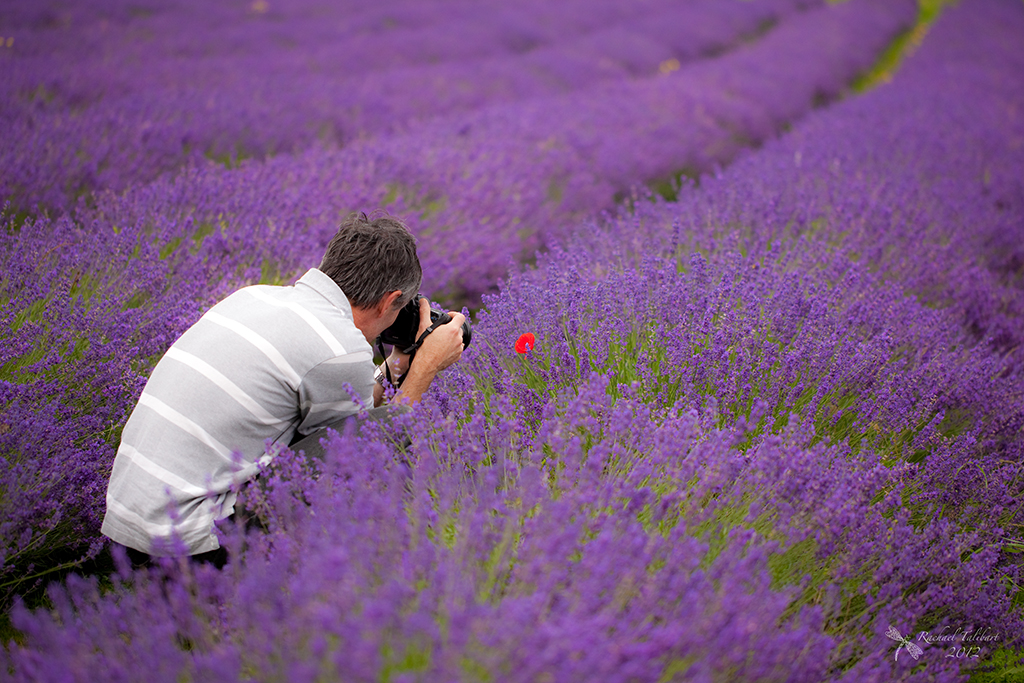
Mayfield Lavender
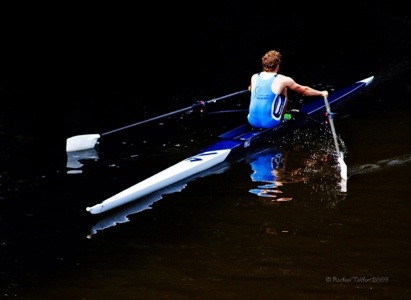
Weightless in water, swift as the wind

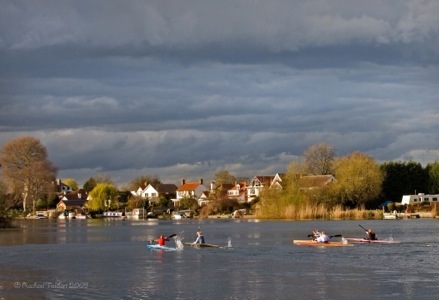
I live in a town on the confluence of rivers. Water is a significant part of my local landscape and so is rowing.

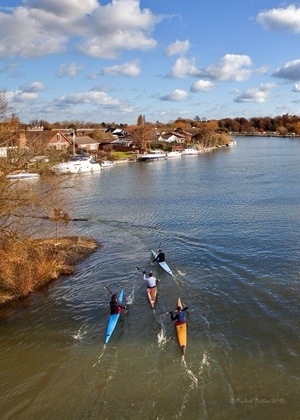
In any weather, the hardy rowers can be found ploughing a furrow through the Thames.

We are a nation of rowers and Surrey is in the heart of rowing country.

We like to do well at rowing in international competitions. This year, there is a small sporting event taking place on home soil, and water. You may have heard if it.

Hopefully, we will do well. But however we do, the rowers will still be out on the Thames, doing their thing, every day.
“How fared it with the wind,” I said, “when stroke increased the pace?
You swung it forward mightily, you heaved it greatly back.
Your muscles rose in knotted lumps, I almost heard the crack.
And while we roared and rattled too, your eyes were fixed like glue.
What thought went flying through your mind, how fared it, Five, with you?”
But Five answered solemnly, “I heard them fire a gun.
No other mortal thing I heard until the Race was done.”
R.C. Lehman
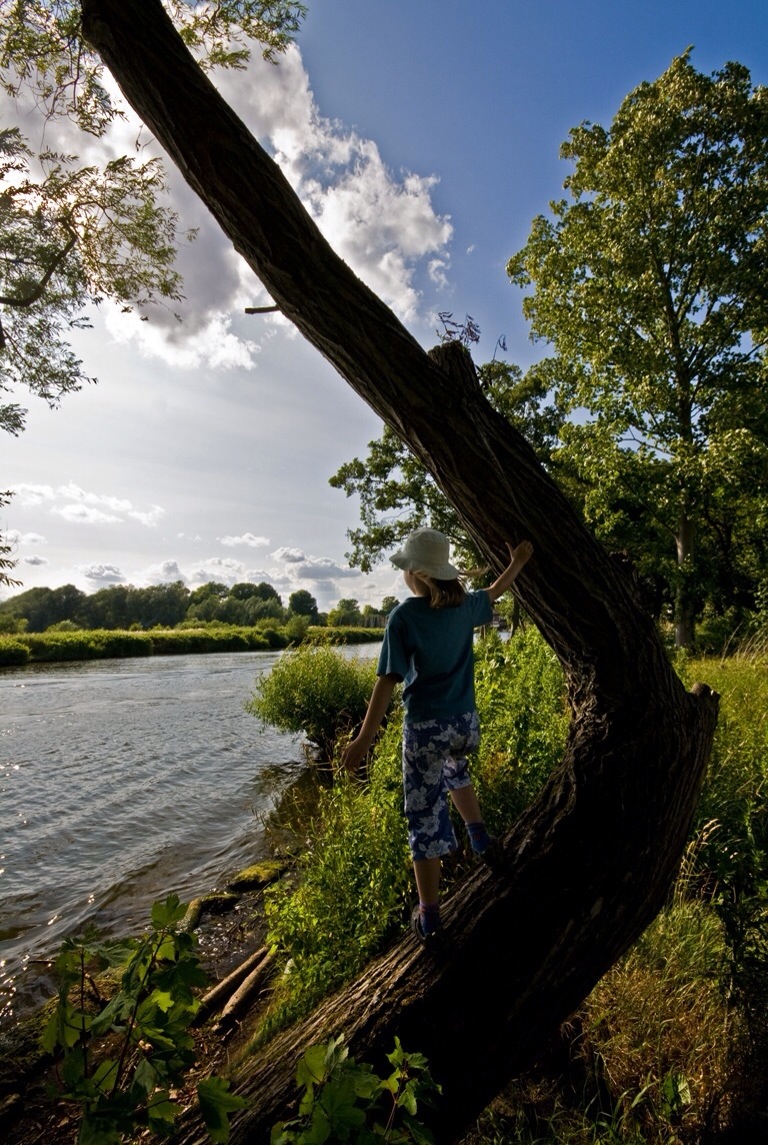
Intrepid explorer

After hacking through the forbidding jungle, the intrepid explorer finally came upon the mighty river.
“…les jeux d’enfants ne sont pas jeux: et les faut juger en eux, comme leurs plus serieuses actions.”
Children at play are not merely playing; their games should be seen as their most serious actions.
Michel de Montaigne (1533-1592)
Reigate
We spent yesterday in Reigate, a quiet market town in North Surrey. The only camera I had with me was my iPhone so, in the true tradition (if there has been enough time for there to be a tradition) of iPhoneography, I have lightly edited the images on my iPad and uploaded directly from there.
Reigate has the remains of a castle so I get to continue my series on castles. The castle was built in the eleventh century and fell into decay in the seventeenth. None of the stonework remains but the earthworks have been turned into a pretty, and peaceful garden.
Underneath the castle gardens is a network of caves. The most well-known, The Barons’ Cave, is reputed to have been a meeting place for the barons who devised the Magna Carta. The stone pyramid in the top photographs guards an underground
sallyport.
The few remains of the castle were removed in 1777 when the land was converted into a garden. The mock medieval gateway was built at that time.
We thoroughly enjoyed our day in Reigate. The town has a lot of interesting independent shops, a fine array of eateries and an Everyman cinema (in which we saw Prometheus). Best of all, the sun shone: a rare event here this summer!
The Cathedral of the Thames Valley
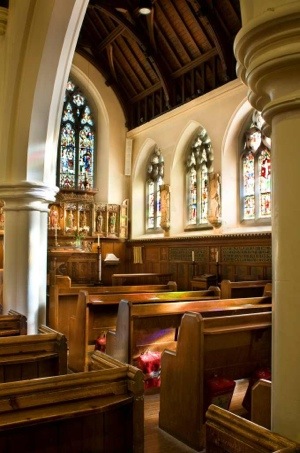
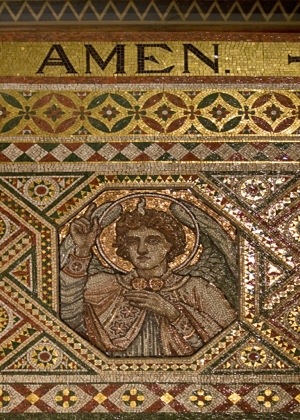
A view of St.James’s, a beautiful Victorian church in Weybridge, Surrey designed by Sir John Loughborough Pearson. This is a series of shots I took in 2009 pro bono to support the renovations work of The Friends of St.James.
The Church of Saint Nicholas stood on this site from 1175 until the middle of the nineteenth century. St Nicholas’s was demolished in 1846 and a rebuilding programme was commenced.
The new church was dedicated to Saint James and was consecrated in 1848. Seven years later the Spire was completed, and in 1864 the South Aisle was built. A further eleven years would pass before, in 1875, the ‘Eight Bells’ were dedicated.
Finally, in 1889, the Chancel was enlarged and the outer South Aisle was added; it was also at this time that the height of the Chancel was increased by roughly ten feet which gave a better harmony to the overall proportions of the building. The interior of the church is a lovely example of arts and crafts design.
Installed in the West face of the south aisle is the Sacramental Window. Made from Victorian stained glass, it is probably intended to depict the sacraments of the church. This important window is made after a design by the celebrated pre-raphaelite, Edward Burne-Jones.
St.James’s is the work of John Loughborough Pearson. Pearson, 1817-97, was a Gothic Revival architect renowned for his work on churches and cathedrals. Pearson revived and practised the art of vaulting, and acquired in it skill unmatched in his generation. St.James’s has been described as the ‘Cathedral of the Thames Valley’.
Guildford Castle
Many eyes across the globe were turned towards our little island this weekend as we celebrated the Queen’s Diamond Jubilee. We may not be a very big nation geographically, or even in terms of power these days, but no one can deny we have a rich and long history. Among the signs of that history are the many castles that still stand right across the country. I do love a good castle so I thought I might do an occasional series about them.
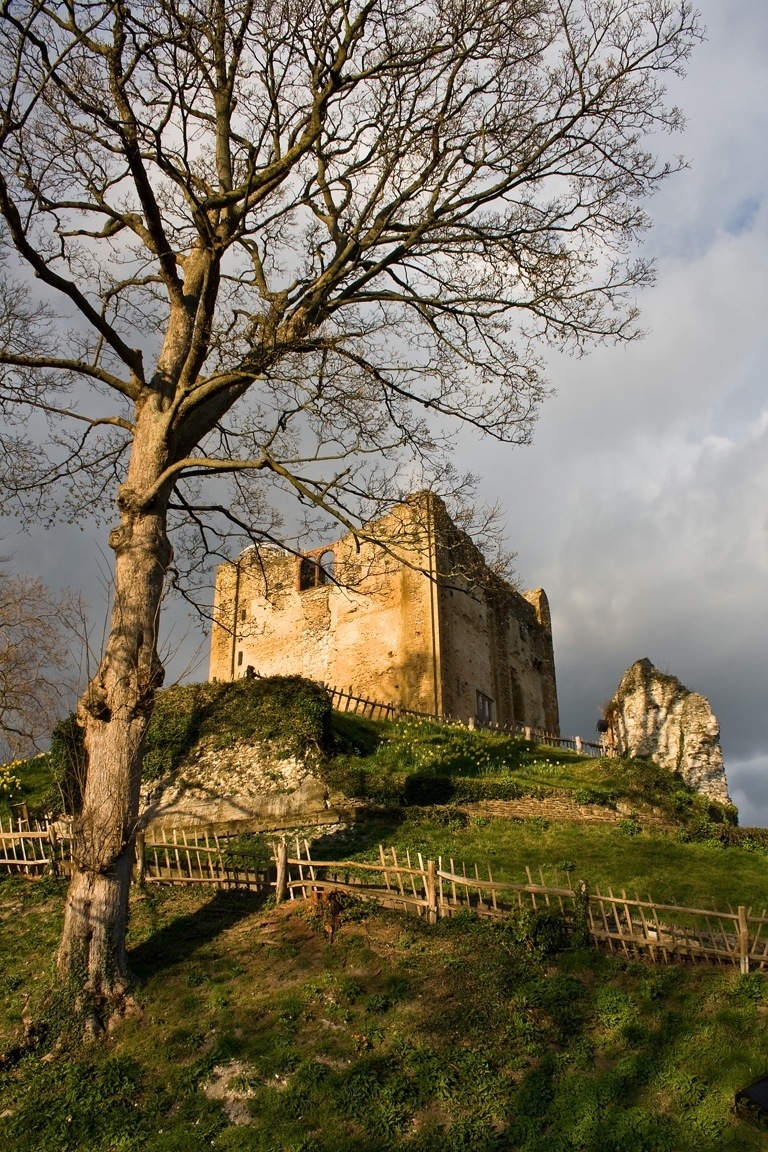
Guildford Castle is the closest castle to where I live. It was originally a Norman castle, built shortly after the conquest in 1066. Wooden defences were replaced with stone ones during the 12th century. As the only royal castle in Surrey, Guildford Castle became the centre for the county’s administration and justice and the keep, photographed here, housed the county gaol. However, after Henry III’s death in 1272, the castle fell into decline. In 1885, the ruins were bought by Guildford Borough Council. The keep has been renovated and now contains an interesting display about its history. The grounds are now a lovely park, full of beautiful flowers.
Walk this Wey: Thames Lock
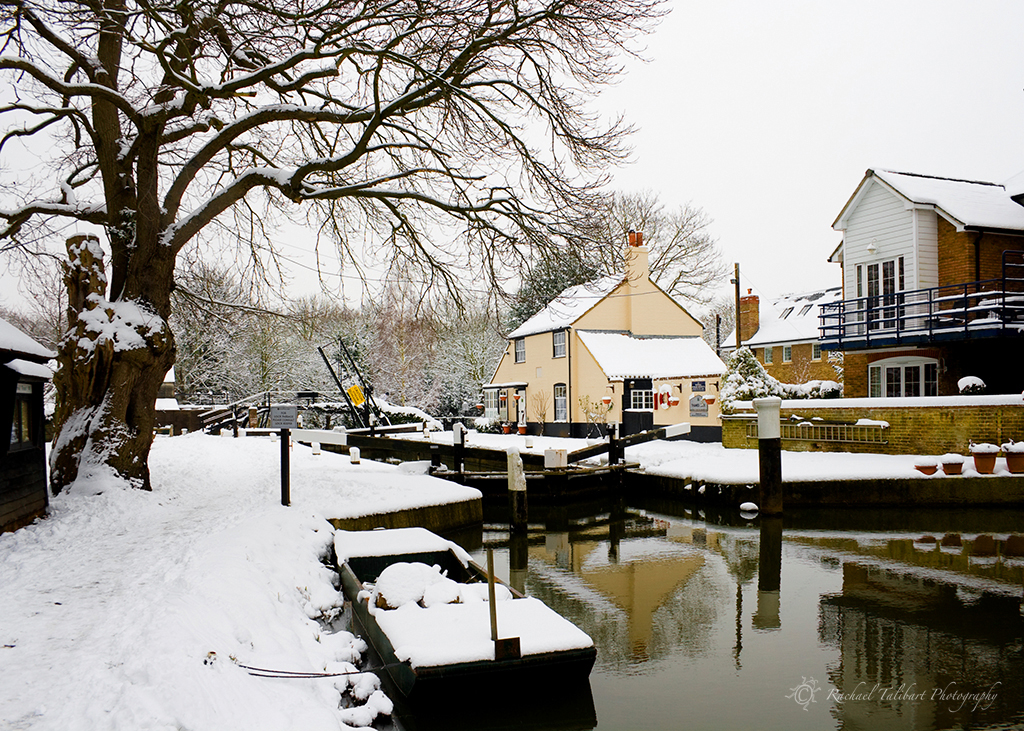
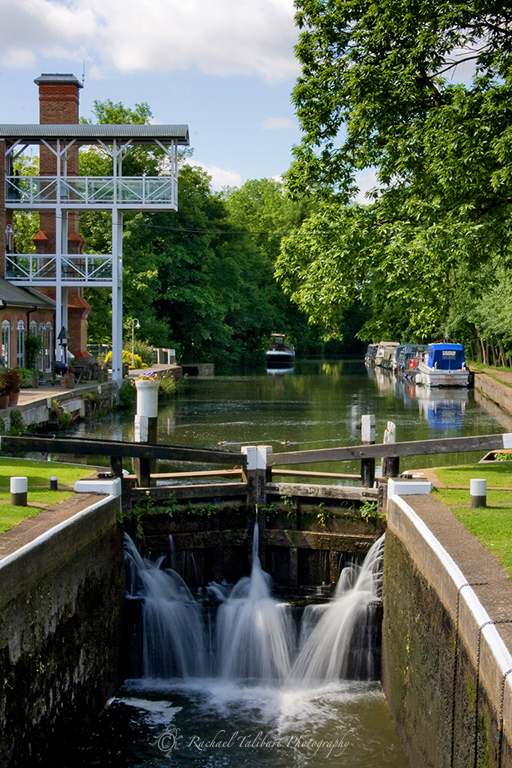
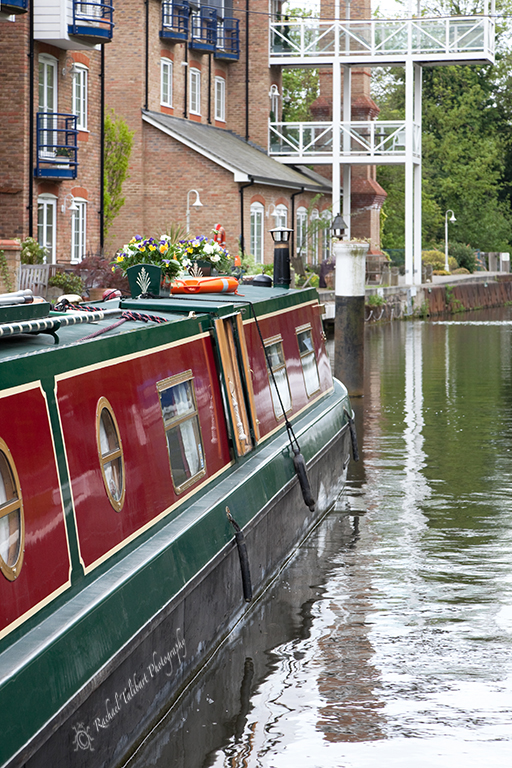
Today’s post is about one of my favourite local places, Thames Lock in Weybridge, Surrey. Thames Lock is the first lock of the Wey and Godalming Navigations. One of Britain’s earliest man-made navigable waterways, the Navigations, which run for just under 20 miles from the Thames at Weybridge to Godalming, preceded the canal age by a century. Now owned and managed by the National Trust, the Navigations and their towpath provide a tranquil green corridor through some of Surrey’s most built up areas and a pleasant, easy route through some of its loveliest countryside.
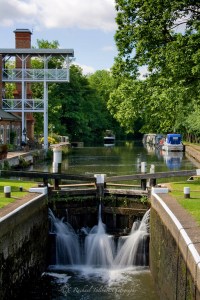
The Navigations were the brainchild of Sir Richard Weston of Sutton Place. The first ten miles from the Thames were opened in 1653 and extended to Godalming by 1764. The principal cargo was timber from Surrey’s forests destined for the shipbuilding yards on the banks of the Thames. But the Navigations were also an important route for the transport of wheat, flour and numerous other cargoes, including, in the early 1920s, a number of aircraft from Brooklands. Today, the Navigations are plied by pleasure boats rather than commercial barges and the towpath is frequented by walkers and cyclists rather than the horses that used to pull the barges.
The entrance to the Navigations from the Thames at Weybridge is misleadingly insignificant in appearance, barely noticeable but for the sign on a post in the river. Yet it is the location for an exciting passage in local writer, H G Wells’s classic, The War of the Worlds, which concludes as follows:
‘I staggered through the leaping, hissing water towards the shore. Had my foot stumbled, it would have been the end. I fell helplessly, in full sight of the Martians, upon the broad, bare, gravelly spit that runs down to mark the angle of the Wey and Thames. I expected nothing but death.’ (1898)
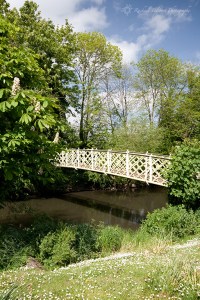
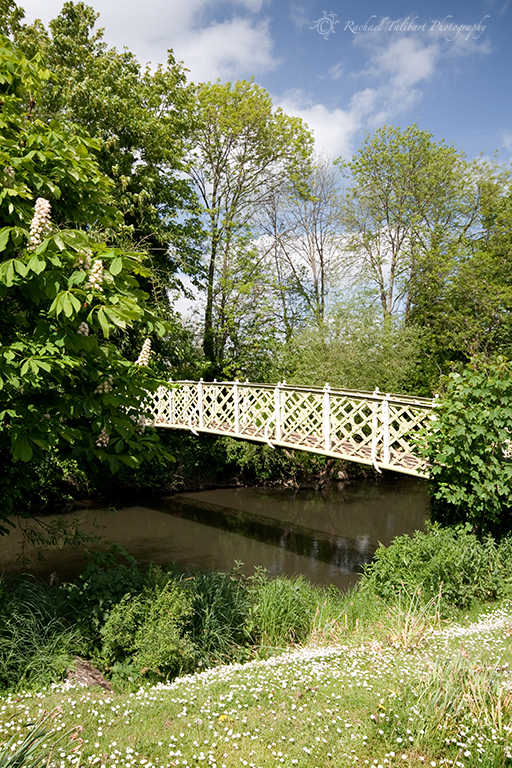
While not as challenging as evading Martian invaders, finding Thames Lock, where the towpath begins, can be difficult on foot. A path, known as Church Walk, runs from the side of the Old Crown, a 17th century Grade II listed pub on Thames Street to Radnor Road. The lock can be reached either via Jessamy Road, which bisects Church Walk or, further along Church Walk, via a small path to the right that leads over a pretty white and green footbridge.
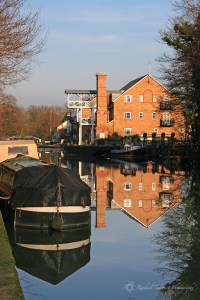
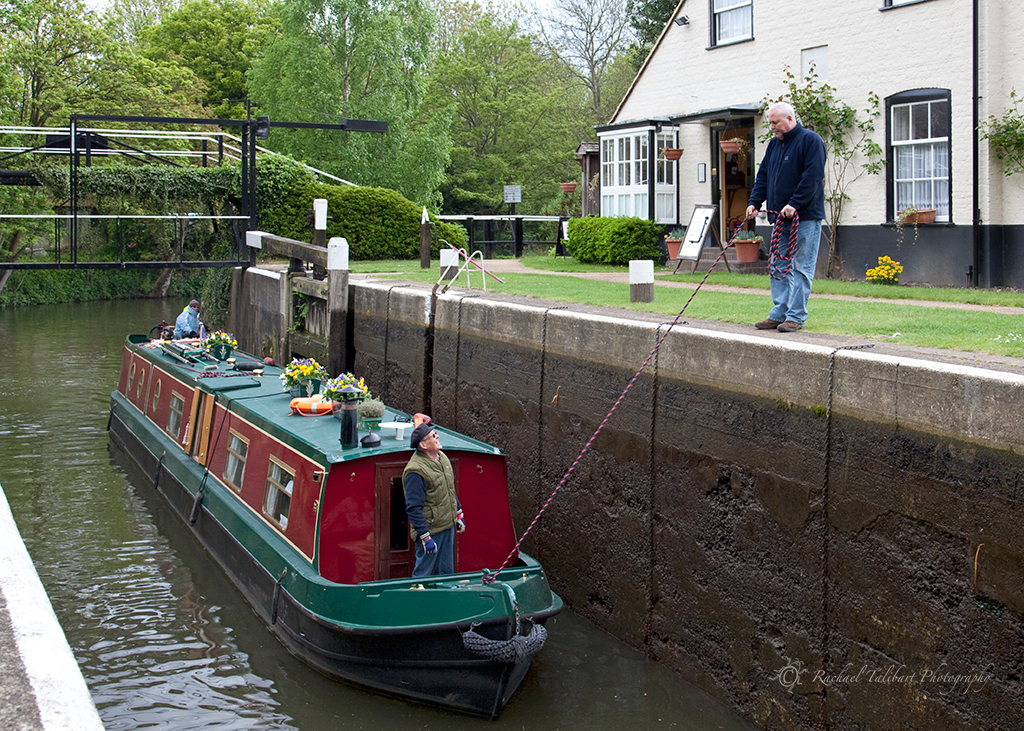
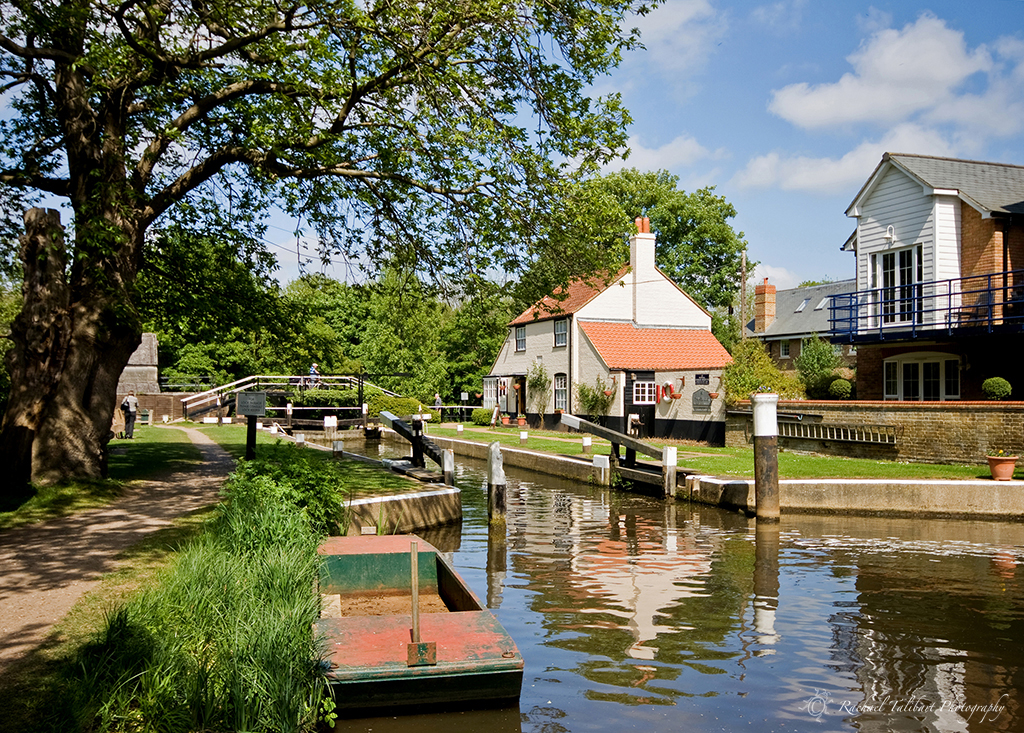
Both routes lead to Whittet’s Ait, an island between the River Wey and the Navigations. If you follow the gravel footpath beside the public park there, you will come to the lock. It is a delightful spot, with benches on which you can while away a few minutes or hours watching narrow boats negotiate the lock. In spring and summer, planters outside the lock keeper’s cottage froth with flowers and it is not unusual to find a local artist at work capturing the idyllic scene.
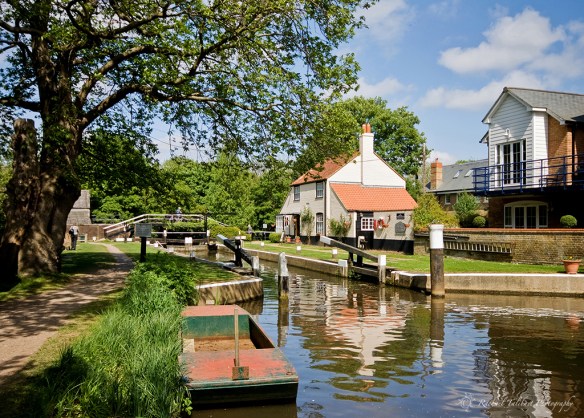
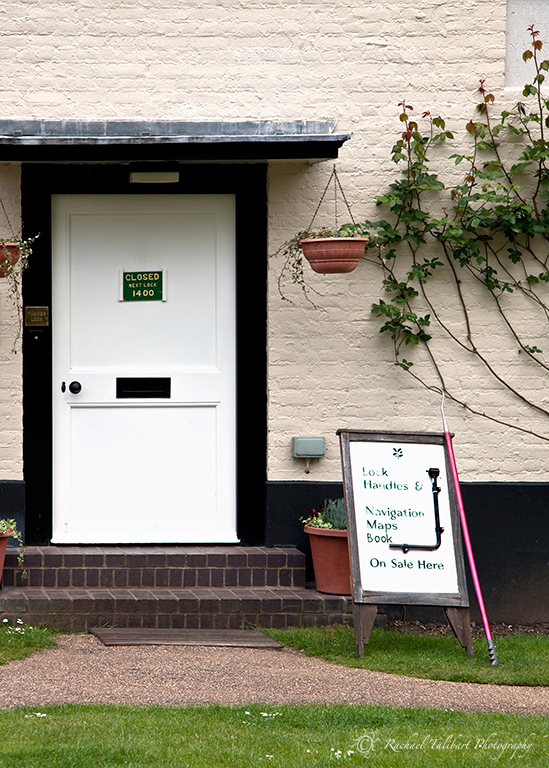
The towpath begins on the other side, accessed via an iron bridge over the lock. Before crossing, however, it is worth stopping at the lock keeper’s cottage where a free map can be obtained and you can buy a booklet of circular walks along the Navigations.
The present cottage was built by the National Trust in 1975 as a replica of its eighteenth century predecessor. On the other side of the lock, beside the towpath, stand the stables that used to shelter the horses as they waited for the next barges to arrive. Now they contain a small display on the history and wildlife of the Navigations.
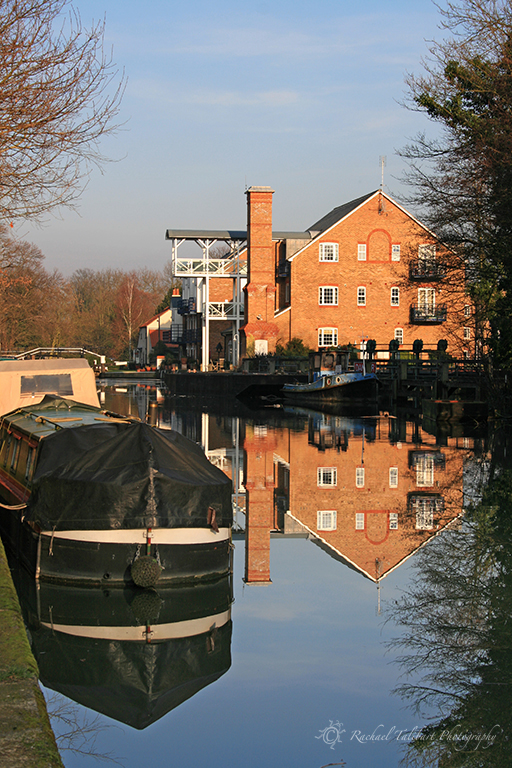
Next to the Lock stands a development of waterside apartments on what was the site of paper, iron and oil seed mills from 1791 to 1963 when the last of many fires on the site finally put paid to further milling. One account of the fire describes how the water was alight with the highly flammable oil.
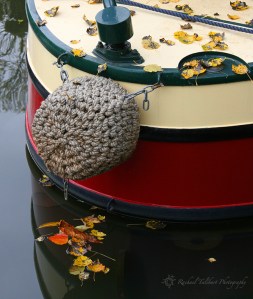
The Navigations are an important habitat for wildlife, from beautiful damselflies …

… to slightly more weird and wonderful critters.

You may even meet an occasional ship’s dog.