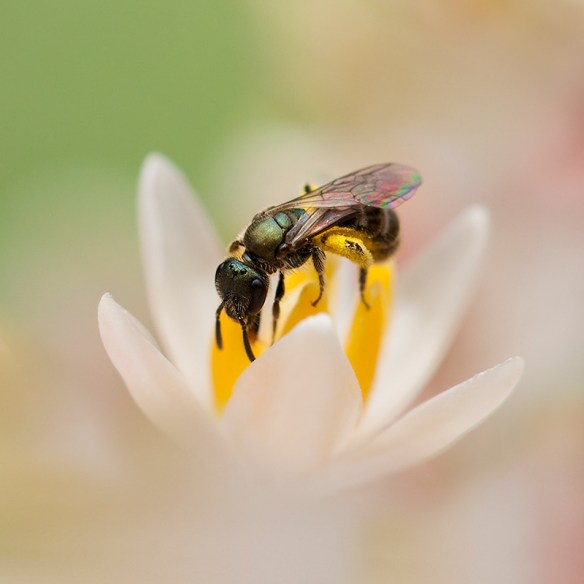
I am delighted that this little bee has been Commended in the International Garden Photographer of the Year competition. Halictus bees are some of the smallest bees we have in the UK, only about 6mm long. Small but rather pretty.

I am delighted that this little bee has been Commended in the International Garden Photographer of the Year competition. Halictus bees are some of the smallest bees we have in the UK, only about 6mm long. Small but rather pretty.

I liked this image of Western Australia’s Pinnacles desert for today’s post if only because there is no water in it whatsoever.
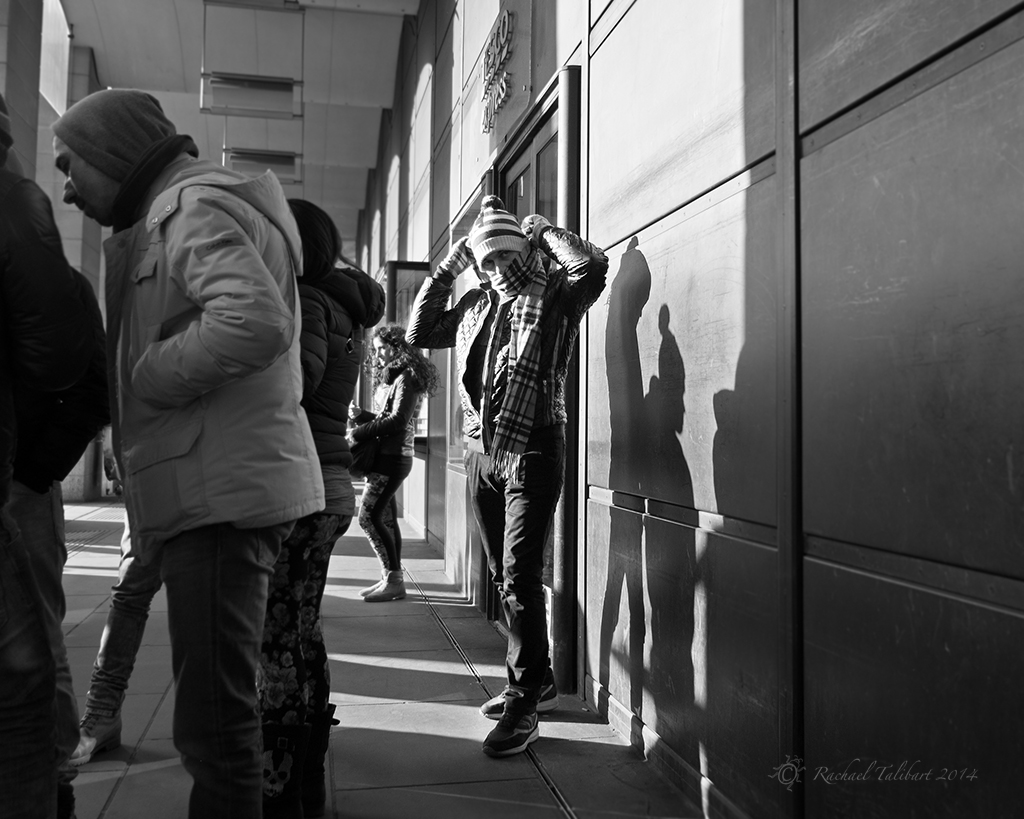
Muffling up for the journey home
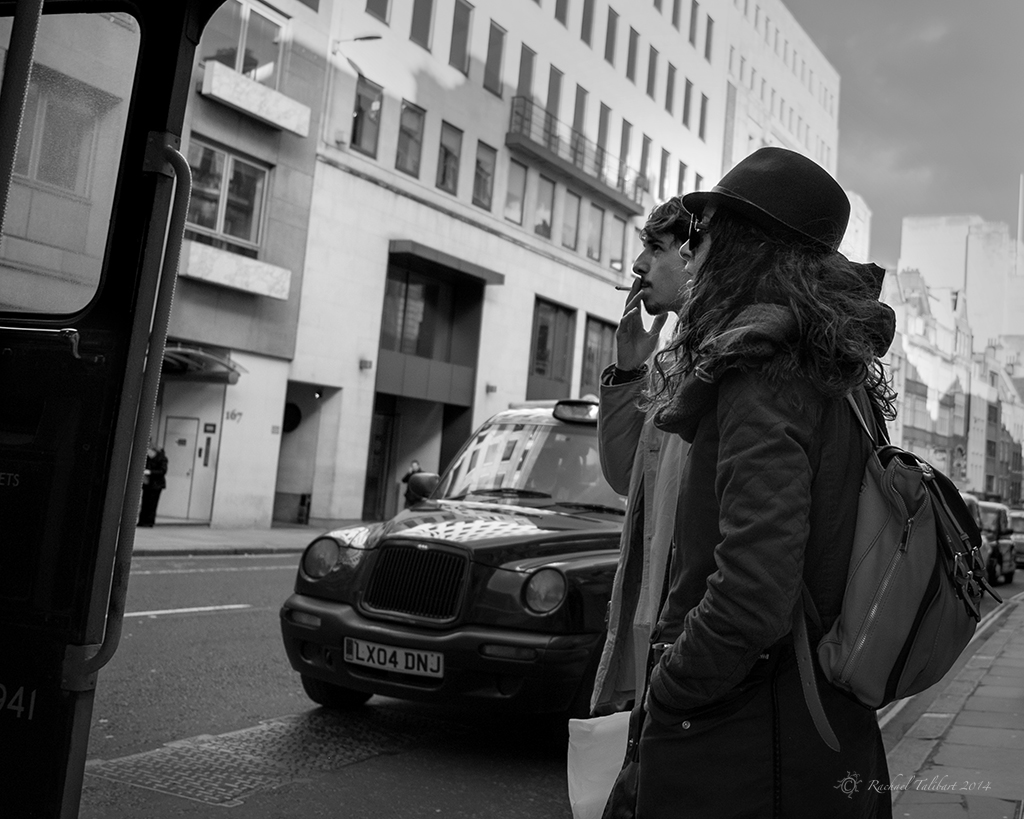
No room on the bus
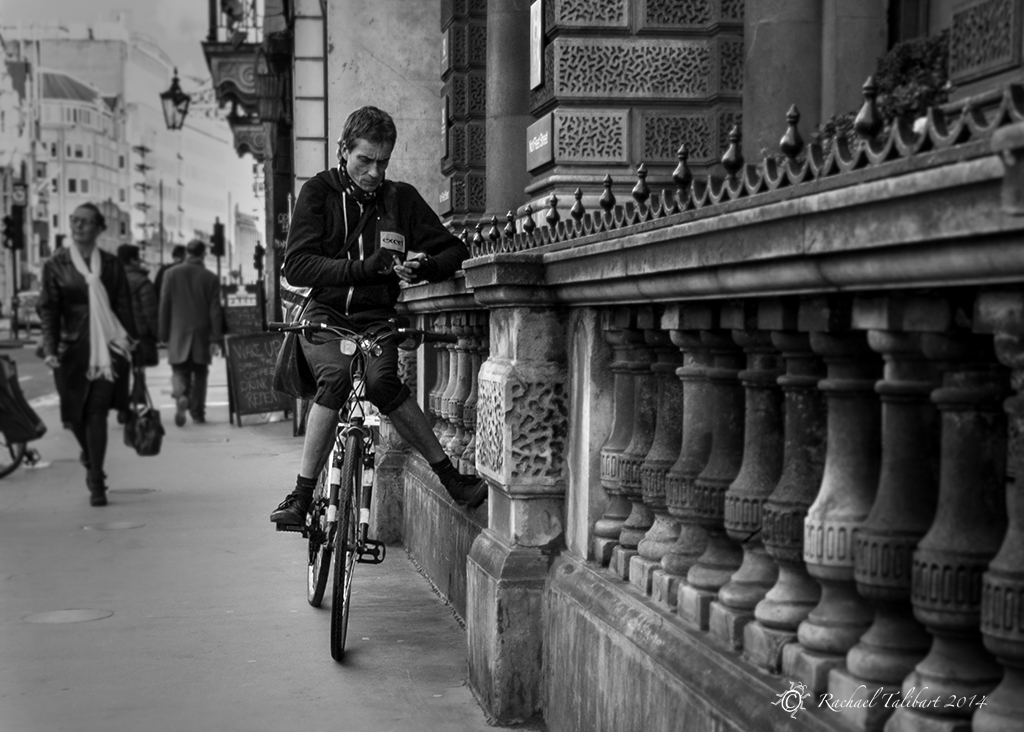
Messages for the messenger

The evening headline

Welcome to the weekend

The lost weekend
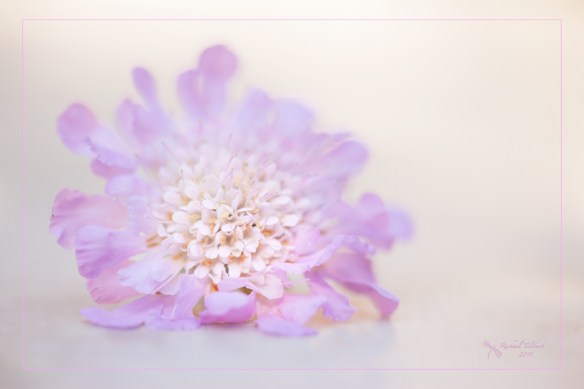
Time for some girliness.

Possibly the most photographed boat shed in the world. But, still, it had to be done.
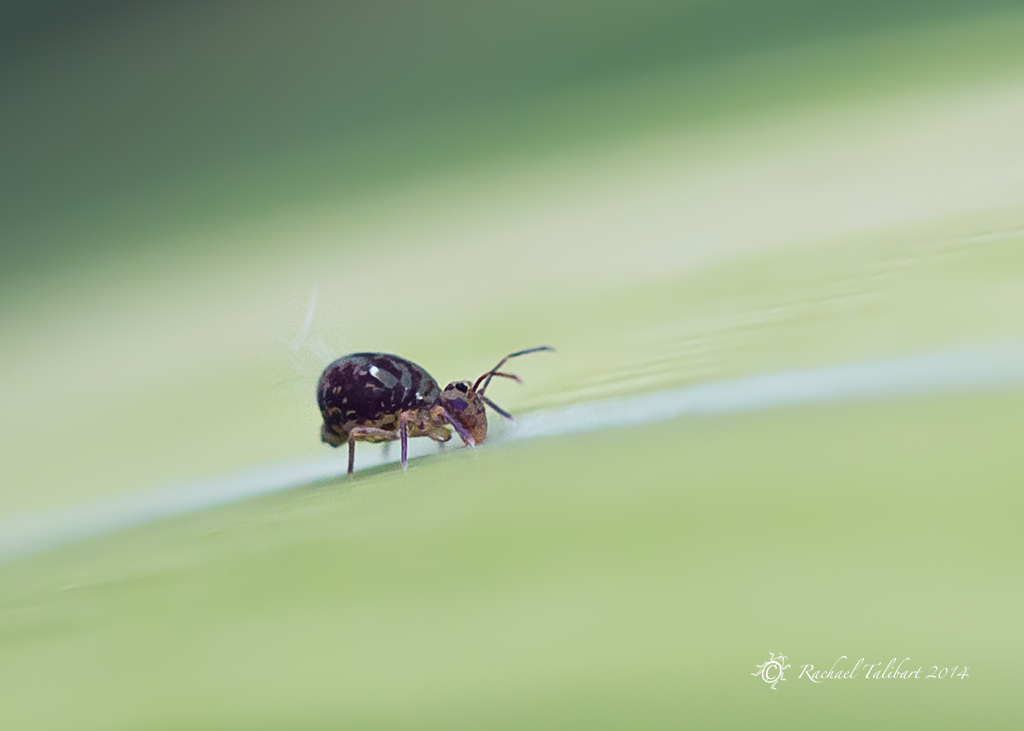
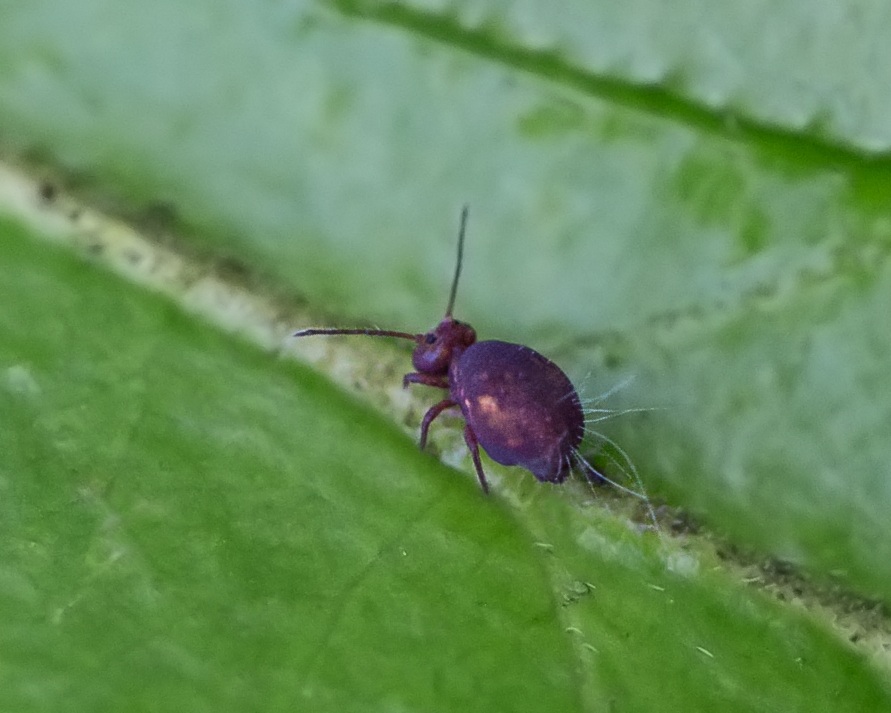
This little critter is a globular springtail (Dicyrtomina saundersi). At about 2mm long, it’s a tiny member of the garden wildlife fraternity. You can’t see it clearly in this image but it has a hairy behind, illustrated in the otherwise terrible shot below.
Before macro photography took its hold on me, I didn’t know these little beasts existed. They aren’t even insects. And there are loads of them, everywhere. The shot below is of a raft of assorted springtails that I found floating in a pink bucket outside the back door. I think there are 32 individuals here. Thanks to the springtail experts on Flickr, I can identify many of them:
Sminthurinus niger
Sminthurinus aureus
Dicyrtomina saundersi
Dicyrtomina ornata
Dicyrtoma fusca
Tomocerus minor
assorted Isotomidae.
There are also a couple of psocids (bark flies), which I have photographed before.

I discovered that buckets of water are often fatal because springtails, so named because of the way they leap, are unable to choose the direction of their spring. If they end up in deep water they can become trapped by meniscus effect and die. Of course, I rescued my models (how could I not after they posed so nicely) and released them onto some leaf litter.
Now that my eye is learning to spot ever smaller garden beasts, I also found this little alien, a plant hopper nymph. Odd little thing, again no more than 2mm.

But if you google planthopper nymph, and select images, you will quickly see that this little fella doesn’t even merit an honourable mention in the roll call of strangeness.
For these images I have used my macro lens and cropped in but to get decent detail with something this small, I really need to get closer than 1:1. Canon do a nifty lens that gets you as much as 5x magnification, although I gather it is a tricky thing to use. I don’t have one but I do have my trusty, and inexpensive Raynox, so for the next garden safari, I will bring it along.
Back to Australia tomorrow.

The last couple of days have been really foul here – loads more rain that our already saturated landscape really didn’t need, and unremitting grey skies. But on Tuesday, as the weather front rolled slowly in over the Surrey countryside, Jen and I were treated to some seriously epic skies.
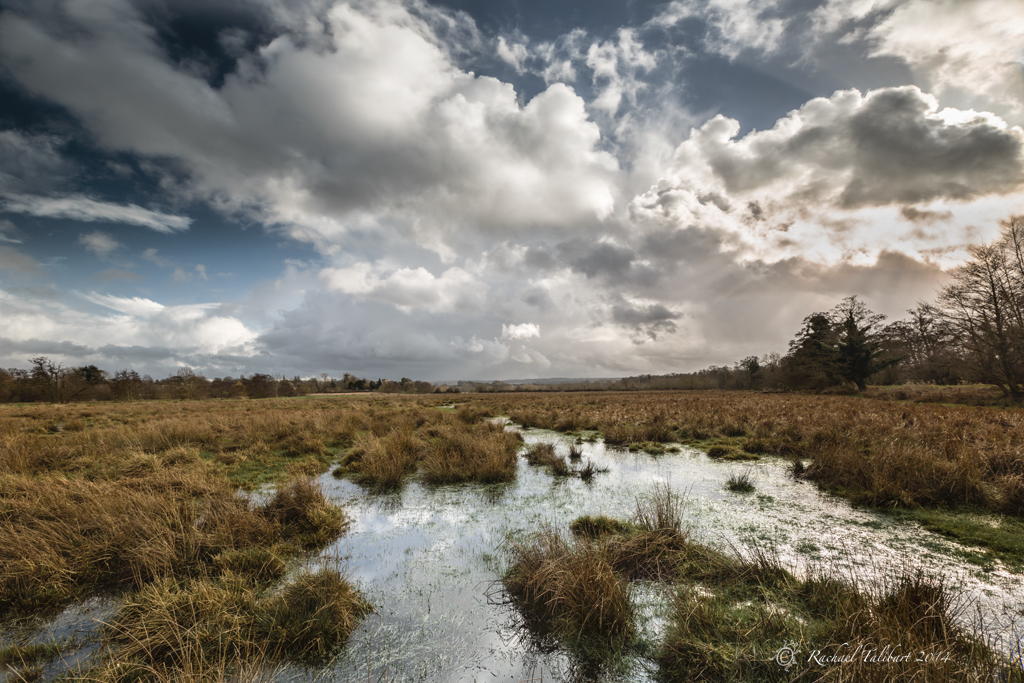
Fortuitously, we had chosen for our weekly photoshoot the Wey Navigation towpath between Cartbridge and Triggs Lock. The Navigation is bounded here by water meadows, open spaces and big skies. We were like the proverbial children in the sweet shop (kids in a candy store in American!). It will take me a while to get through all the images I made but here are the first few out of the digital darkroom. Little editing required thanks to my circ. polariser and ND grad. filters. Colours as they appeared on the day.

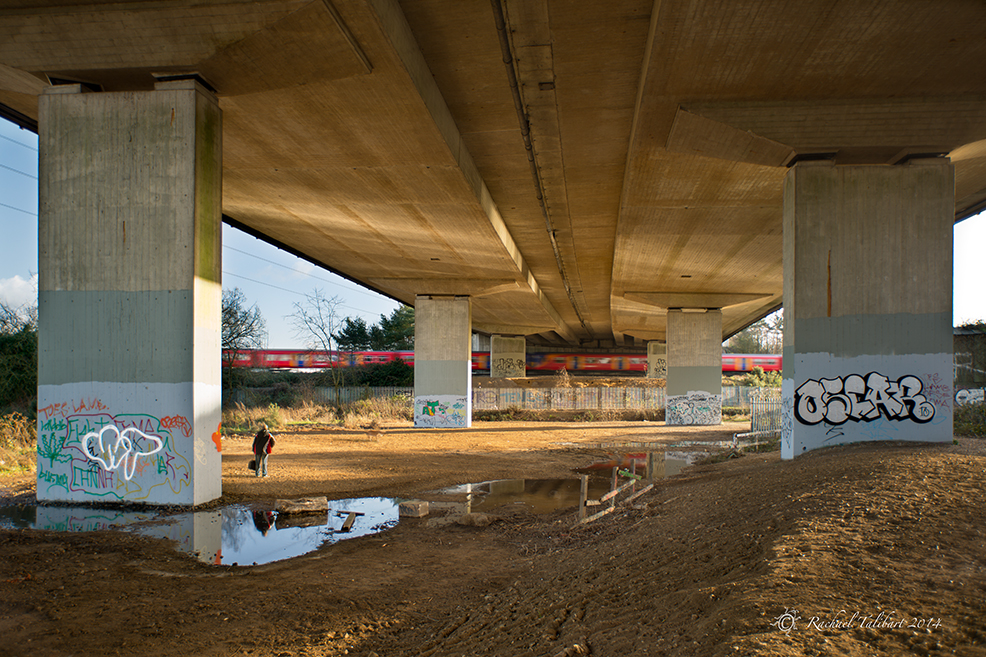
Recently I have started to retrace my steps along the Wey Navigation towpath with a view to getting some more up to date pictures for a possible book project. Most of the Navigation runs through pretty countryside but there is one spot, between New Haw and Pyrford, where it runs close to, and is indeed crossed by, the M25, Britain’s busiest motorway. It is not the most picturesque of landscapes but still full of interest for the photographer. I enjoy the challenge of trying to make images here.

Although not conventionally beautiful, this is a very significant spot in the history of transport. Here, within a few paces of its passage under the motorway, the Wey Navigation meets the Basingstoke Canal. The Navigation is not a canal strictly speaking but a river made navigable, and it predates the canal age by some hundred years. Thus the Basingstoke Canal (opened in 1793) represents a later evolution of British transport, although it was never as successful as the Navigation and fell into disuse first. A sign here points to Thames Lock (3 miles), Guildford and Godalming (12 miles) and Greywell Tunnel (31 miles via the Basingstoke Canal).

Immediately after its junction with the canal, the Navigation passes under a bridge that carries the main London to Southampton railway line (1838). The railways of course were a further development and largely responsible for supplanting the canals as the principal means of goods transport.
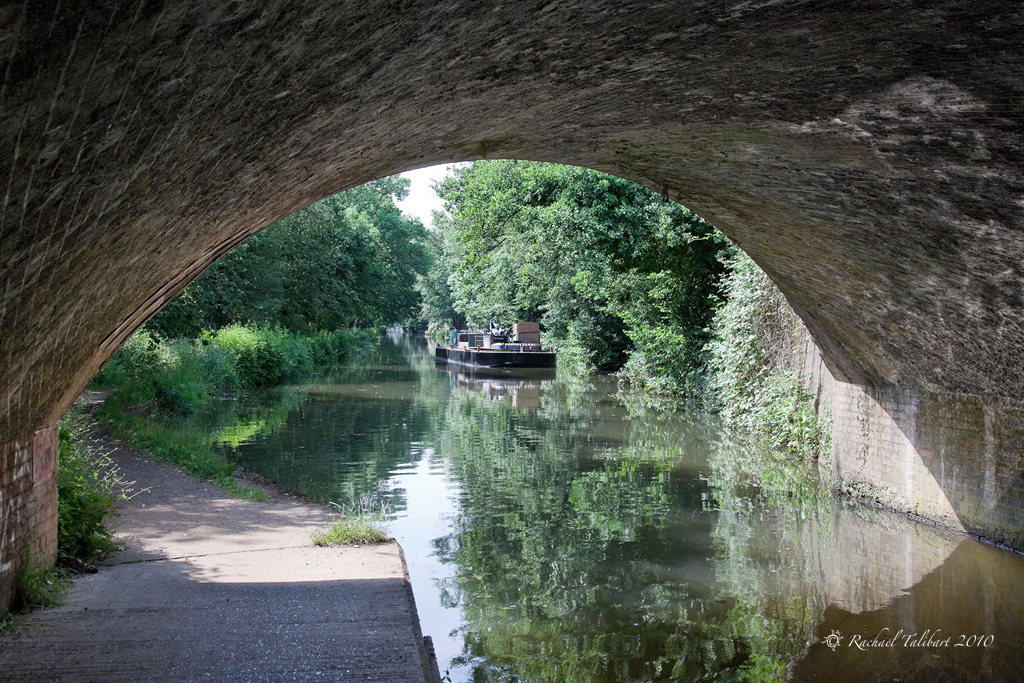

Then there’s the motorway, the next stage in the development of transport. An iron footbridge next to the railway bridge adds a further layer, albeit rather older and more environmentally sound!

I have had a few funny looks from people during my visits here, and on a couple of occasions people have stopped to ask me what on earth I am photographing. Yet, rather amusingly, I am clearly not the first photog to see potential in this location, although I don’t think I would ever go to such lengths to advertise my Flickr photo stream!
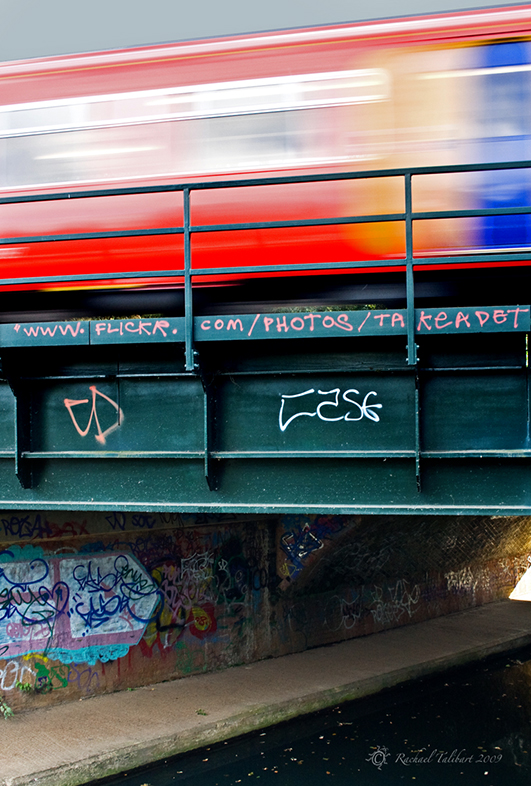
Some people will do anything to get people to look at their photos
In some of my shots I have tried for a desaturated, moody look, to suit the industrial feel of the place.

But sometimes I just can’t resist going for colour. When the late afternoon sun peeps under the motorway, it almost looks pretty.

The next shot does not properly belong here as I took it at Weybridge Station, while waiting to meet my daughter. But it was taken on the same afternoon as some of the earlier pictures, just a few minutes later, and it has got a train in it…

Of all the photographs I have taken here so far, strangely my favourite has no train. I like the simplicity of the brick bridge against the sky. It seemed to demand a contrasty black and white conversion.

ISO 50, 16mm, f/16, 11″
ND .6 Hard Grad, Circ. Polariser, .9 Pro-glass
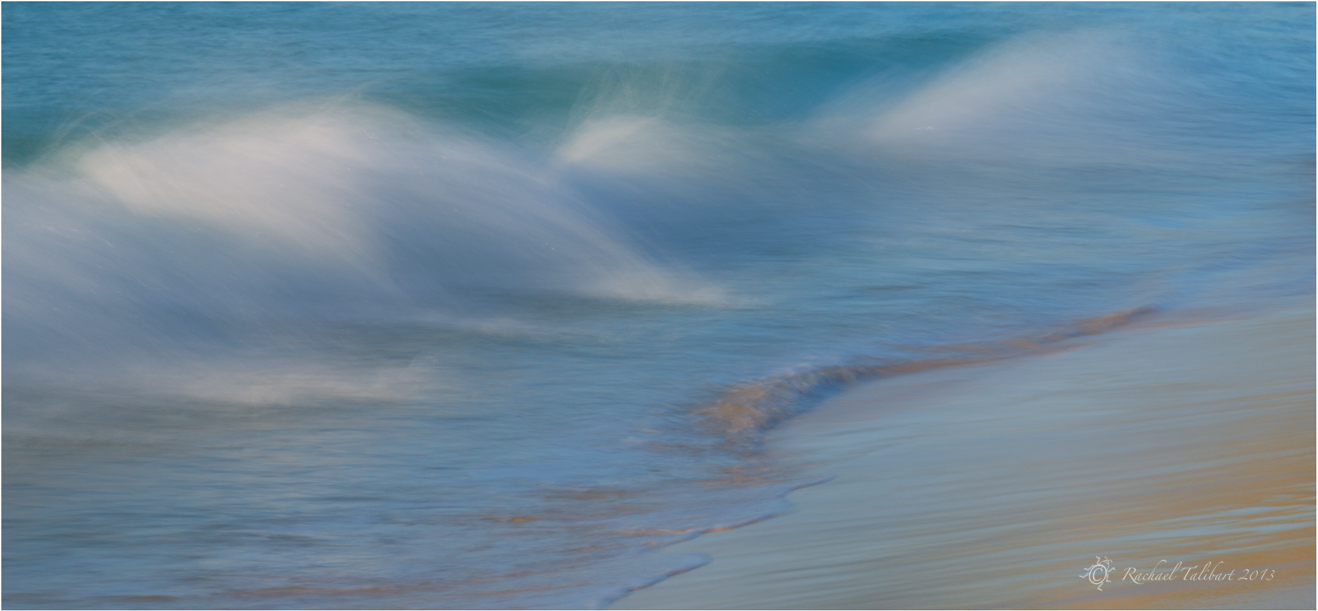
I see the waves upon the shore,
Like light dissolved in star showers, thrown…
-Percy Bysshe Shelley (1818)

A shot from Tuesday’s visit to Painshill Park in Cobham, Surrey. Those eighteenth century landscape designers knew a thing or two! Two of Painshill’s famous follies are visible in this view, the Gothic Temple and the Chinese Bridge. For the techies, I used a .6 ND hard grad for this shot, and a circular polariser, of course. I have written several other posts about this favourite location of mine. Just click on the tags, Painshill or Painshill Park to find them.
 Focused Moments