Sliding to the left

Wales

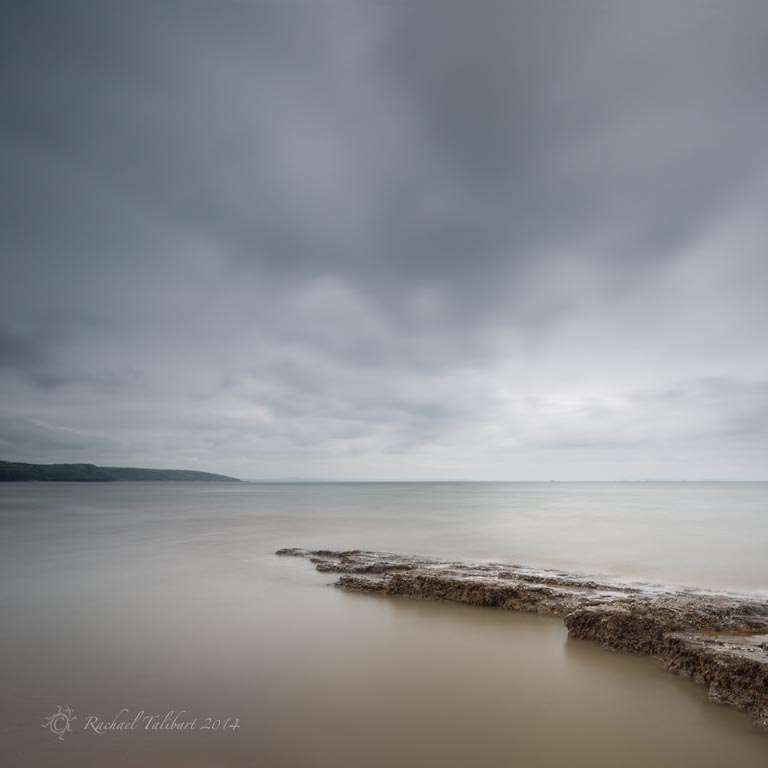
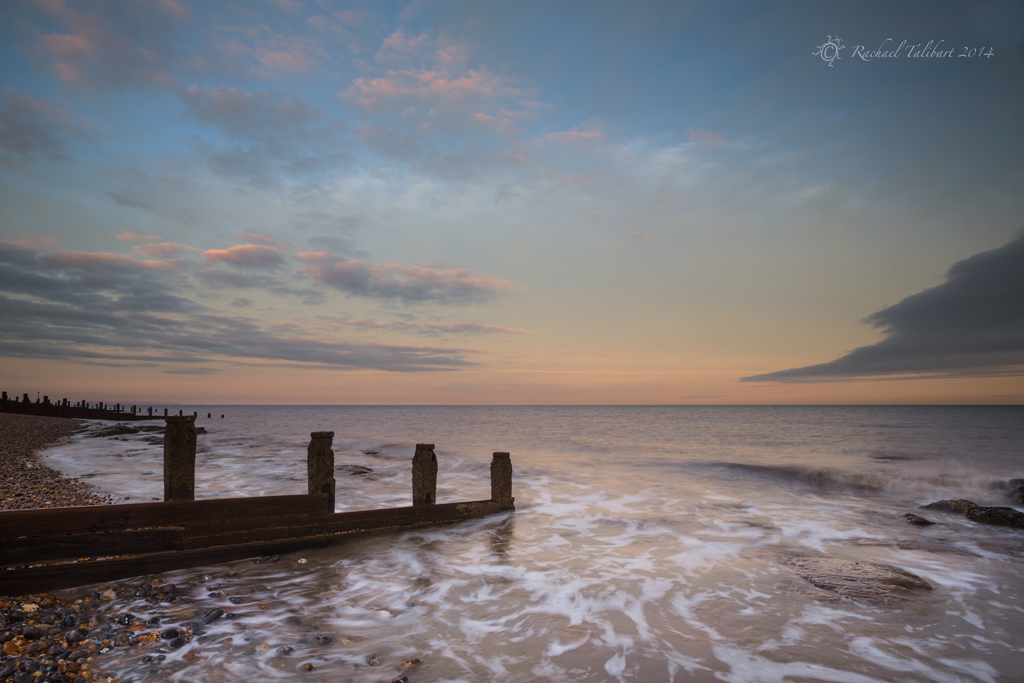
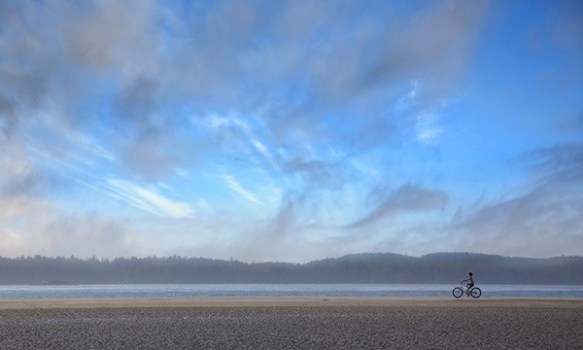
On Thursday, Pete and I enjoyed a six hour walk on the vast, low-tide beach of Saundersfoot Bay, returning via the Coastal Path along the cliffs.  Although the sky was overcast and it rained intermittently, I could see why Pembrokeshire is celebrated for its light.  I wanted to capture the almost-sliver of the diffused light on the sluggish sea.

My first post from Wales was all about colour, although even there I nudged the saturation and vibrancy sliders to the left, because the colours in the RAW file were almost too rich to be believed!   More and more, these days, I find myself wanting to desaturate images.  For  some beautiful images that exemplify sliding to the left, try Asmita Kapadia’s website.

Wales

Precious landscape on the brink

Surrey landscape
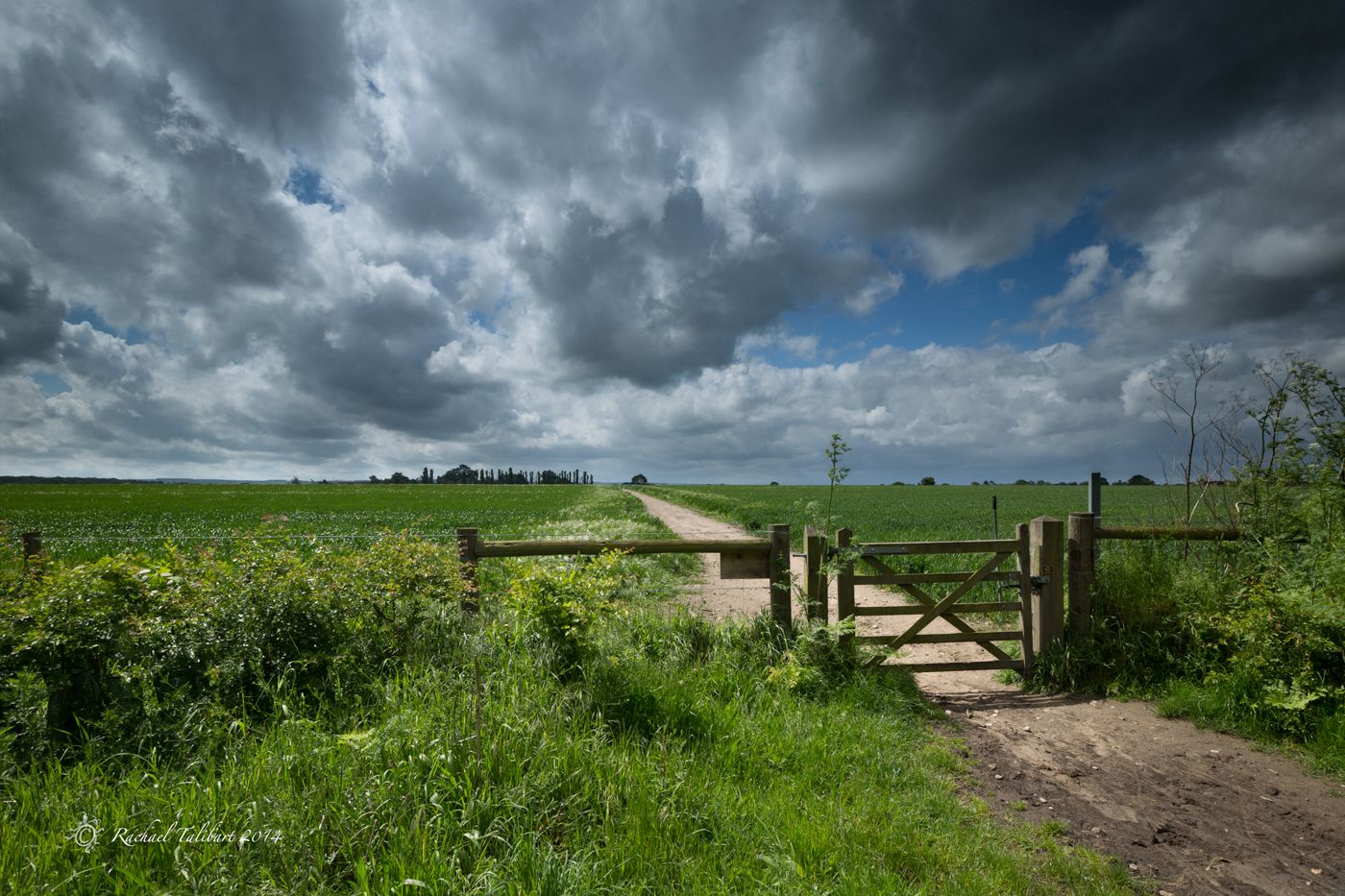
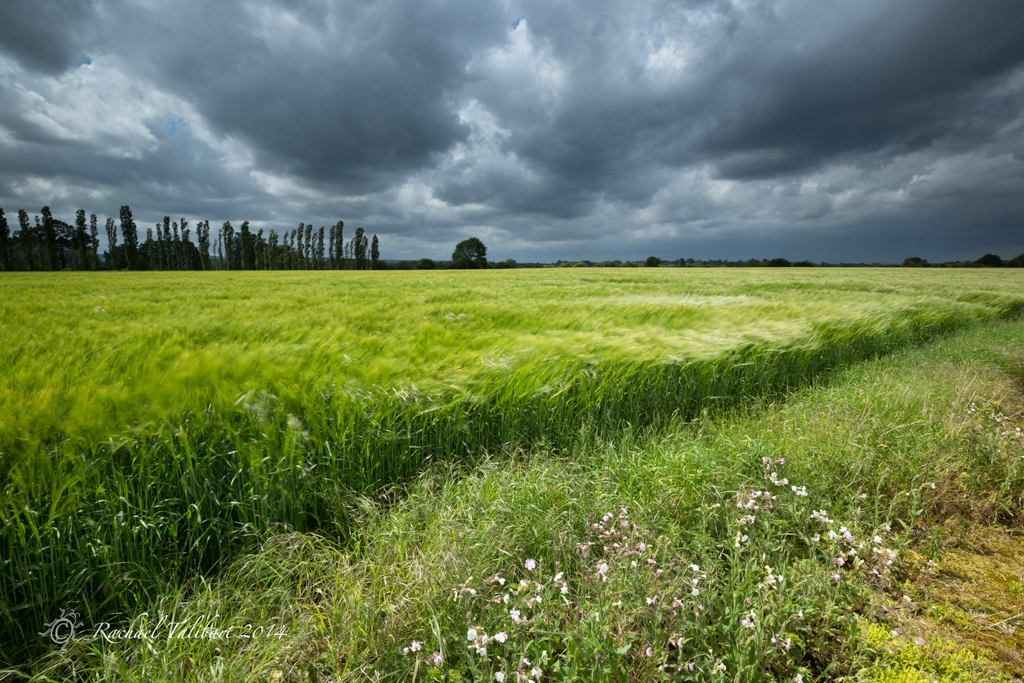
On Friday, I enjoyed a trip out to Three Farms Meadows with my friend, Tony Antoniou.   The landscape here is special because Surrey is a heavily populated county.  Open spaces like this are rare and ever more under threat.   Three Farms Meadows in Surrey
I cannot hope to convey the joy of stepping through the gate onto this vast, open, empty landscape.  We spent an hour up there, in the company of skylarks, bees and a pair of red kites soaring overhead.Surrey landscapeSadly, Three Farms Meadows is under very real threat.   2,500 new homes are planned for this site.  I understand how desperate the housing situation is in this crowded little country of mine.  But still, I cannot help but dread the loss of this precious place.  The price seems too high.

Two lights in one day

infra red and mist

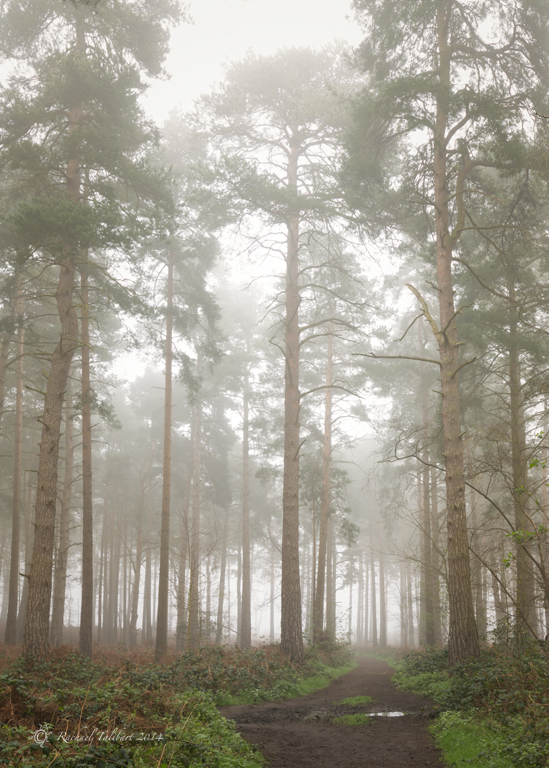
One day last month, I managed to get out to Chatley Heath during some early morning mist.  The forest of towering scots pines looked spooky in the mist so I gave this image an infrared style treatment.  By the early afternoon, the mist had burned off and colour returned.

Chatley Heath

I love going back to familiar locations and discovering how their mood changes with the season and the light.

Lifeboats and heroes

RNLI

Last week I had the chance to pop down to Selsey and photograph the RNLI’s Lifeboat station.  It is an imposing structure, with its long gangway linking it to the shore.  I have always been fascinated by the story of lifeboats.  Perhaps my interest lies partly in the fact that a good portion of my first twelve years were spent at sea, even encountering a lifeboat on a particularly foggy day off the Devon coast when it was a very welcome sight indeed. The story of the lifeboat service is full of daring deeds and sacrifices.  I have often wondered why the BBC, or indeed, Hollywood, has failed to make a drama about it.  Still, to this day, the lifeboats are manned by volunteers, people with day jobs who feel it right to offer their service in aid of those in peril on the sea.

If you are interested in maritime history, you might enjoy this blog: Map of Time.

Photo essays and projects

seascape

4″, f/11, 35mm, ISO 200, Big Stopper and circ. polariser

The internet has, mostly, been a marvellous thing for enthusiast photographers, not least because images are readily available for our viewing and educational pleasure.  Although there is still nothing quite like seeing an image in print, we no longer need to buy a magazine or go to an exhibition for our daily dose of photo inspiration.

Wreck on Bognor beach

1.6″, f/7.1, 70mm, ISO 200, Big Stopper and circ. polariser.

As most of us have realised, however, volume does not equal quality and discernment is a skill we must develop to become better photographers.  One of the difficulties in our way is that fact that most photosharing sites, like Flickr and 500px, reward the high-impact, stand-alone image.  Often, subtler images, that reward a more lingering gaze, are overlooked in the frenetic world of internet attention spans.

Groynes on Bognor beach

2″, f/8, 70mm. ISO 200, Big Stopper and circ. polariser.

Recently, I have found myself enjoying Adobe’s image-sharing site, Behance, not only because overall the standard of imagery is high, but because Behance is geared towards projects rather than stand-alone images.  This is where the professionals hang out and, perhaps because they tend to be working on commissioned projects, the site abounds in sequences of images, connected visually and creatively into cohesive wholes. If you have not yet found Behance, I recommend a visit.  Just select photography from the ‘creative fields’ drop down menu and soak up the gorgeousness.
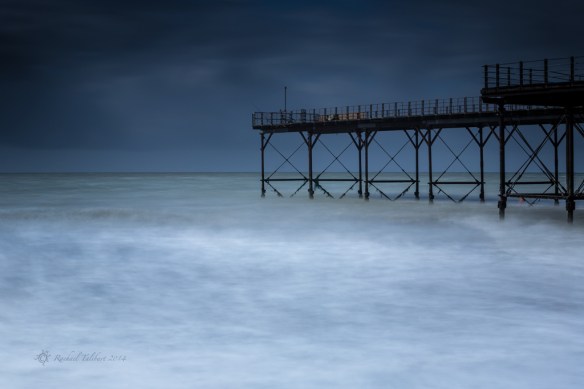
West Sussex seascape

20″, f/11, 70mm, ISO 50, Big Stopper and circ. polariser.

Inspired by what I have been seeing there, I have started to make sets of images, linked by style, subject or even colour.  The five images posted here were all taken on the same day last week when I had to be in West Sussex.  The weather was stormy, with sudden bursts of bright sunlight in front of heavy skies, so I decided to exploit that changeable feeling, deliberately using a variety of shutter speeds to capture the sea’s mood.  By afternoon, the weather had eased but I attempted to carry the morning’s colour palette into the afternoon’s shoot, at Selsey Lifeboat station.
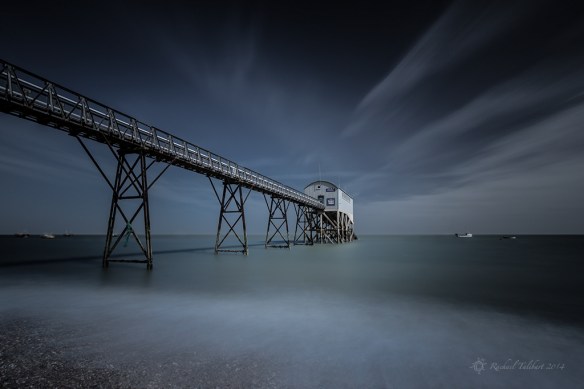
West Sussex seascape

1/60, f/11, 16mm, ISO 50, Big Stopper and circ. polariser.

Incidentally, the second image is of a wrecked portion of WW2 mulberry harbour that has been rusting away on Aldwick beach for seventy years.  Believe it or not, I grew up literally a stone’s throw from this wreck but have only now bothered to photograph it.  Sometimes we overlook the things closest to us.

Jade Pool

Cornwall

f/11, ISO 50, 133secs, 16mm. 0.6 ND hard grad, Big Stopper, and circ. polariser.

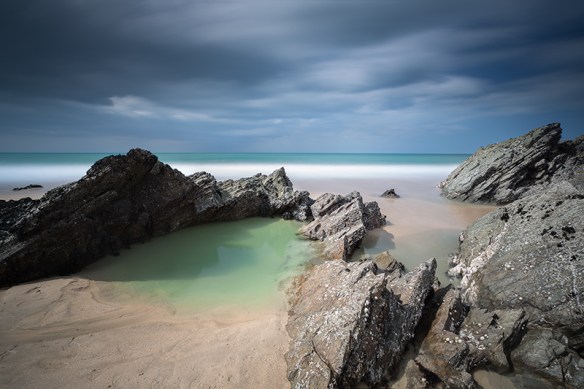
We spent the Easter weekend in Newquay, on Cornwall’s wild Atlantic coast.  While the others surfed, I explored the rocks on Fistral Beach. Although the day we had set aside for exploring further afield was rained off, I had two lovely afternoons with my camera and long exposure filters.  Fun.

Eastbourne sunset

south downs national park

I recently enjoyed a day out capturing images in the South Downs National Park, with my friend, Asmita Kapadia.  Asmita runs photography workshops in the area and showed me some marvellous locations.  More information about her tours can be found on her website.  She also has a page on Facebook

South Downs

South Downs

Moonrise over the monuments

monument valley
I was rummaging around in an old hard drive today and came across this forgotten image from 2009. It reminded me that I have been promising myself a return trip to the American Southwest for a long time. Monument Valley and a full moon; a magical experience. I didn’t really know what I was doing with the camera back then; I’d love to have another go now.

Fields of gold

rapeseed field
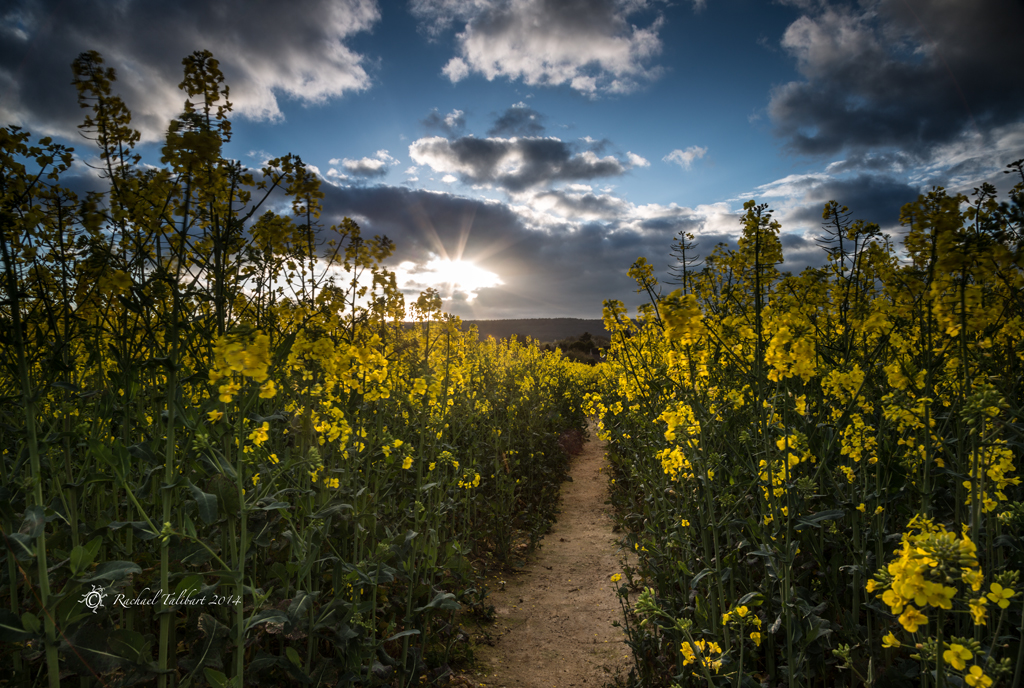
Fields of oilseed rape are in full bloom right now.
rapeseed field
Oilseed rape is not a subtle crop. Each Spring it blazes out its presence in the English countryside, briefly turning this ‘green and pleasant land’ into something far more extroverted.
rapeseed field
I took the opportunity to capture some of its moods twice last week, near Wisley in Surrey and the village of Northchapel in West Sussex. It was interesting how the colour changed with the light, from acid yellow to something far more mellow, with a hint of amber.
rapeseed field

The farmer of this field has sown his crop right over one of the many public rights of way that criss-cross the meadows here.

rapeseed field

What footpath?


If you are not a fan of swathes of yellow in the countryside, you might be interested in this news item from last year, although after seeing the artist’s impression of how the future of oilseed rape farming could appear, you might feel that yellow is not so bad!
rapeseed field

Landscapes by Women

Australia
I am delighted to have been accepted into Landscapes by Women, a collective of inspiring photographers with a growing presence in the industry.  My fellow members not only have strong portfolios but they also educate, lead tours, inspire through lectures and contribute images and text to prestigious publications here in the UK and beyond.  I am honoured to be in their company.
East Sussex
By why Landscapes by Women?  In this emancipated age, do we really need a group specifically for women?  Landscape photography is a male dominated field. There may be purely practical reasons for this.  Issues of personal safety complicate being out alone with expensive kit in remote locations and low light.  Although there are many exceptions, generally women take the larger role in raising children.  It can be hard to chase the best light when tea has to be made, homework supervised, bedtime stories read.   I can’t count the number of times I have watched beautiful light through the window while cooking dinner.   Chatley Heath
I hasten to add that I wouldn’t have it any other way.  I feel privileged to be a mum and consider it the best and most important job I will ever have.   But you can see why landscape photography might favour the men.
British Columbia
However, there are more female landscape photographers now than ever before. Landscapes by Women celebrates that fact and aims to ‘show that regardless of any challenges women face, we can bring unique and compelling images’. I would love it if you had time to visit the website and see for yourself.  You can also find us on Facebook.