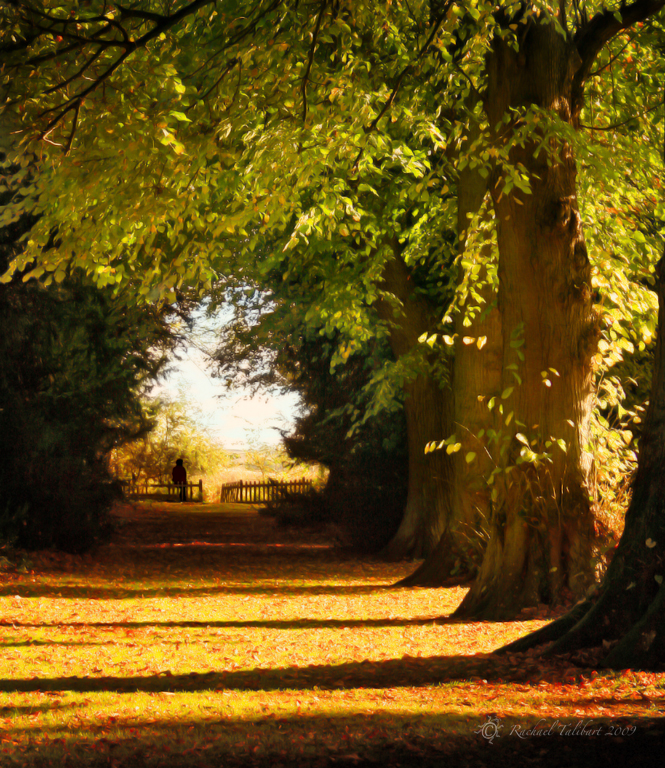
Everyone must take time to sit and watch the leaves turn. ~Elizabeth Lawrence

Everyone must take time to sit and watch the leaves turn. ~Elizabeth Lawrence
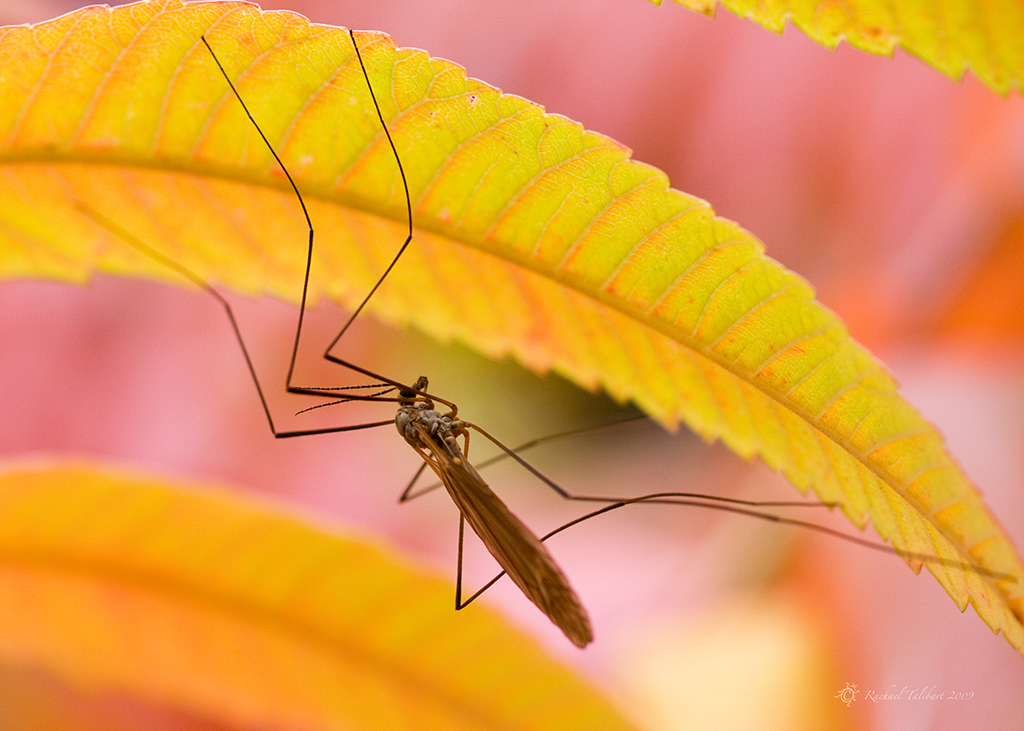
As Autumn sets in, leggy crane flies start to blunder into homes, mimicking moths in their attraction to light. They are not the most stylish of Nature’s creatures but this one manages to look almost elegant hanging under the pastel Autumn leaves of my sumach tree.
 This is probably a female specimen of the UK’s most common variety, tipula paludosa. Not a thing of beauty, but an important part of the ecosystem. Its grubs, known as leatherjackets, feed on the roots of grass, which does not please those who love their lawns. However, they are a valuable source of food for many birds. I enjoy watching the green woodpeckers drilling for them. The crows quarter my lawn systematically, voracious terminators of leatherjackets. In the process, they incidentally save me the job of aerating the lawn and lifting the moss.


Needless to say, there are several varieties of crane fly in the UK. The best place I have found for identification is Nature Spot. I think this little crane fly resting on sedum flowers may be tipula confusa. And yes, I am confused.
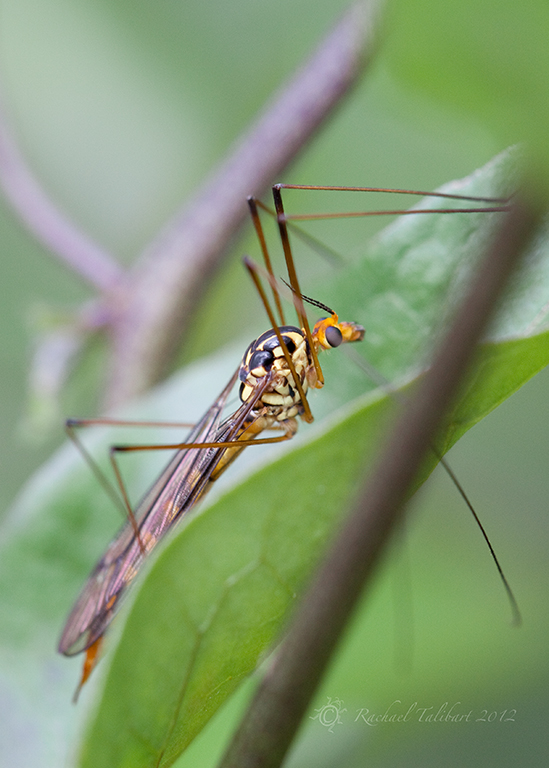
This one is a little more impressive. It could be nephrotoma appendiculata, the spotted crane fly. Or it could be nephrotoma flavescens.

But I think it is, in fact, nephrotoma flavipalpis. This is the first time I have noticed one of these in my garden.

Tomorrow’s Autumn post will be prettier, I promise.
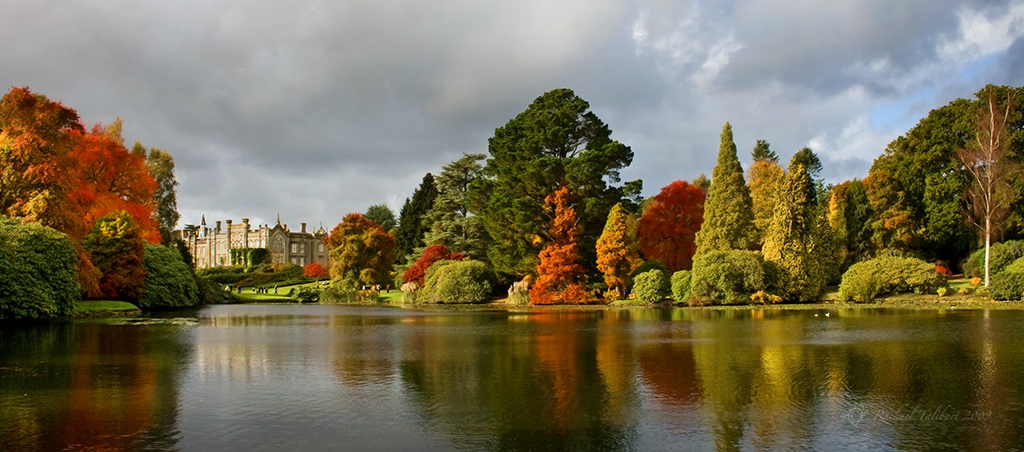
Sheffield Park is an eighteenth century landscape garden in East Sussex owned by the National Trust.

Sheffield (meaning sheep clearing) Park is mentioned in the Doomsday Book. The garden was landscaped first by Lancelot ‘Capability’ Brown and then Humphrey Repton.

In the nineteenth century planting for an arboretum was begun. Arthur Soames purchased the estate in 1910 and continued the massive planting programme, much of which still exists today, and is particularly regarded for its Autumn colour.
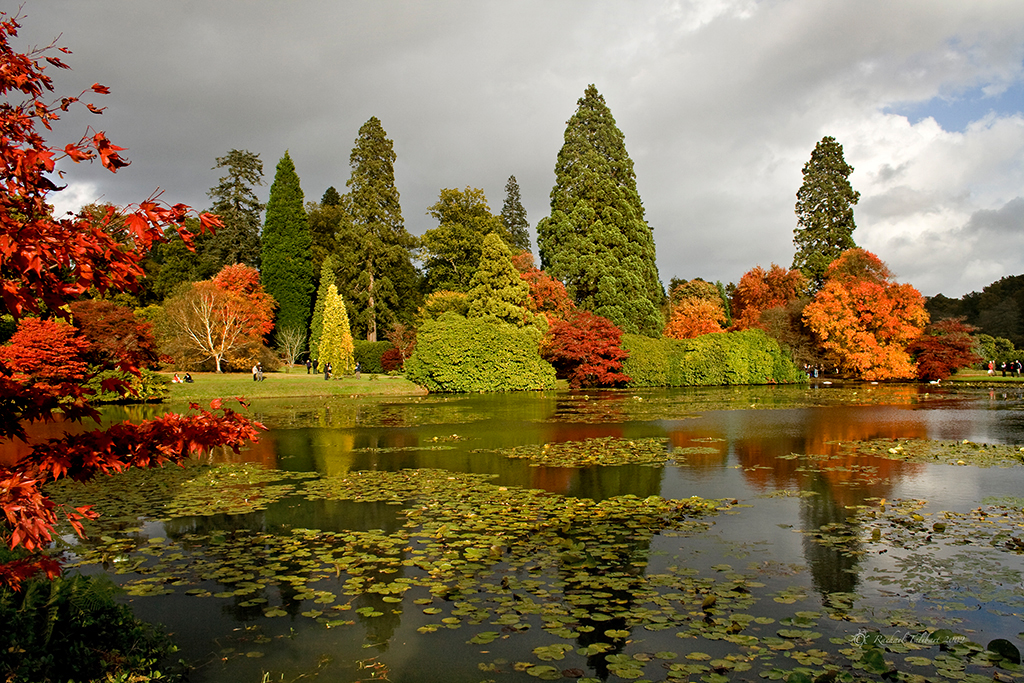
We were a little early for the best leaves but there was still plenty of colour. If you live anywhere within striking distance of this beautiful garden, I recommend a visit. Just don’t forget your camera!
More Autumn colour tomorrow.
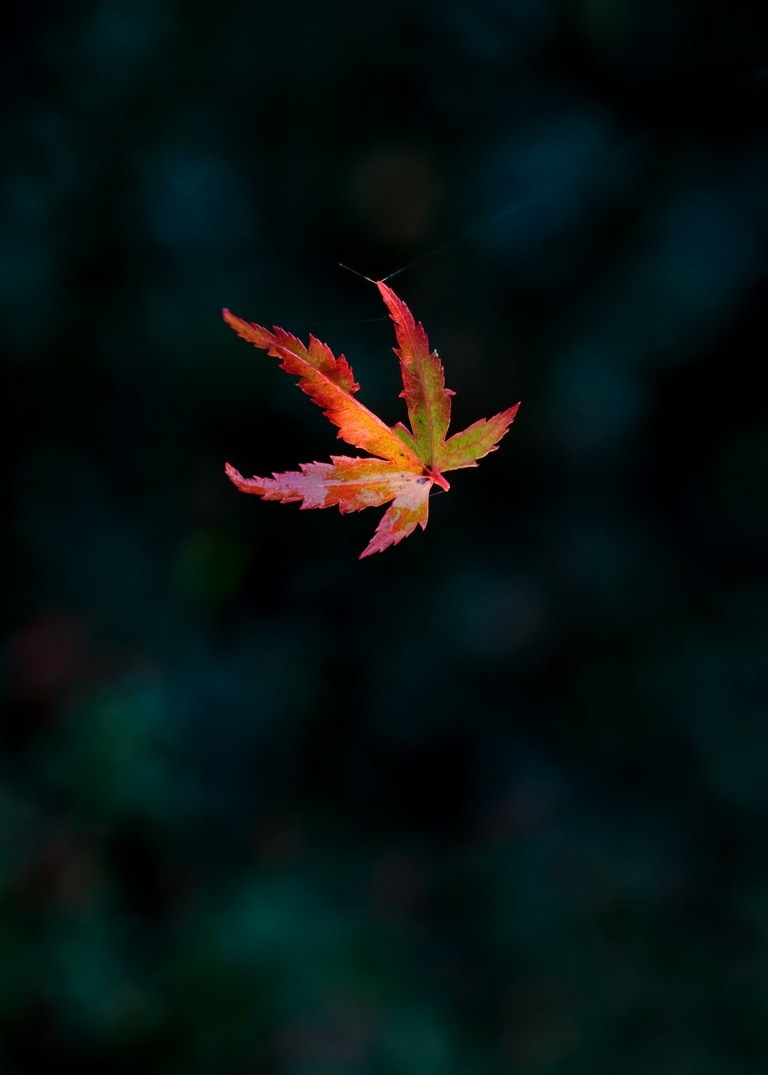
I am typing this sitting at college with the sun blazing through azure skies that one would normally expect to see in Summer, on a less contrary island. On mornings like this it seems as if Autumn has been suspended. The leaves tell a different story, however.
The first of a series of Autumnal images.
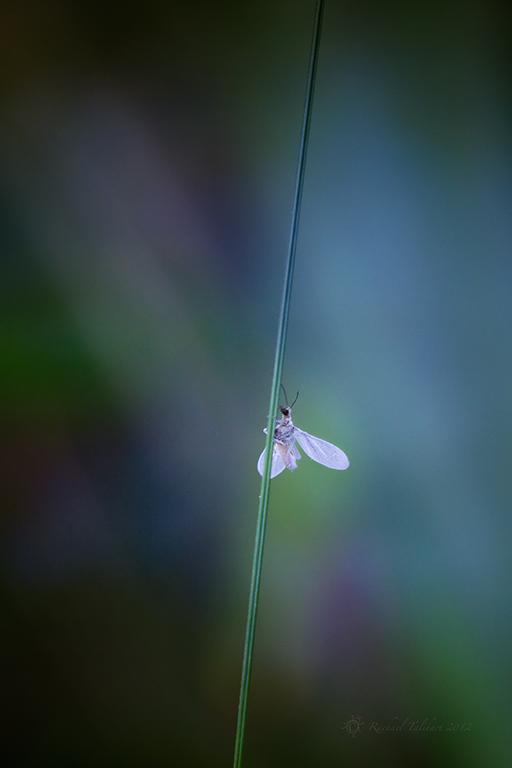
Fresh off the presses, a tiny white moth fluttering on a grass stem in my garden this morning.

Vancouver waterfront
As a respite from the bug macros, I thought I’d pay a visit to one of my favourite North American cities, Vancouver.

Striking shapes mingle with softer planting
I thoroughly enjoyed prowling round the most modern parts of this city, playing with angles and snapping details that caught my eye.

The same place looking the other way
I often convert my shots of architecture to black and white to bring out the interesting shapes and patterns.
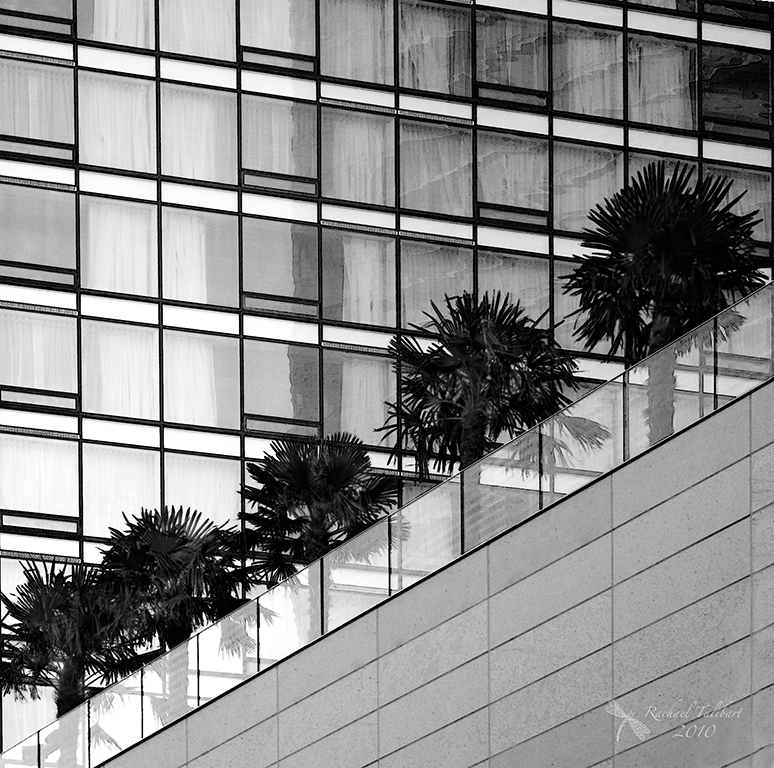
Diagonals meet verticals, and some palm trees
It can be fun to zoom in tight.

Loads of contrast here
Or pull back for a wider view.
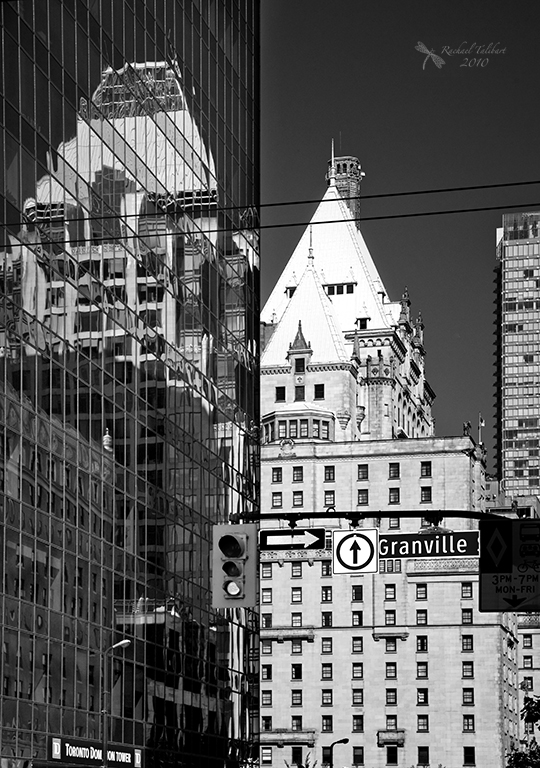
Contrasting new and old
Sorting out converging lines can be tricky with tall buildings but sometimes it’s fun not to bother…

Well, this building does actually lean anyway.
…or to go mad:
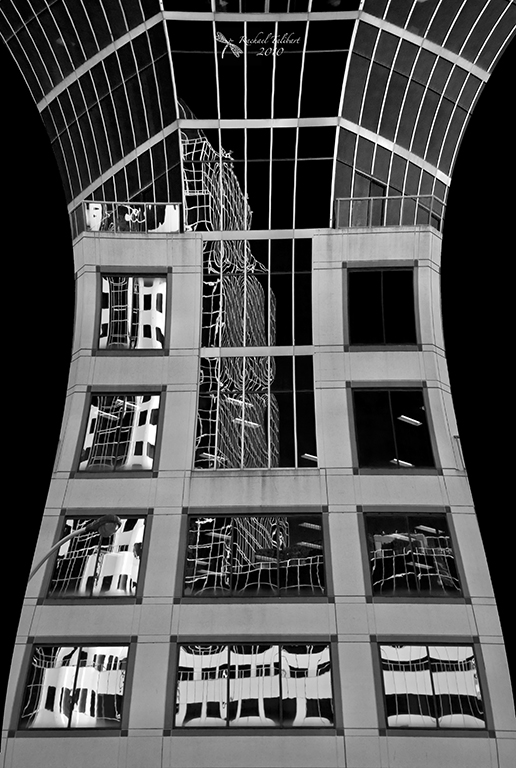
One way to cope with those converging lines
Reflections are always a lot of fun.
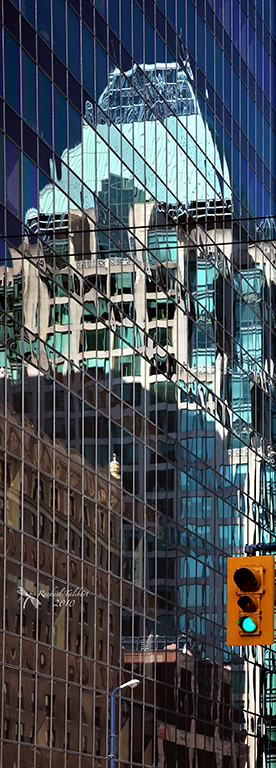
Fairmont hotel reflected in office block.
I did allow some colour, sometimes a lot of colour:
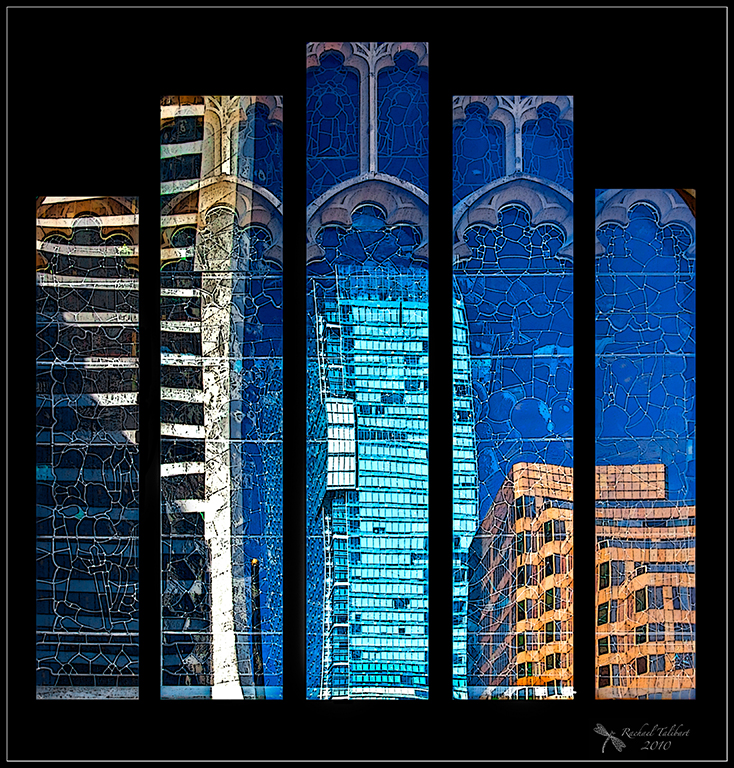
If a triptych is three panels, what do you call five panels?
I hope you enjoyed my architectural safari. Vancouver really is a super city and there is, of course, much more to it than its modern architecture. More another time. I will leave you now with this thought: what’s not to like about a city that has a giant lego orca?
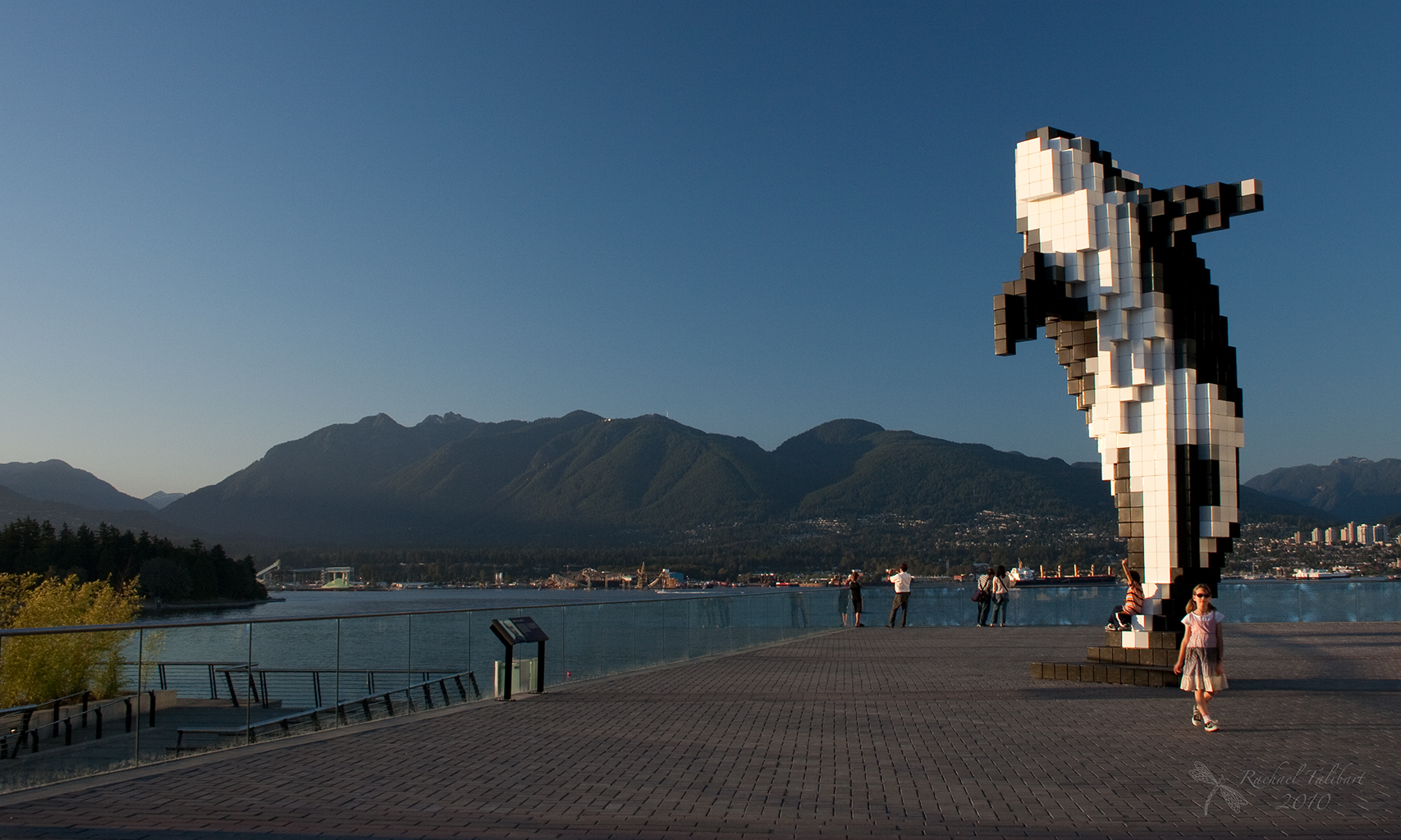
You have to love Canadians.
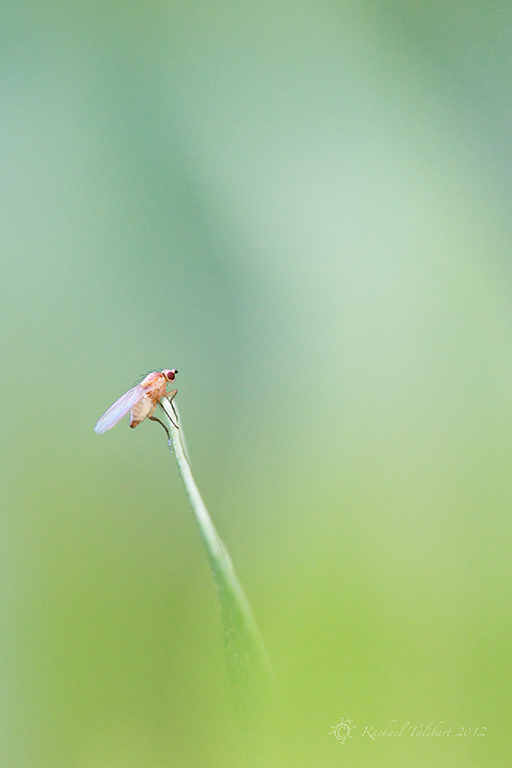
I thought I’d follow up yesterday’s post, The secret world of the smallest things, with more of the most miniscule critters in my garden. They are little more than moving dots to the naked eye but the macro lens and cropping reveals another world.

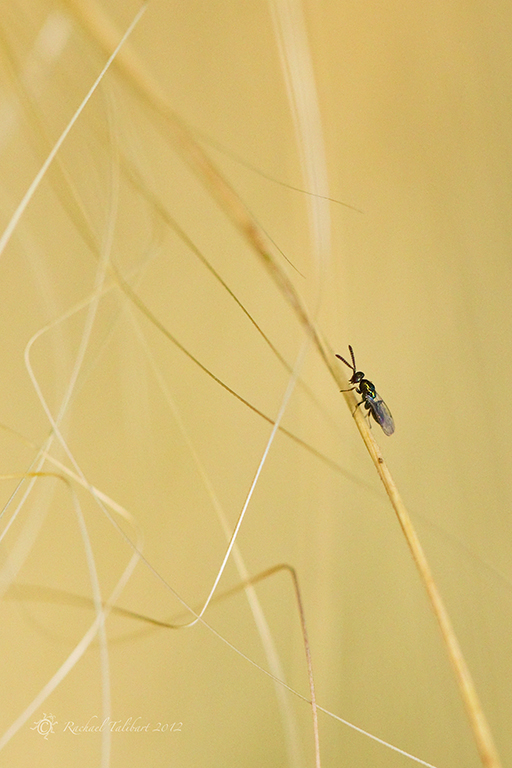
Possibly a very small sort of wasp.
I am not going to be able to identify some of these tiny creatures. I know when I am out of my depth! I am content just to enjoy them, and their colourful landscape.

Definitely a midge.
Some are not so welcome, or pretty. Don’t bite me! But isn’t the sumach leaf lovely?
Uphill is hard work!
I promise no insects tomorrow.
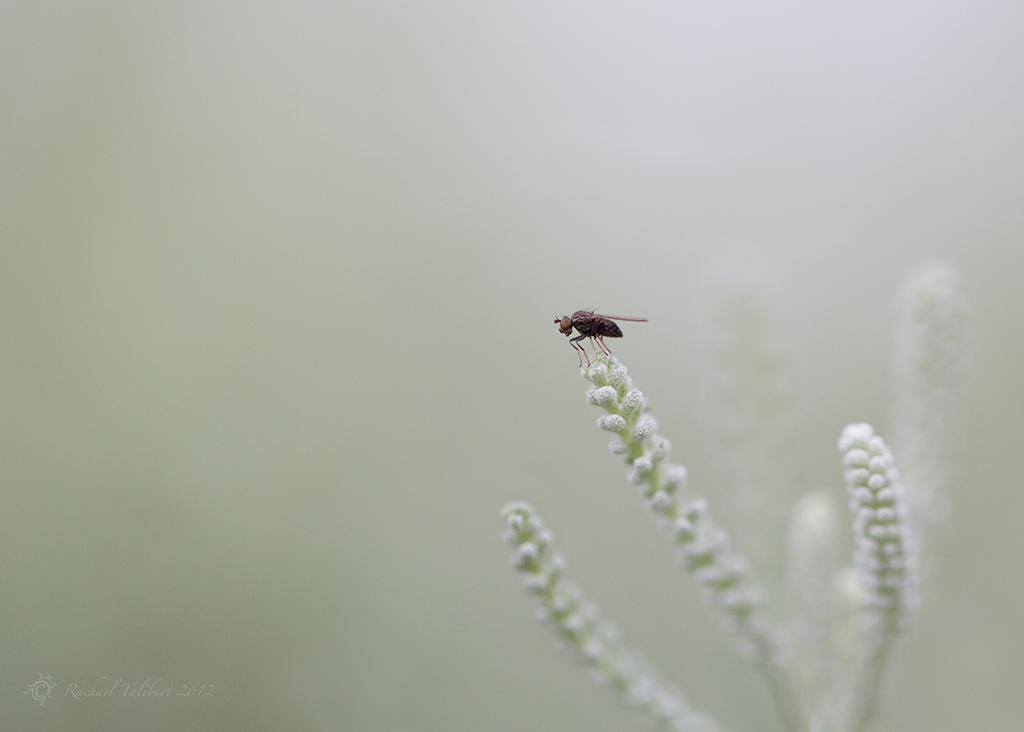
Misty morning
As Autumn sets in and the larger, more showy insects start to disappear, my macro lens turns to the smallest creatures, so small that I can only see the details by photographing them and cropping. Each of these critters is much smaller than they appear here, hardly noticeable as they go about their secret lives.
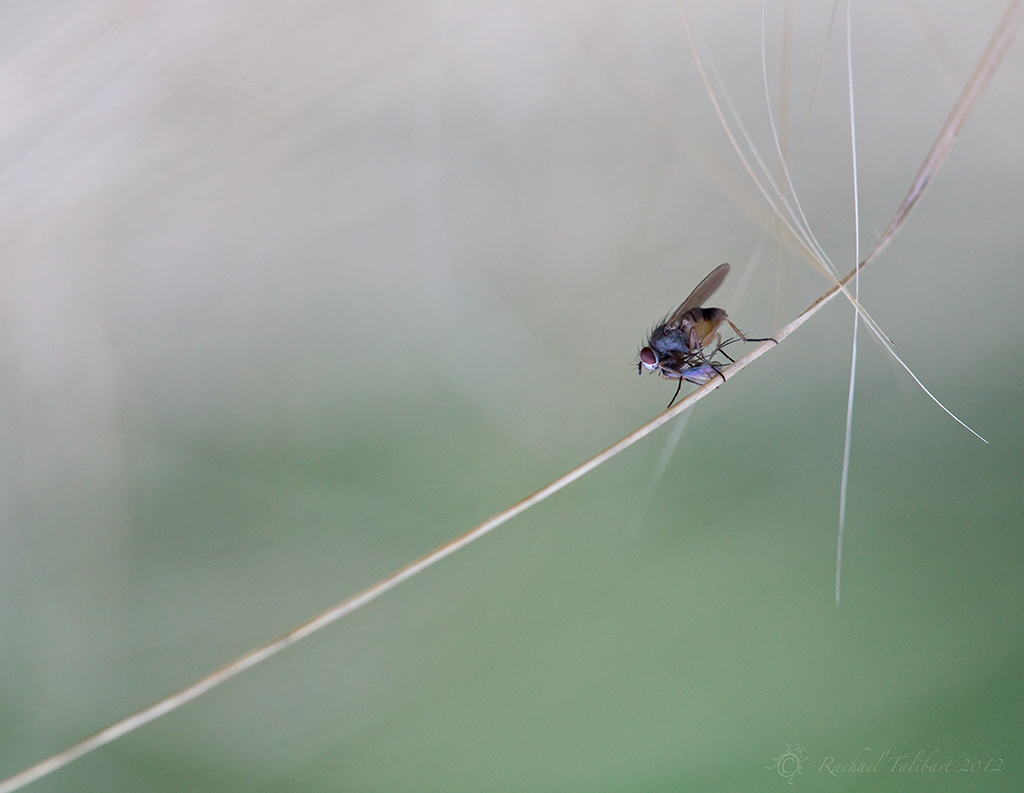
Tightrope
Carrying your prey across a tightrope of the thinnest grass stem is just showing off.

Golden grasses hide a wealth of miniature life
I like to show these critters with plenty of space around them, to show how very small they are. And their landscape can sometimes be as intriguing as the insects themselves.

Small but deadly

A beautifully woven hammock of silk catches the light. Inside, a tiny green spider awaits its next meal.
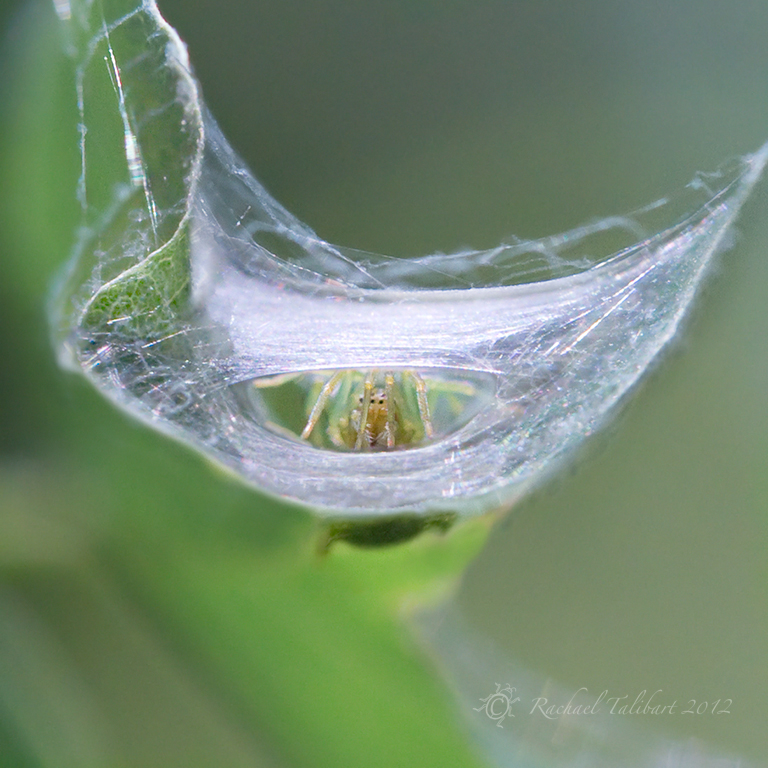
When I first posted this I identified it, rather hesitatingly, as araniella cucurbitina, the cucumber green orb spider. I suspected a female given the size of that shadow. The males are more streamlined:

However, I now think the spiders in this post may be nigma walckenaeri. Any experts around? There are several rather pretty spiders lurking among the turning leaves of my sumach tree. I can’t positively identify the next one through all the silk but it may well be another araniella cucurbitina. Or maybe not…

It is definitely spider season here. I wish all the huge ones presently invading my home looked like these instead.

A shot from our trip to Nantucket in August 2011. The guidebook advertised this lighthouse as perched precariously on the cliff edge. ‘Photo op!’, thought I and dragged the family out there only to find that it had been moved! It is now situated in some fairly uninspiring and very safe scrub. At least the sky was interesting enough to make it worth converting this shot to black and white, pushing the blues towards black and the vegetation towards white to create a pseudo-infrared effect.
 Focused Moments