Green shield bug

palomena prasina

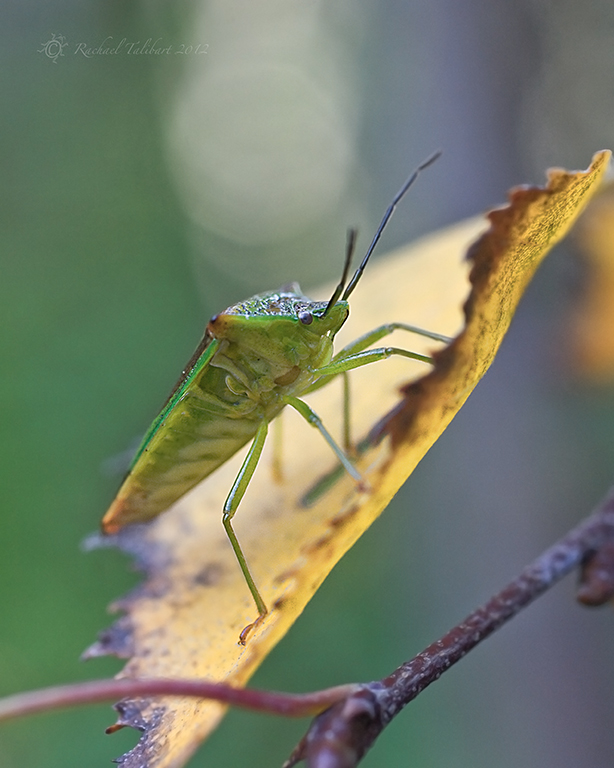
palomena prasina (spring adult)

This fine fellow is a common green shield bug.  Shield bugs belong to the order hemiptera, whose members have a rostrum, or sucking beak, which they stick into plants.  The common green is the most plentiful in my part of the world.

fifth instar of palomena prasina

final instar, kindly demonstrating rostrum

There are five nymph stages.  I think the little ones are really quite cute.

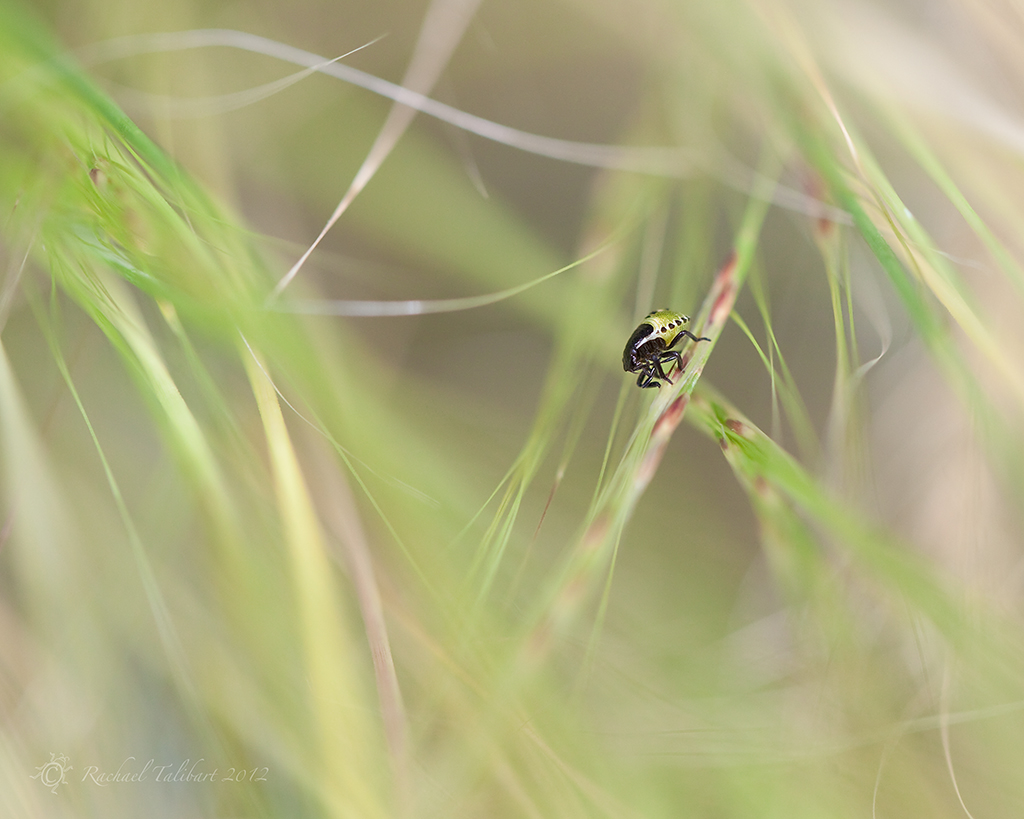
palomena prasina second instar

second instar – cute or what?

palomena prasina third instar

third instar

There are several other varieties of shield bug that frequent our neighbourhood.  I think this next one may be a hawthorn shield bug (acanthosoma haemorrhoidale).

acanthosoma haemorrhoidale

Hawthorn shield bug? Maybe

But as green shield bugs change colour in the autumn, when this was taken, this one may just be another palomena prasina, teasing me.

So that’s the natural history done, now on to the art, which is what interests me most.  The following is another version of the second instar shot.

second instar green shield bug in grass

An instar’s world

I like this one better than the portrait crop I showed earlier.  I like showing the instar as a small point within its (rather attractive in my opinion) grassy world.  But a suggestion I often hear is that I crop closer with my bug shots.  What do you think?  All opinions very welcome.

The best tree

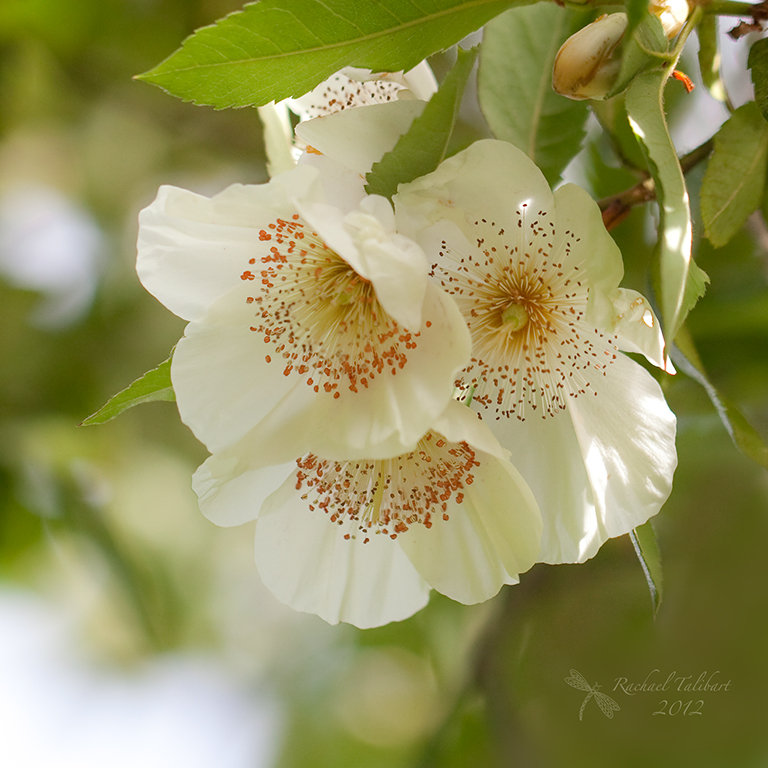
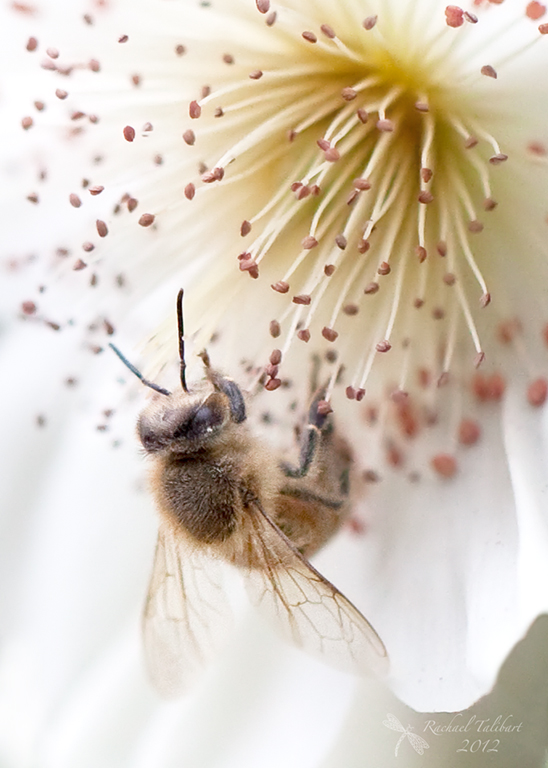
flowersThese lovely flowers belong to the best thing in my garden, a thirty foot eucryphia tree. It is columnar, with a semi-weeping habit, and evergreen. So already it earns its place as a good garden tree. But, as if that weren’t enough, every July/August, it bursts forth in a froth of large white blooms, with pretty pink anthers, and a sweet scent.

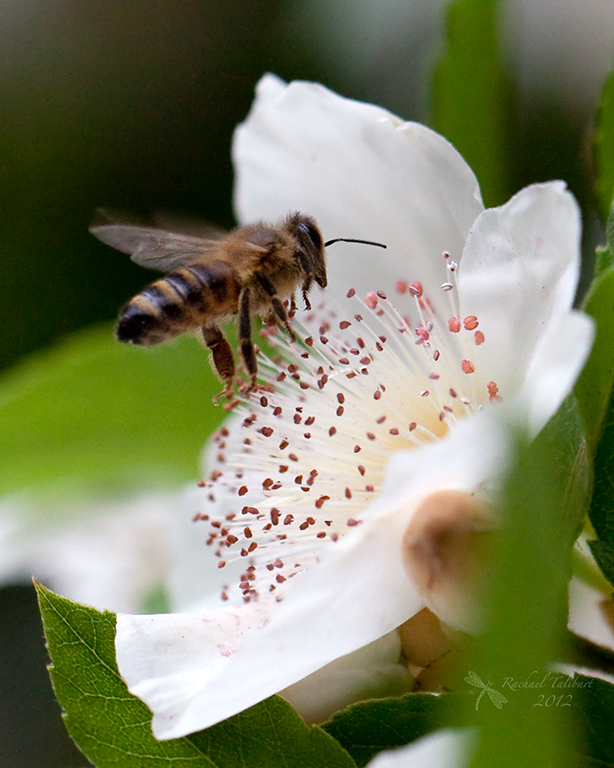
And, best of all, the honey bees love it. In fact, the children call it ‘bee tower’. The garden thrums with the sound of happy bees.


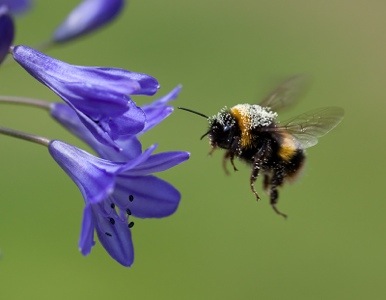
Eucryphia pollen is very fine indeed, little more than dust. The bees look as if they have been sugar frosted as they go about their business.


At times, they are almost frenetic, as if frantic to collect and preserve this bounty while it lasts.


I can claim no gardening credit for this tree – it was here when we moved in ten years ago. I am told they are difficult to establish and fussy in their needs but this one seems to be happy with benign neglect. Long may it last.
Do you have a favourite insect-friendly garden plant/tree?

Adding a bokeh background

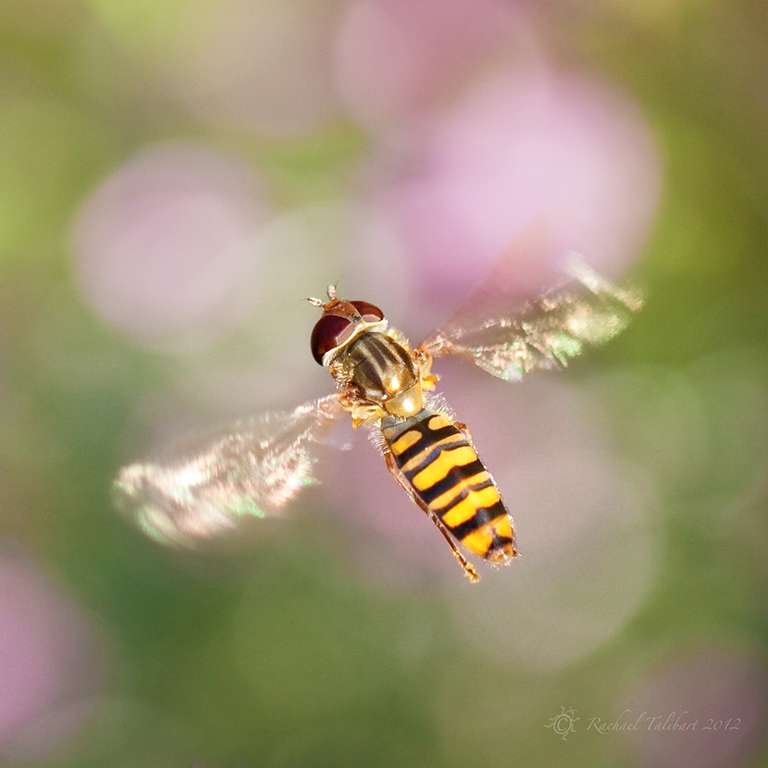
Hoverfly in flight

I was pleased the other day to capture this little hoverfly in mid hover with the light captured in its wings.  However, the original shot wasn’t quite as nice.

The background is my patio.  It is smooth and doesn’t distract the eye away from the subject but it is not very pretty.  A lovely smooth green would have been ideal but the hoverfly ignored my polite request that it hover over the lawn.  So I decided to improve the shot with a little photoshop magic.

Homemade texture

I have a growing collection of what I call “garden bokeh” images.  They are easy to make. Just find a pretty flower bed and some dappled light and, using manual focus, twiddle the focus ring until you get something you like.  Then snap.  (I like the soft circles that a wide aperture brings – the above is f3.2 – but if you want harder shapes, go for a narrower aperture.)  After a bit of experimenting, I decided on this pink, white and green shot for my new background.  Then it was an easy matter of copying and pasting the bokeh image onto my original.  I usually experiment with various blend modes.  Depending on the look you are after, you are likely to end up using soft light, overlay, hard light, multiply or screen.  The last two have quite a defined impact: multiply will apply the shadows in the new layer whereas screen will apply the highlights.  The other three overlay all tones but with varying intensity.  In this case, hard light worked best.  If the bokeh had been more contrasty, a softer overlay would probably have been better. Then a small amount of black brushing where the new layer was slightly obscuring the hoverfly and, hey presto!

It’s really no different from using a texture, except the over-layer doesn’t actually have any texture, just soft bubbles of colour.

Is it cheating?  Not at all, in my opinion.  Both images were taken by me and it is no different from double exposing film or choosing a complementary background in a studio.  What do you think?

Olympic road race!

Olympic road race 2012

The pack arrives

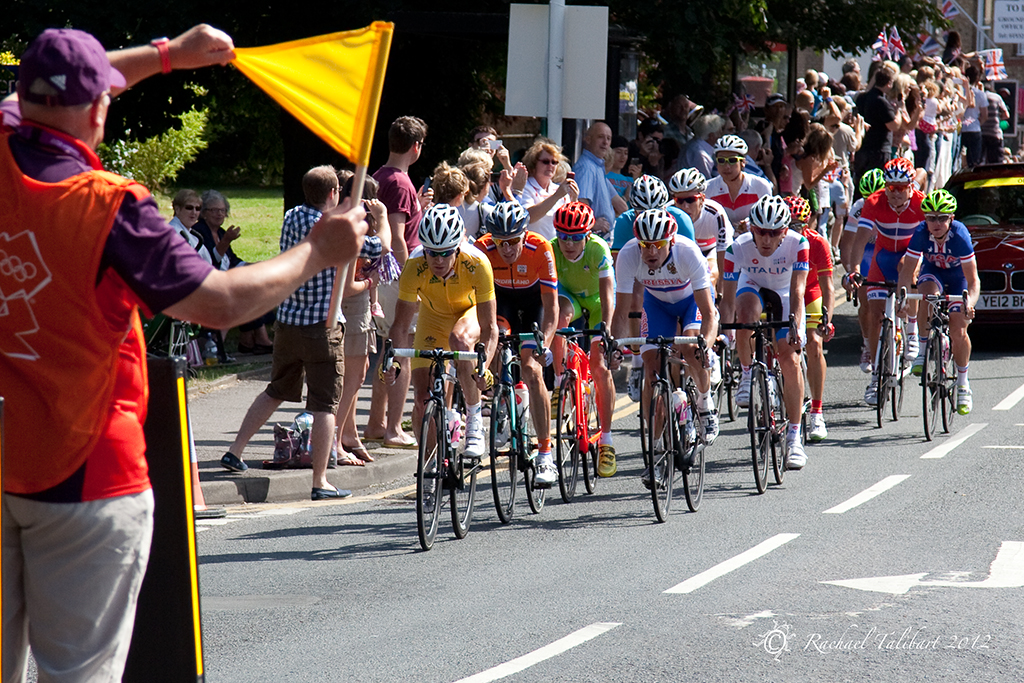
The Olympics got off to an exciting start for us today as the road race came through our village, Oatlands, Weybridge, Surrey.

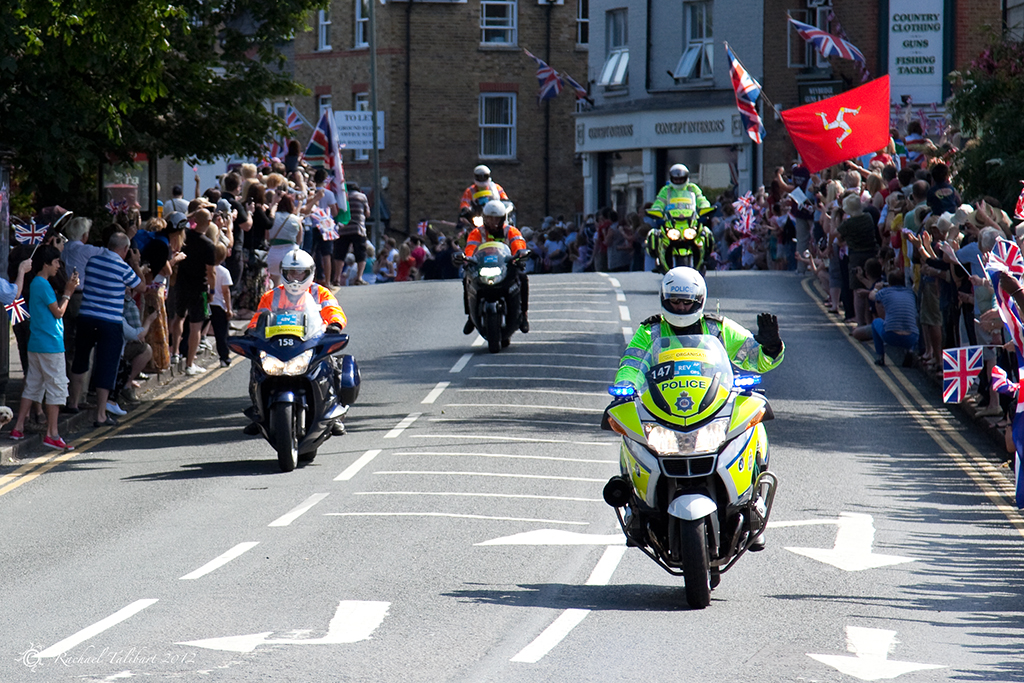
Motorcycle riders for Olympic road race 2012

Outriders

The motorcycle riders who preceded the cyclists were very jolly, waving to the crowd and sounding their sirens or horns.  One even zig zagged down the road, much to the crowd’s delight.

Front riders in Olympic road race 2012

The leaders

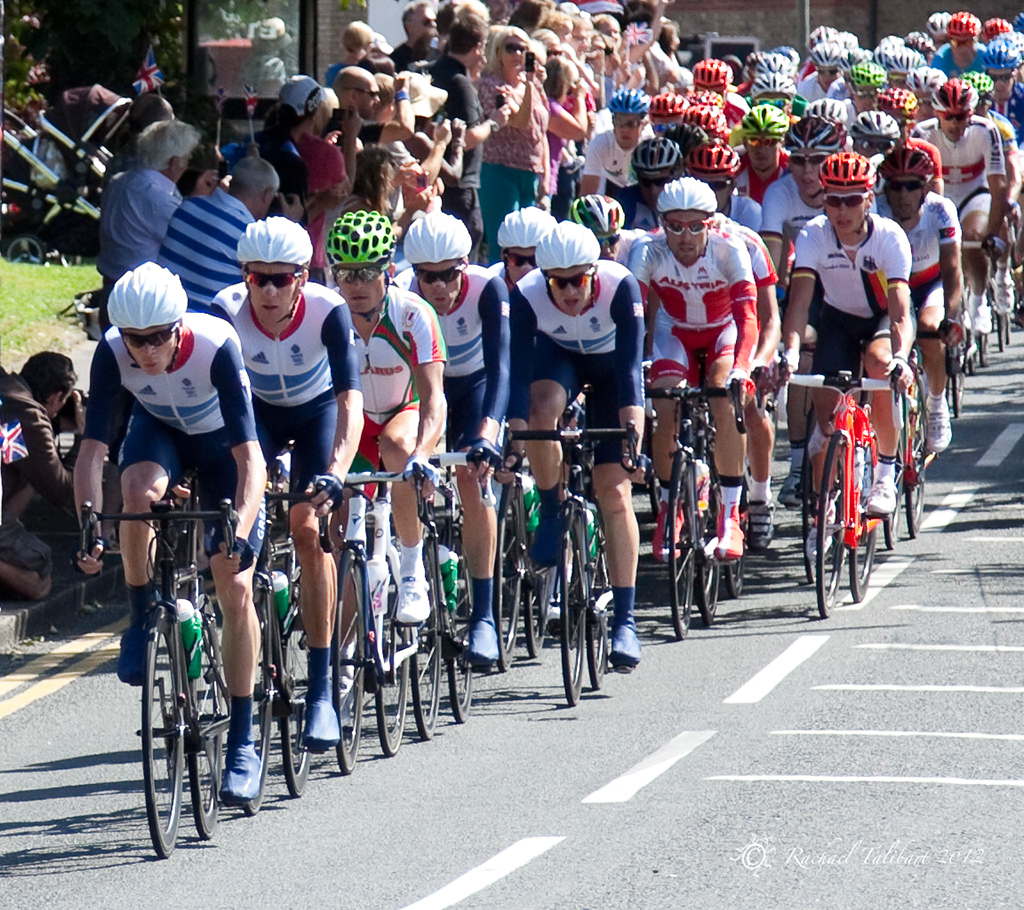
It was very exciting when the cyclists finally appeared.

Cyclists in the Olympic road race 2012

A steely stare from the USA!

One of the USA riders seems to be staring at me but he is in fact looking at another rider moving up to his left, out of frame.

Men's Olympic road race 2012

Australia was leading the front group

Twelve riders were out in front as the race came through Oatlands.

Men's Olympic road race 2012

Determination

But at this early stage there was still everything to race for.

Men's olympic road race 2012

Silver medalist in action

The Columbian rider caught here near the very back is Rigoberto Uran who come through to collect the Silver medal.

Cavalcade of support vehicles for Olympic road race 2012

Support bikes, reflections and shadows.

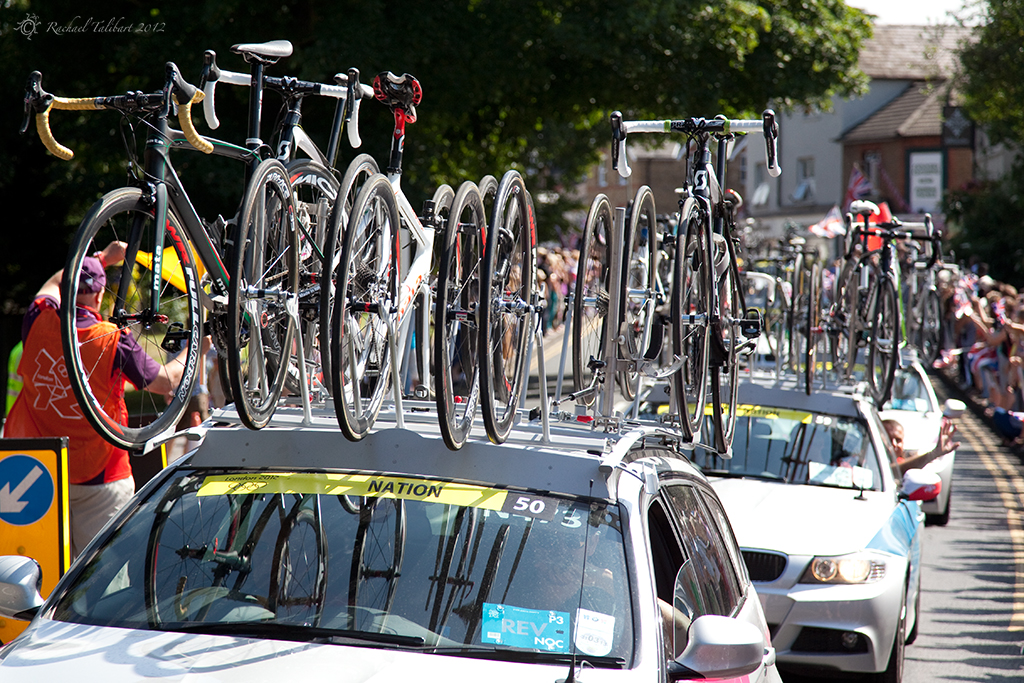
After the riders came all the support vehicles and a multitude of spare bikes and wheels.  Notice how the shadows bottom left seem to be forming some Olympic rings?

Steward takes family's photo Olympic road race 2012

Olympic spirit

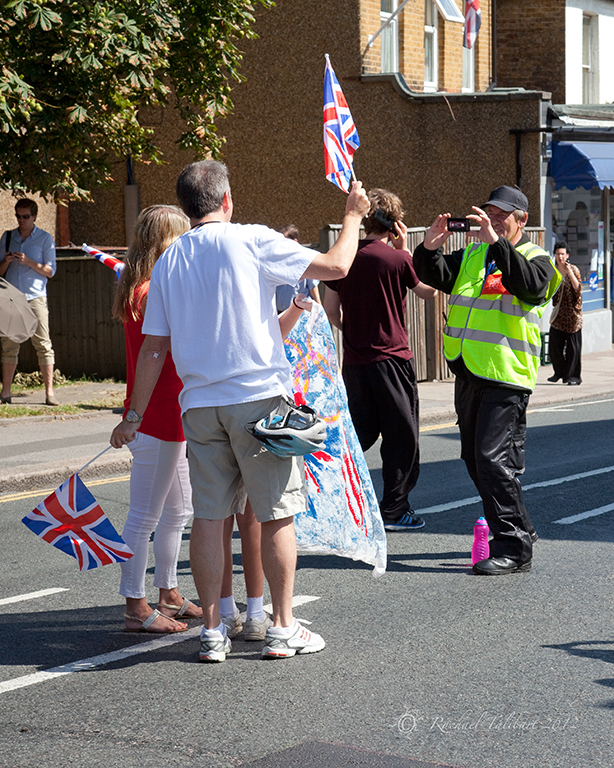
Afterwards the crowds dispersed in very good cheer.

A smiling steward, Olympic road race 2012

Friendly steward

The stewards were really friendly and good humoured – doing a great job.

Tomorrow it’s the ladies’ turn and we’ll be there cheering them on.

By evening’s light

insect in flight

There was a time when meadow, grove, and stream,
The earth, and every common sight,
To me did seem
Apparelled in celestial light,
The glory and the freshness of a dream.

William Wordsworth, ‘Ode: Intimations of Immortality’ (1807)

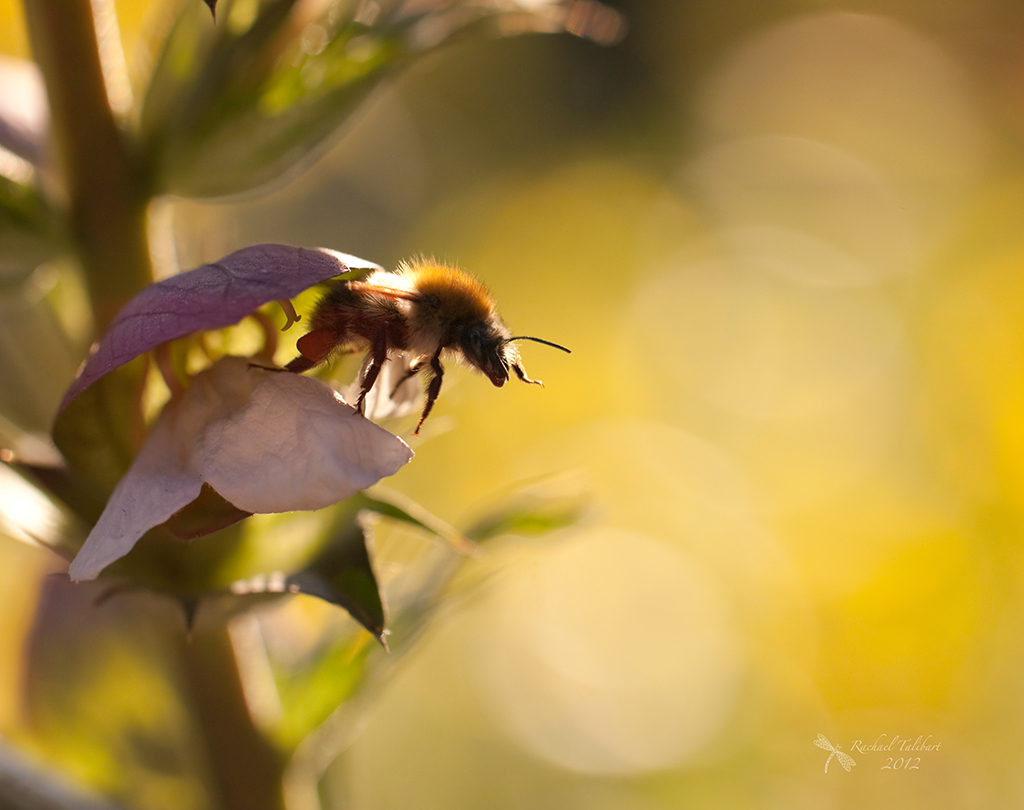
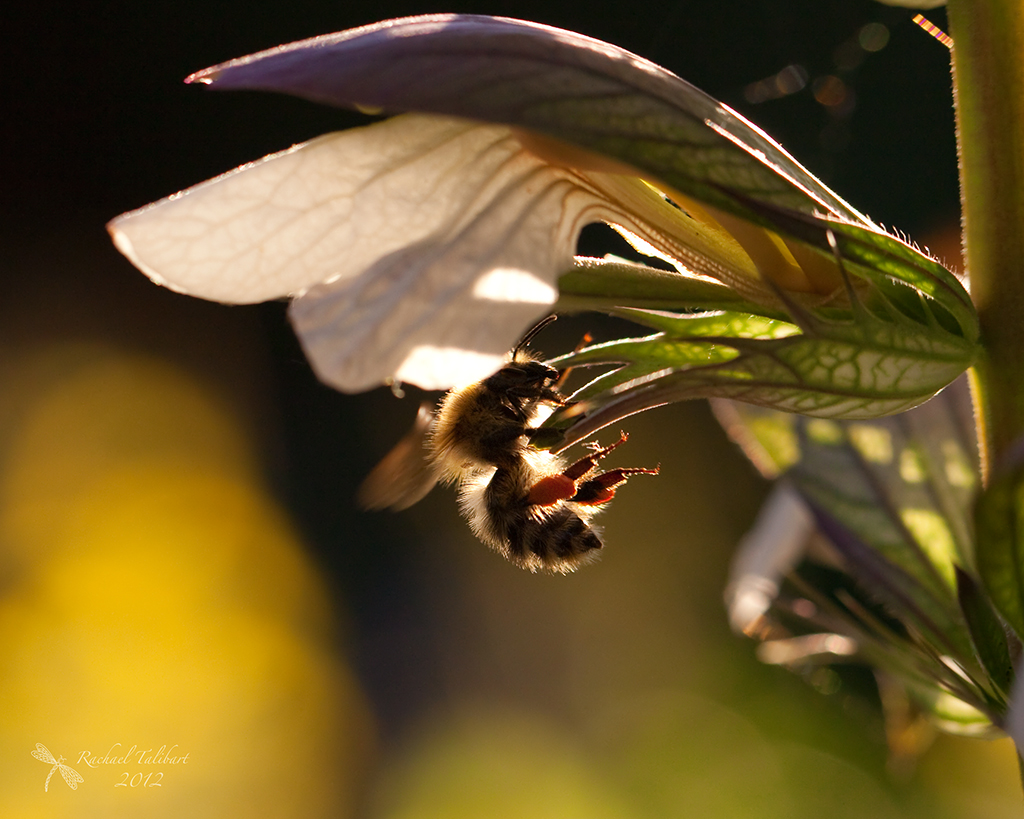
All of these images were taken in my garden yesterday evening.

bee taking off

bumble bee

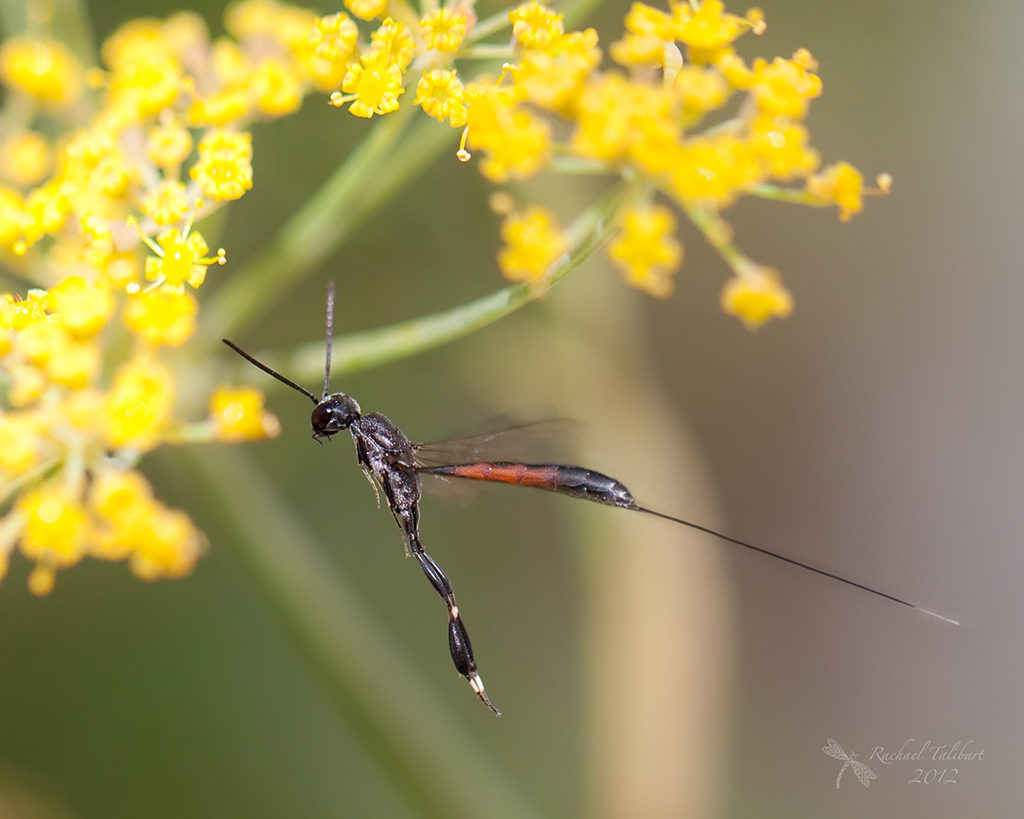
Gasteruption jaculator

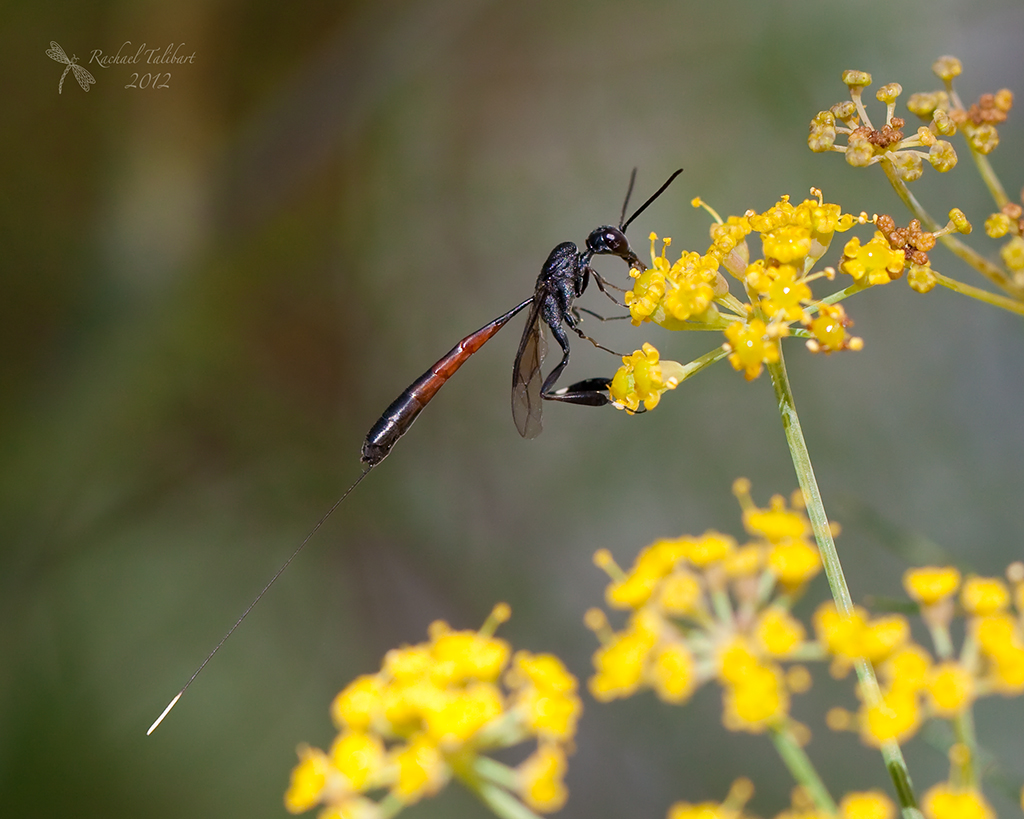
Ammophila
This bizarre creature is gasteruption jaculator. Whoever named it should be banned forthwith from all future namings. I am grateful to afrenchgarden for the I.D. I was wrongly was calling it a sand digger wasp. I have never seen one in my garden before this year. Yesterday I noticed one feeding on fennel pollen but was unable to get a decent shot before it flew away. So, today, I returned to the fennel plant at the same time of day and, low and behold, there it was. And I was delighted to be able to capture it in flight!ammophila

It is an elegant creature with its long spike looking not unlike a cigarette holder from the 1920s (or is that just me?). I am assuming this is the female. Her consort, a much smaller beast without cigarette holder, is below. (It’s a lousy shot, I know, but illustrative.)

ammophila

For an earlier post on other wasps found in my garden, see here.

The weekend summer arrived

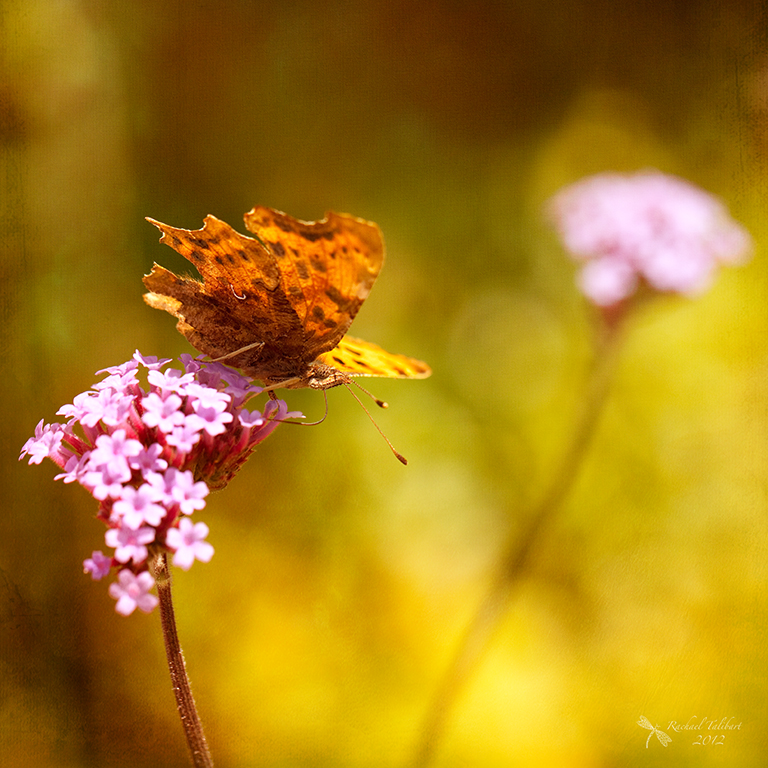
butterfly on verbena
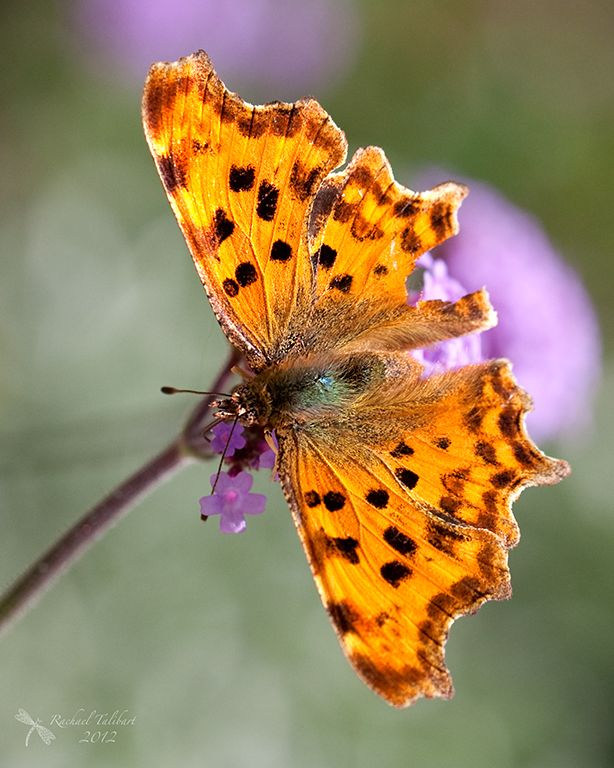
This weekend, summer finally arrived in our little corner of the British Isles. And with it came the butterflies. This Comma (polygonia c-album) just loved the verbena bonariensis in my garden.

butterfly on verbena
I played around with the image in Photoshop. Well, why not?

butterfly on verbena
It was a tatty fellow, even for a Comma, with a notch out of its rear right wing, but that didn’t seem too much of a handicap.


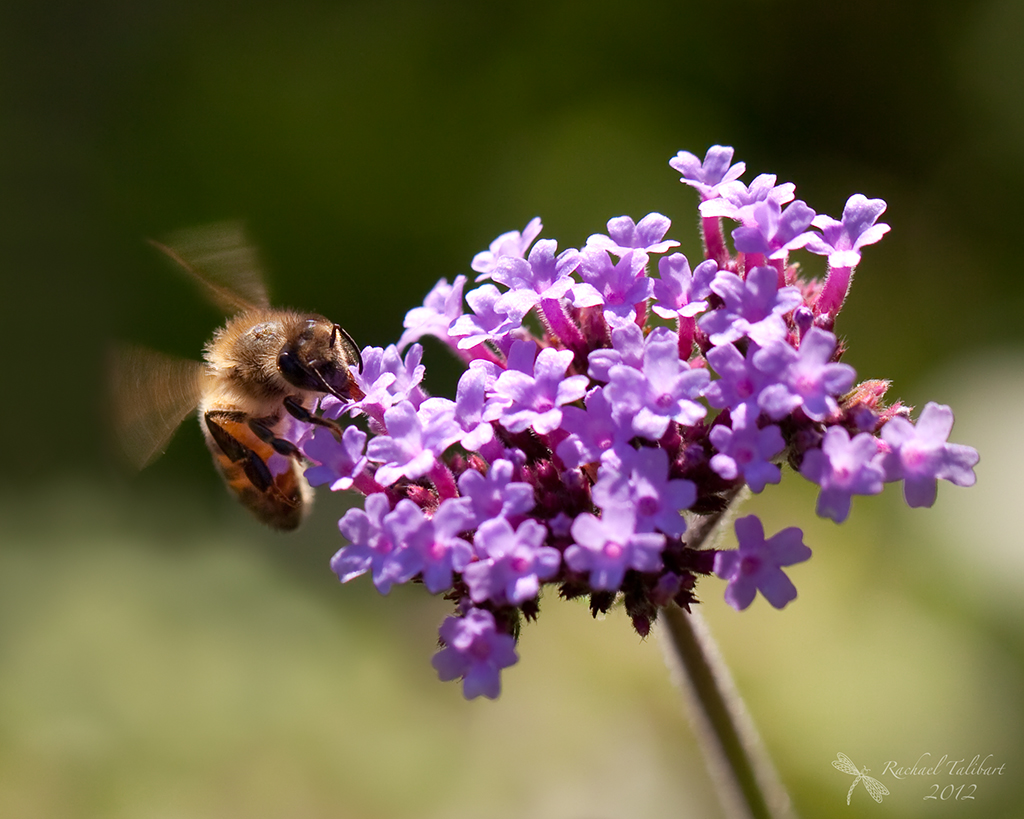
The honey bees were enjoying the verbena too. Nice to see some more about today. They have not enjoyed our very wet and cold weather.

How did you enjoy the weekend? I hope yours was as good as mine. 🙂

Candy-striped leafhopper

graphocephala fennahi

This curious little critter is a rhododendron leafhopper (graphocephala fennahi) nymph. I snapped several shots of it in my garden today. It has excellent eyesight and flipped to the underside of its leaf every time I approached. I liked the softness of this shallow depth of field capture.

Graphocephala fennahi

This is what it will look like later in the summer, when it is full-grown. The adults can fly short distances and make tricky subjects for the camera as they are very flighty and see me coming far too quickly. Although they do little damage to the rhododendron host themselves, outbreaks of a type of rhododendron mould have been connected with infestations of these pretty little critters. But I have to say, they have happily co-existed with my rhododendrons for the ten years we have been here and I consider them a colourful and welcome addition to my garden.

Tough love works

20120715-205421.jpg
I have had this agapanthus (African Lily) plant in the same pot for about fifteen years. I never feed it. I rarely water it. And every year it puts on a show, content with the neglect, giving me more flowers every time.

I like the way the flowers emerge, stretching out after being crammed in their papery buds.

20120715-205648.jpg

And then there they are, more buds! As if they are teasing, withholding their beauty for one more moment.

20120715-205705.jpg

Finally, one flower opens, china blue, like the sky on a sunny day (I dimly remember those!)

20120715-211238.jpg

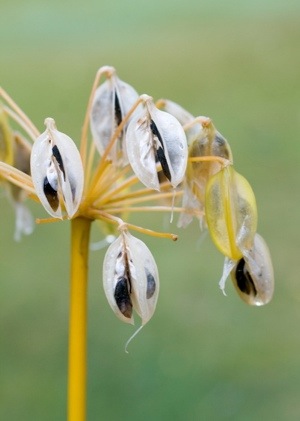
And, when the flowers are done, fat black seeds hang encased in silvery pods, happy to self seed without my having to lift a finger.

20120715-210159.jpg

But, I wonder if you can guess the biggest reason for liking my faithful pot of African Lilies:

20120715-210341.jpg

20120715-211345.jpg

Boke(h) explained, a bit

Ice and bokeh

A popular monthly photography magazine recently ran a brief article with the header: ‘What does ‘bokeh’ actually mean?’ The magazine’s answer was: ‘Bokeh is the effect that’s created by blurred lights in out-of-focus areas’. This is not strictly correct, although a common misconception. So I thought I might spend today’s post on the subject of boke(h).

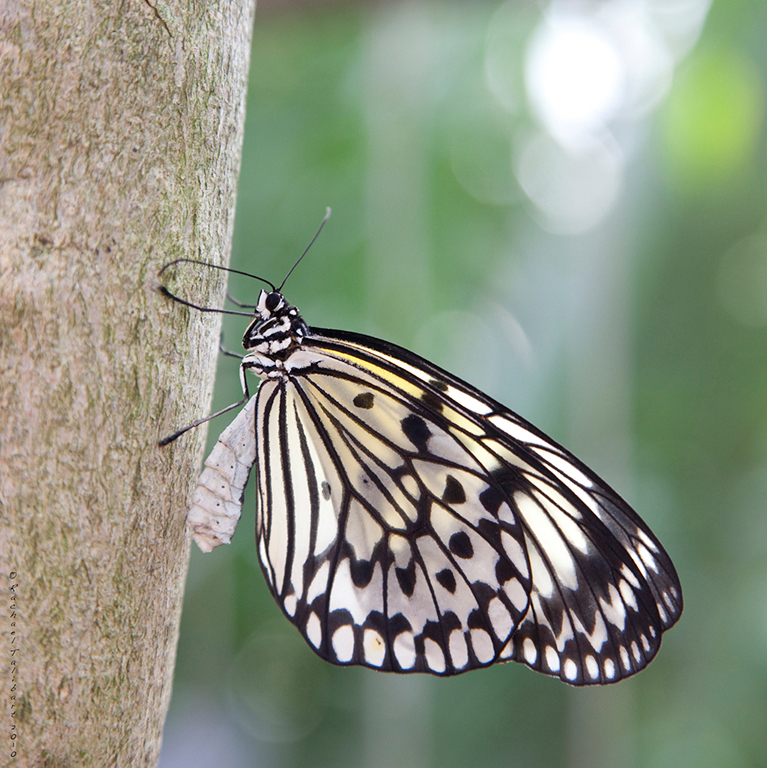
Butterfly

The reason for the bracket is that the word, in the original Japanese, has no ‘h’: the ‘h’ is there so that non-Japanese speakers do not pronounce it like broke but without the ‘r’. Here’s how OxfordDictionaries.com defines bokeh: ‘the visual quality of the out-of-focus areas of a photographic image, especially as rendered by a particular lens’. So, bokeh is not just discs of light like those in the images above. It is also the smooth background in the picture below.
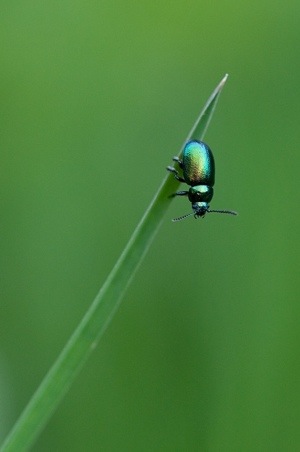
20120714-200535.jpg

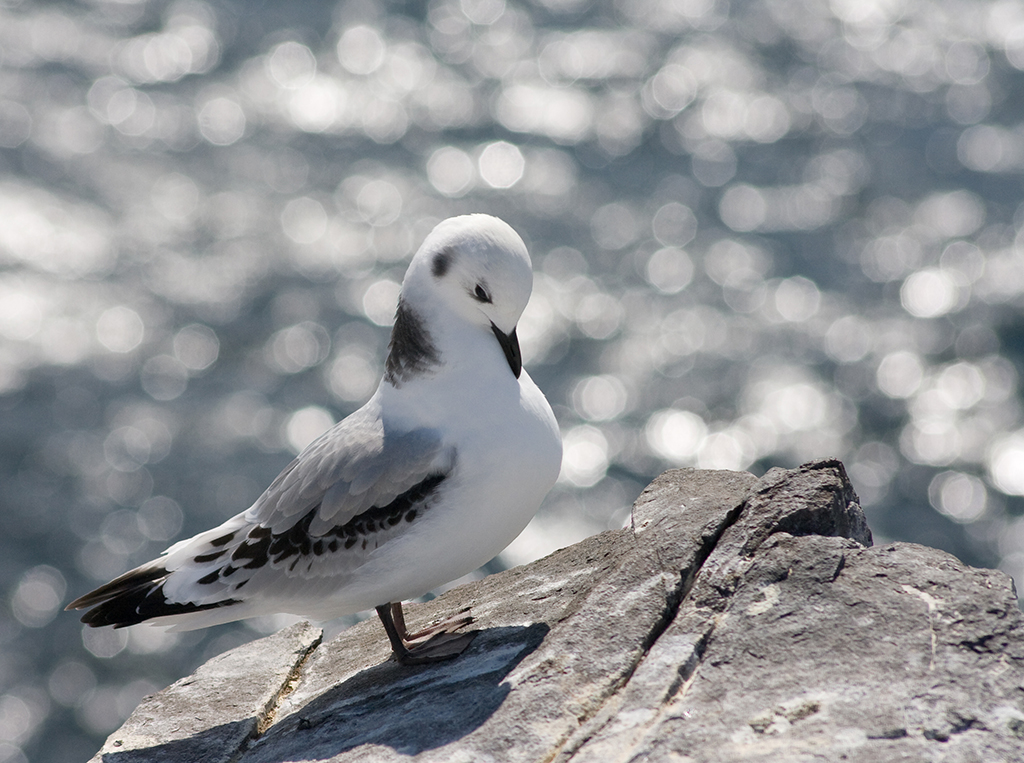
If you are trying to create bokeh, your results are going to depend on a number of things including your lens. On the whole, good quality prime lenses produce smoother, better quality bokeh. In the picture below, the nine-sided (really, I counted them!) highlights behind the kittiwake are the result of the lens picking up the sparkles in the sea beyond the cliff.

bird in Northumberland

At first sight the bokeh lights make a pretty background. But let’s take a closer look at those nonagons.

Not so nice! That would not make a very pretty print. My 70-300mm zoom lens does not make great bokeh.

On the other hand, my 100mm macro lens, a beautiful little prime, does rather nice, creamy bokeh.

Ah, that’s better.

Also, your choice of aperture will affect bokeh lights. In the shots below, the one on the left is at f2.8 and the one on the right at f5.6.
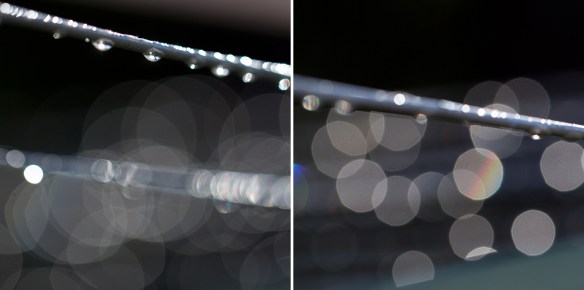
demonstration of aperture effect on bokeh

Equally, the distance from your focal point will change the bokeh. Below, the aperture is f2.8 in both shots but look at the difference in the bokeh lights when I move closer to the flower in the second shot.
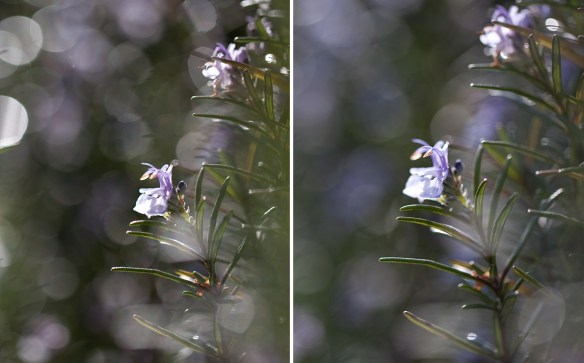
effect of distance on bokeh lights

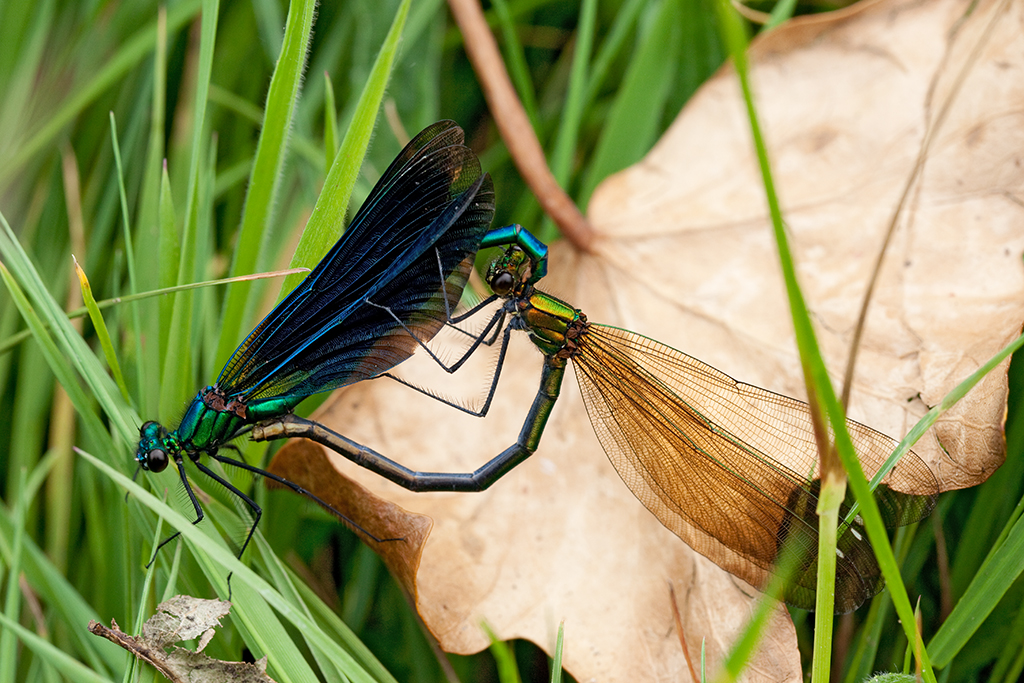
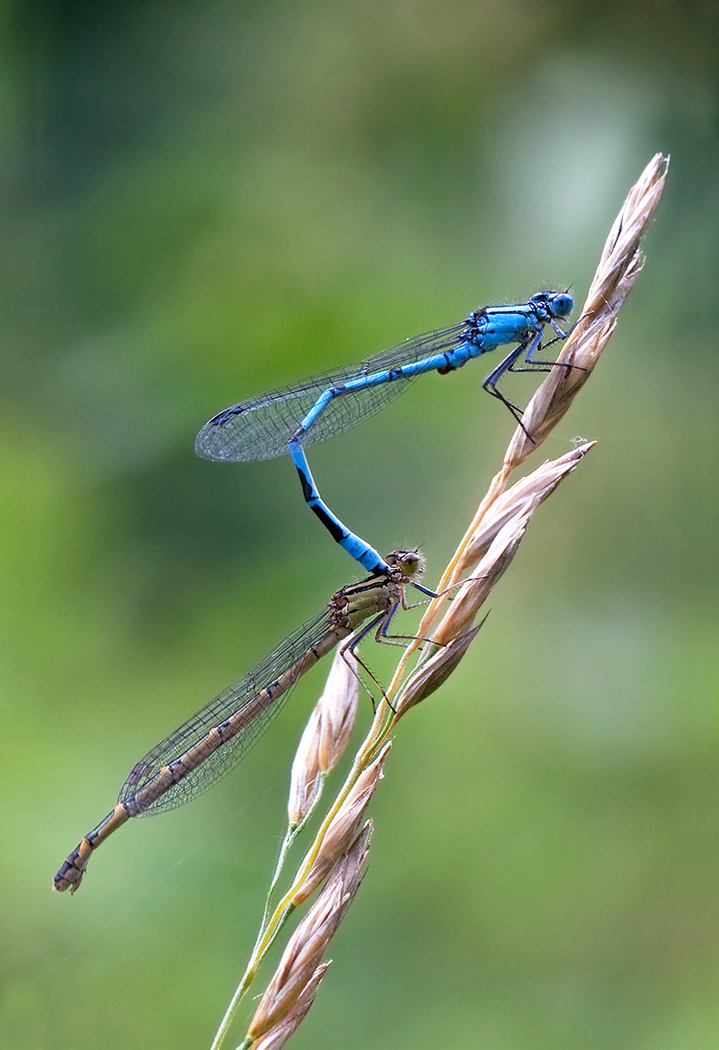
If you want the science, there is a website that explains it all. Good luck. In the meantime, here are some random thoughts about bokeh. Bokeh is good if you want a nice uncluttered background that does not distract from your subject. Let’s compare two shots of damselflies mating.

damselflies

Wow. I got them in full mating pose here, making a ring. But that background is fussy. It detracts.

mating damselflies

Here, the amorous couple is only in half-hold position, but the background is less distracting. It is a better image because I am communicating to the viewer rather than simply making a record. (Mind you, the camera club judge still complained about the light bit of bokeh top right – you can’t please everyone all of the time!) Of course, you have to balance using an aperture wide enough to throw the background out of focus but not so wide that only part of the subject is sharp. But then no-one said it was going to be easy and that’s all part of the fun.

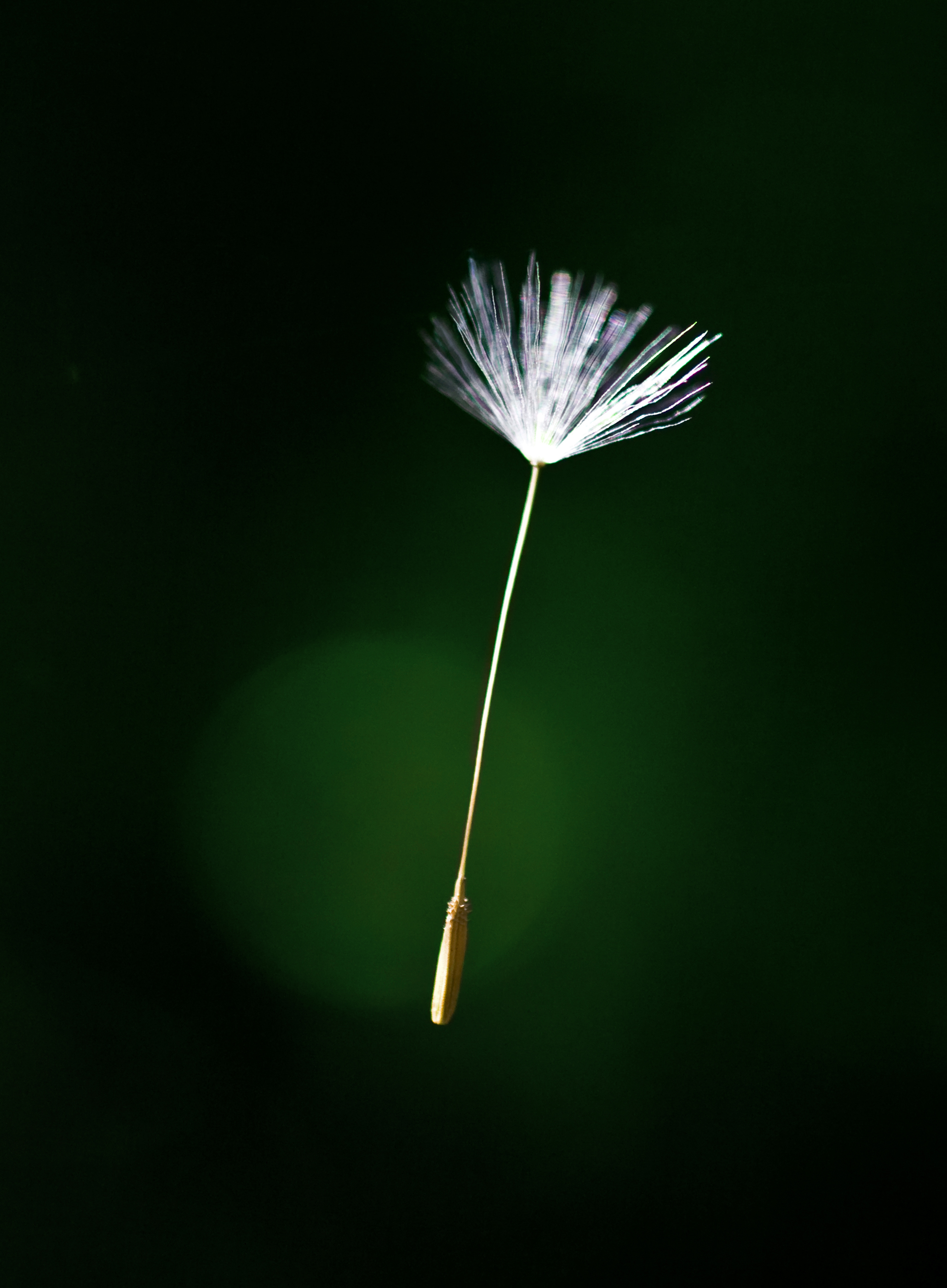
As for those ubiquitous bokeh lights, I prefer them when they are not distracting, or if they are made to be part of the image, as in the first shot in this post and the not-hugely-brilliant-but-suitably-illustrative shot below.
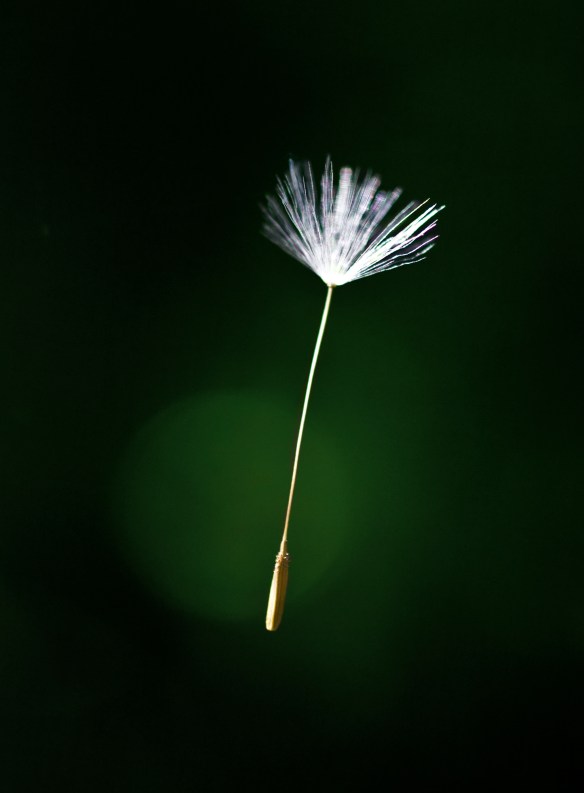
dandelion seed

One final thought. Bokeh is not limited to backgrounds. The shot below exploits the impact of out-of-focus areas in front of the focal point.

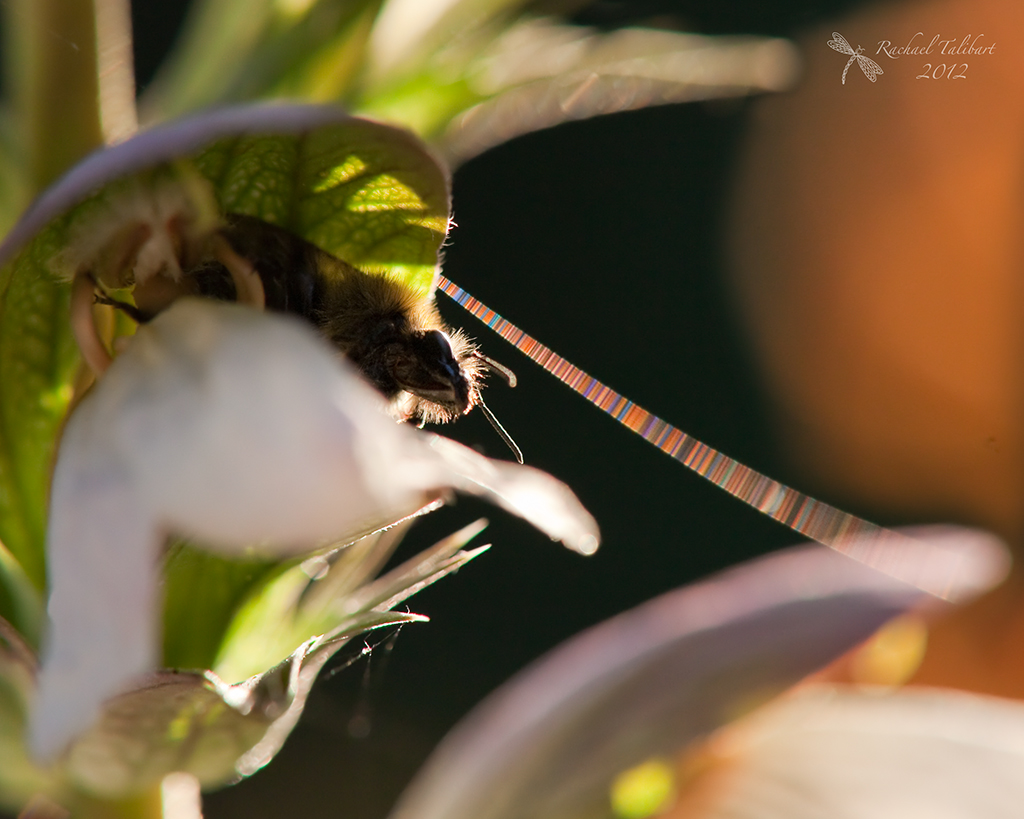
web and refraction

It can be effective deliberately to focus past objects to add a soft, dreamy look,
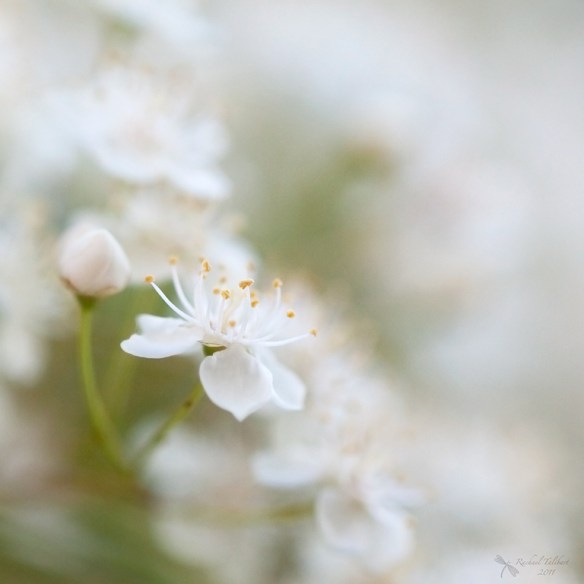
pyracantha blossom

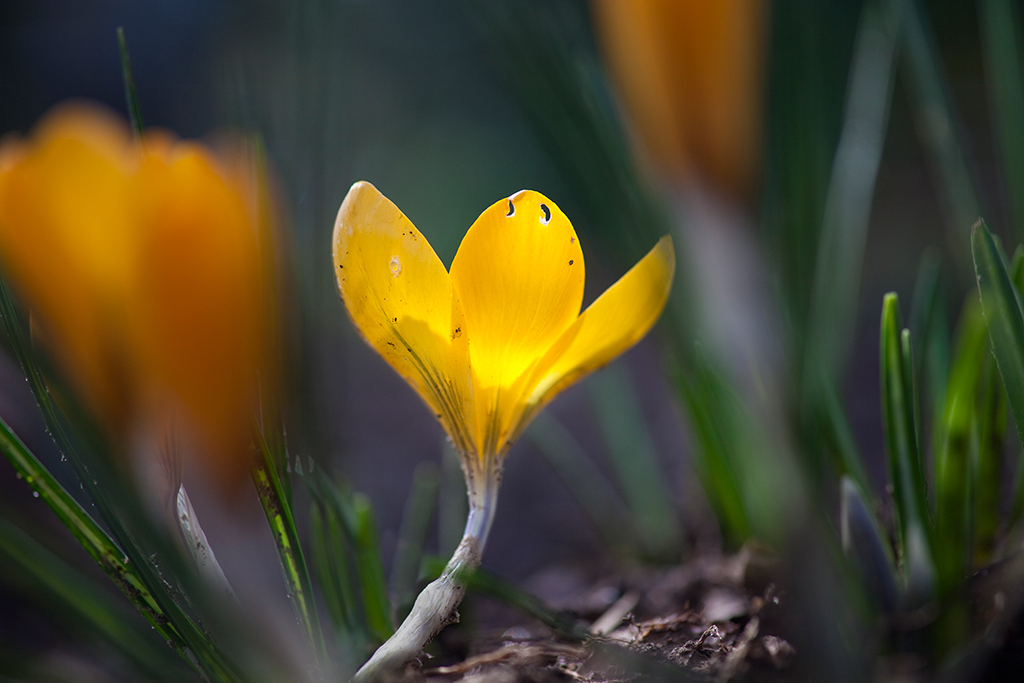
or the feeling of having just happened upon the subject, by peeping through the undergrowth.
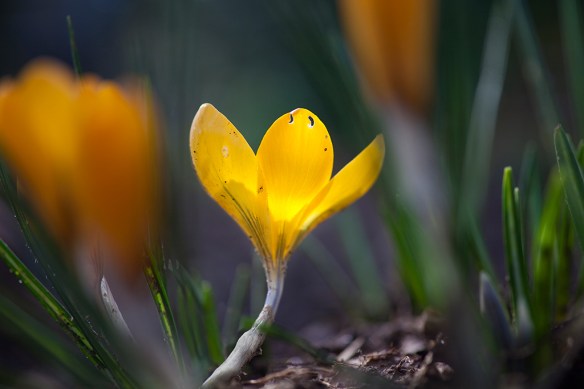
crocus

That’s enough bokeh from me. Do you have a favourite bokeh shot or tip? Perhaps you find the term slightly irritating, or is that just me? Feel free to share in the comments.