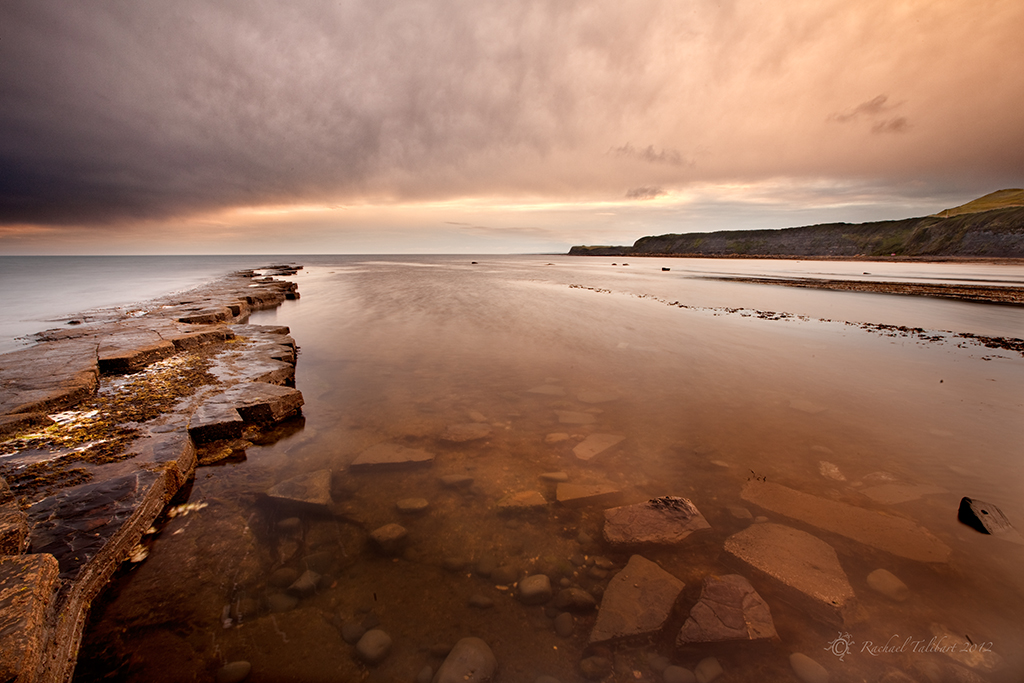
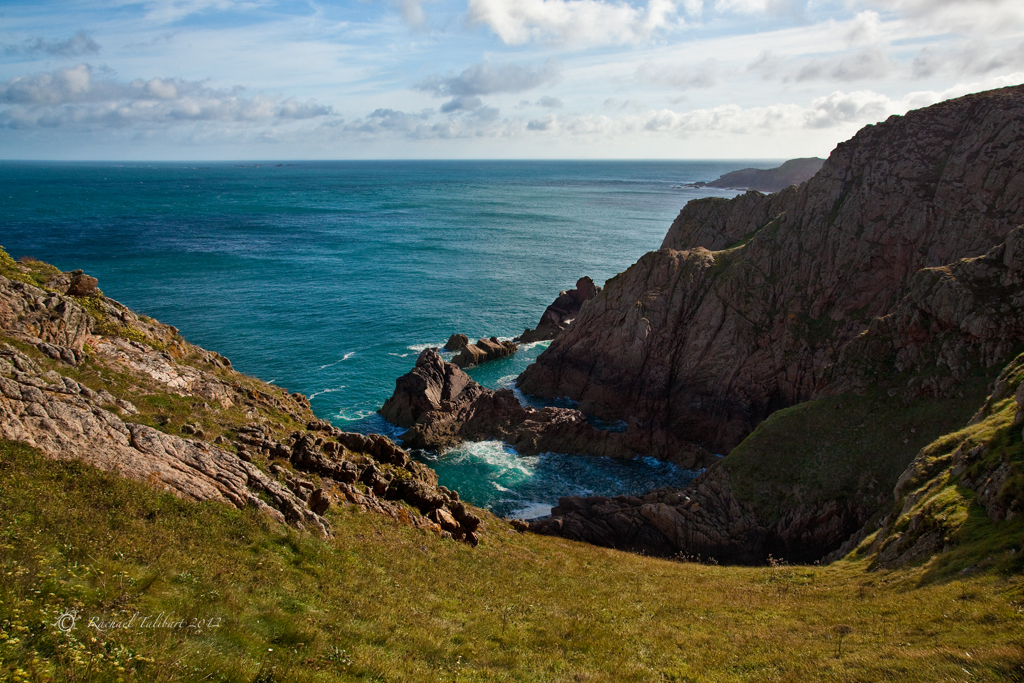
Last light at Kimmeridge

20120918-185658.jpg
Another photo from my evening shoot at Kimmeridge Bay last month. The iconic landmark on the headland is Clavell’s Tower.
Built in 1830 by Reverend Clavell as an observatory and folly, the tower has inspired writers ever since. Thomas Hardy took his sweetheart, Eliza Nicholl, to the tower and included an illustration of it in his Wessex Poems. It was also the inspiration for P. D. James’s novel, The Black Tower and was used as a location in the television adaptation of the story. Moreover, it appeared in the music video for The Style Council’s single, ‘Boy Who Cried Wolf’.

20120918-190649.jpg
Between 2006 and 2008 the whole tower was painstakingly moved, stone by stone, 25 metres inland to save it from cliff erosion that threatened to send it crashing into the Bay. It is now operated as a holiday let by The Landmark Trust.

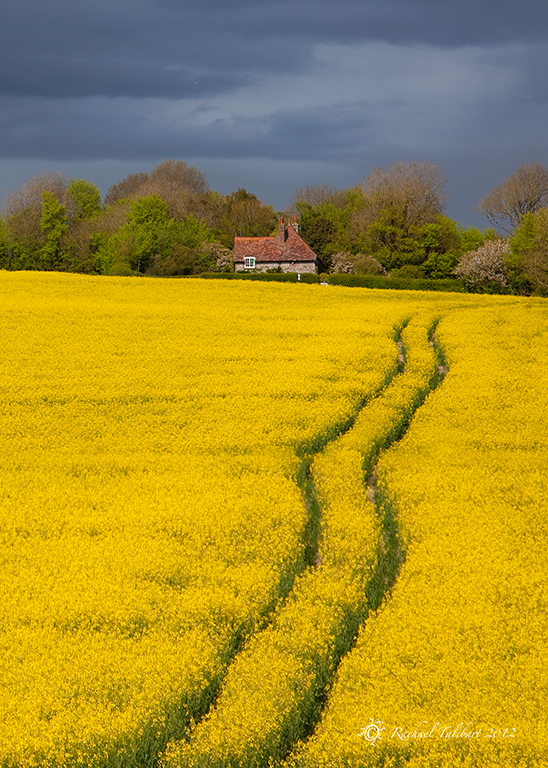
Yellow field before the storm

cottage and rapeseed field, Alfriston, East Sussex

Many of my images are inspired by paintings. I think the same basic compositions work in both mediums.  In this image I was inspired by the watercolours of Michael Morgan RI, an artist whose work I greatly enjoy.  I was recently lucky enough to acquire two of his originals which, together with one of his limited edition prints now provide permanent inspiration on my walls.

Which artists inspire you?  Feel free to post examples of your work below.  I find the crossover between genres interesting and would love to see what influences my fellow photographers!

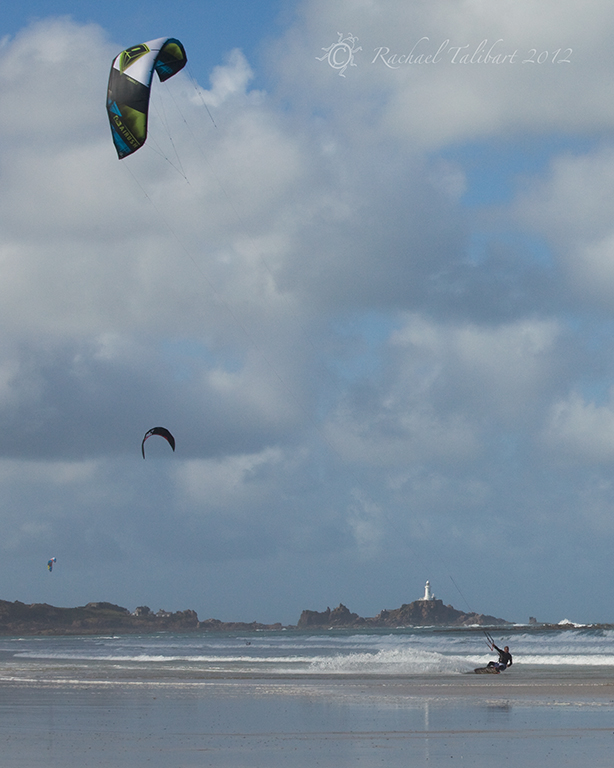
Kite surfers do it in style

St.Ouen's bay jersey
While I was on Jersey last month I had a chance to watch kite surfers doing their thing. What an amazing sport.
La Rocco tower, Jersey
I wonder what the eighteenth century builders of La Rocco tower would think if they could see this scene.
St.Ouen's Beach, Jersey
I got chatting to one of the surfers and he told me it’s really quite easy. Not sure I believed him. The lighthouse in the background is La Corbiere, which featured in a couple of my earlier posts.
La Rocco tower
One of the tricky things I discovered about shooting kite surfers is that you have to choose between wide shots to get the kite as well as the surfer or close ups to capture the jumps and rolls the surfers do. The trouble with the latter is that without the kite the shot can look a little weird. Needless to say, however, I gave it a good try and some closer shots will feature in a later post.

Bush cricket again

20120913-224702.jpg
It’s been a while since I posted a picture of the speckled bush crickets in my garden. They seem to have disappeared now – this shot was taken in July. I think it is an adult, although I am prepared to be corrected on that. Here it is taking a well-earned rest from the tiring task of peppering my mallow flowers with holes.

The honey pot site

Kimmeridge Bay, Dorset, landscapeCertain iconic locations for landscape photography are known as ‘honeypot’ sites. Kimmeridge Bay on Dorset’s Jurassic Coast is one such site. I visited it for the first time on holiday this summer. Sadly, I was not treated to one of the spectacular sunsets one sees so often captured at this location but I made the best of what I had. There was only one other photographer on the beach, a local, who told me that if there had been the merest whiff of a good sunset the beach would have been heaving with tripods etc. Perhaps I was lucky after all.

Mystery plant revealed…

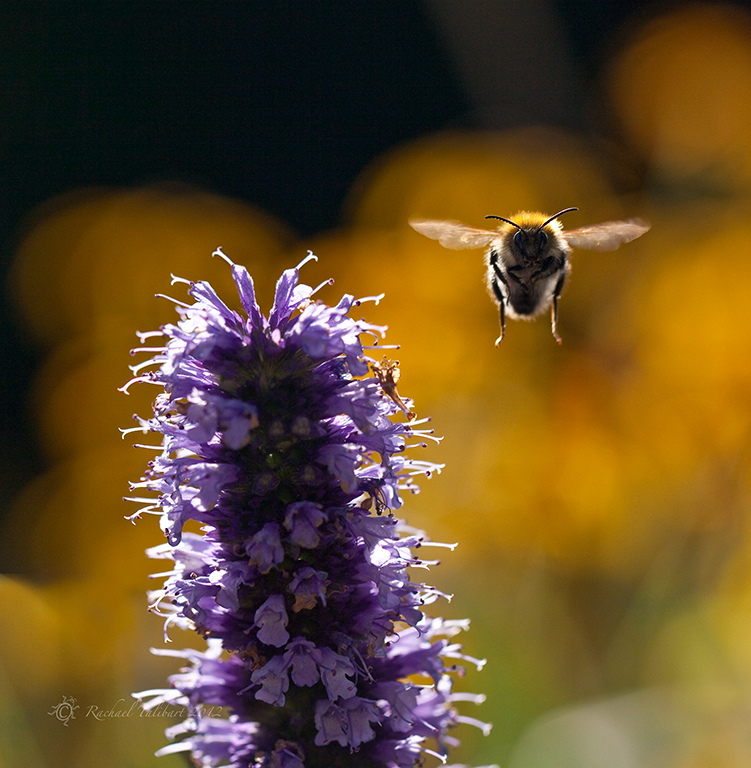
Carder bee hovering near spearmintA helpful friend on Facebook suggested the mystery plant from yesterday might be a member of the mint family so I went outside and did the leaf-rub test. Low and behold, and without a shadow of a doubt, it is spearmint. Thanks, Harry.
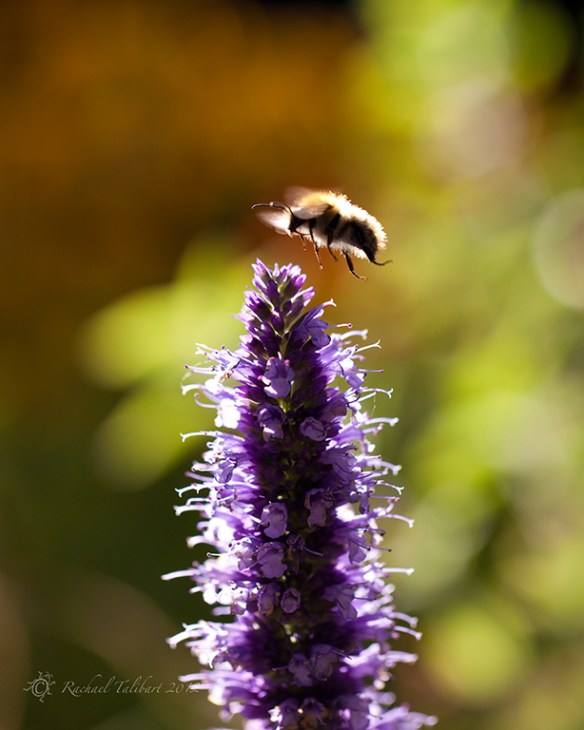
carder bee hovering over spearmint
I was pleased to find the following interesting, and apposite, minty mythology:

“Mint has been regarded as a symbol of Hospitality; ancient Romans strewed it around at feasts and banquets as a sign of welcome to guests.

The genus name Mentha comes from Greek Mythology. Legend has it that Menthe was a nymph who loved Pluto; when Pluto’s wife Persephone discovered this she turned the nymph into a mint plant.

It is also believed that the Ancients scoured their tables with this herb when preparing for the gods. Furthermore, the gods had fields of mint that bees used to make honey.

According to an ancient legend, Demeter drank a special drink called cecyon (kekyon) at Eleusis. This sacred drink of the Eleusine Mysteries was made by blending wheaten gruel with mint. Female initiates carried vessels of cecyon bound to their heads. The Greeks also believed that mint increased love-making. Moreover, mint, rosemary and myrtle were used in the final preparations of the dead in ancient Greece.”
www.modeflowers.com/flower-varieties/mentha-flowers

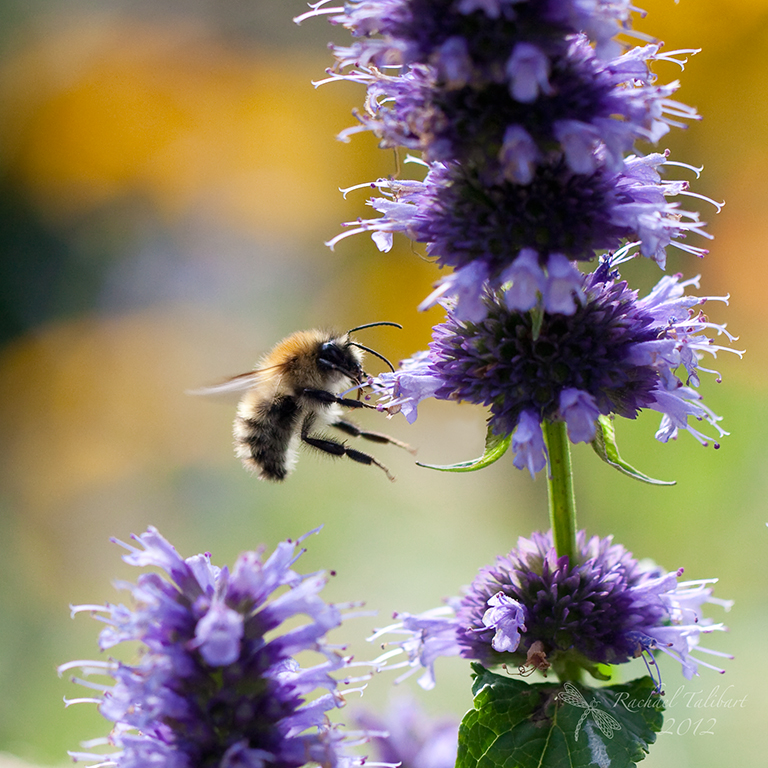
carder bee on spearmint flowers I like it that the gods grew fields of mint for bees. They knew a thing or two, because the bees really do love these flowers! (Although I haven’t noticed any honey bees on them yet.)
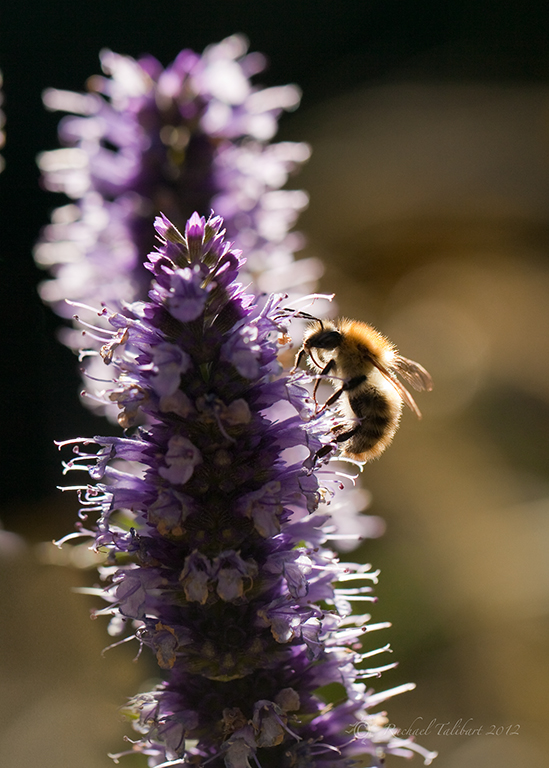
carder bee on spearmint flowers
Carder bees are smallish bumble bees and they make their nests in old mammal burrows or tussocks of grass. They have a reputation for being feisty if their nest is threatened but while foraging in the garden they are as harmless as any other bumble bee. In fact, even more placid in my experience.
carder bee on spearmint flowers
For more information on carder bees see here.

Carder bee heaven

Garden colour and bee

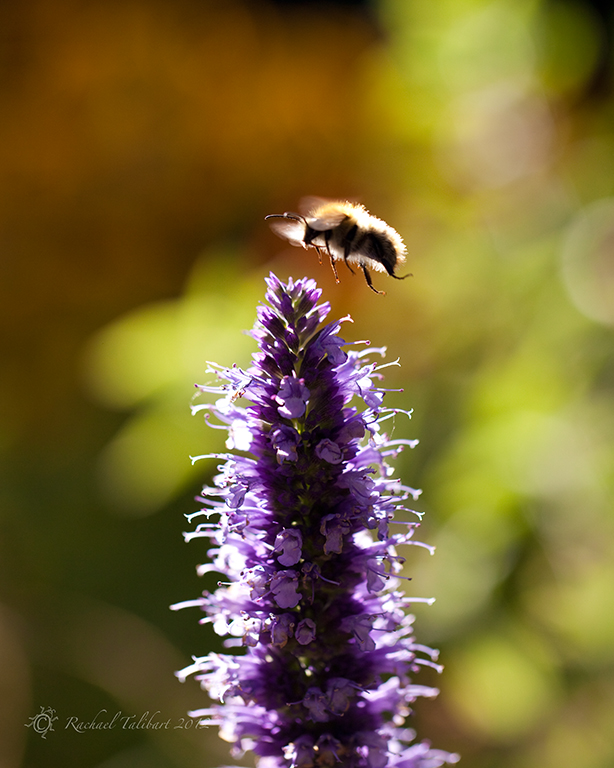
It has been several days since a buggy post!  Most unlike me.  But never fear, the carder bees are here!  They have been very happy this weekend, enjoying the lovely warm weather among the late summer flowers in my garden.

bee on purple flowers

I have forgotten the name of this purple flower but no matter; it shall henceforth be known as carder bee heaven.

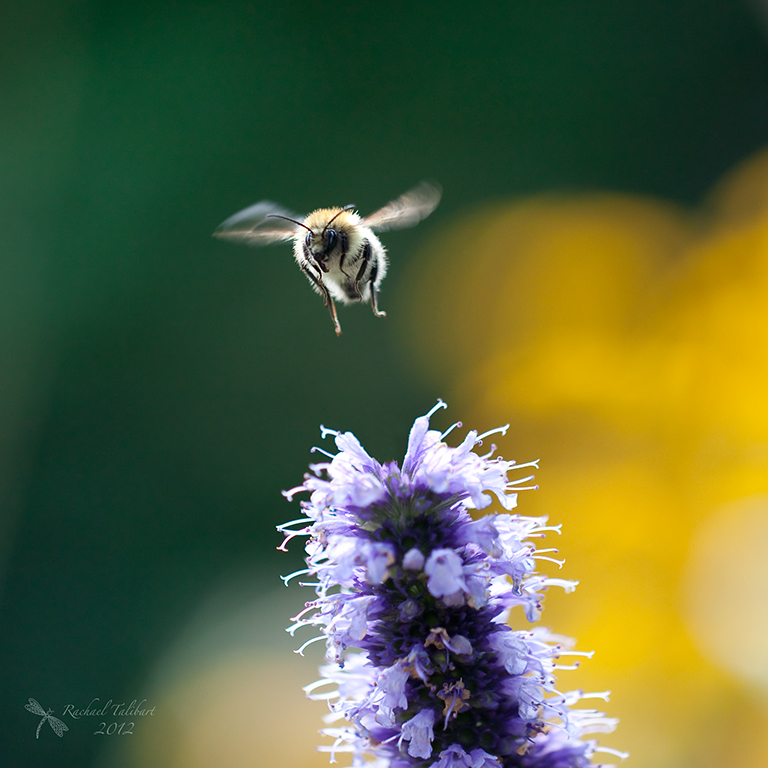
a carder bee in flight approaching purple flower

Making a bee line

It was rather special, sitting in the border surrounded by gorgeous late summer colour and hordes of very happy bees.

carder bee and purple flowers

Nearly there!

These small bumble bees are very cute.  Or is that just me?

a carder bee on purple flower

My favourite

This last shot isn’t quite as sharp as I would normally like but I just couldn’t help include it: geronimo!

a carder bee takes off from a purple flower

Heavy lifter

If you want to know my technique for shooting flying bugs, see my earlier post, In-flight entertainment where I reveal all my secrets!

Grosnez castle

castle ruins, Jersey

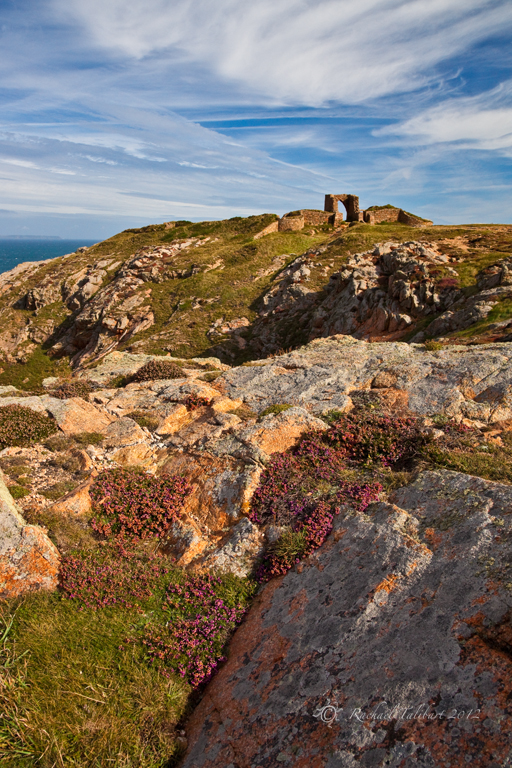
Our visit to Jersey gave me an opportunity to add to my castle series.  Grosnez Castle was built in the 14th century.  Little remains of the castle but it makes a very atmospheric ruin, perched atop the headland at the Northwest corner of the island.

Ruined arch of Grosnez Castle

‘Grosnez’ comes from the old Norse, grar nes, meaning ‘grey headland’, rather than the French for ‘big nose’.  According to an interpretation board at the site, the castle was probably built in around 1330.  It was taken by the French in 1373 and 1381 and was likely demolished during or shortly after the French occupation of 1461-8.

Jersey coastline

The castle certainly has a commanding view of the Jersey coast.  Just along the headland stands another martial construction taking advantage of those views, a German WW2 range-finder tower, part of Hitler’s ‘Atlantic Wall’.

Tower among heather on cliff, Jersey

It is a strangely forbidding construction, a stark contrast to the tapestry of heather and wildflowers at its base. The two structures together are a reminder of Jersey’s history of occupation, straddling some of her most beautiful landscape.

WW2 observation tower seen from Grosnez Castle, Jersey.