Tough love works

20120715-205421.jpg
I have had this agapanthus (African Lily) plant in the same pot for about fifteen years. I never feed it. I rarely water it. And every year it puts on a show, content with the neglect, giving me more flowers every time.

I like the way the flowers emerge, stretching out after being crammed in their papery buds.

20120715-205648.jpg

And then there they are, more buds! As if they are teasing, withholding their beauty for one more moment.

20120715-205705.jpg

Finally, one flower opens, china blue, like the sky on a sunny day (I dimly remember those!)

20120715-211238.jpg

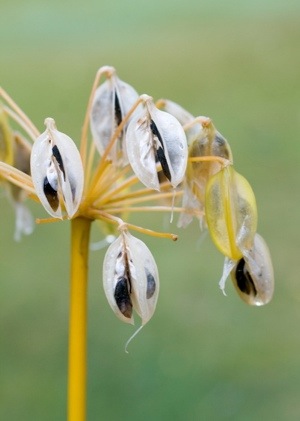
And, when the flowers are done, fat black seeds hang encased in silvery pods, happy to self seed without my having to lift a finger.

20120715-210159.jpg

But, I wonder if you can guess the biggest reason for liking my faithful pot of African Lilies:

20120715-210341.jpg

20120715-211345.jpg

Boke(h) explained, a bit

Ice and bokeh

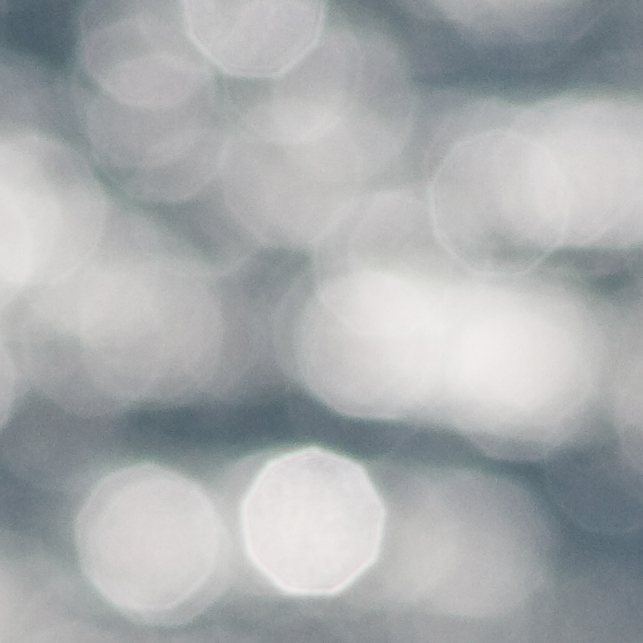
A popular monthly photography magazine recently ran a brief article with the header: ‘What does ‘bokeh’ actually mean?’ The magazine’s answer was: ‘Bokeh is the effect that’s created by blurred lights in out-of-focus areas’. This is not strictly correct, although a common misconception. So I thought I might spend today’s post on the subject of boke(h).

Butterfly

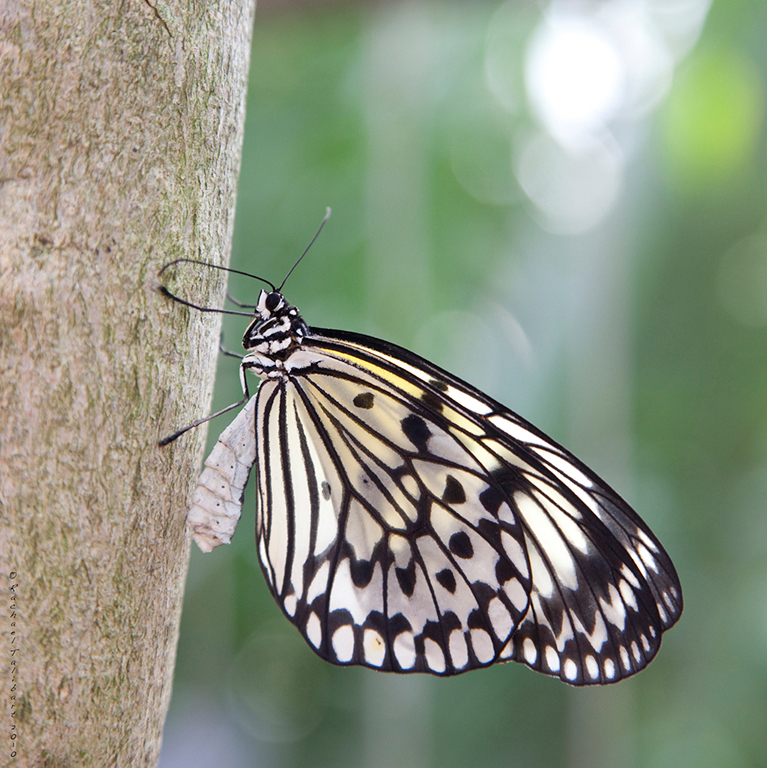
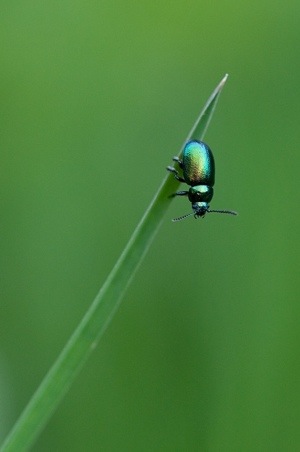
The reason for the bracket is that the word, in the original Japanese, has no ‘h’: the ‘h’ is there so that non-Japanese speakers do not pronounce it like broke but without the ‘r’. Here’s how OxfordDictionaries.com defines bokeh: ‘the visual quality of the out-of-focus areas of a photographic image, especially as rendered by a particular lens’. So, bokeh is not just discs of light like those in the images above. It is also the smooth background in the picture below.
20120714-200535.jpg

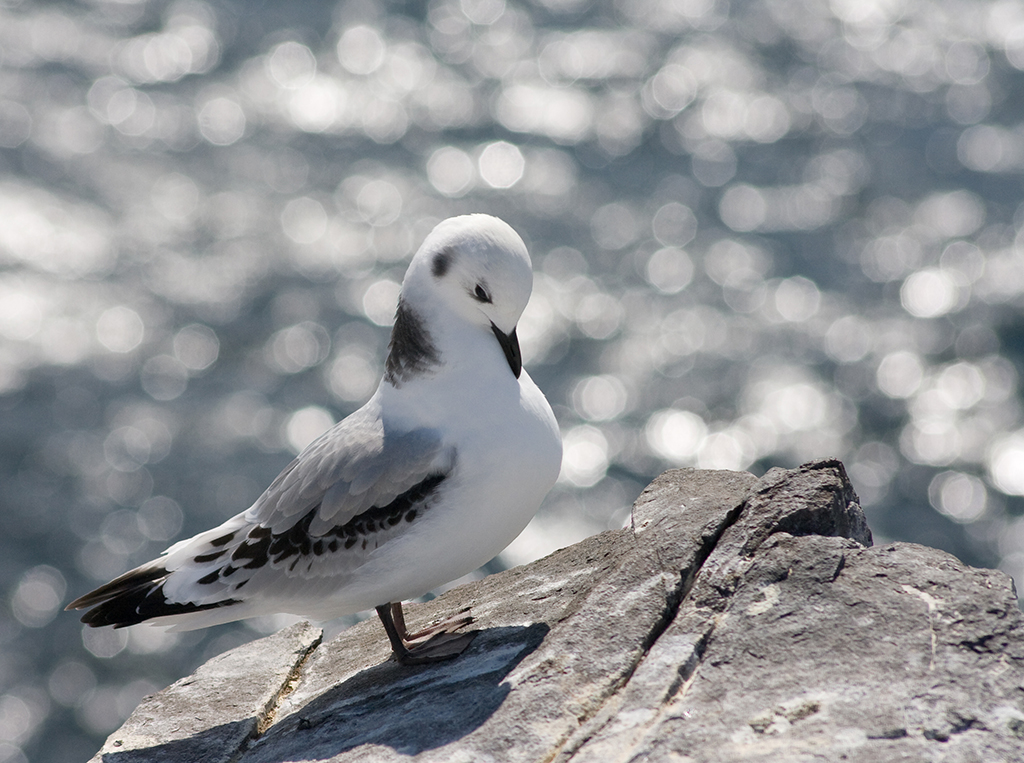
If you are trying to create bokeh, your results are going to depend on a number of things including your lens. On the whole, good quality prime lenses produce smoother, better quality bokeh. In the picture below, the nine-sided (really, I counted them!) highlights behind the kittiwake are the result of the lens picking up the sparkles in the sea beyond the cliff.

bird in Northumberland

At first sight the bokeh lights make a pretty background. But let’s take a closer look at those nonagons.
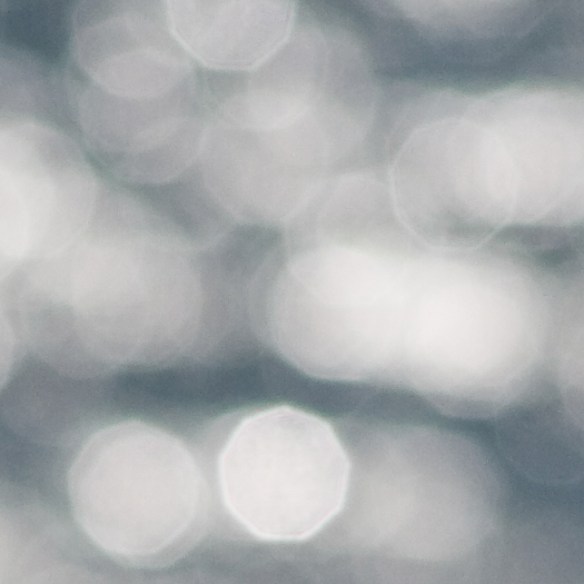
Not so nice! That would not make a very pretty print. My 70-300mm zoom lens does not make great bokeh.

On the other hand, my 100mm macro lens, a beautiful little prime, does rather nice, creamy bokeh.

Ah, that’s better.

Also, your choice of aperture will affect bokeh lights. In the shots below, the one on the left is at f2.8 and the one on the right at f5.6.
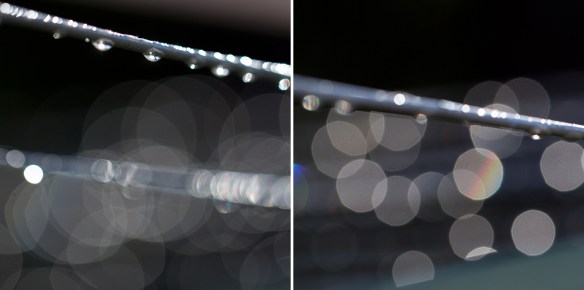
demonstration of aperture effect on bokeh

Equally, the distance from your focal point will change the bokeh. Below, the aperture is f2.8 in both shots but look at the difference in the bokeh lights when I move closer to the flower in the second shot.
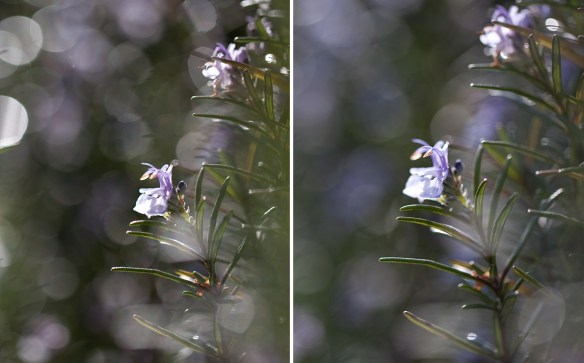
effect of distance on bokeh lights

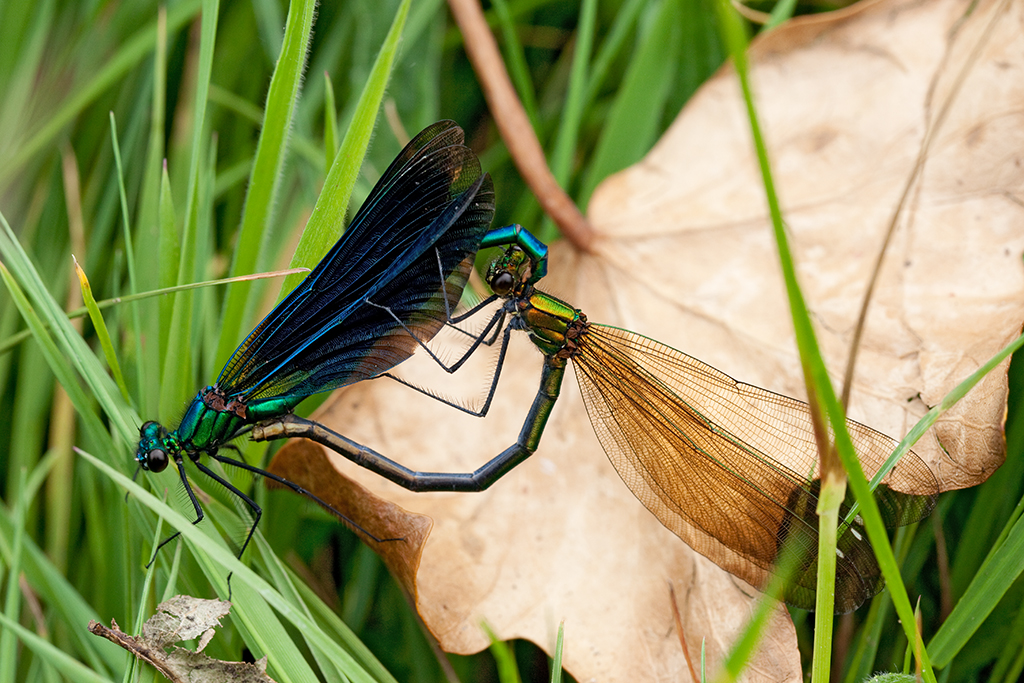
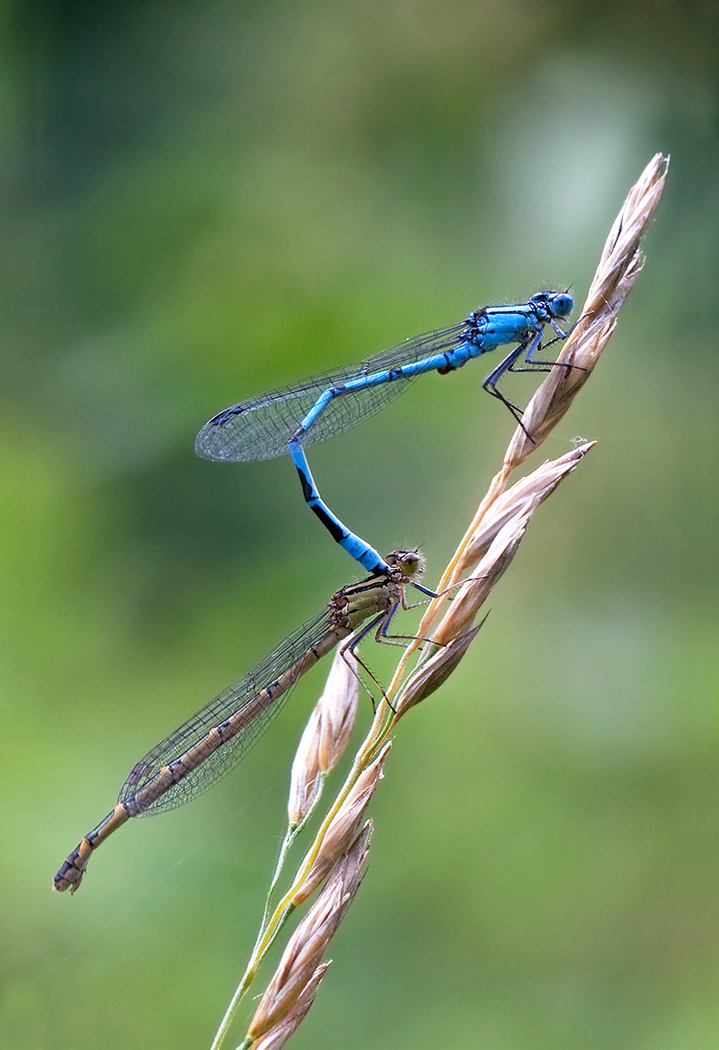
If you want the science, there is a website that explains it all. Good luck. In the meantime, here are some random thoughts about bokeh. Bokeh is good if you want a nice uncluttered background that does not distract from your subject. Let’s compare two shots of damselflies mating.

damselflies

Wow. I got them in full mating pose here, making a ring. But that background is fussy. It detracts.

mating damselflies

Here, the amorous couple is only in half-hold position, but the background is less distracting. It is a better image because I am communicating to the viewer rather than simply making a record. (Mind you, the camera club judge still complained about the light bit of bokeh top right – you can’t please everyone all of the time!) Of course, you have to balance using an aperture wide enough to throw the background out of focus but not so wide that only part of the subject is sharp. But then no-one said it was going to be easy and that’s all part of the fun.

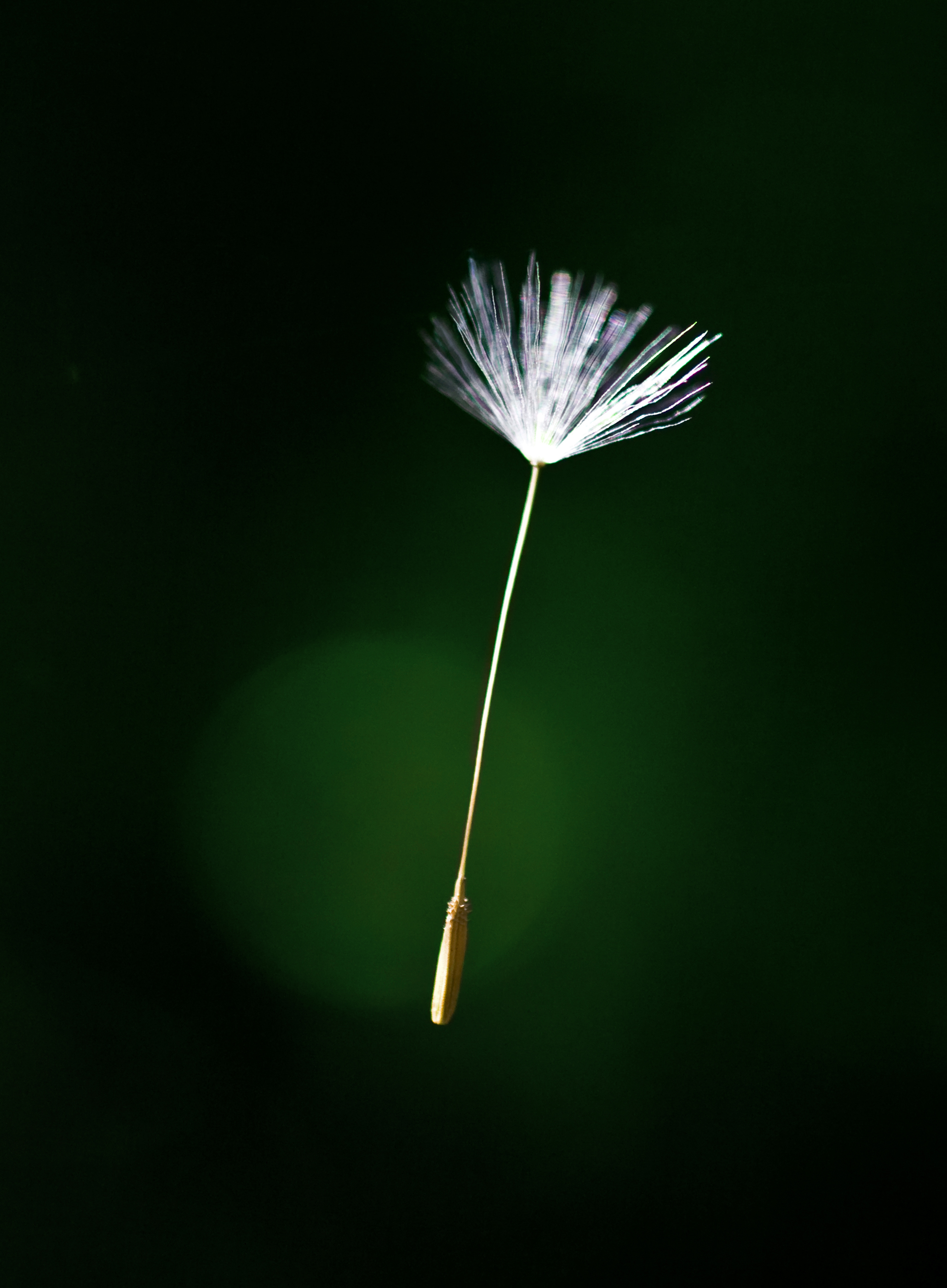
As for those ubiquitous bokeh lights, I prefer them when they are not distracting, or if they are made to be part of the image, as in the first shot in this post and the not-hugely-brilliant-but-suitably-illustrative shot below.
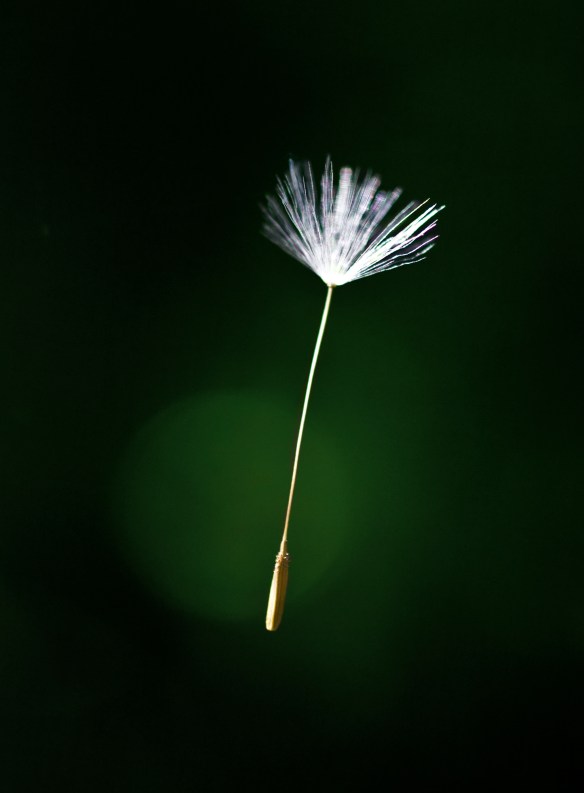
dandelion seed

One final thought. Bokeh is not limited to backgrounds. The shot below exploits the impact of out-of-focus areas in front of the focal point.

web and refraction

It can be effective deliberately to focus past objects to add a soft, dreamy look,
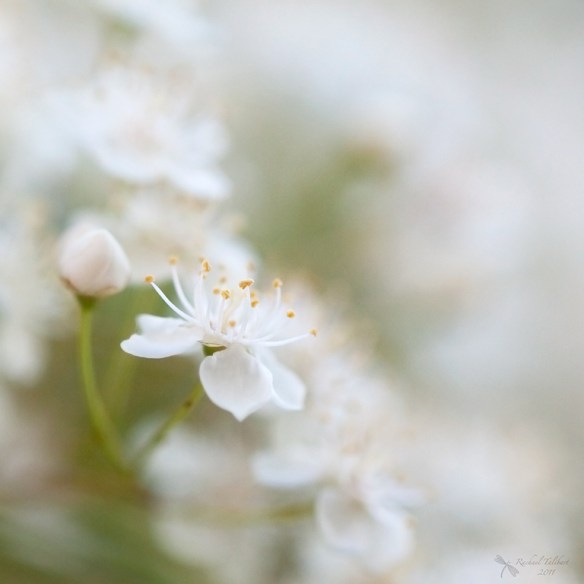
pyracantha blossom

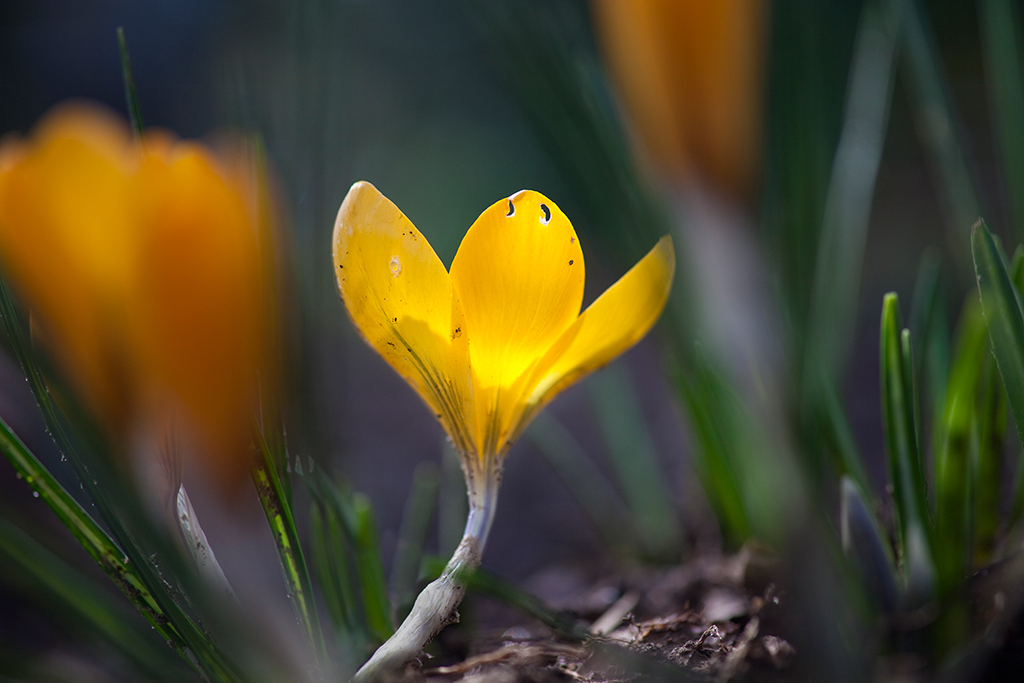
or the feeling of having just happened upon the subject, by peeping through the undergrowth.
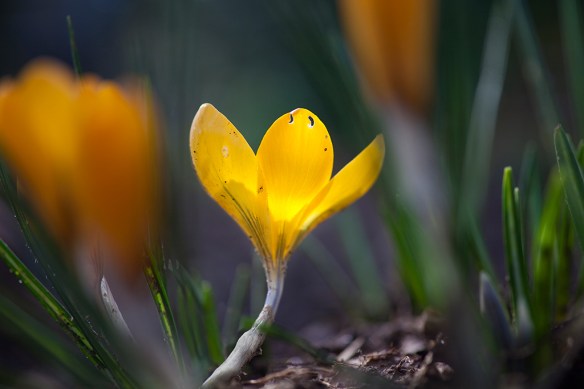
crocus

That’s enough bokeh from me. Do you have a favourite bokeh shot or tip? Perhaps you find the term slightly irritating, or is that just me? Feel free to share in the comments.

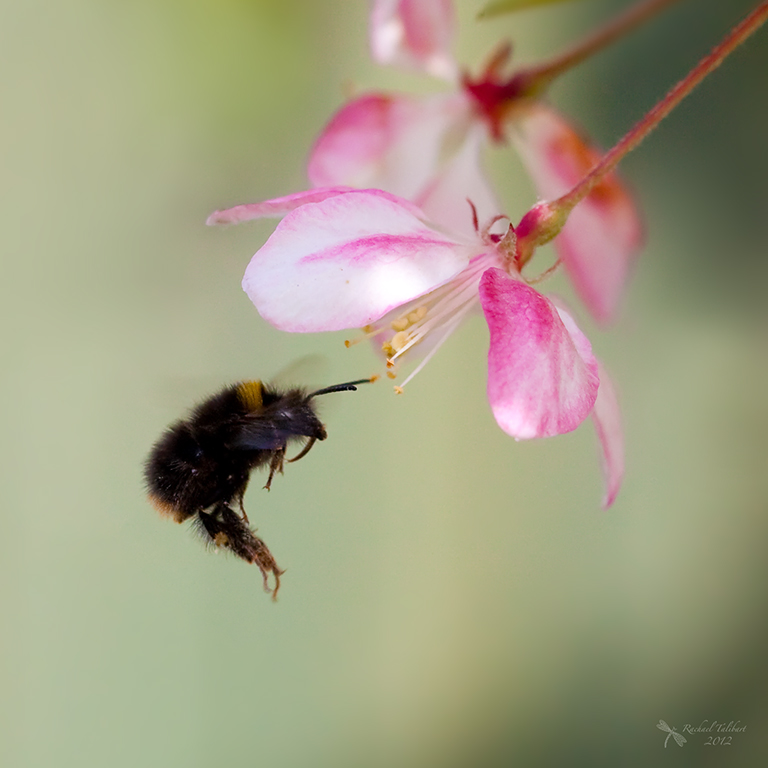
Serendipitous bumble bee

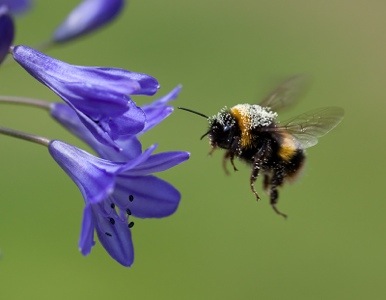
Bumble bee in flight.

One of my faults as a photographer is my workflow management.  I snap away, loving the moment, upload a host of shots, pick the best one of the day and leave the rest to languish, neglected on my hard drive.  But sometimes I happen across a rejected shot and find I like it.  Perhaps such happy accidents make the chaos worthwhile.  Anyway, this afternoon I happened across this forgotten shot from the Spring, and I was glad.

Do you live, like me, in a state of photographic disorder, or are your files neatly honed, indexed, and double backed up?

Life itself

20120712-210527.jpg

“Water, thou hast no taste, no color, no odor; canst not be defined, art relished while ever mysterious. Not necessary to life, but rather life itself, thou fillest us with a gratification that exceeds the delight of the senses.”
Antoine de Saint-Exupéry, Wind, Sand, and Stars (1939)

“If there is magic on this planet, it is contained in water.”
Loran Eisley, The Immense Journey (1957)

“All the water that will ever be is, right now.”
National Geographic, October 1993

“I believe that water is the only drink for a wise man.”
Henry David Thoreau

“I never drink water. I’m afraid it will become habit-forming.”
W.C. Fields

A recycled habitat

Fragile

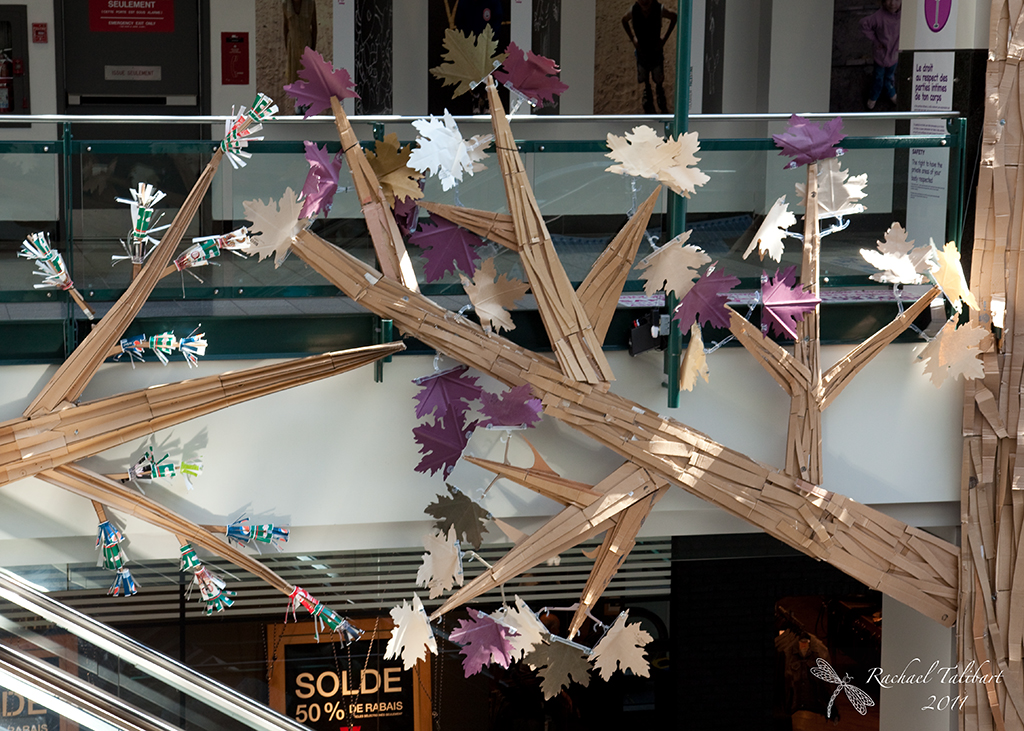
A recycled forest in the heart of Montreal’s Eaton Centre.

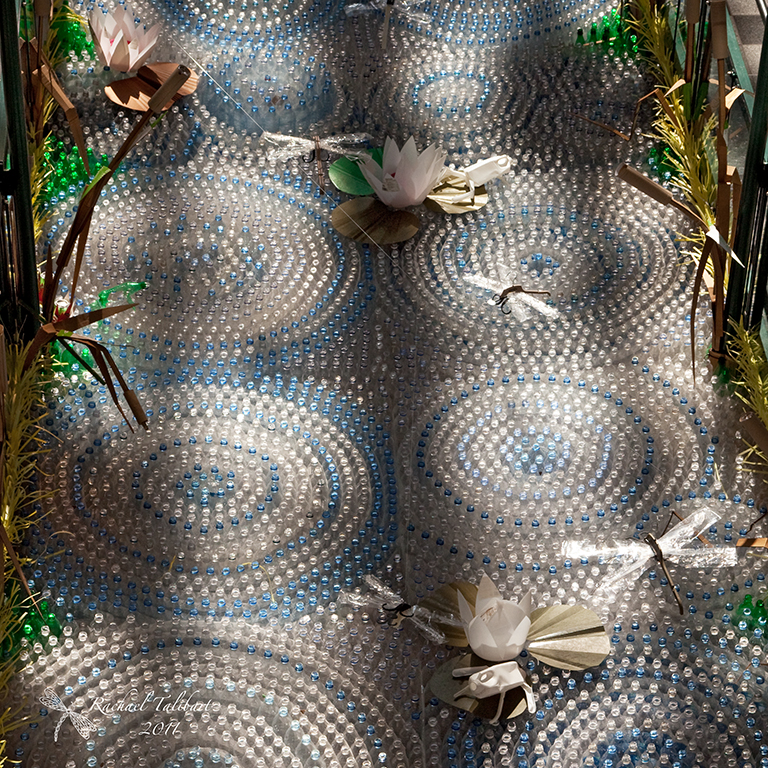
Last summer, while in Montreal on holiday, we visited the Eaton Centre and came across an art installation made from recycled waste materials from the shopping centre.  Called Fragile, it was the work of Roadsworth and Brian Armstrong.  Given access to the Centre’s recycling bins over eight months, the artists transformed the retail centre into an ecosystem.

Cardboard trees with soda can leaves.

Bubble wrap salmon leap up a plastic bottle stream.

Cardboard lily pad with plastic bottle and coat hanger frog.

Coat hanger dragonflies with cellophane wings.

Strolling through the recycled garden.

“When you present something playfully, or even satirically, you create a space where people can drop their defences. When you manage to do this, you can reach them at a level at which they’ll be receptive to what you have to say.”
— Peter Gibson (a.k.a. Roadsworth)

FRAGILE


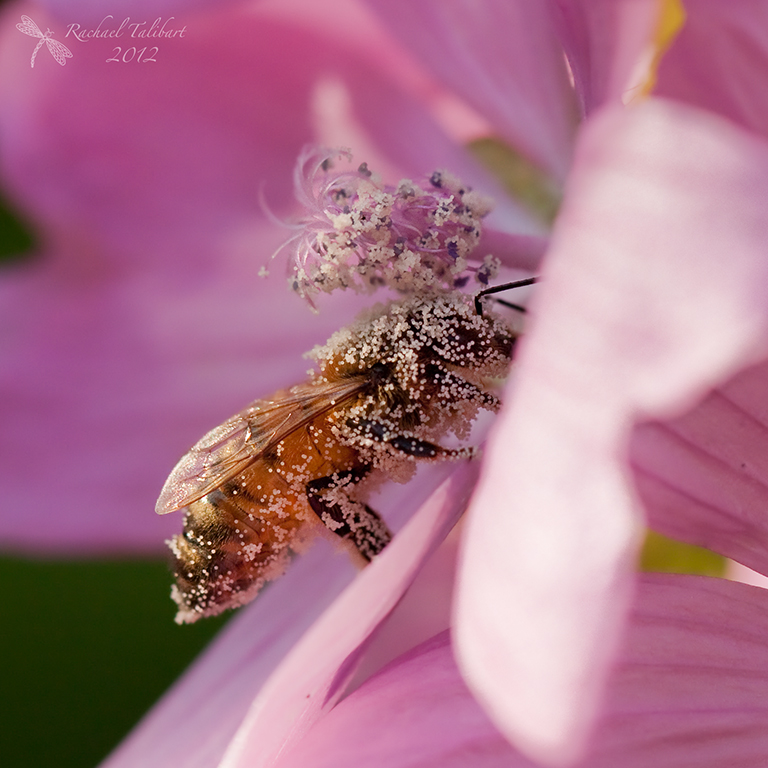
For so work the honey bees

Image

For so work the honey bees,
Creatures that by a rule in nature teach
The act of order to a peopled kingdom.
They have a king, and officers of sorts,
Where some like magistrates correct at home;
Others like merchants venture trade abroad;
Others like soldiers, armed in their stings,
Make boot upon the summer’s velvet buds,
Which pillage they with merry march bring home
To the tent-royal of their emperor;
Who, busied in his majesty, surveys
The singing masons building roofs of gold,
The civil citizens kneading up the honey,
The poor mechanic porters crowding in
Their heavy burdens at his narrow gate,
The sad-ey’d justice, with his surly hum,
Delivering o’er to executors pale
The lazy yawning drone.

William Shakespeare, Henry V, I.ii

Image

Image

Slow and steady

20120707-183654.jpg

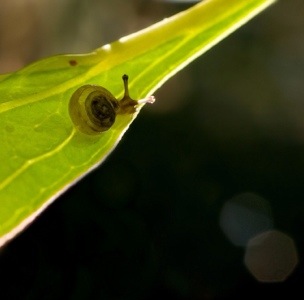
With perseverance the snail reached the ark.

Charles Haddon Spurgeon

20120707-183842.jpg

The year’s at the spring
And day’s at the morn;
Morning’s at seven;
The hillside’s dew-pearled;
The lark’s on the wing;
The snail’s on the thorn;
God’s in his heaven –
All’s right with the world!

Robert Browning

20120707-184021.jpg

Continue reading

One image three ways

Image

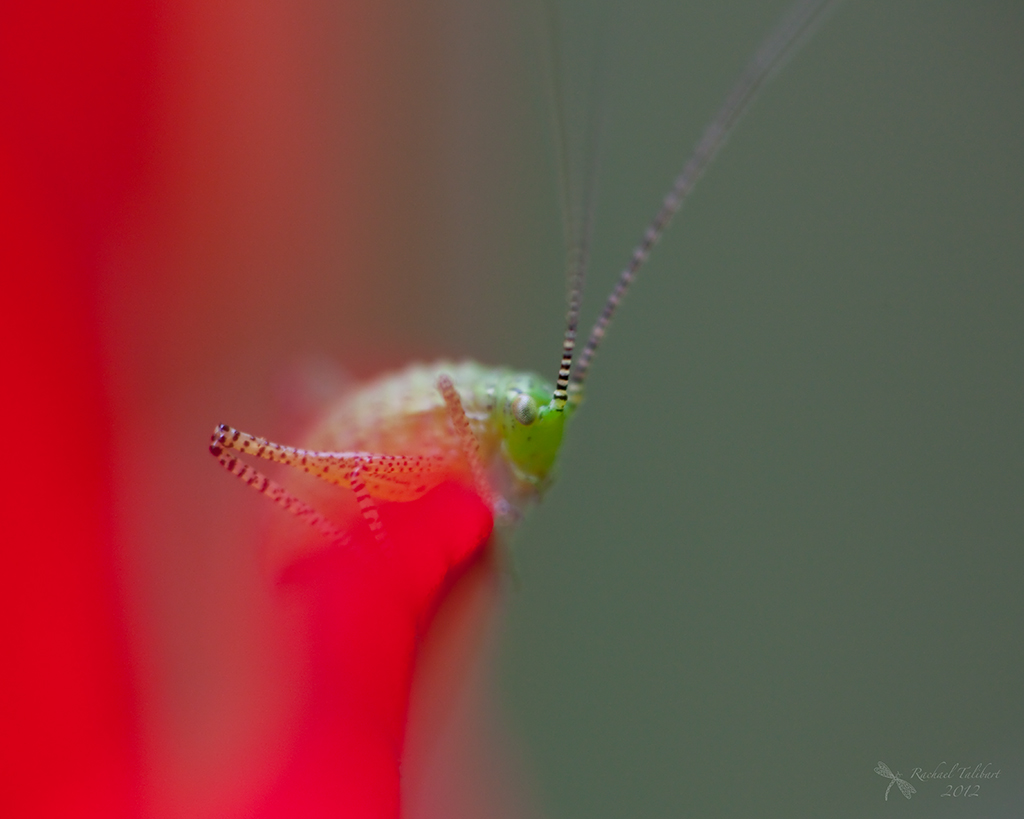
I like this slightly arty shot of a cricket in my garden.  I like the way the cricket barely emerges from its environment. But which version of the image do you like best?  The cool-colour version above. Or the warmer version below.

Image

Or the minimal black and white?

Image