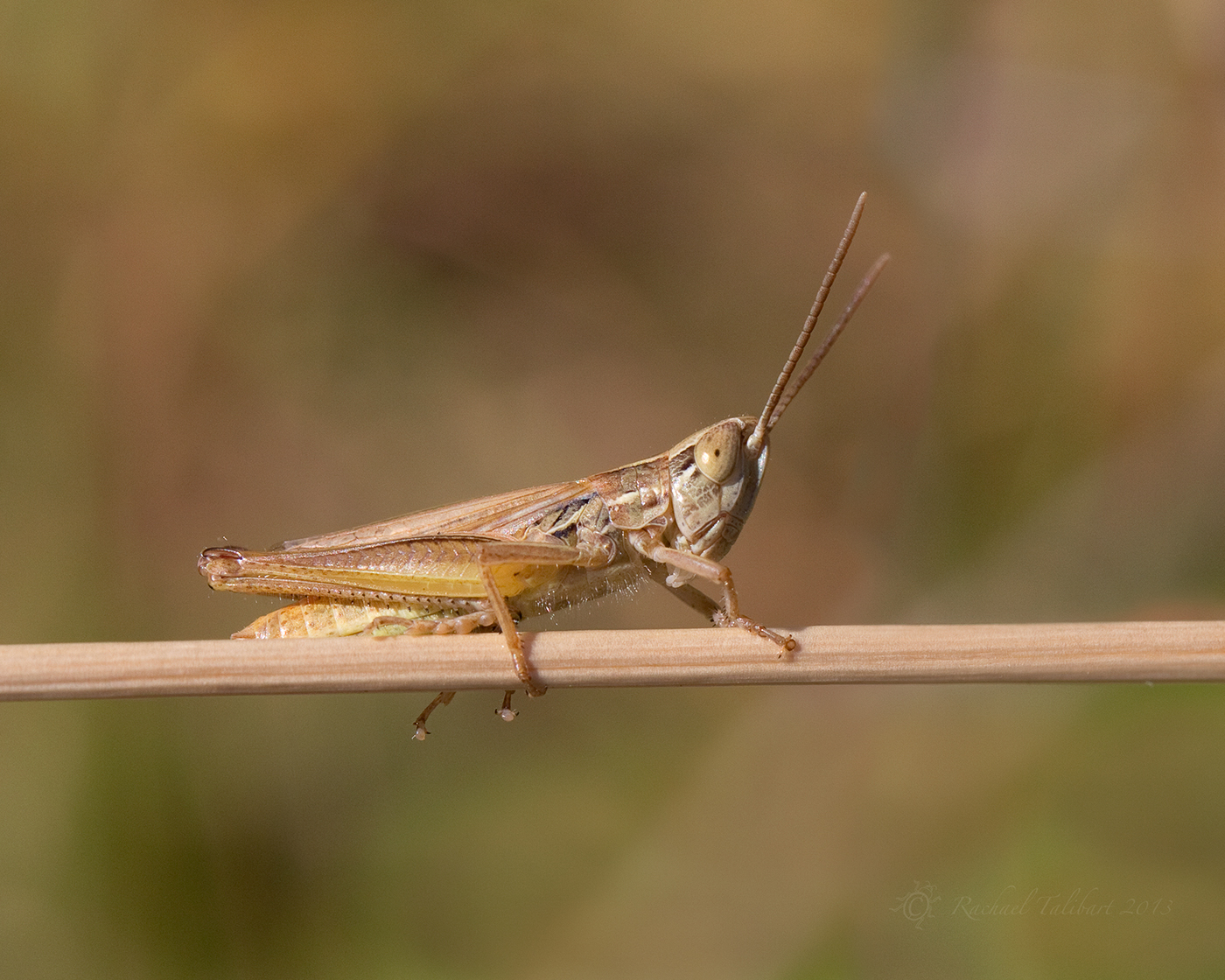
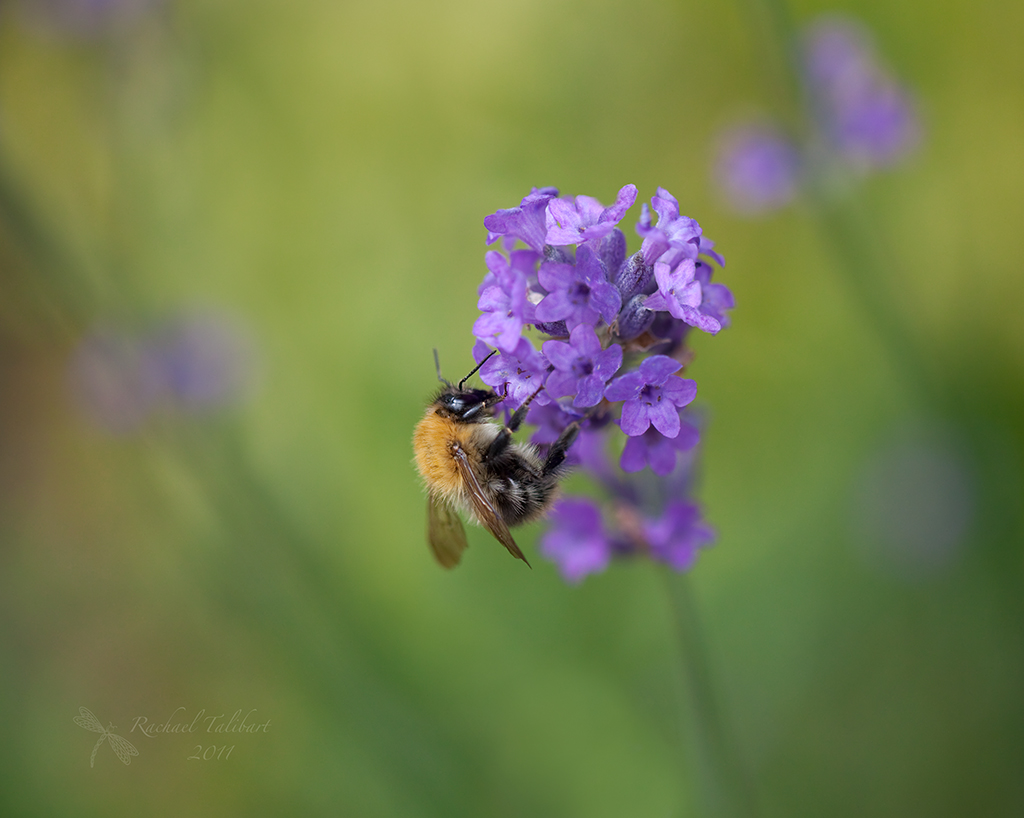
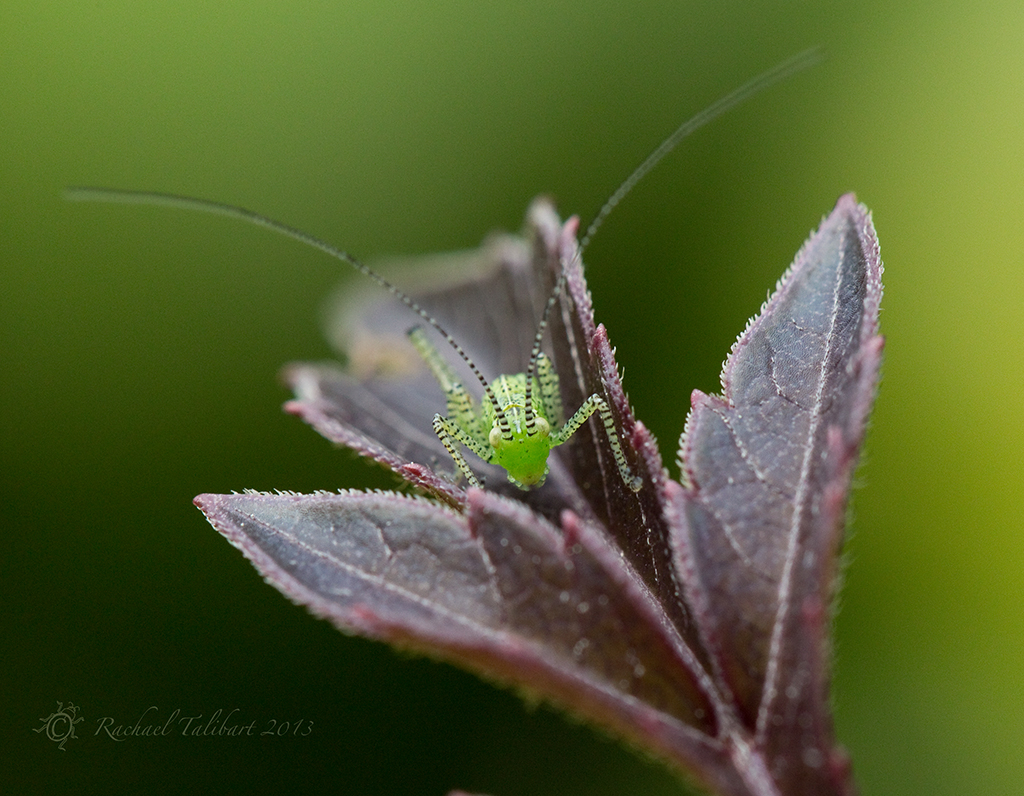
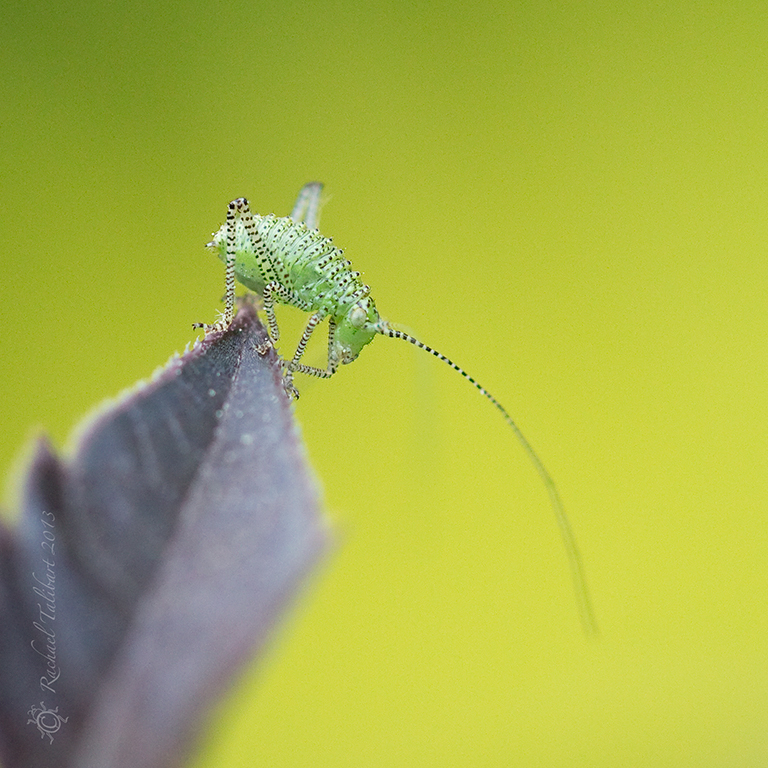
Master Po: Do you hear the grasshopper that is at your feet?
Young Caine: [looking down and seeing the insect] Old man, how is it that you hear these things?
Master Po: Young man, how is it that you do not?
-Kung Fu, Pilot episode (1972)
(Sorry, I couldn’t resist!)
Tag Archives: photography
Mudeford sundowner

In August we spent a week in Mudeford, Dorset. On the day we arrived it rained without respite. I knew that the next day would be my best bet for a decent sunset; the light is almost always at its best after heavy rain. So I headed down to the harbour edge and scouted around for a composition. At first, I wasn’t sure if I would be in luck but, as the sun started to dip below the horizon, things started to get interesting.

I often find that the best shots happen just after the sun has set. Then it throws its rays up into the atmosphere, catching the undersides of clouds and, if you are lucky, bathing them in pink.

Mudeford is at the mouth of Christchurch Harbour, a natural harbour just on the Dorset side of the Dorset/Hampshire border, with the New Forest National Park and the Jurassic Coast World Heritage Site practically on the doorstep. We loved it there and will definitely be back, soon.

There has lately been some interest in seeing my shooting and processing data. All of these shots were taken at 16mm, ISO 100 and f.16 using 2/3 bracketed RAW exposures ranging from 1/8 to 2.5 seconds, with tripod, remote release and circ. polariser. Blended in CS4 using layer masks. Correction of lens distortion also in CS4. Colours straight out of camera.
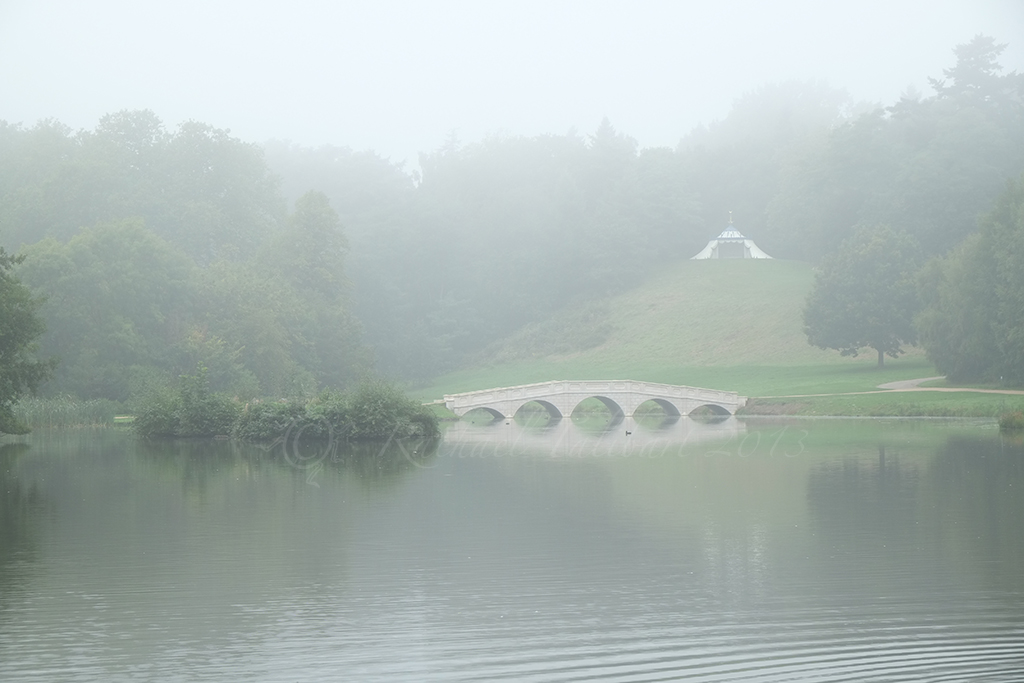
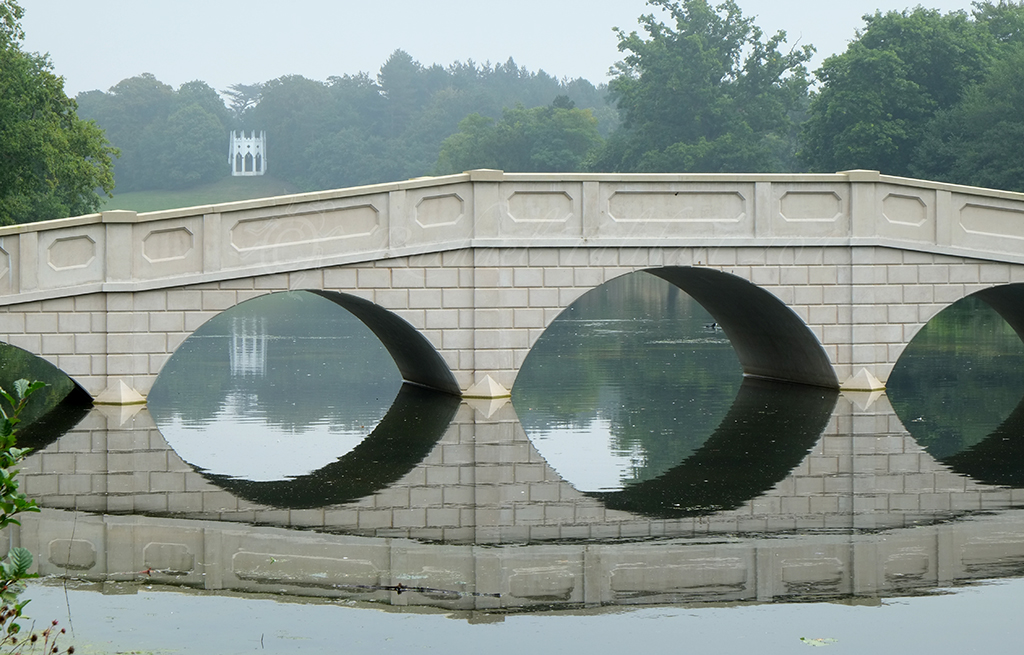
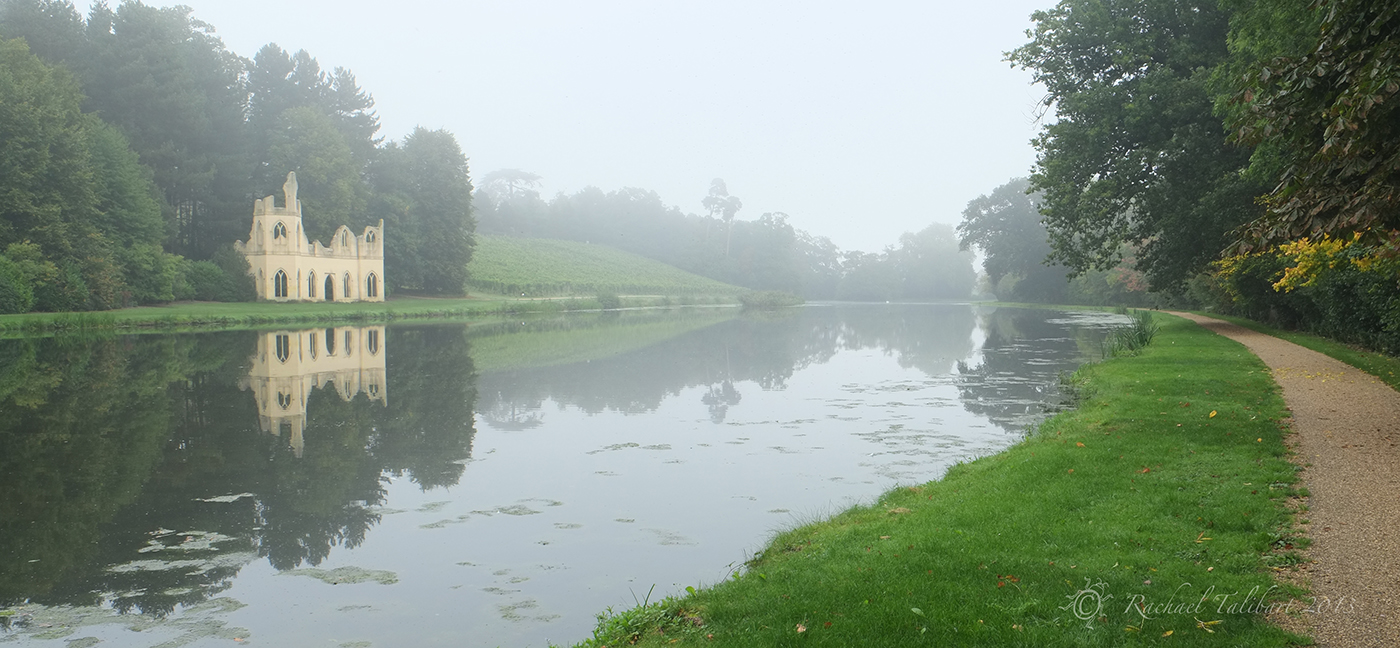
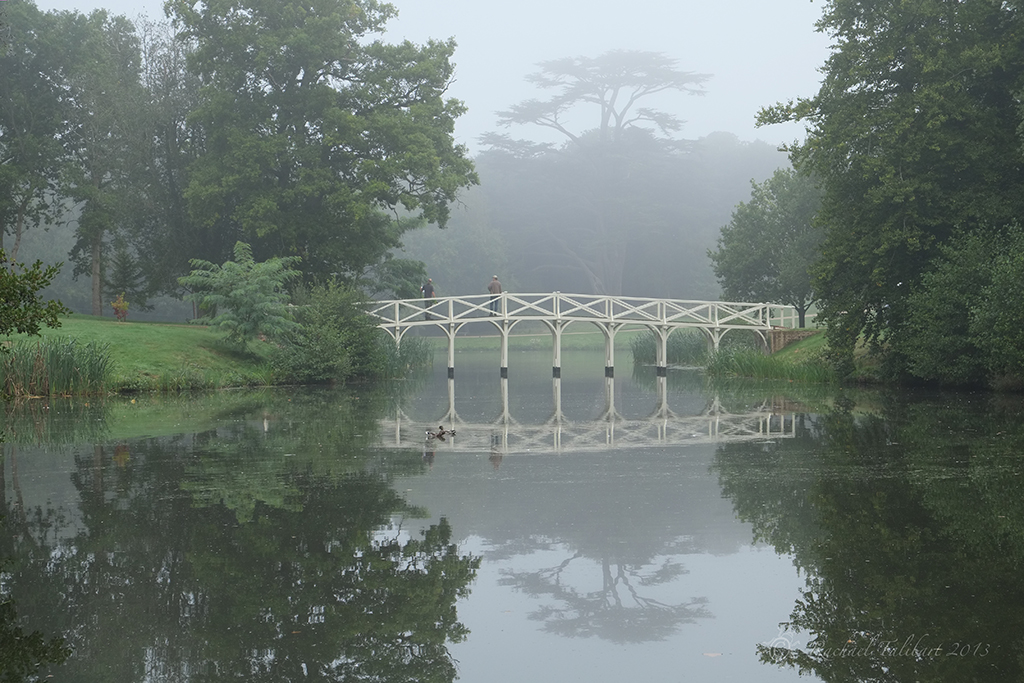
A foggy day at Painshill
As regular readers of this blog will know, one of my favourite local locations is Painshill Park, an eighteenth century landscape garden in Cobham. When I woke up one morning late last month to find a heavy fog, I took my trusty Fuji down to Painshill for a ramble.
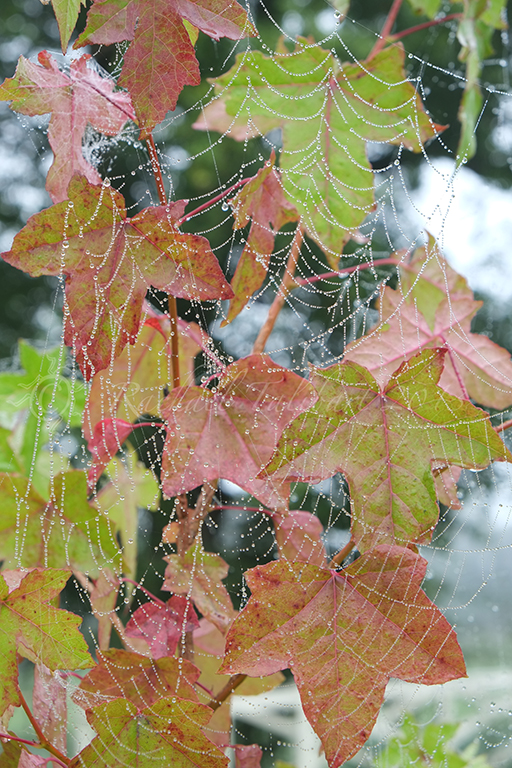
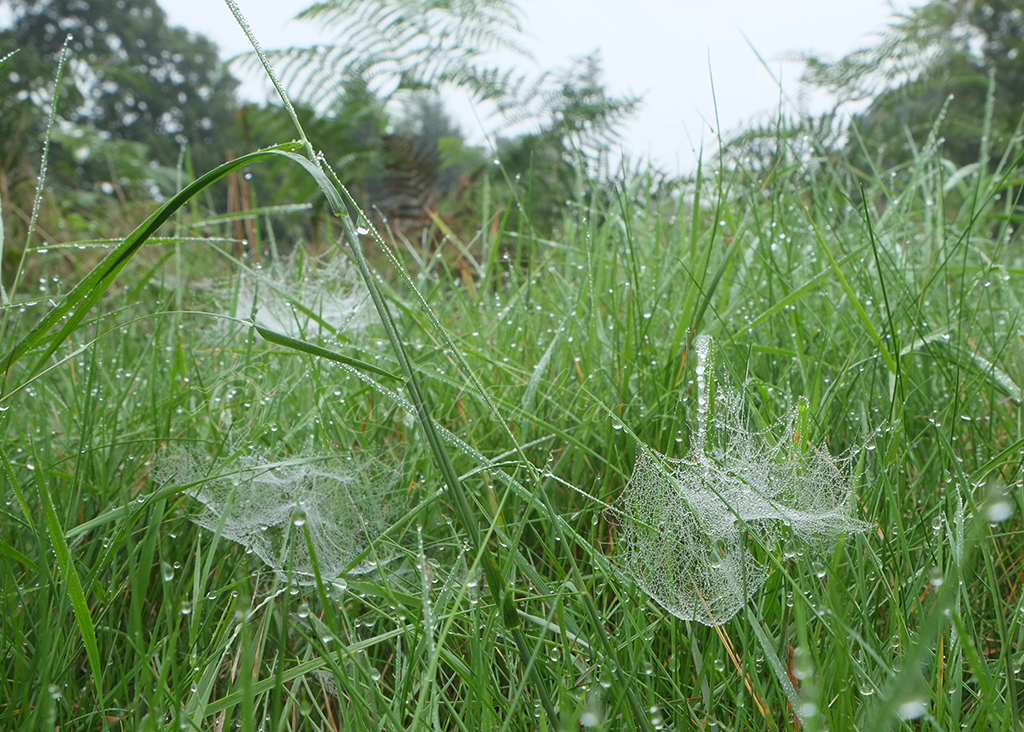
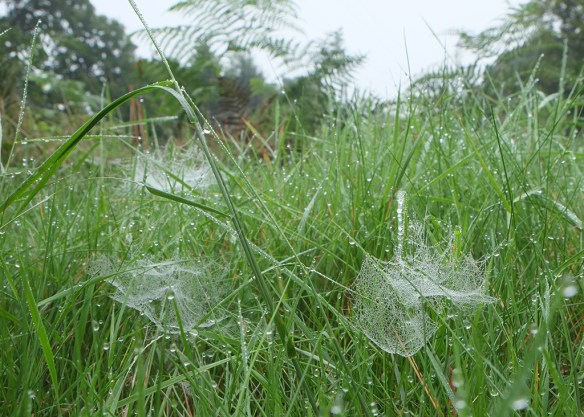
The mist had coated everything in the finest dew and the spiders’ webs were looking stunning against early Autumn foliage.
Every tuft of grass bore a sparkling hammock of silk.
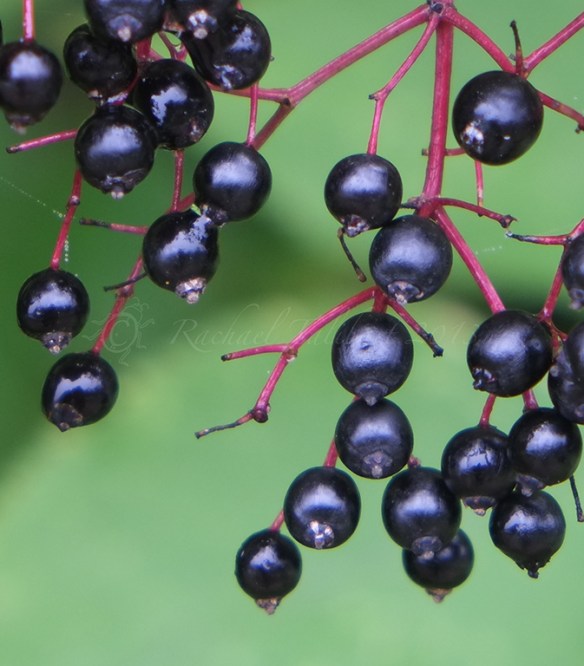
Berries of every hue reminded me that, in the words of the immortal Keats, this was a season of mists and mellow fruitfulness.
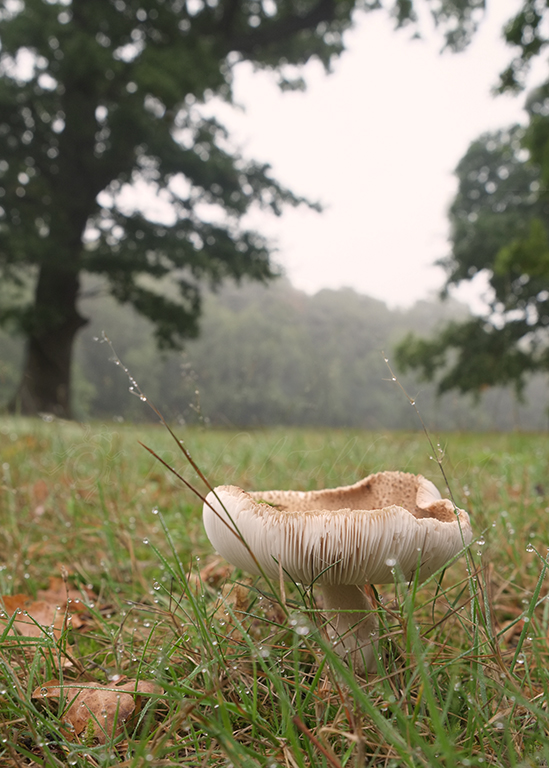
Not to be outdone, fungi of all kinds were busy decorating the grass,
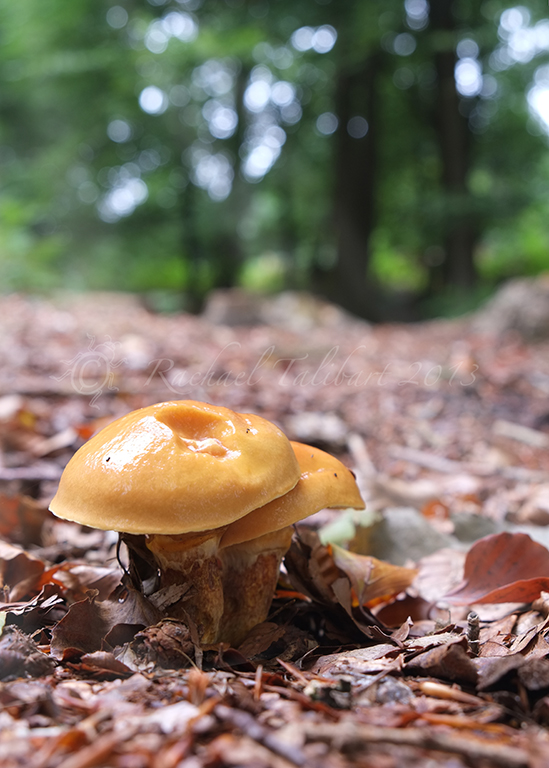
the forest floor,
and every tree stump.
Most of the trees had yet to start turning, but there were a few obliging maples dropping their pastel leaves prettily onto the banks of Painshill Lake, just to give me some foreground interest.
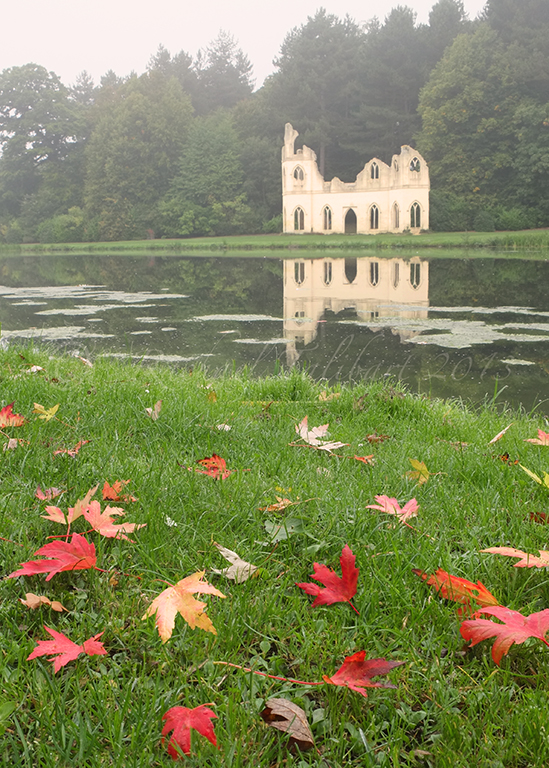
In the mist, everything was still. Even sound seemed to be muffled, and it felt as if I had the whole park to myself.
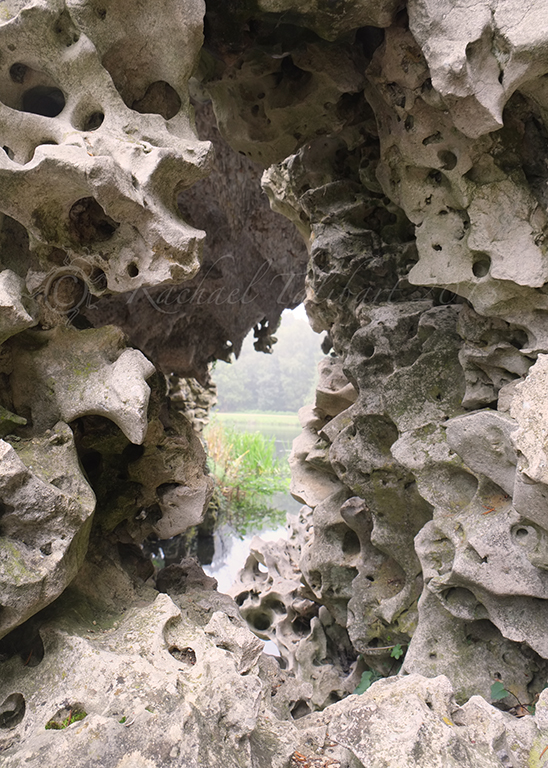
The Grotto was closed but I explored the outside.
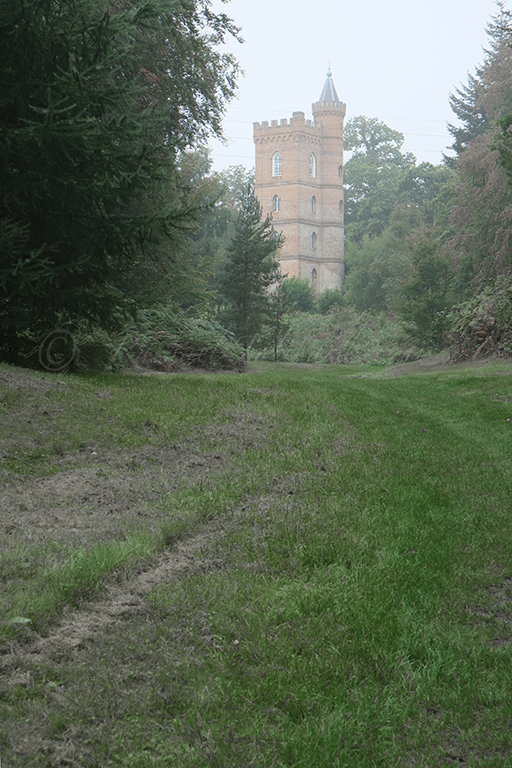
I often think the Gothic Tower, one of Painshill’s many follies, is a little too pretty to be truly gothic, but in the mist it did look a little bit spooky. A very little bit.
In the woods, I came across these dens, no doubt made by parties of children. Blair Witch, anyone?
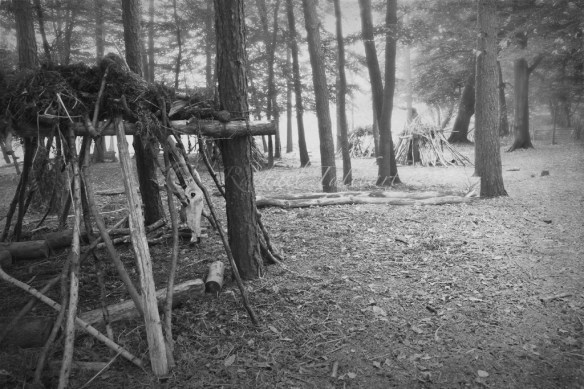
They were not far from The Hermitage, one of my favourite follies.
For a while in the eighteenth century, every self-repecting landscape garden had to have a hermit. Painshill was no exception although story has it that the first man hired for the job lasted only two weeks before he was discovered in a local hostelry drowning his sorrows! He was never replaced.
Every time I go to Painshill I find something new, whether it be one of nature’s works of art or a fragment of the craft of people.
I made a mental note to go back again later this month to see the Park in its full Autumn glory.
Another of my posts about Painshill, including some of its history, is here.

The bigger picture

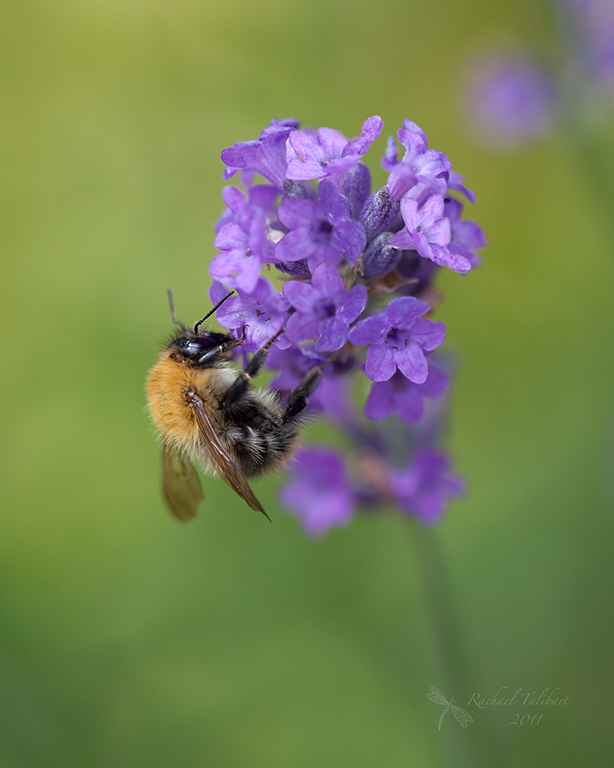
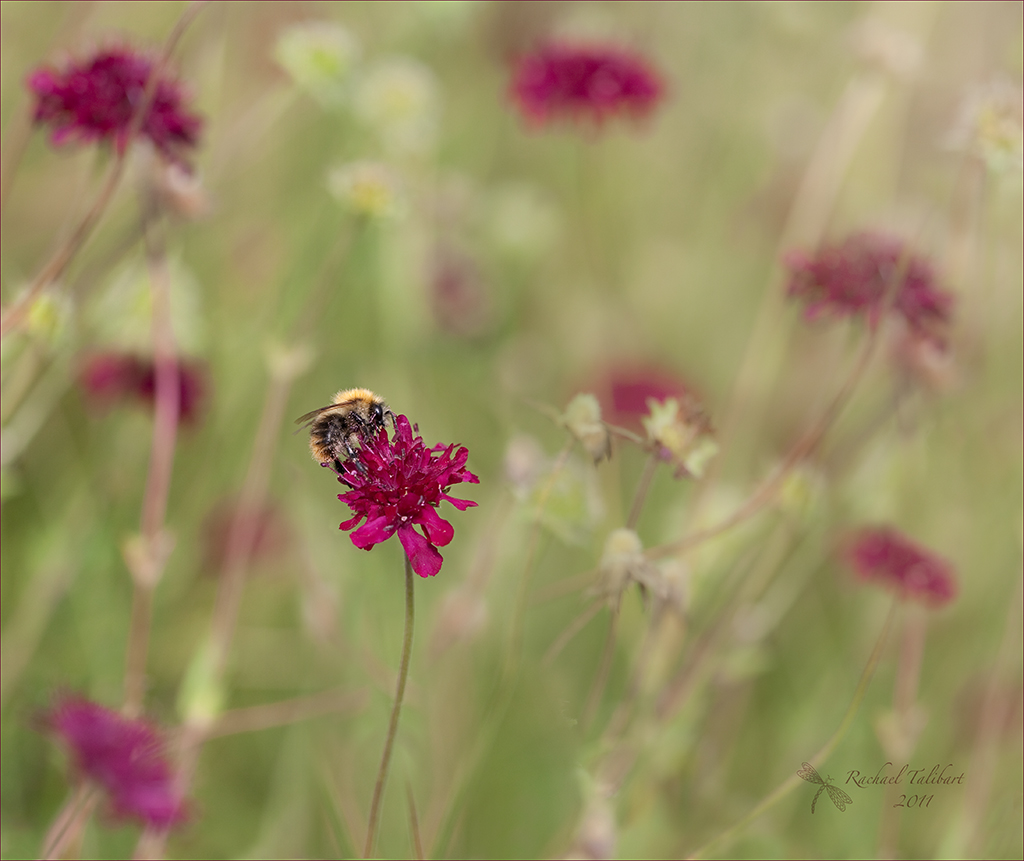
A common approach with insect photography is to zoom in close, sometimes very close, to show the details not normally noticed by the naked eye. Sometimes it’s nice, however, to show the insect in a wider view, perhaps because it has settled on a particularly pretty flower or because the photographer wants to show the insect’s habitat. I think I come at my insect photography with the eye of an aspiring landscape photographer. I naturally tend to situate my insect subjects in a wider setting, where the background is as important as the insect. For me, although the top shot is pleasing, I prefer the version below, because I enjoy the background as much as I do the bee.

In this last image, the bee provides a focal point, a starting and finishing place for the viewer’s eye that, hopefully, stops the picture becoming simply a ‘wallpaper’ image. But, for me, the real impact of this image is the gentle, muted colours of the out of focus border.

What do you think?
Specky, again
St. Peter Port
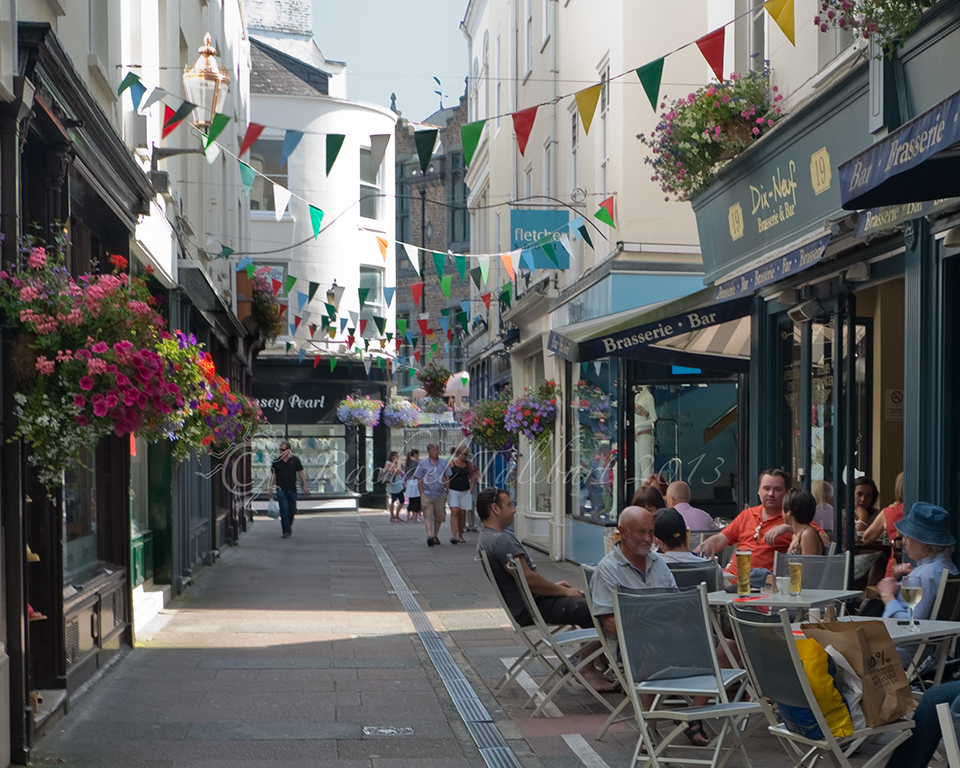
St. Peter Port is the principal town on Guernsey, one of the Channel Islands.
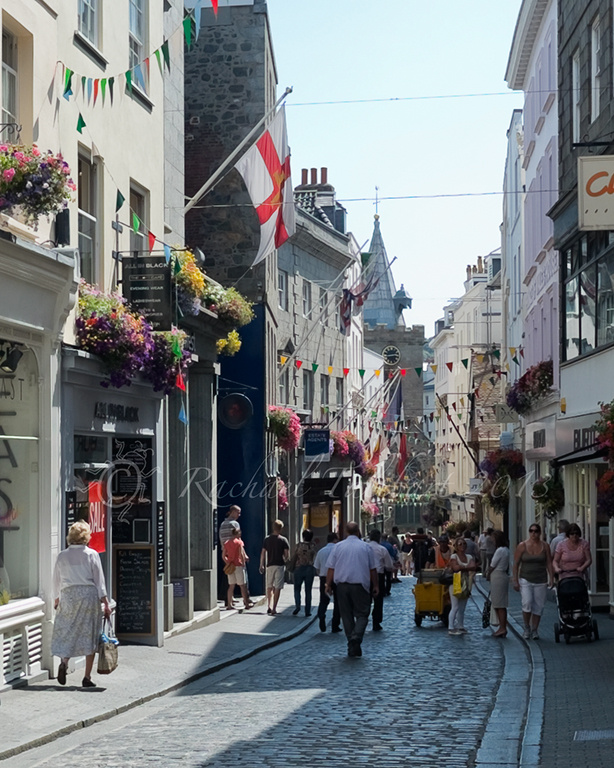
Cobbled lanes reveal boutiques and galleries, as well as the more usual high street shopping.
Cafes and Brasseries spill out onto pedestrianised alleys.
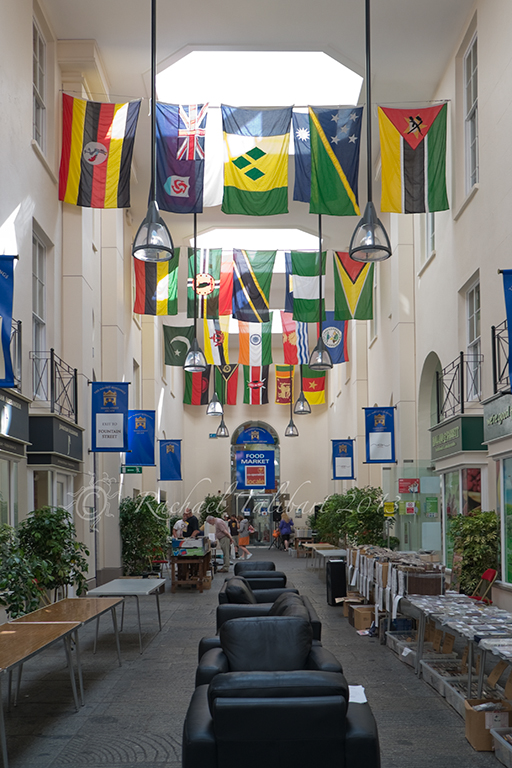
There’s even a spot to rest your feet and have a good read.
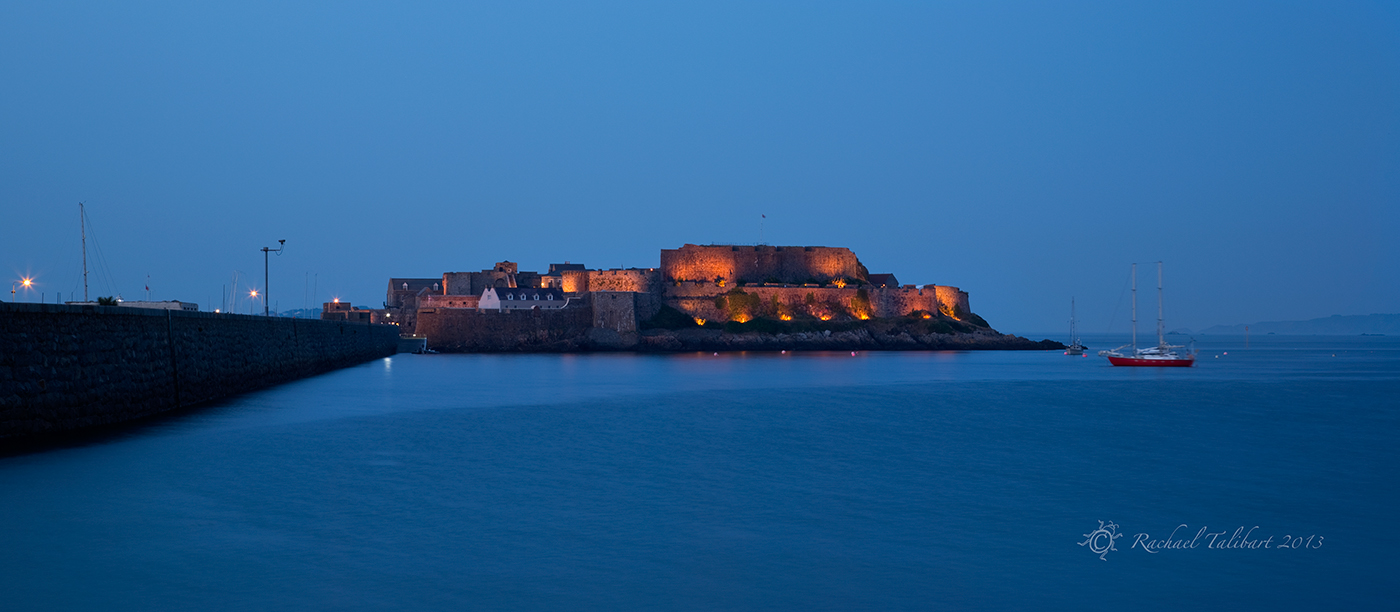
The picturesque harbour is guarded by the imposing hulk of Castle Cornet, which is reflected in the still water of a Victorian boating pond.
The Castle is well worth a visit, and I will do a post about it soon. But the town itself demands equal attention, a delightful place to hang out for a lazy day or two of meandering exploration. We will be back.
Male crab spider (probably)

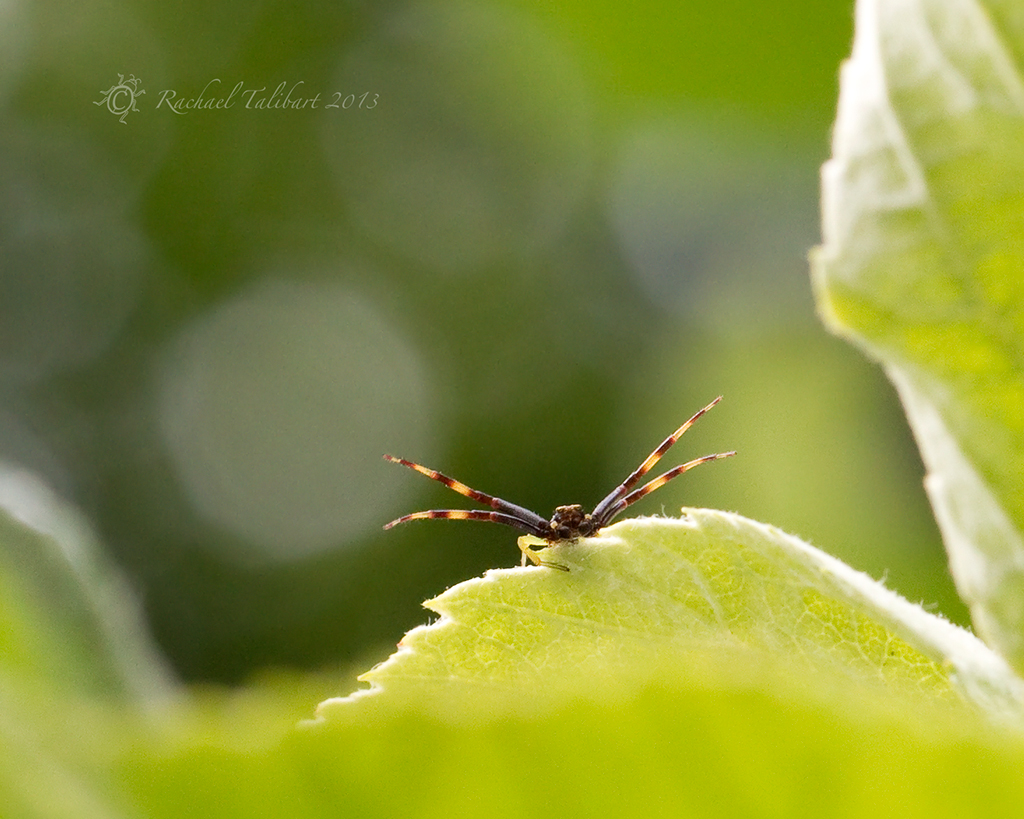
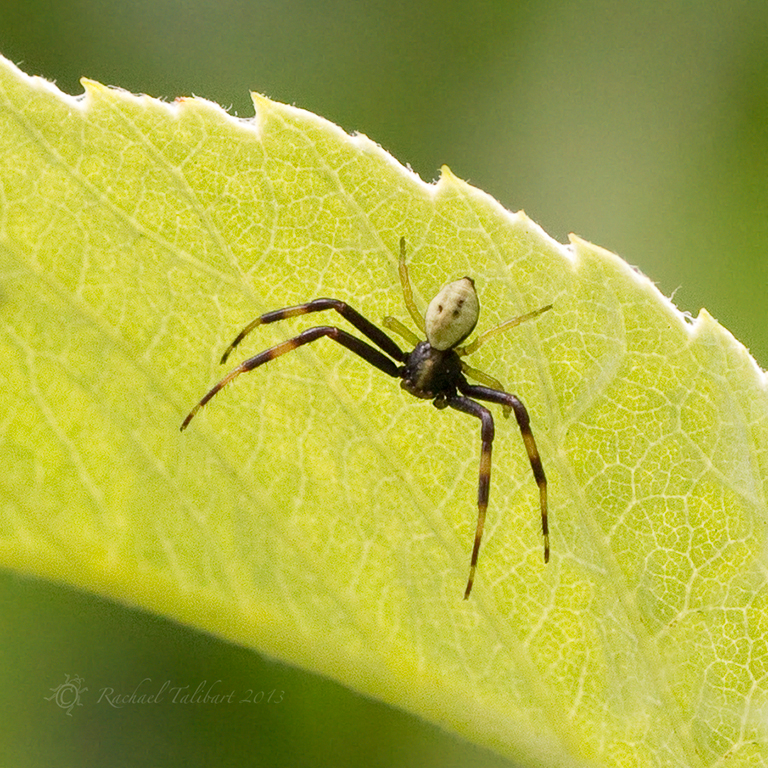
When I first posted this, I very tentatively identified it as a male four spot orb weaver spider (araneus quadratus) (maybe). Or possibly a marbled orb weaver ( araneus marmoreus var. pyramidatus). I hadn’t found the I.D. especially easy, and asked if anyone knew better, for them to please tell me! Thanks to two very assured comments below, I have now changed the I.D. to an adult male crab spider (misumena vatia). Thank you both. I should perhaps give up trying to identify the bugs I find in my garden as my success rate is woefully low. Anyway, this tiny crab spider was photographed peering over a leaf in a tree rather high up and I was using my macro lens when I spotted it, so these are big crops. A characterful little thing.

Last rays

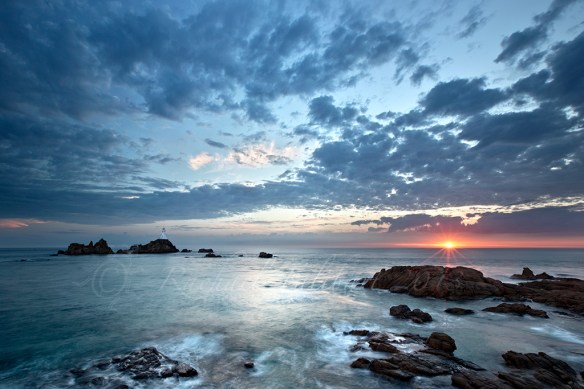
Of the many photographs I took at La Corbiere, on Jersey, this summer, this is probably my favourite. I can’t begin to convey adequately how it felt to be there listening to the waves and waiting for the light. When the sun peeked through the clouds just before dipping below the horizon, it was glorious.
Two Burnets and a Forester

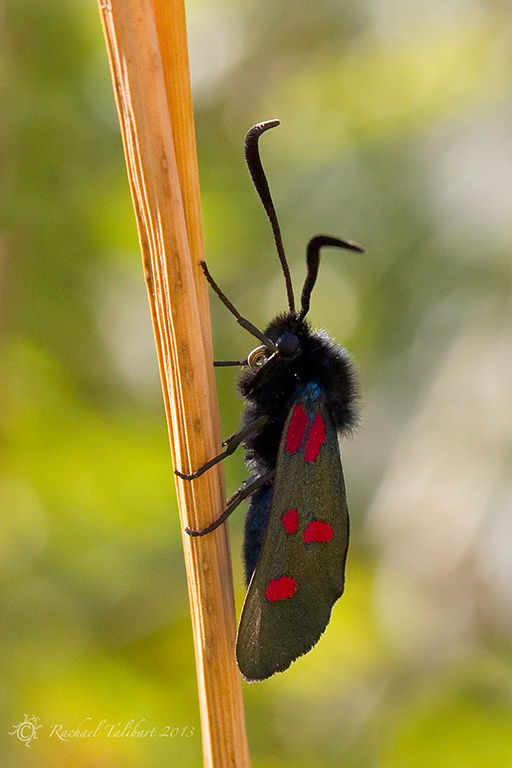
The grassy cliffs of Sark, in the Channel Islands, are a vital habitat for insects, including a variety of butterflies and moths. When we visited in July, the five-spot burnet moth was much in evidence. Such a striking beast. I also spotted a forester moth, below. Somewhat rarer.

Burnets are not known to be particularly flighty but they were fluttering all around me that afternoon. Perhaps it was the very breezy conditions. I wasn’t able to manage a decent in flight shot. Below is a huge and rather fuzzy crop, but a record of the moment nonetheless.

Beautiful Jersey

Another shot of my lighthouse muse, La Corbière on Jersey in the Channel Islands. Better compositions are to be had on the rocks below but high tides coincided with sunset during my recent trip so I had to make do with a higher vantage point. The long exposure time needed for the low light has softened and muted the waves. You will just have to take my word for it that they were crashing onto the rocks below and I would have been inundated had I stayed down there. On the upside, I enjoyed seeing how different the same composition could look at the same time on successive days.