One image three ways

Image

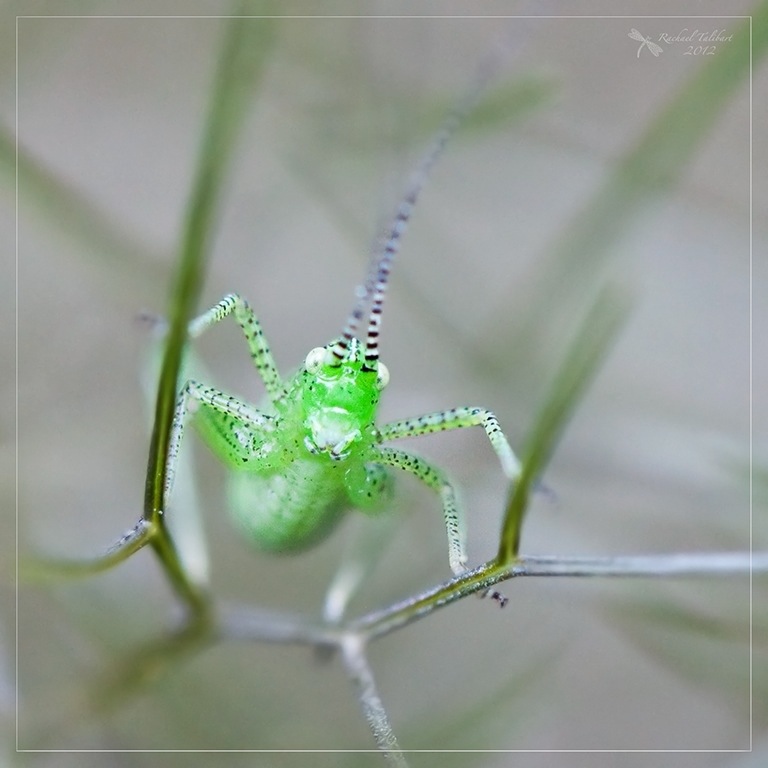
I like this slightly arty shot of a cricket in my garden.  I like the way the cricket barely emerges from its environment. But which version of the image do you like best?  The cool-colour version above. Or the warmer version below.

Image

Or the minimal black and white?

Image

Raynox newbie

Image

I have a new toy, a Raynox DCR-250 super macro conversion lens.  It is a cheap alternative to a macro lens but I am actually using it to get even closer than my macro lens.  It clips onto my 100mm macro to let me get super close.

Image

Depth of field at these sorts of magnifications is ridiculously thin and to get the most out of it you need a tripod and flash.  So I doubt it will be an oft-used piece of kit for my favourite genre, natural light bug macros outdoors.

Image

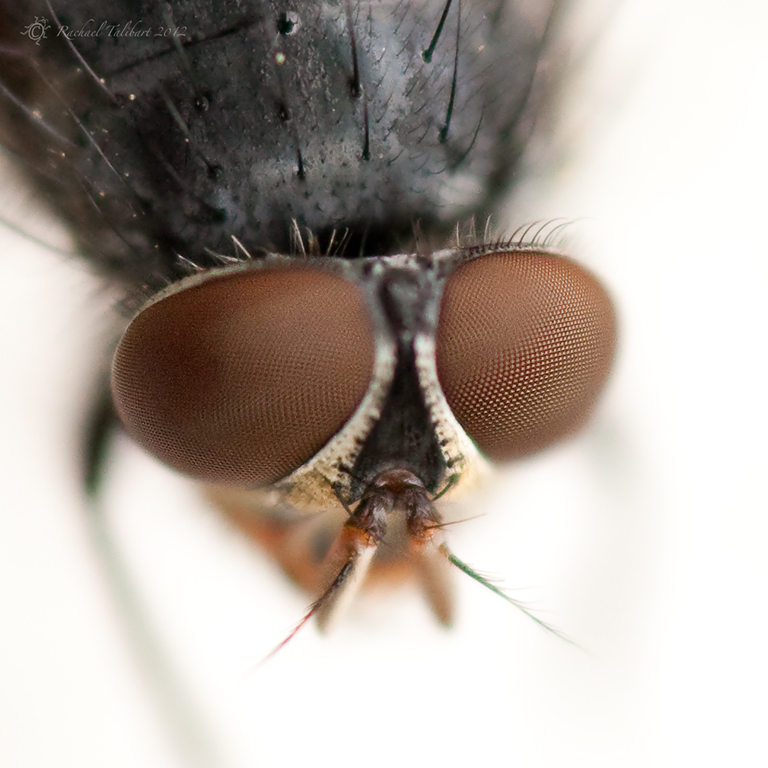
Still, it did give me a lot of fun yesterday afternoon putting it through its paces trying to capture something of the very smallest critters in my garden.  The red-eyed fly below is smaller than an aphid.

Image


Volucella Zonaria

20120704-202958.jpg
One of the many interesting insects I snapped for the first time last year was this hoverfly. It’s a whopper and if you don’t know your hoverflies from your hornets, rather scary. This critter is designed to mimic the European Hornet, and it does a good job! Apparently this one is a male. Yes, I can now sex hoverflies – is there no end to the fairly useless and geeky things I am learning through photography?

Trapped

Image

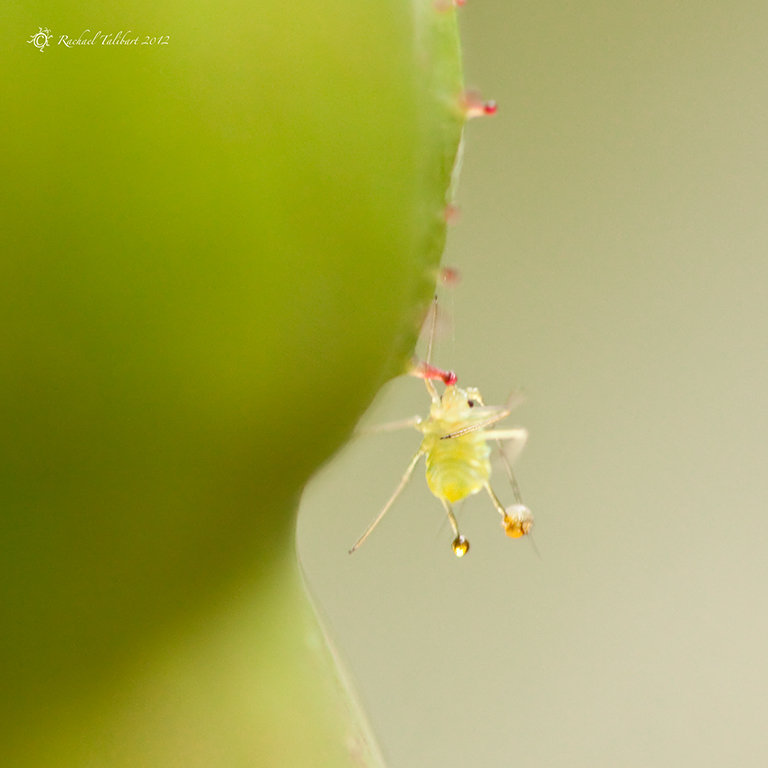
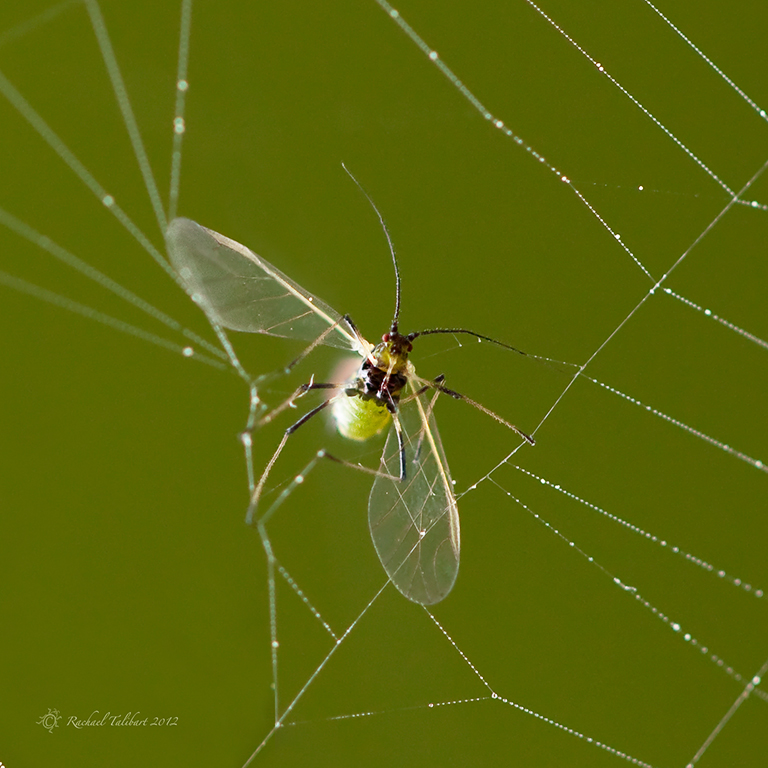
An aphid caught in a web awaits its doom.

Image

Dar’st thou die?

The sense of death is most in apprehension;

And the poor beetle that we tread upon

In corporal sufferance finds a pang as great

As when a giant dies.

William Shakespeare, Measure for Measure, III.i

More cricket antics

Image

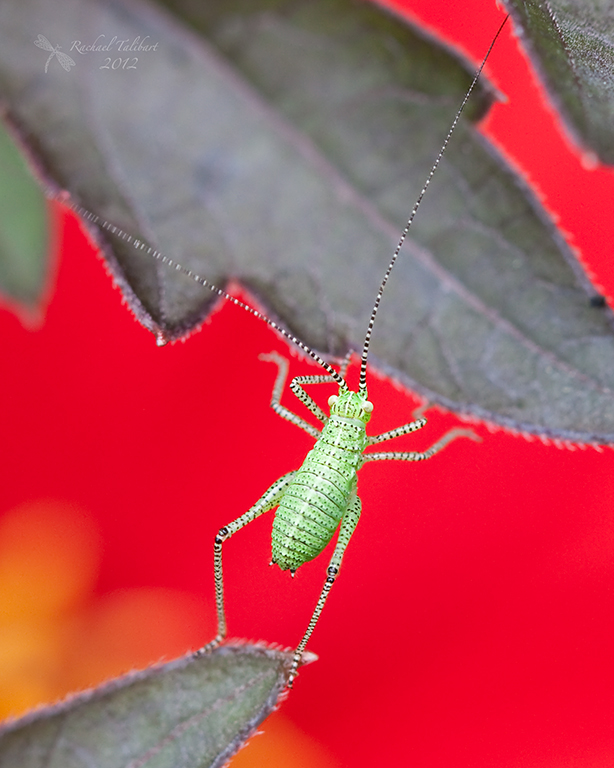
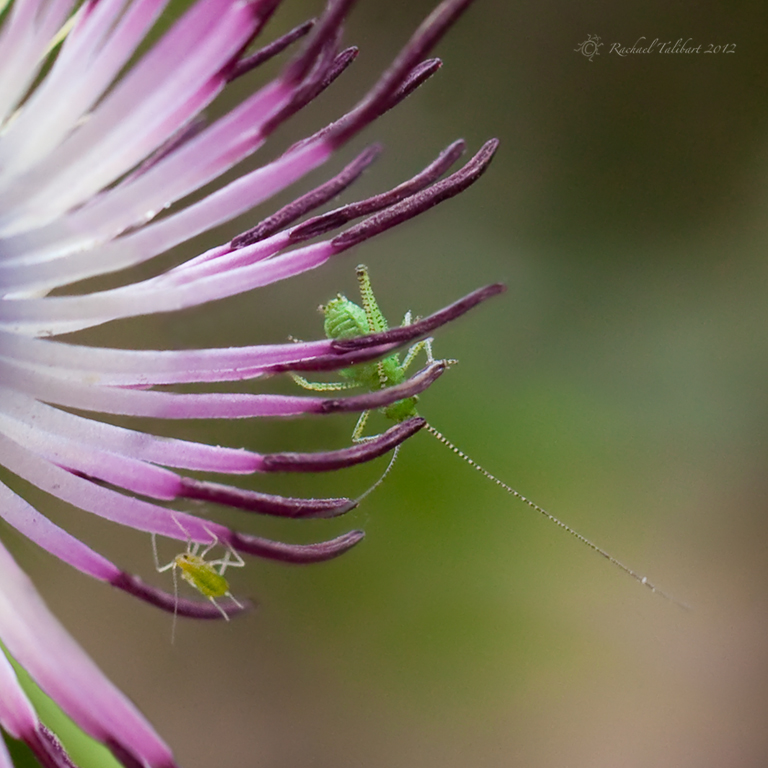
Another update on the speckled bush cricket nymphs in my garden.  As you can see, they are growing fast.  In the top image, one enjoys a tasty supper of aquilegia pollen.

Image

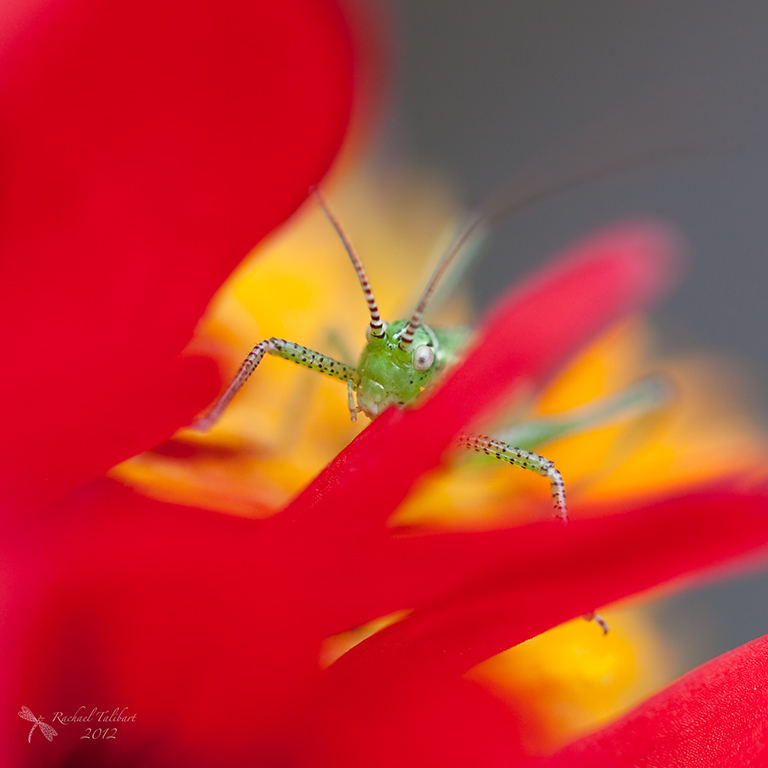
How about a game of peek-a-boo with a friendly aphid?

For my previous posts on these curious little critters, see here and here. 

One square metre

20120613-232946.jpg

One question I am often asked is how I manage to spot all the bugs I shoot. It really is just a matter of training your eye. The more you start to look for the smaller creatures around you, the more you start to find them.

20120613-233142.jpg

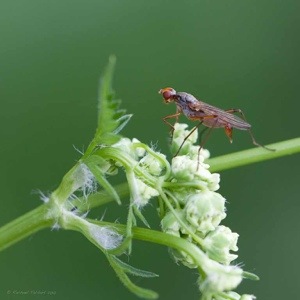
One way to train your eye is to find a small area of vegetation, say one square metre, and see how many insects you can find and photograph. You will be surprised after a little while just how many are there.
20120613-233253.jpg

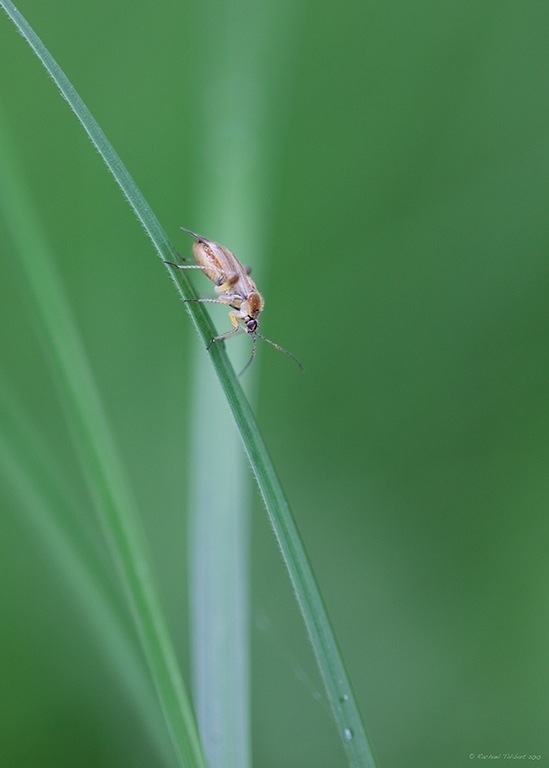
All of the shots in today’s post were taken in one clump of weeds by the Wey Navigation towpath. The photo shoot took about 15 minutes in total. In fact, I found several other insects in the same clump.
20120613-233605.jpg

Why not give it a try and share the results on your blog and/or in comments here?

My Internet is down and I am blogging on 3G, which is expensive, so please forgive me if I am a little slow in replying or visiting your blogs until the pesky thing is fixed.

More cricket news

20120606-224608.jpg

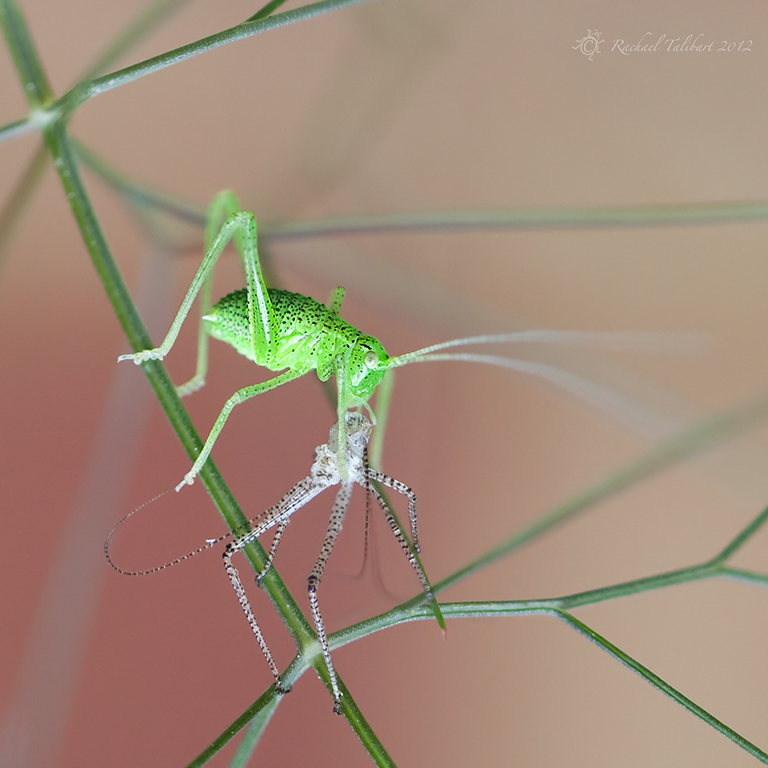
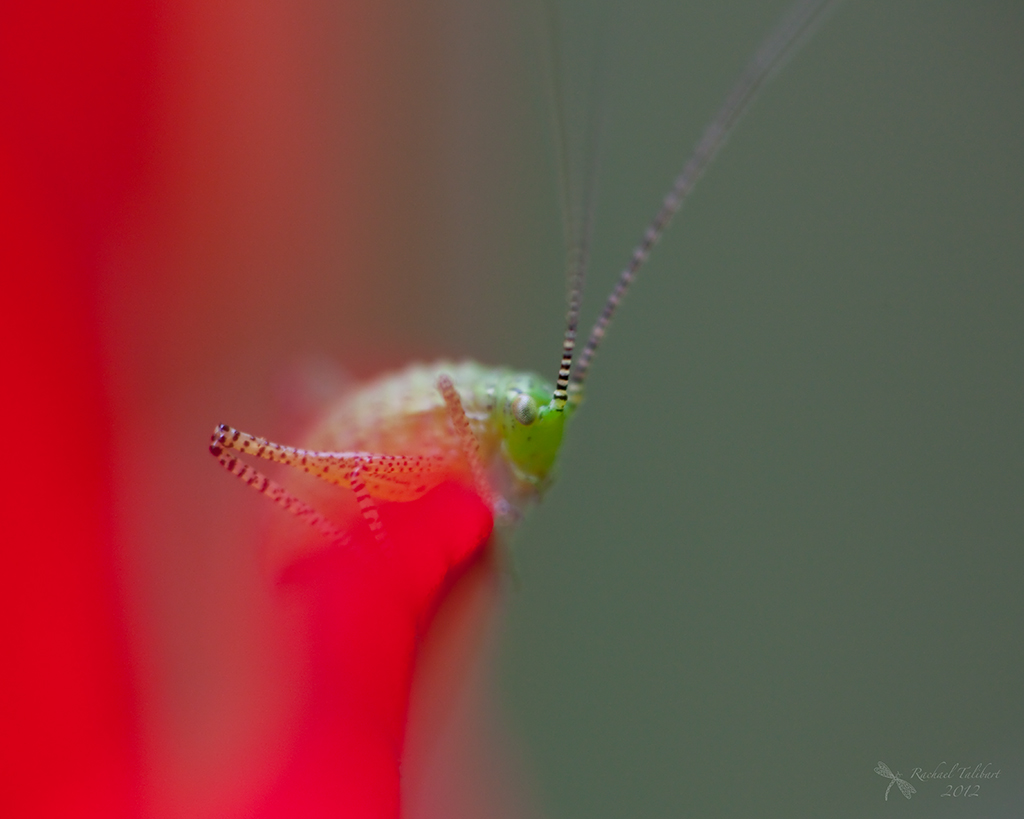
It’s been a couple of weeks since my post about the little speckled bush cricket nymph I found in my herb border. It’s still there, lurking in the fennel, along with three chums. As you can see, it has developed quite a bit in that time and is starting to look a little more like the adult it will become.

20120606-224708.jpg

Incidentally, when I posted my earlier shot of the nymph on Flickr I received a rather picky comment to the effect that it was a shame I had failed to capture it facing me. Ahem, full frontal enough now? 😉

Damselfly embrace

20120604-161653.jpg

A male damselfly holds onto the female after mating to prevent other males from inseminating her. Taken in my garden this week.

Dimply damsel, sweetly smiling,
All caressing, none beguiling,
Bud of beauty, fairly blowing,
Every charm to nature owing.

Ambrose Philips, ‘To Miss Margaret Pultenay’ (1727)