Shooting stars

Western Australia


One last night sky shot from our trip to Western Australia.  On the two nights I managed to get out with my camera at Smiths Beach, Yallingup, meteors showed up in almost every shot.  Very exciting!  Can you see my husband, up on the dune?

I knew there would be a chance of seeing the milky way during our visit.  Having never tried this sort of photography before, I read up on techniques before we went.  The following is what I read as adjusted by my experiences in the field. But remember, I am very much a beginner at this sort of photography!

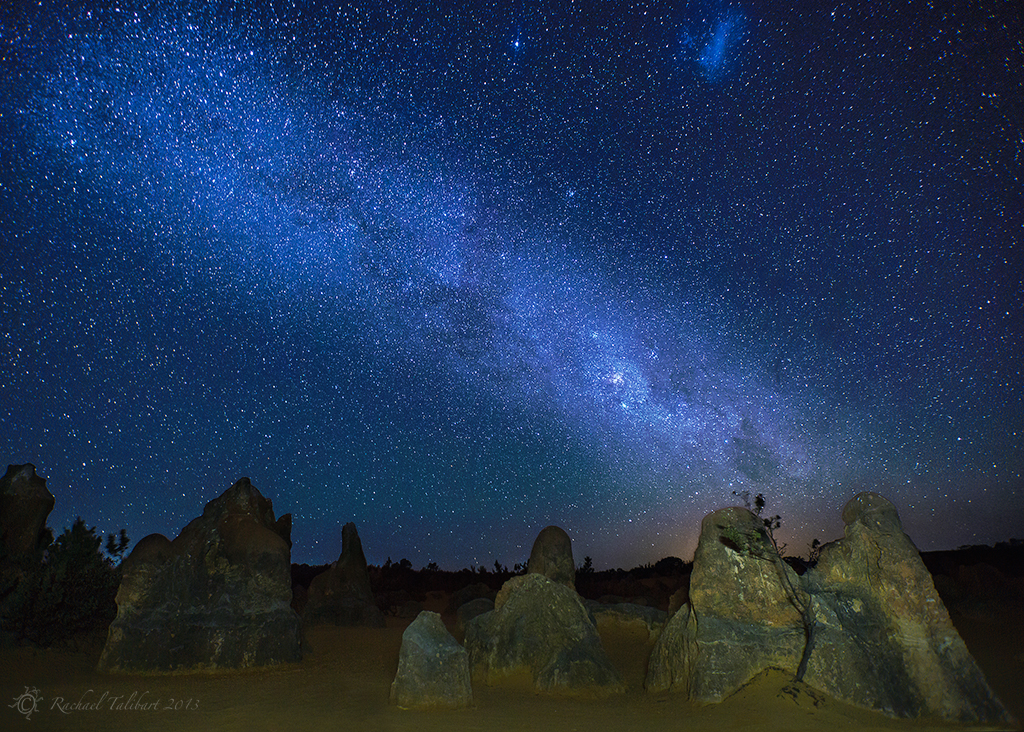
For best viewing of the milky way, you need a location as far away from other light sources as possible.  So, away from settlements and roads, and on a night with as little moon as possible.  Luckily, our stay in Yallingup coincided with a relatively late moonrise.  On the first night, it rose two and a half hours after sunset, and later on the second.  That did mean I had to work quickly, as it is best to leave at least a two hour gap after sunset to be sure of a dark sky.  In the image above, the greenish light entering from the left is the moon still below the horizon but beginning to make its presence known.

I had read that a 30 second exposure was best as anything longer and the earth’s rotation would make the stars start to streak.  Although I stuck to this advice, now that I have seen my images on the big screen at home, I think that 20 seconds would have been better; there are signs of movement in my skies.

In order to get as much light as possible to the sensor, I used f2.8, the widest aperture my 16-35mm lens can achieve.  Depth of field is not a major issue at 16mm!  Of course, the very dark conditions that make the milky way visible also make high ISOs necessary.  I used 1600 or 3200.  As I mentioned in my last post, this introduces quite a bit of noise.  I am working on refining my editing to mitigate the noise (many thanks to those who have recommended noise reduction plugins – I will try them all!).  

Focusing is tricky in the dark too.  I had read that focusing to infinity was best but I found in practice it was better just a notch less than infinity.  Perhaps a quirk of my lens.  If you want to focus on something closer, like the pinnacles in my first star shot (reproduced below), then a torch shone on the object is invaluable.  Incidentally, I used my iPhone’s torch app to illuminate the pinnacles.  Otherwise, they would have been silhouettes.
Western Australia


Perhaps the trickiest thing of all is finding your way in the dark with a heavy backpack and tripod.  It was fairly easy on the beach but at Pinnacles it was a little bit daunting, walking out into the desert with no lights or signs to guide you if you lost your bearings.  My husband was worried about driving the car on the dirt and sand track so we left it in the car park.  Probably a mistake with hindsight!  Note to self: next time hire a 4X4.

One final note, I understand that the best time to view the milky way is during winter (so May-August in Australia).  I am going to make that my excuse for not seeing and capturing something like the winning image in Astronomy Photographer of the Year!   Inspirational stuff. 

Competition success!

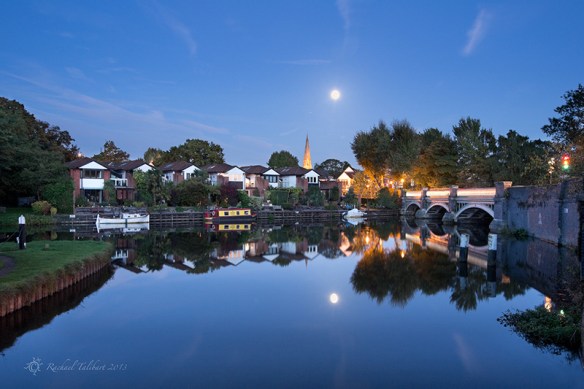
poppy fieldI am very excited today because the news has just gone public that I have won Surrey Life magazine’s calendar photography competition.  Here’s a link to the announcement.  My winning image is Evening Poppies (above) and it goes on the cover of the calendar.  January’s image is also one of mine: Winter on Desborough Island.  A further two have been requested for the exhibition at Denbies Wine Estate in January: Moonrise over Weybridge and Autumn at the Lake.

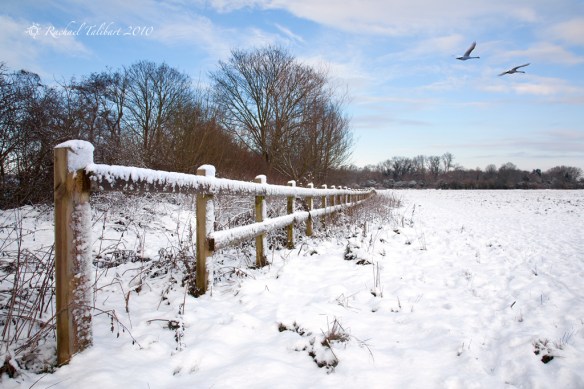
Surrey snowscape

Surrey landscape Painshill Park

Murmuration

starlings flocking
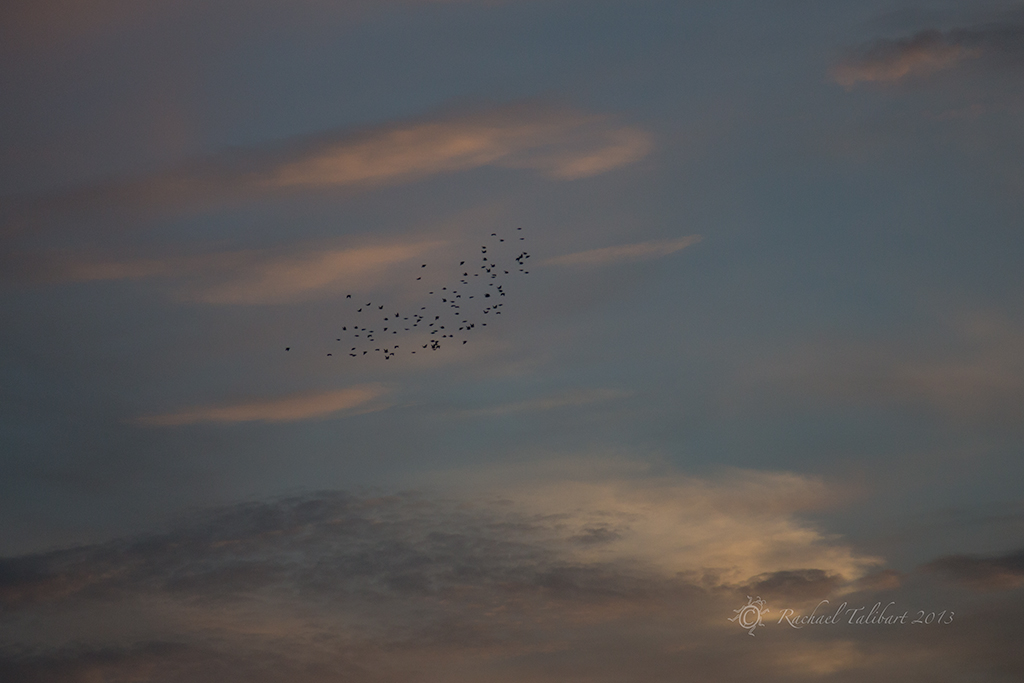
Today, I want to share a very special experience.  Last week I had the pleasure of witnessing one of nature’s great Autumn spectacles, a murmuration of starlings.  During Autumn and Winter, starlings flock together at twilight, performing amazing aerial ballets that attract more birds to the group until they descend, all together in a moment, to their roost for the night.
starlings flocking
It starts with just a small group, circling in the sky in a way that seems to attract others.starlings flocking
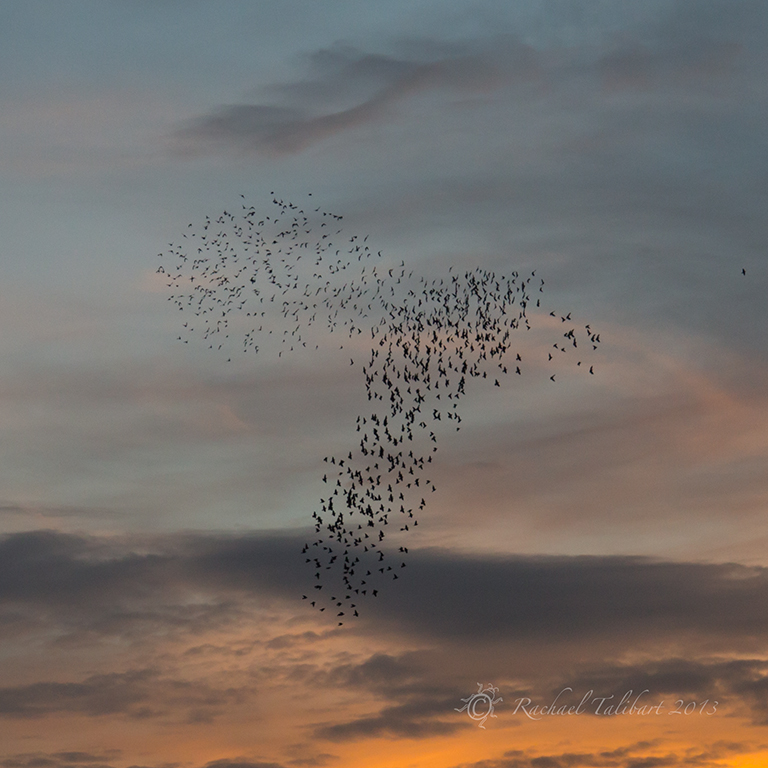
Soon many more have joined, and fantastic shapes are created as they bank and wheel about.
starlings flocking
This was a very small murmuration, with numbers in the low hundreds.  Flocks in the thousands are seen at certain key locations in Britain at this time of year.  Sadly, however, starling numbers nationally have fallen by 70% in recent years and they are now counted as a threatened species.   For more information, see the RSPB’s website.
starlings flocking
I feel very privileged to have seen this waning, natural wonder.

Boldermere

Surrey landscape

f/11, 2″, ISO 50, 24mm, 0.6 ND Grad and 0.9 Pro Glass

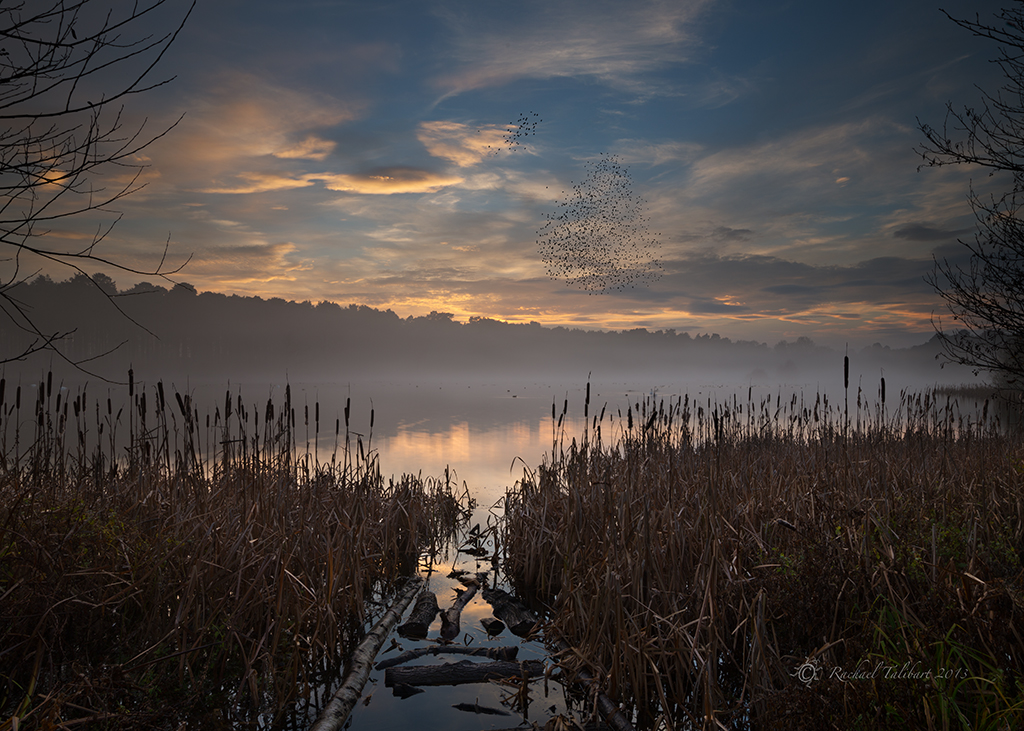
I have had a wonderful week of photography, with two full days out in the field with fellow enthusiasts, Jenifer Bunnett and Tony Antoniou.  Conditions were perfect, with mist and patchy sun.  On both occasions I visited Boldermere, a peaceful lake incongruously nestled in the crook of the M25’s junction with the A3.  Each day was rounded off perfectly with one of nature’s most spectacular Autumn displays, a murmuration of starlings.  Those shots will follow in another post soon.  For now, a gentle panorama of this quiet, forgotten spot.

I have been outside all week, and am consequently very behind with visiting blogs.  I will try to catch up soon, before we head off on our next big adventure, Down Under!

Golden light and morning mist

Surrey Landscape
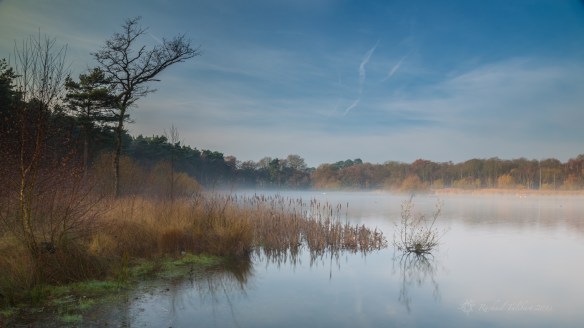
Jen and I enjoyed a wonderful shoot on Chatley Heath yesterday. For a short while, the sun burned through the early mist to cast its rays across the landscape. Chatley Heath is a designated Site of Special Scientific Interest and it is managed as a nature reserve by Surrey Wildlife Trust, a favourite charity of mine.
Surrey landscape

Standing tall

tree

For me, trees have always been the most penetrating preachers. I revere them when they live in tribes and families, in forests and groves. And even more I revere them when they stand alone. They are like lonely persons. Not like hermits who have stolen away out of some weakness, but like great, solitary men, like Beethoven and Nietzsche. In their highest boughs the world rustles, their roots rest in infinity; but they do not lose themselves there, they struggle with all the force of their lives for one thing only: to fulfil themselves according to their own laws, to build up their own form, to represent themselves. Nothing is holier, nothing is more exemplary than a beautiful, strong tree.

-Herman Hesse,Bäume. Betrachtungen und Gedichte.

Messing about in boats

Weybridge
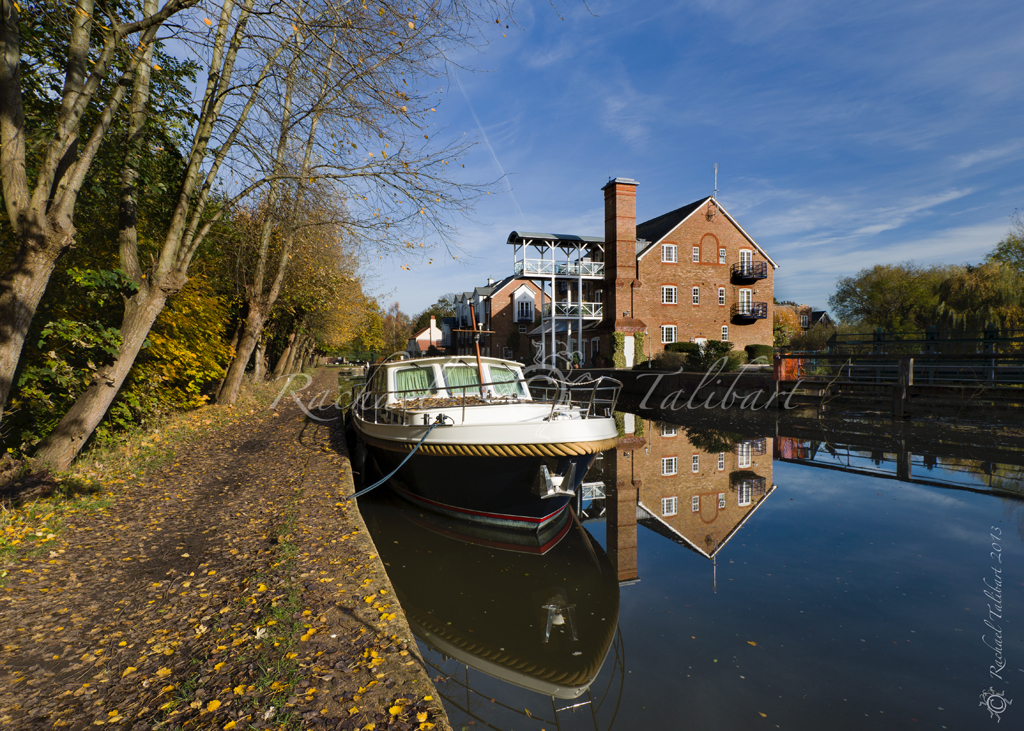
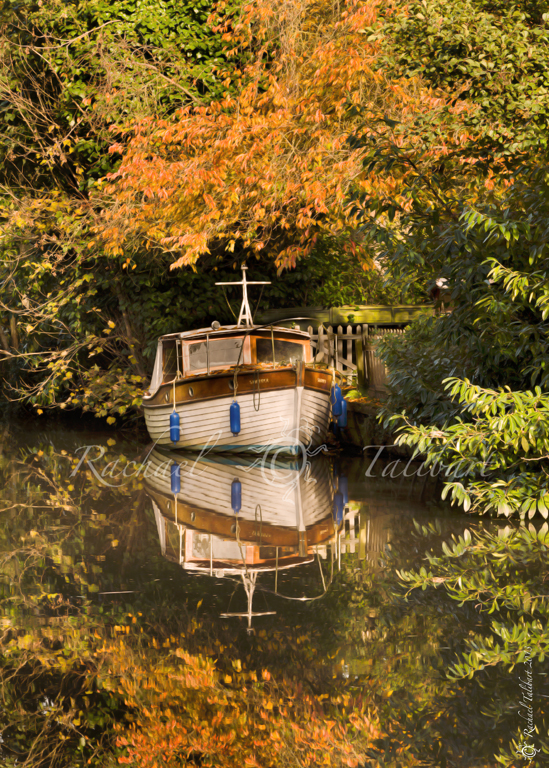
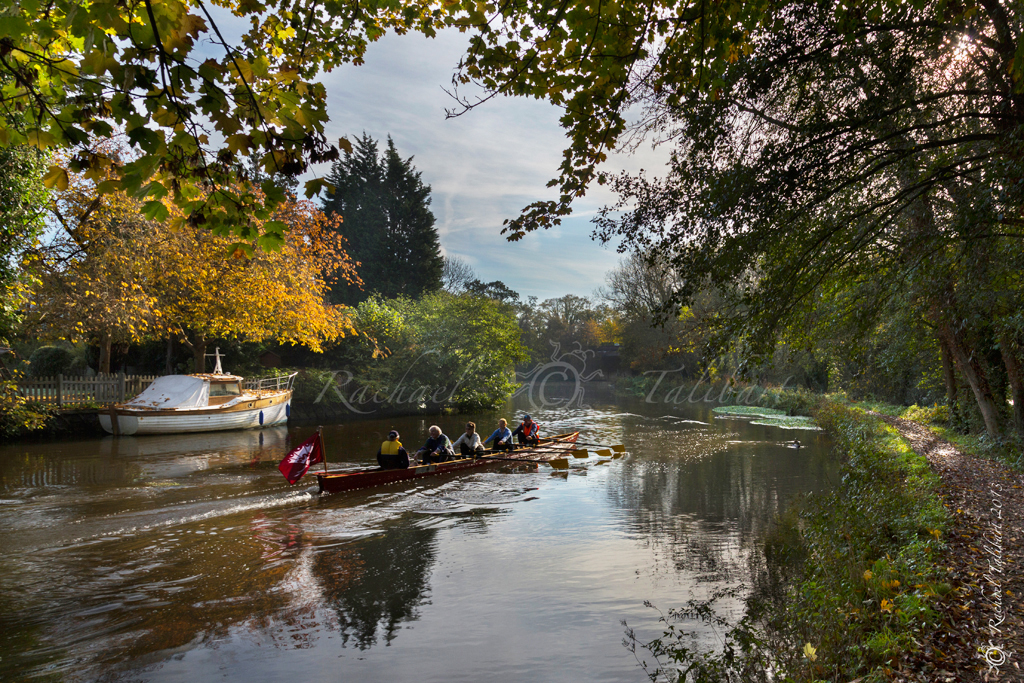
Still on an Autumn tack, I thought I’d share some seasonal shots of the different craft that can be found along the Wey Navigation in Weybridge.
Wey Navigation
Situated on the confluence of the Thames and the Wey, and with the Wey Navigation running through it as well, Weybridge has a lot of watercraft, of all shapes and sizes.
Wey Navigation
I am mostly content to admire them from the towpath, however.
WeybridgeOf course, there could only ever be one quotation for this post:

Believe me, my young friend, there is nothing – absolutely nothing – half so much worth doing as simply messing about in boats.
– Kenneth Grahame, The Wind in the Willows (1908)