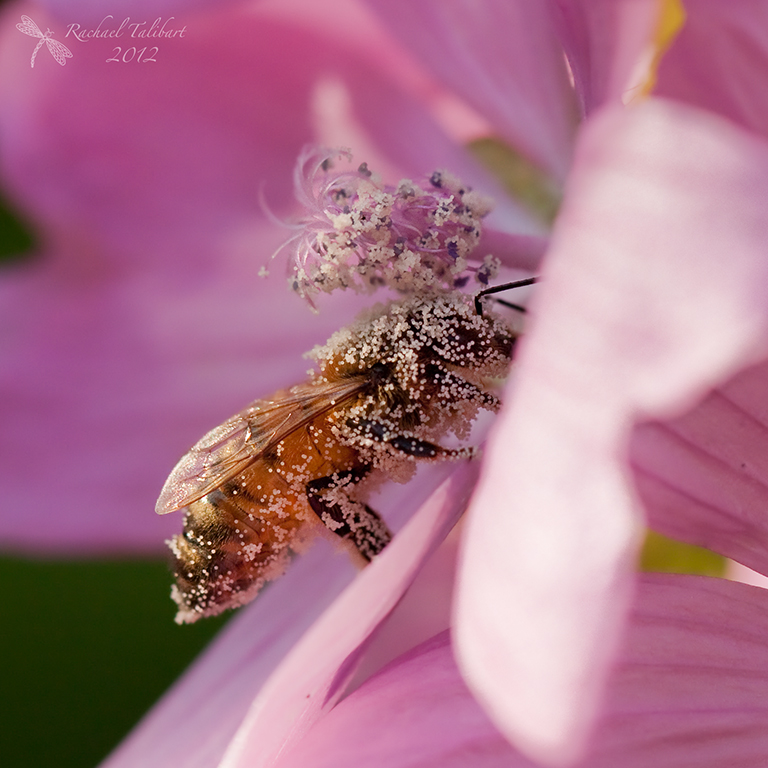
For so work the honey bees

Image

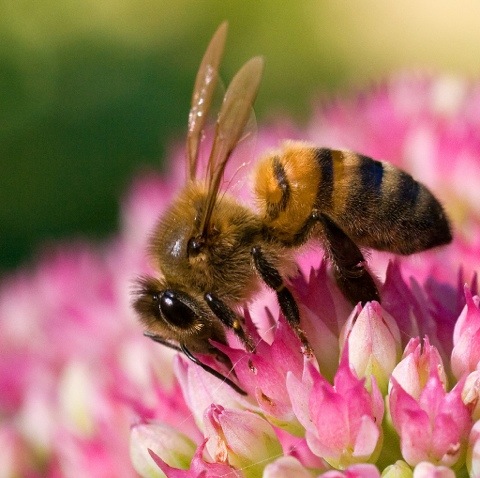
For so work the honey bees,
Creatures that by a rule in nature teach
The act of order to a peopled kingdom.
They have a king, and officers of sorts,
Where some like magistrates correct at home;
Others like merchants venture trade abroad;
Others like soldiers, armed in their stings,
Make boot upon the summer’s velvet buds,
Which pillage they with merry march bring home
To the tent-royal of their emperor;
Who, busied in his majesty, surveys
The singing masons building roofs of gold,
The civil citizens kneading up the honey,
The poor mechanic porters crowding in
Their heavy burdens at his narrow gate,
The sad-ey’d justice, with his surly hum,
Delivering o’er to executors pale
The lazy yawning drone.

William Shakespeare, Henry V, I.ii

Image

Image

Raynox newbie

Image

I have a new toy, a Raynox DCR-250 super macro conversion lens.  It is a cheap alternative to a macro lens but I am actually using it to get even closer than my macro lens.  It clips onto my 100mm macro to let me get super close.

Image

Depth of field at these sorts of magnifications is ridiculously thin and to get the most out of it you need a tripod and flash.  So I doubt it will be an oft-used piece of kit for my favourite genre, natural light bug macros outdoors.

Image

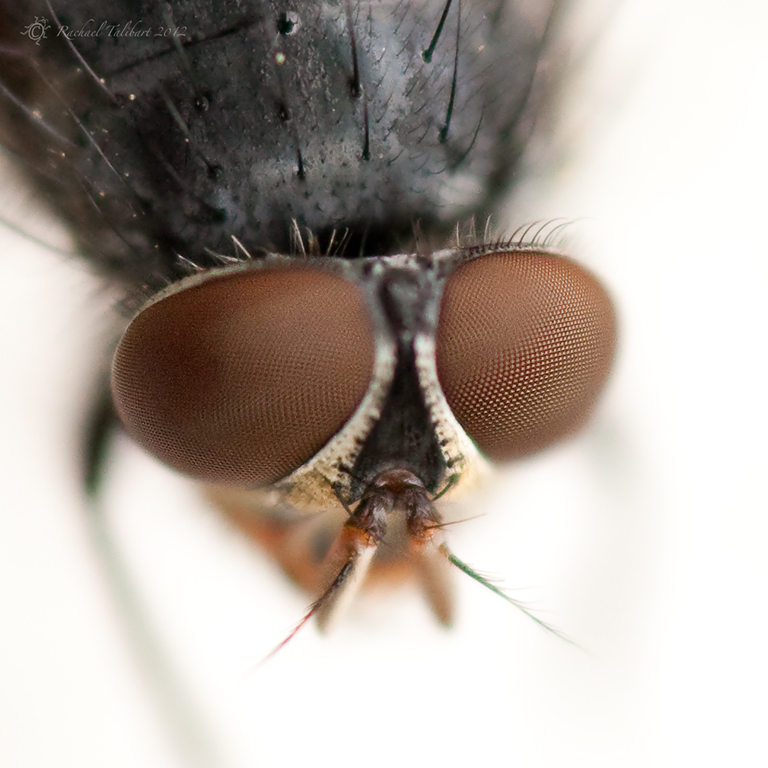
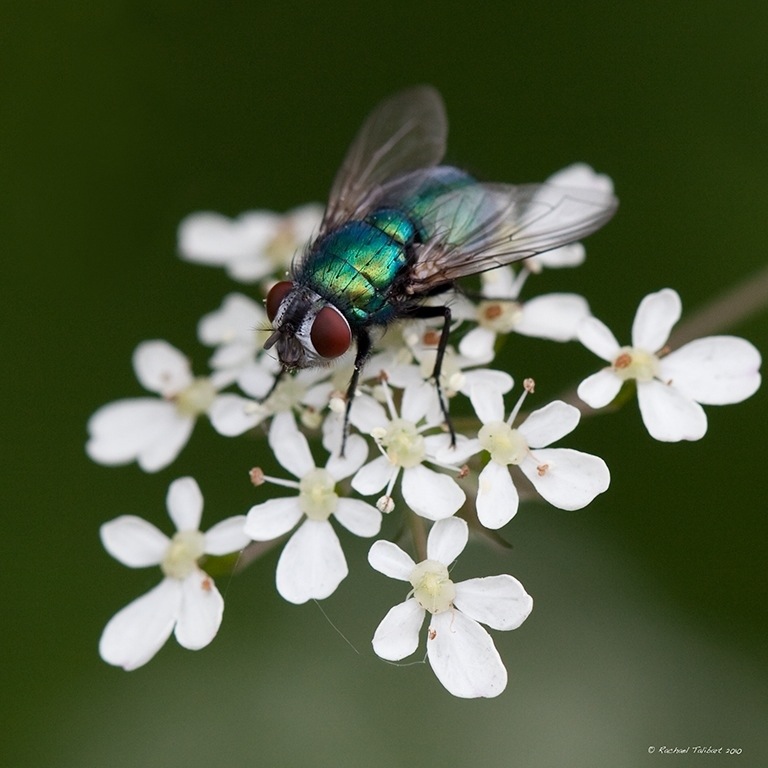
Still, it did give me a lot of fun yesterday afternoon putting it through its paces trying to capture something of the very smallest critters in my garden.  The red-eyed fly below is smaller than an aphid.

Image


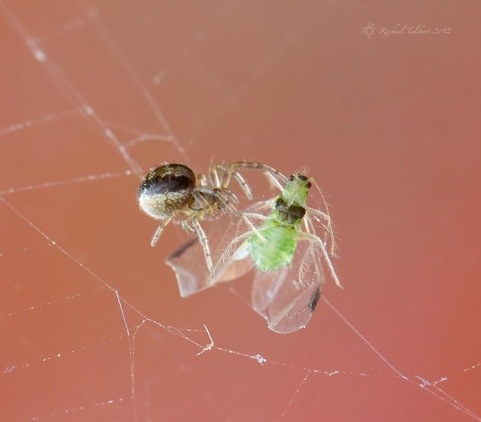
Trapped

Image

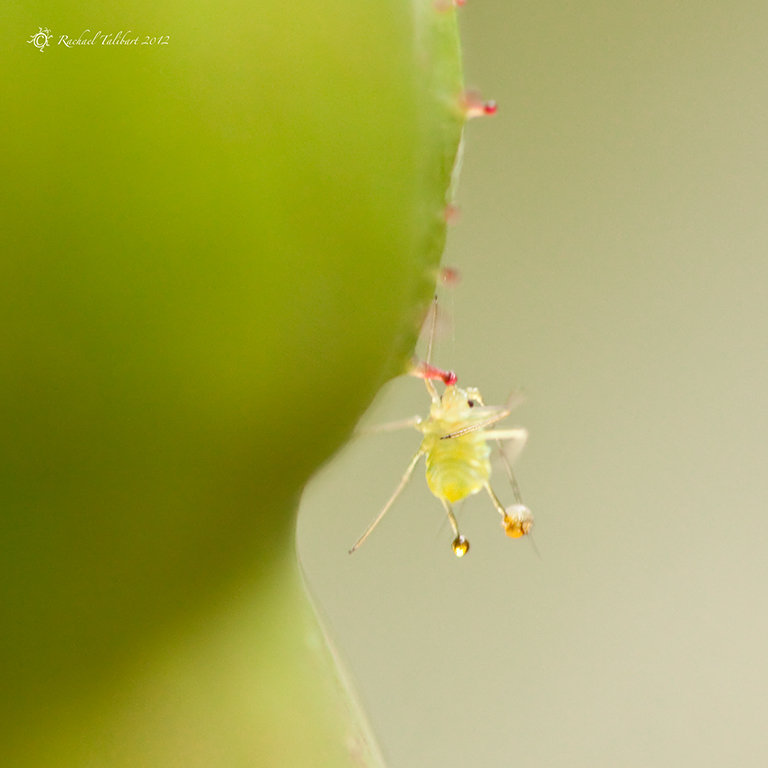
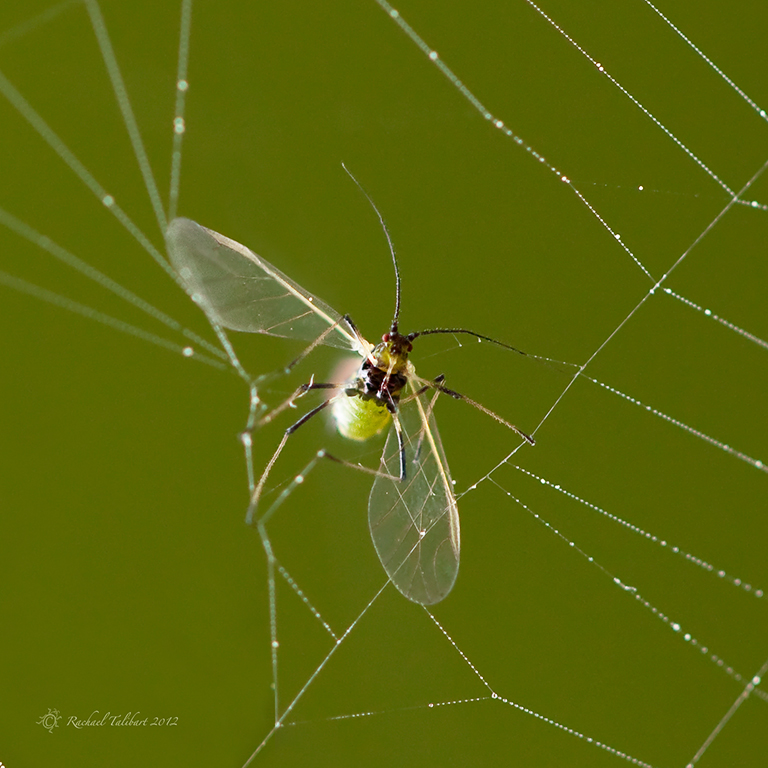
An aphid caught in a web awaits its doom.

Image

Dar’st thou die?

The sense of death is most in apprehension;

And the poor beetle that we tread upon

In corporal sufferance finds a pang as great

As when a giant dies.

William Shakespeare, Measure for Measure, III.i

More cricket antics

Image

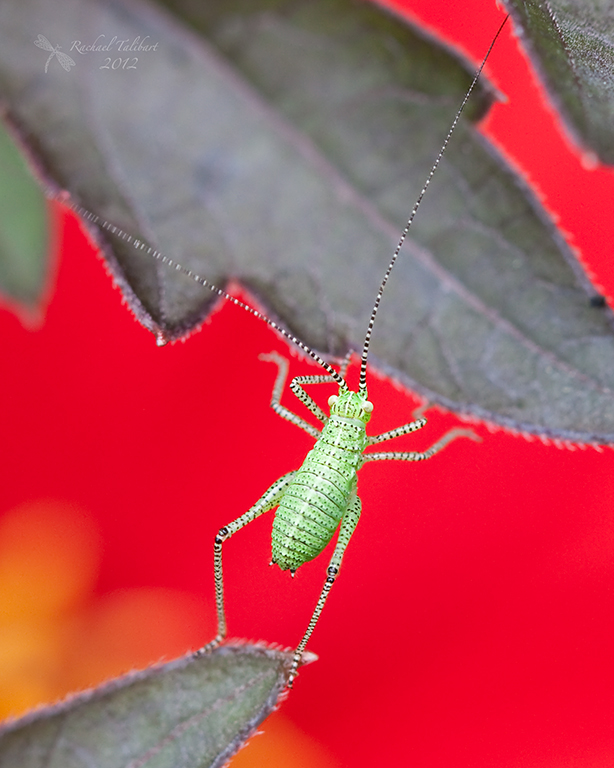
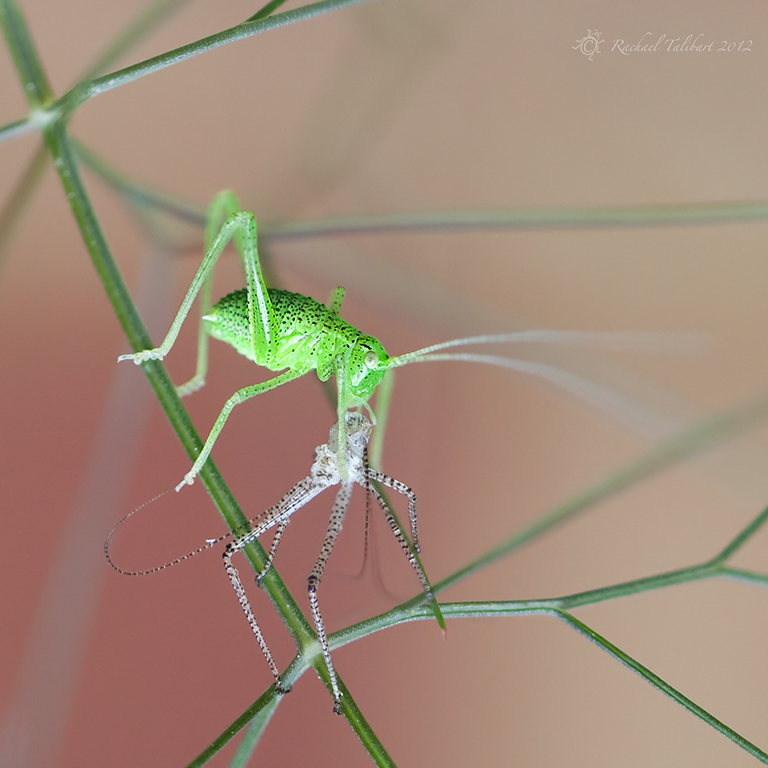
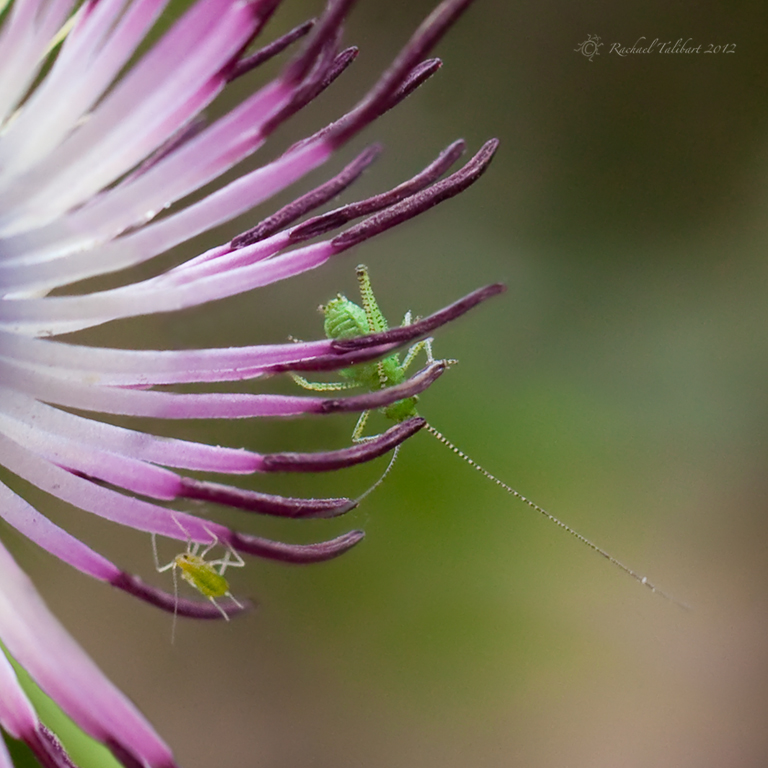
Another update on the speckled bush cricket nymphs in my garden.  As you can see, they are growing fast.  In the top image, one enjoys a tasty supper of aquilegia pollen.

Image

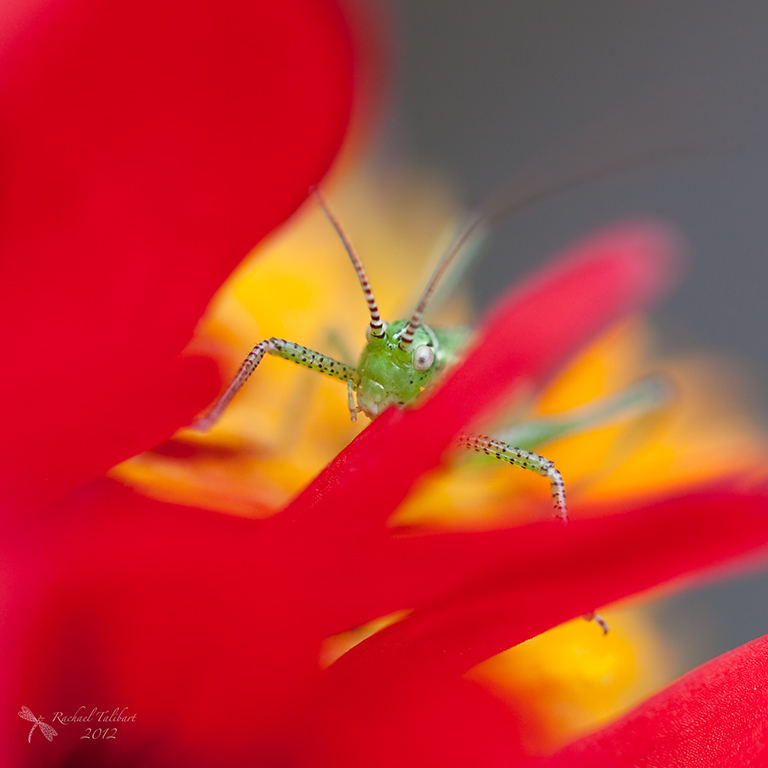
How about a game of peek-a-boo with a friendly aphid?

For my previous posts on these curious little critters, see here and here. 

One square metre

20120613-232946.jpg

One question I am often asked is how I manage to spot all the bugs I shoot. It really is just a matter of training your eye. The more you start to look for the smaller creatures around you, the more you start to find them.

20120613-233142.jpg

One way to train your eye is to find a small area of vegetation, say one square metre, and see how many insects you can find and photograph. You will be surprised after a little while just how many are there.

20120613-233253.jpg

All of the shots in today’s post were taken in one clump of weeds by the Wey Navigation towpath. The photo shoot took about 15 minutes in total. In fact, I found several other insects in the same clump.

20120613-233605.jpg

Why not give it a try and share the results on your blog and/or in comments here?

My Internet is down and I am blogging on 3G, which is expensive, so please forgive me if I am a little slow in replying or visiting your blogs until the pesky thing is fixed.

Damselfly embrace

20120604-161653.jpg

A male damselfly holds onto the female after mating to prevent other males from inseminating her. Taken in my garden this week.

Dimply damsel, sweetly smiling,
All caressing, none beguiling,
Bud of beauty, fairly blowing,
Every charm to nature owing.

Ambrose Philips, ‘To Miss Margaret Pultenay’ (1727)

The Spider and the Fly

20120603-101636.jpg

“Will you walk into my parlour?” said the Spider to the Fly,
“‘Tis the prettiest little parlour that ever you did spy;
The way into my parlour is up a winding stair,
And I’ve a many curious things to shew when you are there.”
“Oh no, no,” said the little Fly, “to ask me is in vain,
For who goes up your winding stair can ne’er come down again.”

“I’m sure you must be weary, dear, with soaring up so high;
Will you rest upon my little bed?” said the Spider to the Fly.
“There are pretty curtains drawn around; the sheets are fine and thin,
And if you like to rest awhile, I’ll snugly tuck you in!”
“Oh no, no,” said the little Fly, “for I’ve often heard it said,
They never, never wake again, who sleep upon your bed!”

Said the cunning Spider to the Fly, ” Dear friend what can I do,
To prove the warm affection I’ve always felt for you?
I have within my pantry, good store of all that’s nice;
I’m sure you’re very welcome — will you please to take a slice?”
“Oh no, no,” said the little Fly, “kind Sir, that cannot be,
I’ve heard what’s in your pantry, and I do not wish to see!”

“Sweet creature!” said the Spider, “you’re witty and you’re wise,
How handsome are your gauzy wings, how brilliant are your eyes!
I’ve a little looking-glass upon my parlour shelf,
If you’ll step in one moment, dear, you shall behold yourself.”
“I thank you, gentle sir,” she said, “for what you’re pleased to say,
And bidding you good morning now, I’ll call another day.”

The Spider turned him round about, and went into his den,
For well he knew the silly Fly would soon come back again:
So he wove a subtle web, in a little corner sly,
And set his table ready, to dine upon the Fly.
Then he came out to his door again, and merrily did sing,
“Come hither, hither, pretty Fly, with the pearl and silver wing;
Your robes are green and purple — there’s a crest upon your head;
Your eyes are like the diamond bright, but mine are dull as lead!”

Alas, alas! how very soon this silly little Fly,
Hearing his wily, flattering words, came slowly flitting by;
With buzzing wings she hung aloft, then near and nearer drew,
Thinking only of her brilliant eyes, and green and purple hue –
Thinking only of her crested head – poor foolish thing! At last,
Up jumped the cunning Spider, and fiercely held her fast.
He dragged her up his winding stair, into his dismal den,
Within his little parlour – but she ne’er came out again!

And now dear little children, who may this story read,
To idle, silly flattering words, I pray you ne’er give heed:
Unto an evil counsellor, close heart and ear and eye,
And take a lesson from this tale, of the Spider and the Fly.

Mary Howitt, ‘The Spider and the Fly’ (1829)

Macro economics

20120520-120158.jpg

I have found that people often assume that they will not be able to do macro photography without expensive kit. Certainly, I now enjoy using Canon’s 100mm L IS macro lens on the full-frame 5Dii, hardly inexpensive equipment. However, looking back through my macro shots I was surprised how many, fairly decent, images I had achieved before I bought my current kit.

20120520-120639.jpg

Most of the shots in today’s post were taken using my 400D, a fairly old, entry-level DSLR with only 10mpx at its disposal. All of them, except the last one, were taken using the Sigma 50mm f2.8 EX DG Macro, a nice little lens that you can pick up for £250 or less.

20120520-120910.jpg

True macro lenses have a fixed focal length. They are prime lenses and, therefore, usually produce higher image quality than a zoom.

20120520-121051.jpg

A 50mm prime has many uses beyond macro. 50mm is a nice length for portraits, for example. So your macro lens is a good and versatile purchase.

20120520-121234.jpg

I recently read in a photography magazine that anything less than 100mm was too short for shooting insects. Hopefully, this post proves otherwise.

20120520-121440.jpg

Another item often touted as essential for macro work is an expensive flash, usually a ring flash for insects. Not so. All of my macro work is done in natural light.

20120520-121615.jpg

If you are not yet ready to buy a macro lens, there are other options. Extension rings, dioptres, or reverse mounting a regular lens, all achieve good image magnification although handling them well takes some practice.

20120520-121913.jpg

Finally, do not assume that without dedicated macro equipment, close-up work is out of reach. This final shot was taken using a 24-105mm zoom lens.

20120520-122159.jpg

Outdoor macro photography is my favourite genre. You can do it at almost any time of day and it is best when the sun is not shining. Perfect for those of us who live in a country the sun has forgotten and whose other commitments prevent them spending hours waiting for the light at sunset and sunrise.
Are you already a macro fan, or are you thinking of taking it up?