
The property pages made such grim reading that Slim decided to shelve his dream of becoming a snail.
Just some Wednesday silliness. Normal service resumes tomorrow. 😉

The property pages made such grim reading that Slim decided to shelve his dream of becoming a snail.
Just some Wednesday silliness. Normal service resumes tomorrow. 😉

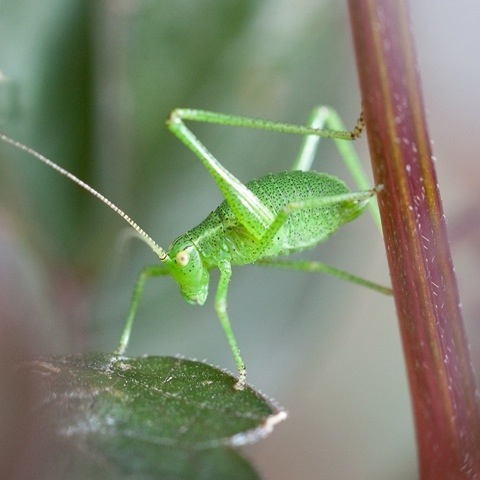
A freshly hatched nymph looks out on a new world.
I was pottering around the herb garden looking for some buggy subjects for my ever-hungry macro lens when I thought I saw a greenfly. Closer observation revealed this pretty little speckled bush cricket nymph. Speckled bush cricket (leptophyes punctatissima) nymphs shed their skins six times. Each version is called an instar. I think this tiny nymph is a newly emerged first instar.
The full adult version, as pictured below, can be found in the garden from about late July onwards. I have found the little nymph in the same place every day since I took its picture. I will follow its progress and try to get some more shots as it grows.
For more information on speckled bush crickets and some super shots see this blog.

Golden is the sunrise,
The hour photographers shoot

Golden is the moment
We hope not to forget
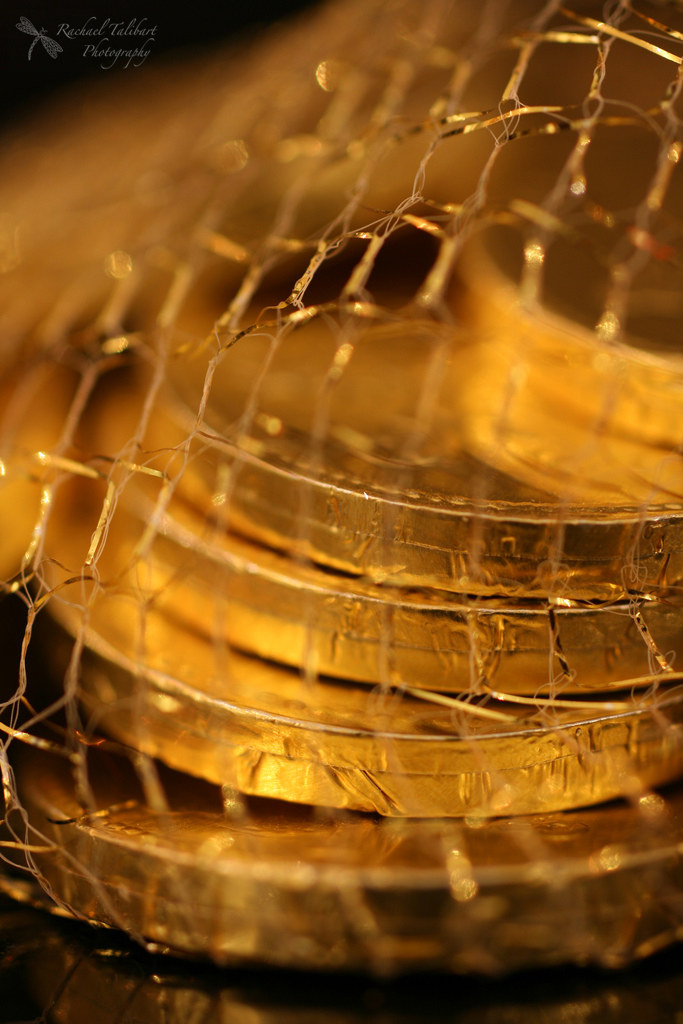
Golden are the coins
(Look better than they taste!)

Golden is the sunbeam
That gilds the silken web

Golden is the Autumn,
The poet’s mellow season

Golden are the seeds
That tango through the air
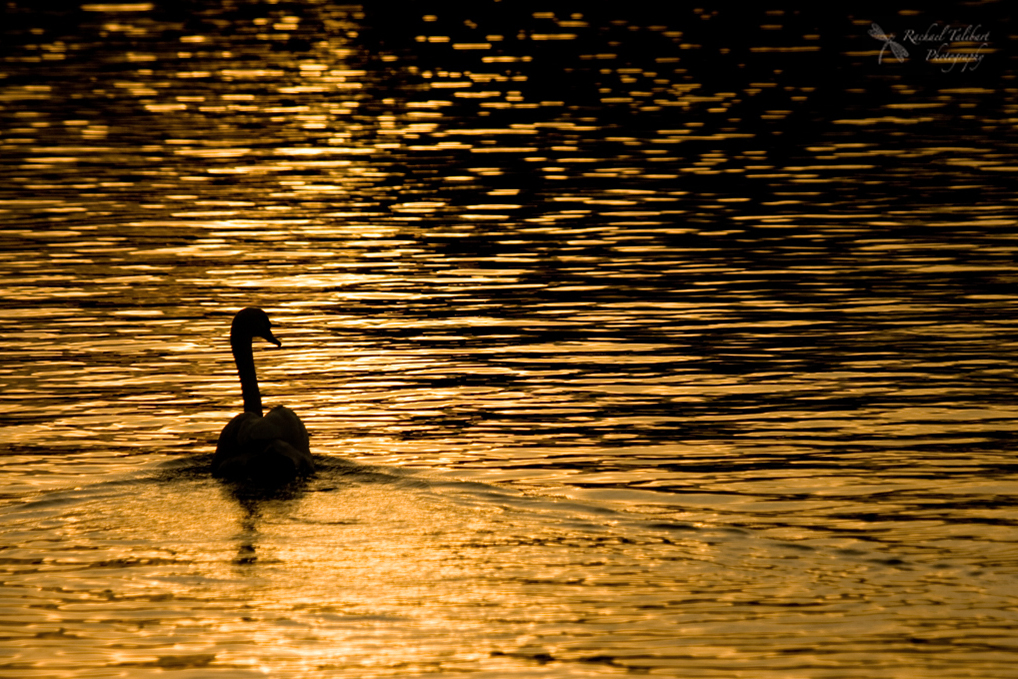
Golden is the pond
Stroked by the setting sun

Golden is the coffee
That warms a winter’s night

Golden is the star
That twists in festive light.

I have found that people often assume that they will not be able to do macro photography without expensive kit. Certainly, I now enjoy using Canon’s 100mm L IS macro lens on the full-frame 5Dii, hardly inexpensive equipment. However, looking back through my macro shots I was surprised how many, fairly decent, images I had achieved before I bought my current kit.
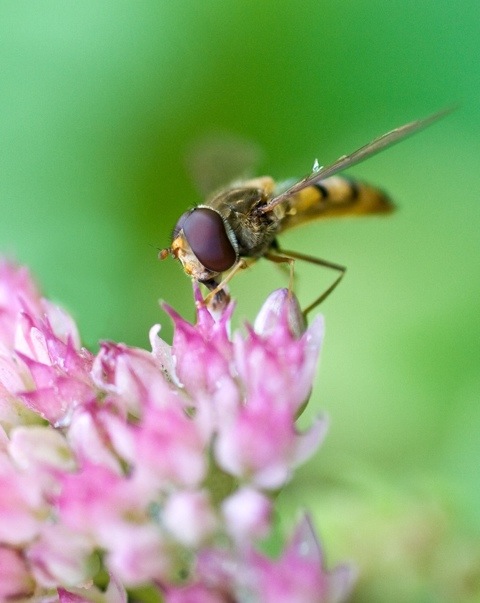
Most of the shots in today’s post were taken using my 400D, a fairly old, entry-level DSLR with only 10mpx at its disposal. All of them, except the last one, were taken using the Sigma 50mm f2.8 EX DG Macro, a nice little lens that you can pick up for £250 or less.
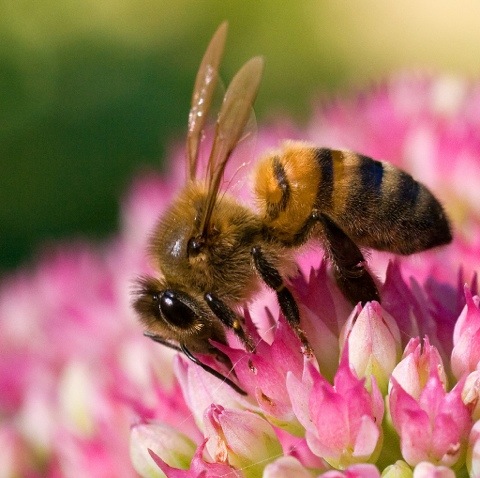
True macro lenses have a fixed focal length. They are prime lenses and, therefore, usually produce higher image quality than a zoom.
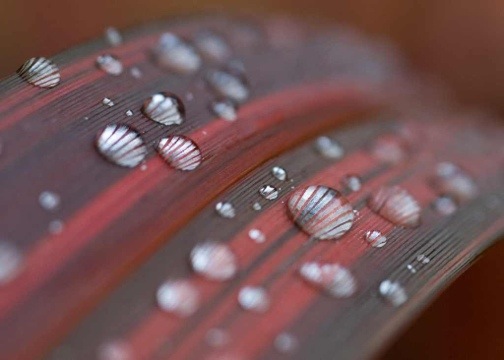
A 50mm prime has many uses beyond macro. 50mm is a nice length for portraits, for example. So your macro lens is a good and versatile purchase.

I recently read in a photography magazine that anything less than 100mm was too short for shooting insects. Hopefully, this post proves otherwise.
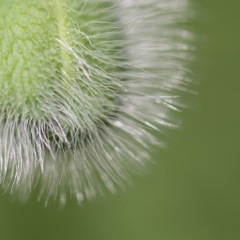
Another item often touted as essential for macro work is an expensive flash, usually a ring flash for insects. Not so. All of my macro work is done in natural light.
If you are not yet ready to buy a macro lens, there are other options. Extension rings, dioptres, or reverse mounting a regular lens, all achieve good image magnification although handling them well takes some practice.

Finally, do not assume that without dedicated macro equipment, close-up work is out of reach. This final shot was taken using a 24-105mm zoom lens.

Outdoor macro photography is my favourite genre. You can do it at almost any time of day and it is best when the sun is not shining. Perfect for those of us who live in a country the sun has forgotten and whose other commitments prevent them spending hours waiting for the light at sunset and sunrise.
Are you already a macro fan, or are you thinking of taking it up?

Little drops of water,
Little grains of sand,
Make the mighty ocean
And the beauteous land.And the little moments,
Humble though they be,
Make the mighty ages
Of eternity …
Julia Carney, ‘Little Things’ (1845)
Photo taken on the beautiful coast of Northumberland, England, with Lindisfarne Castle in the distance.
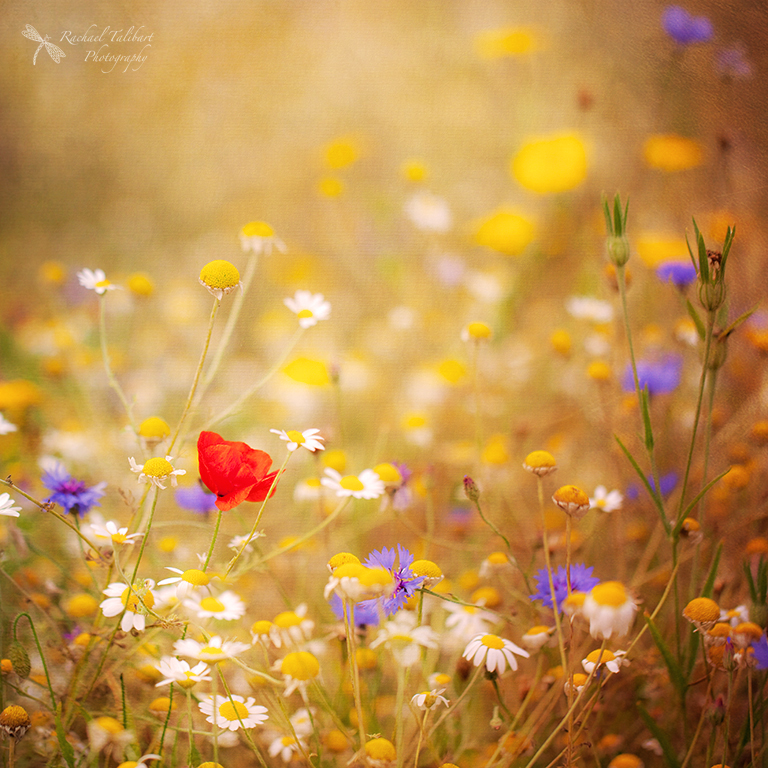
Therefore am I still
A lover of the meadows and the woods,
And mountains; and of all that we behold
From this green earth; of all the mighty world
Of eye, and ear, – both what they half create,
And what perceive; well pleased to recognise
In nature and the language of the sense,
The anchor of my purest thoughts, the nurse,
The guide, the guardian of my heart, and soul
Of all my mortal being …
William Wordsworth, ‘Lines composed a few miles above Tintern Abbey’ (1798)
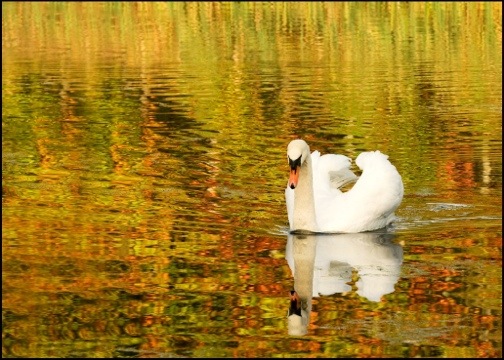
My soul is an enchanted boat,
Which, like a sleeping swan, doth float
Upon the silver waves of thy sweet singing.
Shelley, Prometheus Unbound (1820), II.v, l.39
The mute swan, although ubiquitous in Britain, is always a graceful sight and provides an elegant focal point for the lake-side photographer. According to legend, the mute swan is mute through life until the moment before its death when it emits a beautiful song. This is the origin of the expression, “swan song”.

The silver Swan, who living had no note,
When Death approached, unlocked her silent throat.
Leaning her breast against the reedy shore,
Thus sang her first and last, and sang no more:
“Farewell, all joys! O Death, come close mine eyes!
“More Geese than Swans now live, more Fools than Wise.
Orlando Gibbons, “The Silver Swan”, The First Set of Madrigals and Motets of Five Parts (1612)
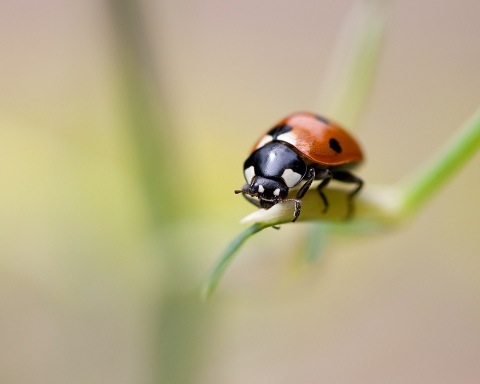
The last in my mini-series about the aphid, ant, ladybird relationship, is the top predator, the ladybird, or ladybug if you are American. Ladybirds are beetles of the family coccinellidae. They are probably the most easily recognisable beetle thanks to their characteristic bright colouring.

Of the world’s 3500 species of ladybird, 46 live in Britain. Probably the most common is the seven-spot ladybird, coccinella 7-punctata.
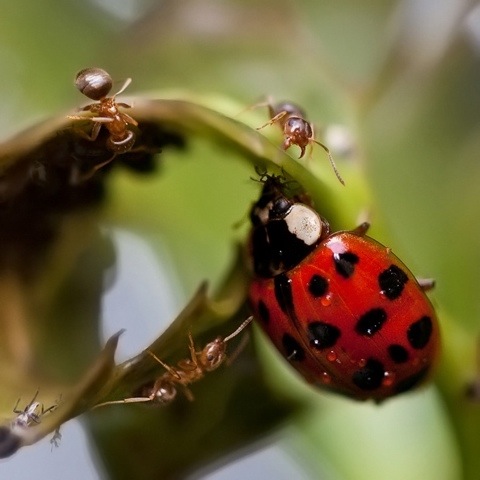
Although many types of ladybird will eat other insects, their favourite meal is aphids, which they will hoover-up without being in the least deterred by ant-shepherds.
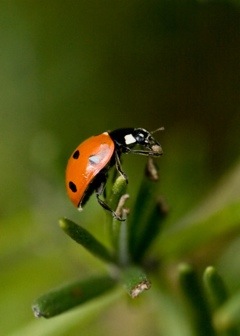
May is the main month for ladybirds to mate.
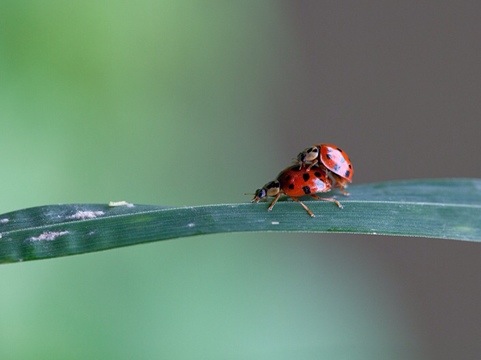
In recent years, Britain has seen an influx of the Harlequin ladybird, harmonia axyridis. This large ladybird is considered to be a potential threat to indigenous species. It is a voracious hunter and its larvae will eat the larvae and pupae of other ladybirds. It may also mate with indigenous species.

The Harlequin is difficult to identify accurately because its colours vary so much. I think, however, that in the picture above, both ladybirds are harlequins, despite their very different appearances. One clue is that Harlequins usually have brown rather than black legs.

Ladybirds hibernate through the winter. Here a group of harlequins sleep huddled together.

Somewhere on my hard drive are images of ladybird larvae and pupae. When I find them, I will add them here. In the meantime, I leave you with the well-known nursery rhyme:
“Ladybird, ladybird, fly away home
Your house is on fire,
And your children are gone”.
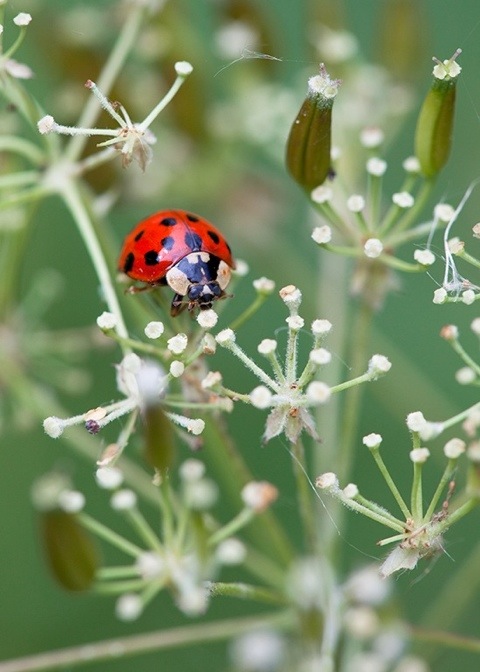
No bugs tomorrow, I promise!

Welcome to the second instalment of my three-part series on the aphid, ant, ladybird relationship. If you don’t like ants, look away now!

Less than .5% of the world’s species of ant live in the UK. It is mostly too cold and wet for them, something not difficult to believe given the spring we’re having! By far the most common is the black garden ant, Lasius Niger.

These tough, fast, little ants live in colonies of up to 15,000. They eat insects, seeds, nectar and even the bodies of their own dead.
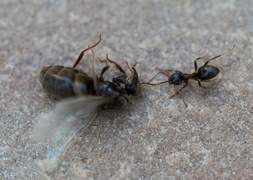
As illustrated in an earlier post, they have a particular liking for the sticky honeydew secreted by aphids and will climb bushes to “herd” aphids, protecting them from predators. They obtain the honeydew by stroking the aphids with their feelers!
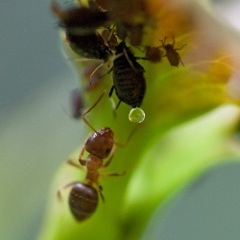
On certain still, warm days each summer, males and queens will emerge from the nest and take to the wing, mating in flight. The queens then shed their wings and start new nests. The males, their sole purpose fulfilled (if they are lucky), die. Environmental cues lead to all the nests in a locality releasing their males and queens at the same time. This enables inter-nest mating, ensuring genetic diversity.

The study of ants is called myrmecology. This made me think of Achilles’ myrmidons so I looked up the etymology of the word and learned my new thing for the day! According to myth, Zeus made the Myrmidons from a nest of ants. Another meaning of myrmidon is a faithful follower who carries out orders without question.

“Next time you’re found, with your chin on the ground,
There’s a lot to be learned, so look around.
Just what makes that little old ant
Think he’ll move that rubber tree plant?
Anyone knows an ant, can’t,
Move a rubber tree plant.
But he’s got high hopes, he’s got high hopes,
He’s got high, apple pie, in the sky hopes.
So any time you’re gettin’ low,
‘Stead of letting go,
Just remember that ant,
Oops there goes another rubber tree plant.”
“High Hopes” Cahn/Van Heusen

A few weeks ago, I told a story about a conflict between three species of minibeast in my garden. This week, I thought I might take three days to focus on each of those same three species individually. I promise to do something non-buggy on Thursday.
I am starting with the bottom of the food chain, the lowly aphid. The top image is hot off the presses, taken in my garden yesterday. We actually had some sun this weekend! Back to rain today though. Anyway, I call it “Bringing up Baby”. Babysitting is such hard work, especially when the toddler will keep running away from you!

Aphids are a lot less attractive in numbers, especially when sucking the life force from one of my rose bushes. The picture above makes me think of sci-fi and contagion-style movies. Euch.
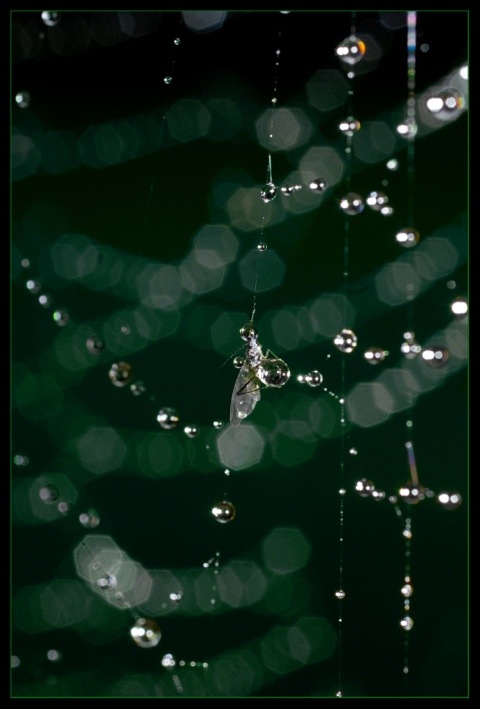
Still, aphids are a vital part of the garden food chain, like the wildebeests or antelopes of the African plains. I call the shot above “The Bubble Trap”. A blackfly is caught in a double trap of web and water droplet.
Here’s another capture of the same doomed aphid:

All that is left of the aphid in the next shot is a single wing:

Singly, however, the greenfly remains an unexpectedly graceful creature, its delicate form suggesting vulnerability:
“He didn’t want to stop cutting, and hacked away so furiously that he shook with the vibrations, wedged between his two levels of rock, like a greenfly caught between the pages of a book which threatened to slam suddenly shut.”
Emile Zola, Germinal, trans. Peter Collier

Tomorrow, it’s the aphid farmer’s turn, the garden ant. I bet you can’t wait. 😉
 Focused Moments