 A helpful friend on Facebook suggested the mystery plant from yesterday might be a member of the mint family so I went outside and did the leaf-rub test. Low and behold, and without a shadow of a doubt, it is spearmint. Thanks, Harry.
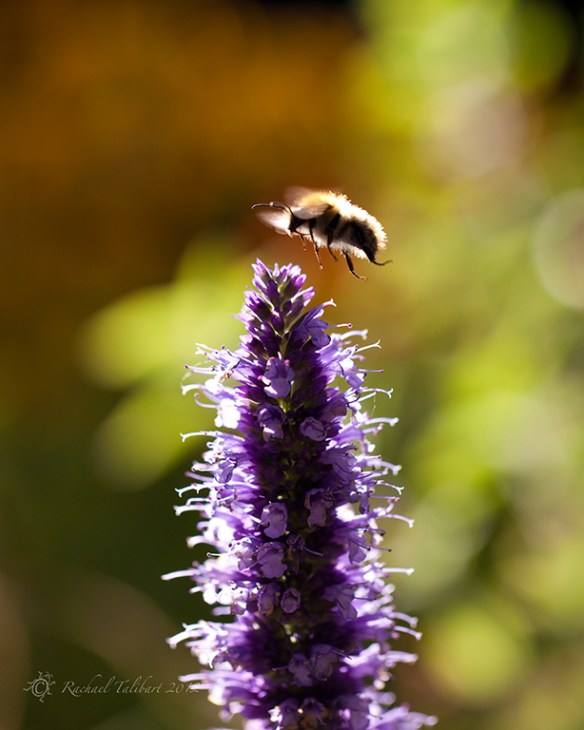
I was pleased to find the following interesting, and apposite, minty mythology:
“Mint has been regarded as a symbol of Hospitality; ancient Romans strewed it around at feasts and banquets as a sign of welcome to guests.
The genus name Mentha comes from Greek Mythology. Legend has it that Menthe was a nymph who loved Pluto; when Pluto’s wife Persephone discovered this she turned the nymph into a mint plant.
It is also believed that the Ancients scoured their tables with this herb when preparing for the gods. Furthermore, the gods had fields of mint that bees used to make honey.
According to an ancient legend, Demeter drank a special drink called cecyon (kekyon) at Eleusis. This sacred drink of the Eleusine Mysteries was made by blending wheaten gruel with mint. Female initiates carried vessels of cecyon bound to their heads. The Greeks also believed that mint increased love-making. Moreover, mint, rosemary and myrtle were used in the final preparations of the dead in ancient Greece.”
www.modeflowers.com/flower-varieties/mentha-flowers
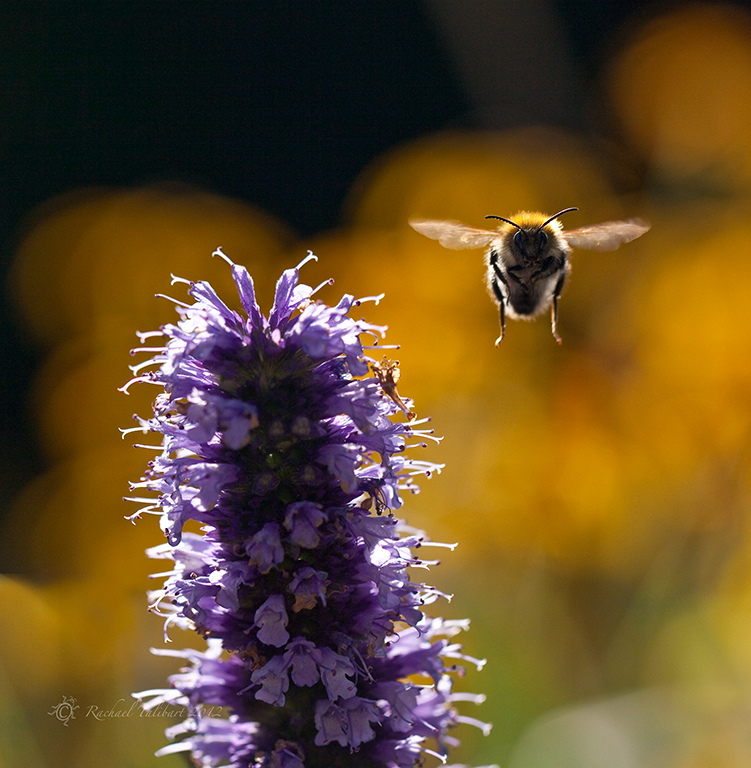
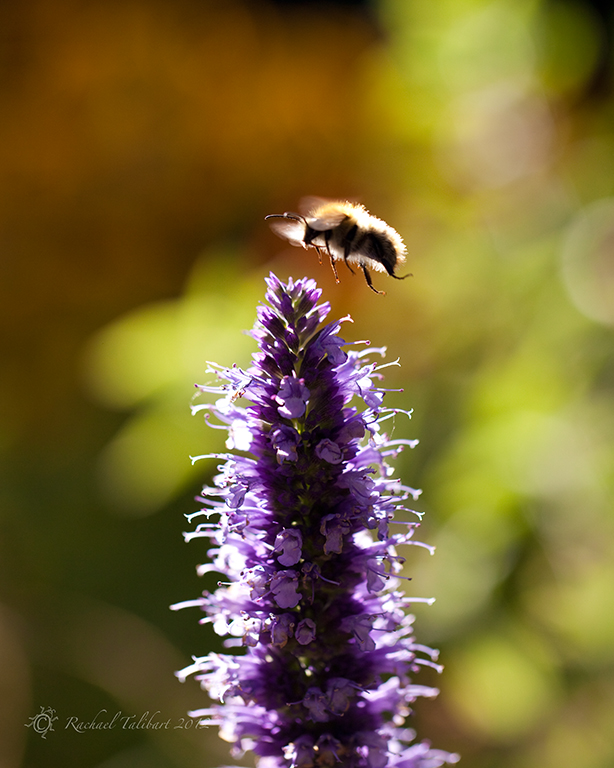
 I like it that the gods grew fields of mint for bees. They knew a thing or two, because the bees really do love these flowers! (Although I haven’t noticed any honey bees on them yet.)
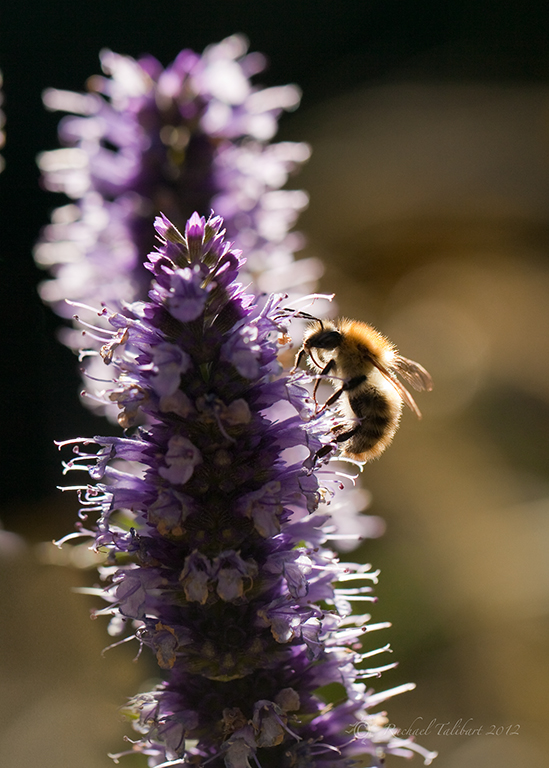
Carder bees are smallish bumble bees and they make their nests in old mammal burrows or tussocks of grass. They have a reputation for being feisty if their nest is threatened but while foraging in the garden they are as harmless as any other bumble bee. In fact, even more placid in my experience.

For more information on carder bees see here.

 This week there has been a nip in the air. There are suddenly fewer winged insects about and a first-day-of-the season safari round the garden this morning yielded some distinctly Autumnal sights. This harvestman was crouching on a fading rudbeckia flower.
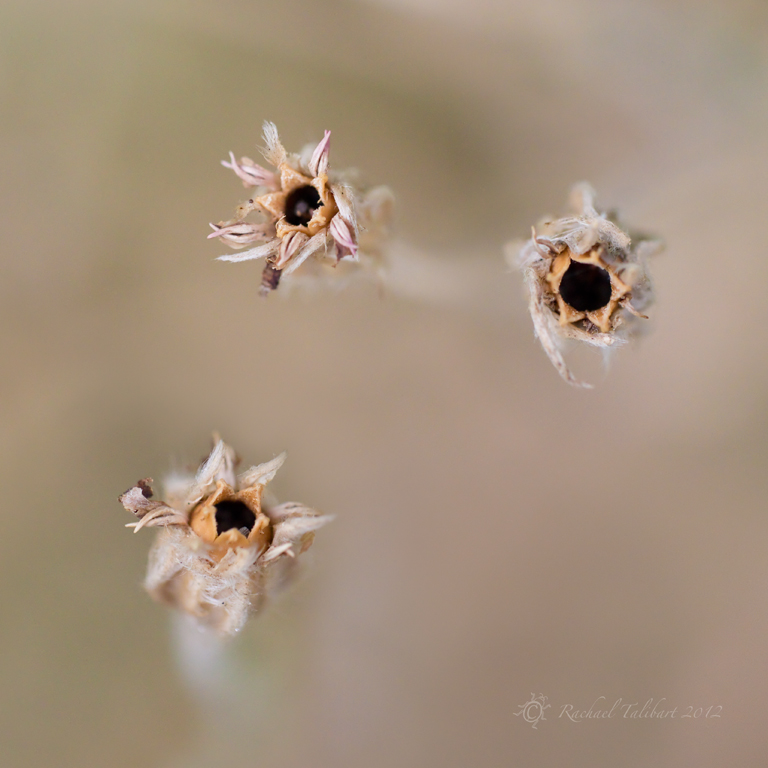 The lychnis coronaria have gone to seed. I took a quick photograph before shaking the seeds liberally over the border. They are very reliable self-seeders in my garden, even colonising the lawn given half a chance.
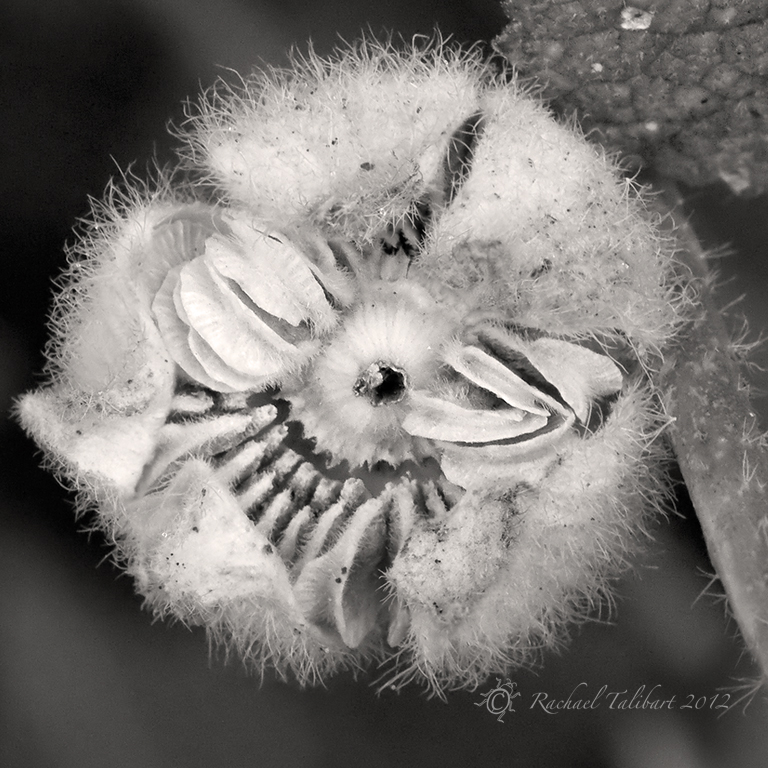 The hollyhock seed heads are opening. I do love the way the seeds are wedged in – they remind me of oysters.










 Focused Moments