
A panorama of beautiful Victoria on Canada’s Vancouver Island.
Victoria by night
2

A panorama of beautiful Victoria on Canada’s Vancouver Island.

Evening light gilds a spider and its web.
The spider’s touch, how exquisitely fine!
Feels at each thread, and lives along the line.
Alexander Pope, An Essay on Man, I (1733), l.217
All that glisters is not gold,
Often have you heard that told.
William Shakespeare, The Merchant of Venice, II.vii

Our summer holiday this year will be spent at Lyme Regis, a lovely little town on the coast of Dorset. It is steeped in history and features in Jane Austen’s Persuasion:
the principal street almost hurrying into the water, the Walk to the Cobb, skirting round the pleasant little bay, which, in the season, is animated with bathing machines and company…are what the stranger’s eye will seek
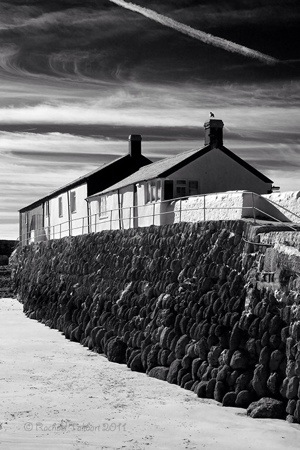
The Cobb is Lyme Regis’s famous harbour wall. In Persuasion, one of the characters takes a tumble off the Cobb. In a later novel, The French Lieutenant’s Woman, John Fowles immortalised “quite simply the most beautiful sea rampart on the south coast of England”.

Lyme Regis is on The Jurassic Coast, a World Heritage Site for its wealth of fossils from the Jurassic period. It was here that Mary Anning (1799-1847) discovered, at the tender age of twelve, the first complete ichthyosaur. She went on to become a renowned palaeontologist when the science was in its infancy. Lyme Regis Museum, a fascinating place to visit in its own right, is built on the site of Mary’s home.


This curious little critter is a rhododendron leafhopper (graphocephala fennahi) nymph. I snapped several shots of it in my garden today. It has excellent eyesight and flipped to the underside of its leaf every time I approached. I liked the softness of this shallow depth of field capture.

This is what it will look like later in the summer, when it is full-grown. The adults can fly short distances and make tricky subjects for the camera as they are very flighty and see me coming far too quickly. Although they do little damage to the rhododendron host themselves, outbreaks of a type of rhododendron mould have been connected with infestations of these pretty little critters. But I have to say, they have happily co-existed with my rhododendrons for the ten years we have been here and I consider them a colourful and welcome addition to my garden.
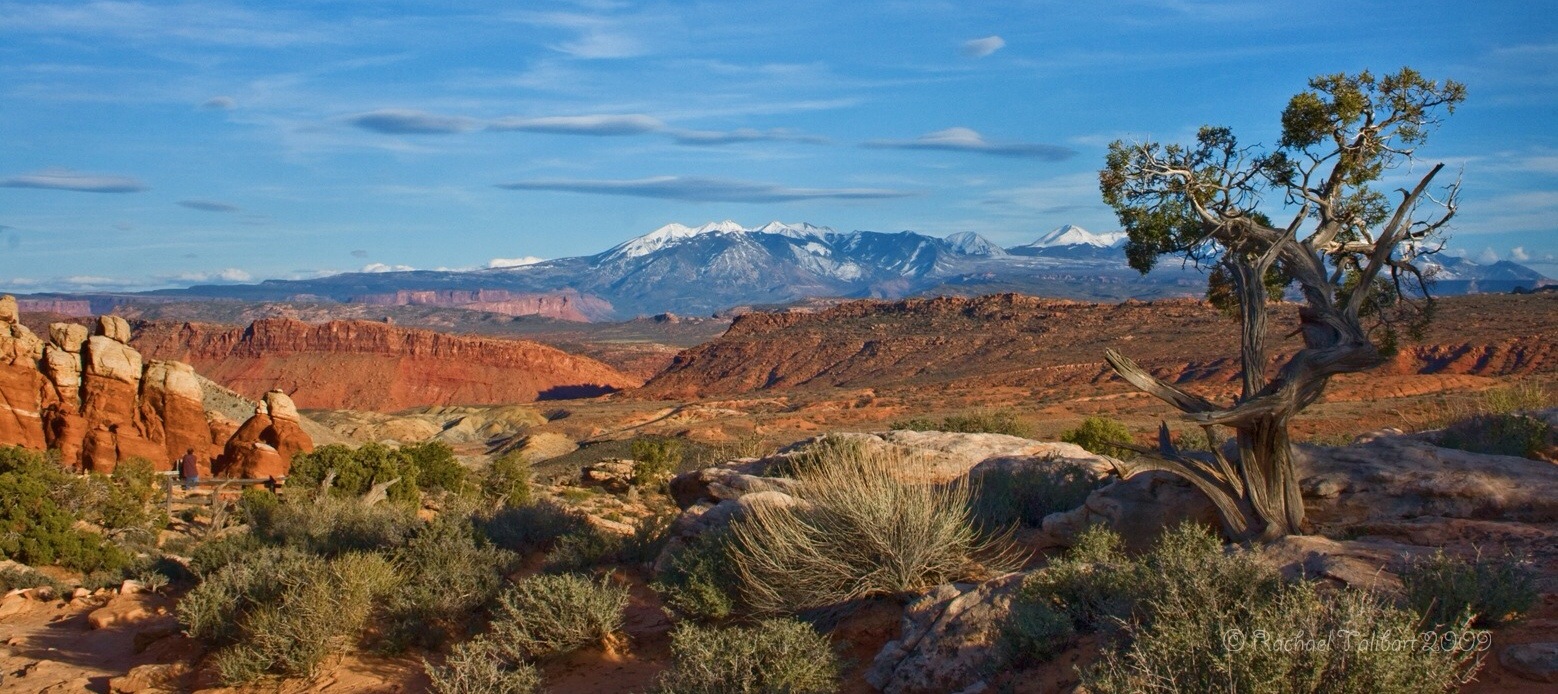
A panoramic view of Arches National Park and the La Sal mountains in Utah to mark my 100th post. Utah is one of the most amazing states I have visited in America, so far. The landscape is vast, magnificent, empty. So different from anything we have here. I hope to return before long.

Ants are some of the trickiest subjects for my trusty lens. Apart from being very small, they are rarely still. They do however strike some appealing poses, however fleetingly.
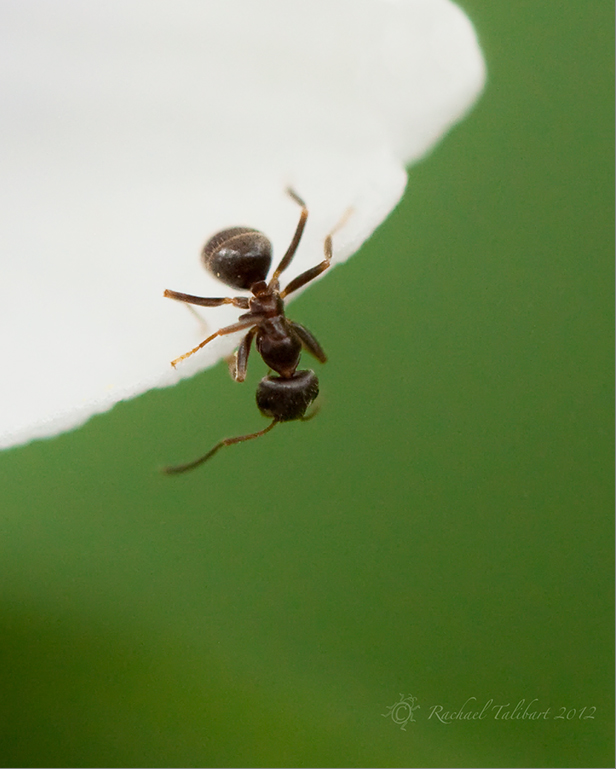
What’s down there?
In an earlier post, I mentioned my discovery that the study of ants is called myrmecology and that, according to Greek myth, Achilles’s Myrmidon warriors were said to have been created by Zeus out of an ants’ nest. The Myrmidons were known for their ferocity and loyalty. In this passage from Thoreau, a war between rival ants is described in appropriately epic terms:
One day when I went out to my wood-pile, or rather my pile of stumps, I observed two large ants, the one red, the other much larger, nearly half an inch long, and black, fiercely contending with one another. Having once got hold they never let go, but struggled and wrestled and rolled on the chips incessantly. Looking farther, I was surprised to find that the chips were covered with such combatants, that it was not a duellum, but a bellum, a war between two races of ants, the red always pitted against the black, and frequently two red ones to one black. The legions of these Myrmidons covered all the hills and vales in my wood-yard, and the ground was already strewn with the dead and dying, both red and black. It was the only battle which I have ever witnessed, the only battle-field I ever trod while the battle was raging…. On every side they were engaged in deadly combat, yet without any noise that I could hear, and human soldiers never fought so resolutely.
Henry David Thoreau
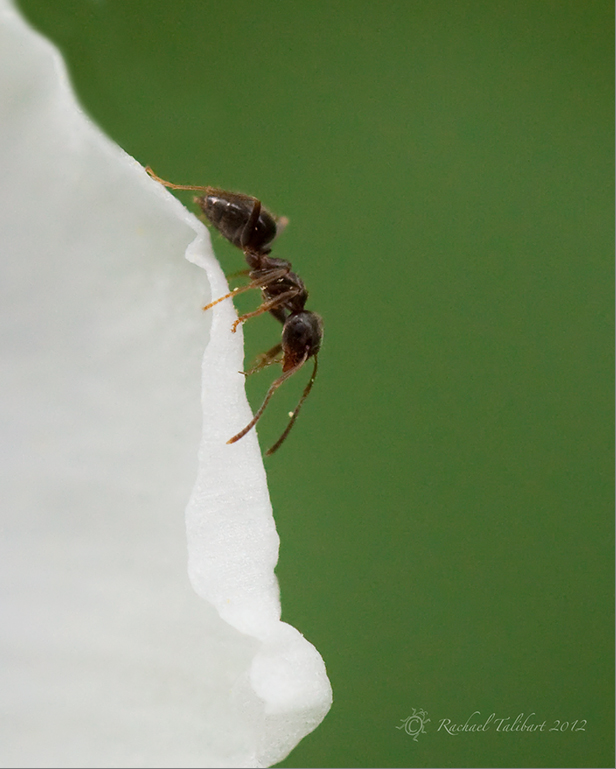
This is steep!
Perhaps it is not surprising that humans have tended to anthropomorphise ants, and also to view their apparent relentlessness, and hive mind, with some apprehension. Does anyone remember the 1954 sci-fi classic movie, Them! in which nuclear testing causes ants to mutate into giants? 1954 was a bad year for ant-PR: in The Naked Jungle, Charlton Heston has to defend a cocoa plantation against a 2-mile-wide, 20-mile-long column of army ants. Perhaps you may have seen Phase IV, the, now cult, 1974 movie in which ants evolve into the dominant life form on Earth? Other sci-fi villains, like Star Trek’s Borg, appear modelled, at least partly, on ants.
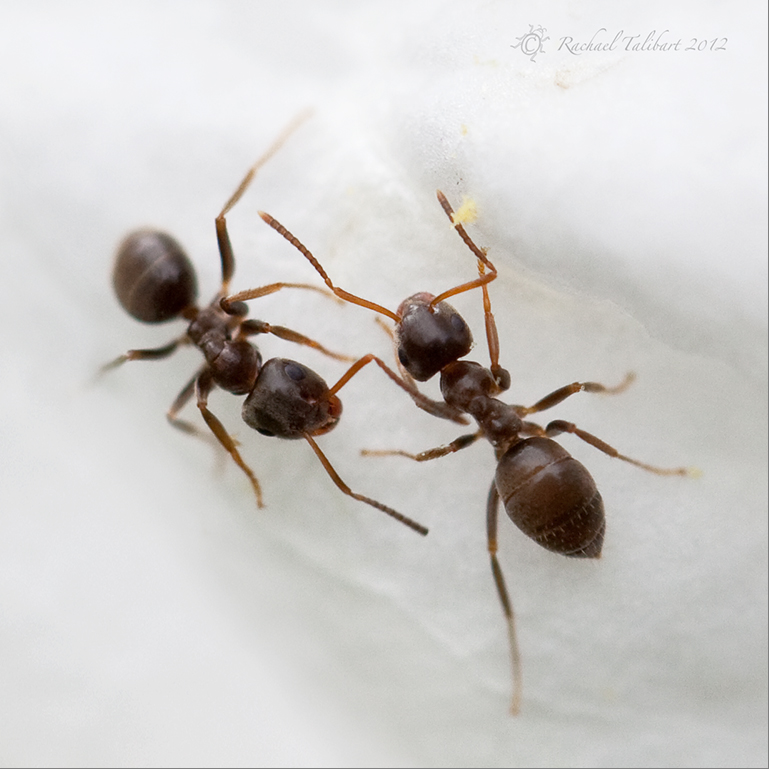
Ying yang ants
The more I photograph ants, the more fascinating I find them. But I am glad they are small.
The shadows now so long do grow,
The brambles like tall cedars show,
Molehills seem mountains, and the ant
Appears a monstrous elephant.
Charles Cotton, ‘Evening Quatrains’ (1689)

I have had this agapanthus (African Lily) plant in the same pot for about fifteen years. I never feed it. I rarely water it. And every year it puts on a show, content with the neglect, giving me more flowers every time.
I like the way the flowers emerge, stretching out after being crammed in their papery buds.

And then there they are, more buds! As if they are teasing, withholding their beauty for one more moment.

Finally, one flower opens, china blue, like the sky on a sunny day (I dimly remember those!)

And, when the flowers are done, fat black seeds hang encased in silvery pods, happy to self seed without my having to lift a finger.
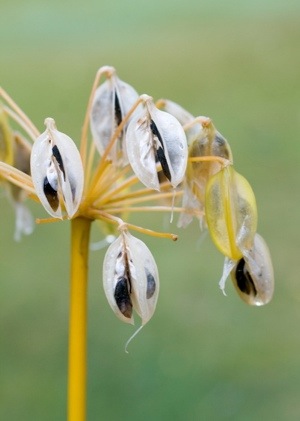
But, I wonder if you can guess the biggest reason for liking my faithful pot of African Lilies:
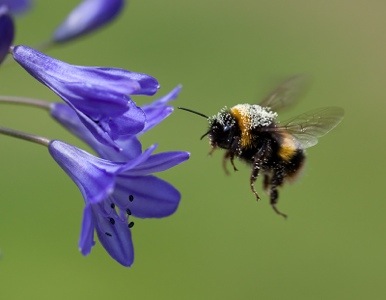


A popular monthly photography magazine recently ran a brief article with the header: ‘What does ‘bokeh’ actually mean?’ The magazine’s answer was: ‘Bokeh is the effect that’s created by blurred lights in out-of-focus areas’. This is not strictly correct, although a common misconception. So I thought I might spend today’s post on the subject of boke(h).
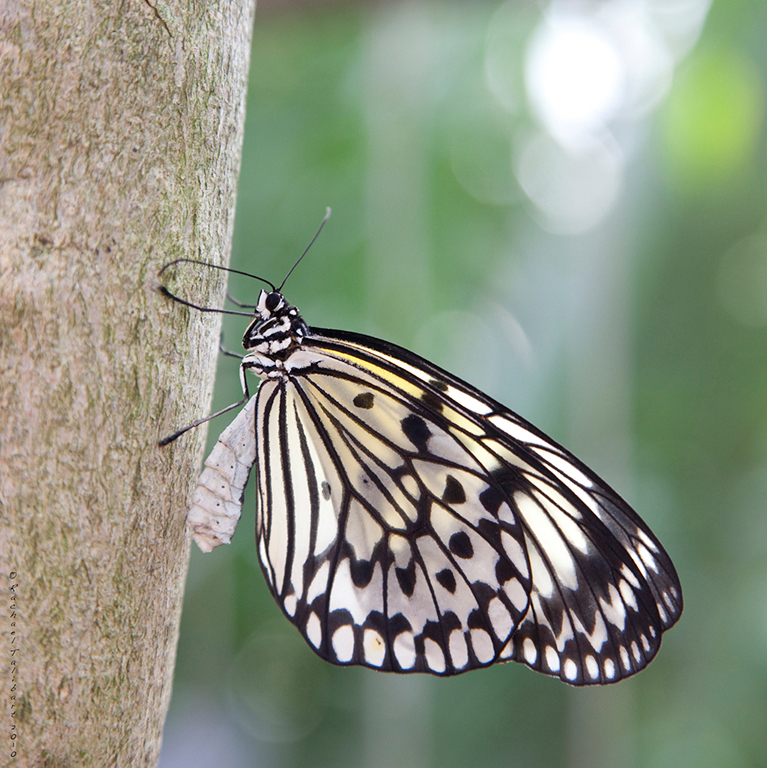
The reason for the bracket is that the word, in the original Japanese, has no ‘h’: the ‘h’ is there so that non-Japanese speakers do not pronounce it like broke but without the ‘r’. Here’s how OxfordDictionaries.com defines bokeh: ‘the visual quality of the out-of-focus areas of a photographic image, especially as rendered by a particular lens’. So, bokeh is not just discs of light like those in the images above. It is also the smooth background in the picture below.

If you are trying to create bokeh, your results are going to depend on a number of things including your lens. On the whole, good quality prime lenses produce smoother, better quality bokeh. In the picture below, the nine-sided (really, I counted them!) highlights behind the kittiwake are the result of the lens picking up the sparkles in the sea beyond the cliff.
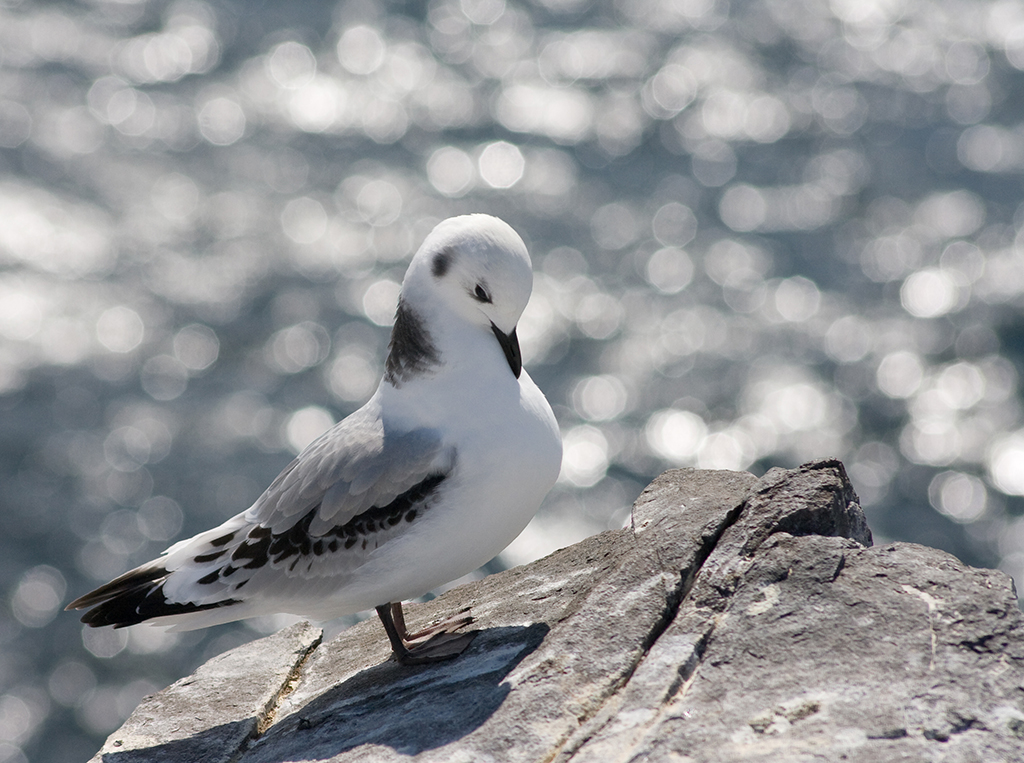
At first sight the bokeh lights make a pretty background. But let’s take a closer look at those nonagons.
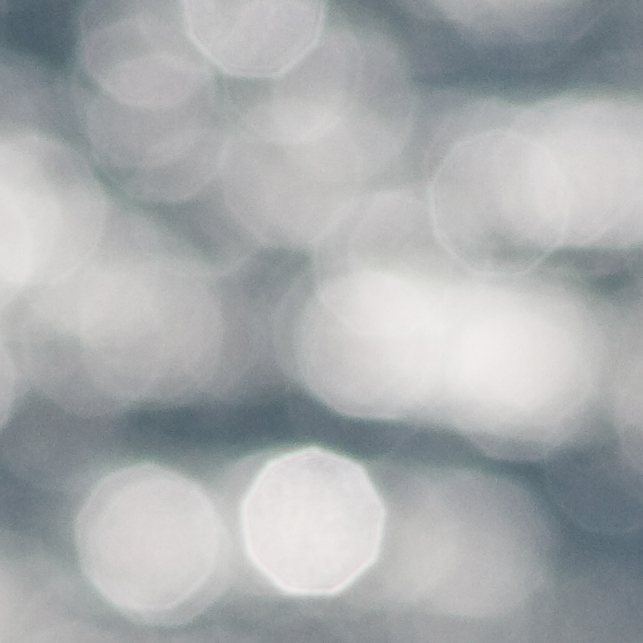
Not so nice! That would not make a very pretty print. My 70-300mm zoom lens does not make great bokeh.
On the other hand, my 100mm macro lens, a beautiful little prime, does rather nice, creamy bokeh.

Ah, that’s better.
Also, your choice of aperture will affect bokeh lights. In the shots below, the one on the left is at f2.8 and the one on the right at f5.6.

Equally, the distance from your focal point will change the bokeh. Below, the aperture is f2.8 in both shots but look at the difference in the bokeh lights when I move closer to the flower in the second shot.

If you want the science, there is a website that explains it all. Good luck. In the meantime, here are some random thoughts about bokeh. Bokeh is good if you want a nice uncluttered background that does not distract from your subject. Let’s compare two shots of damselflies mating.
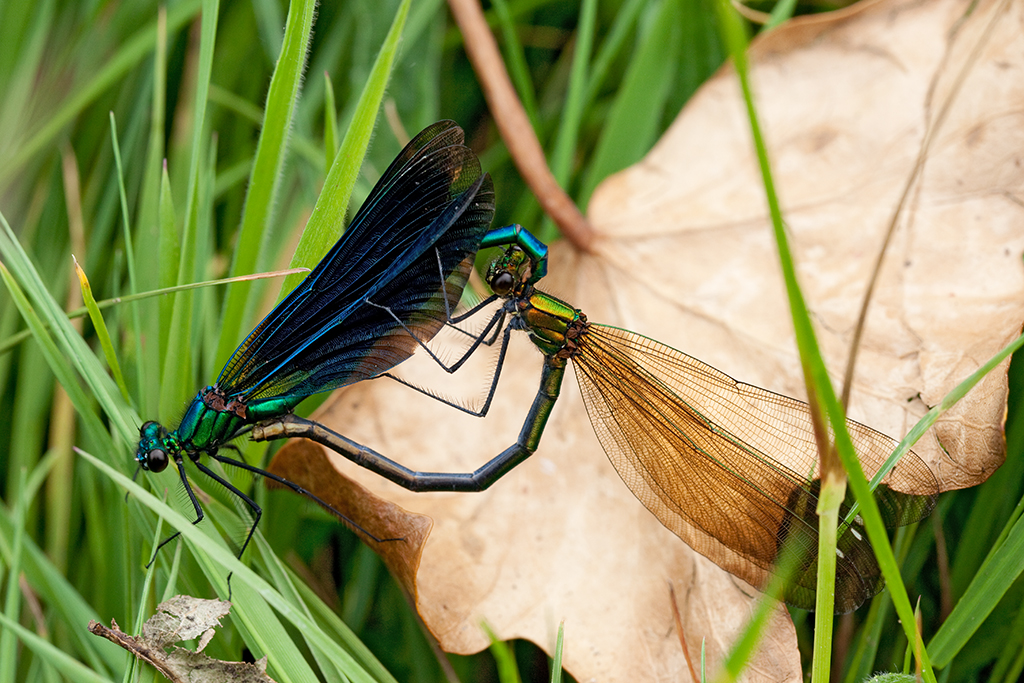
Wow. I got them in full mating pose here, making a ring. But that background is fussy. It detracts.
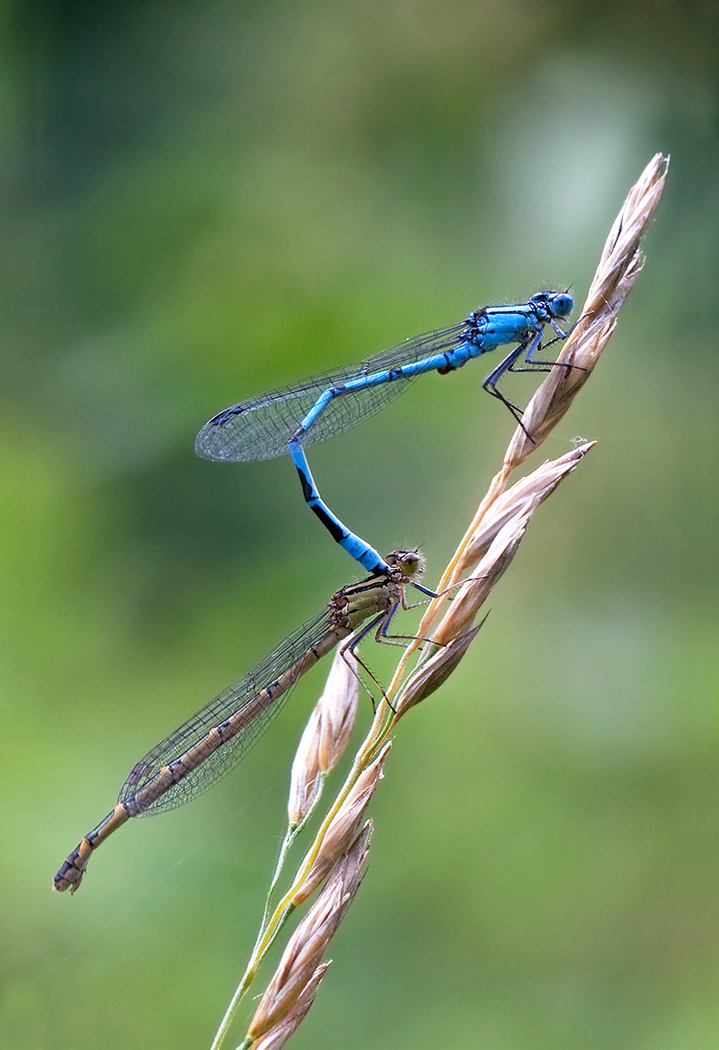
Here, the amorous couple is only in half-hold position, but the background is less distracting. It is a better image because I am communicating to the viewer rather than simply making a record. (Mind you, the camera club judge still complained about the light bit of bokeh top right – you can’t please everyone all of the time!) Of course, you have to balance using an aperture wide enough to throw the background out of focus but not so wide that only part of the subject is sharp. But then no-one said it was going to be easy and that’s all part of the fun.
As for those ubiquitous bokeh lights, I prefer them when they are not distracting, or if they are made to be part of the image, as in the first shot in this post and the not-hugely-brilliant-but-suitably-illustrative shot below.
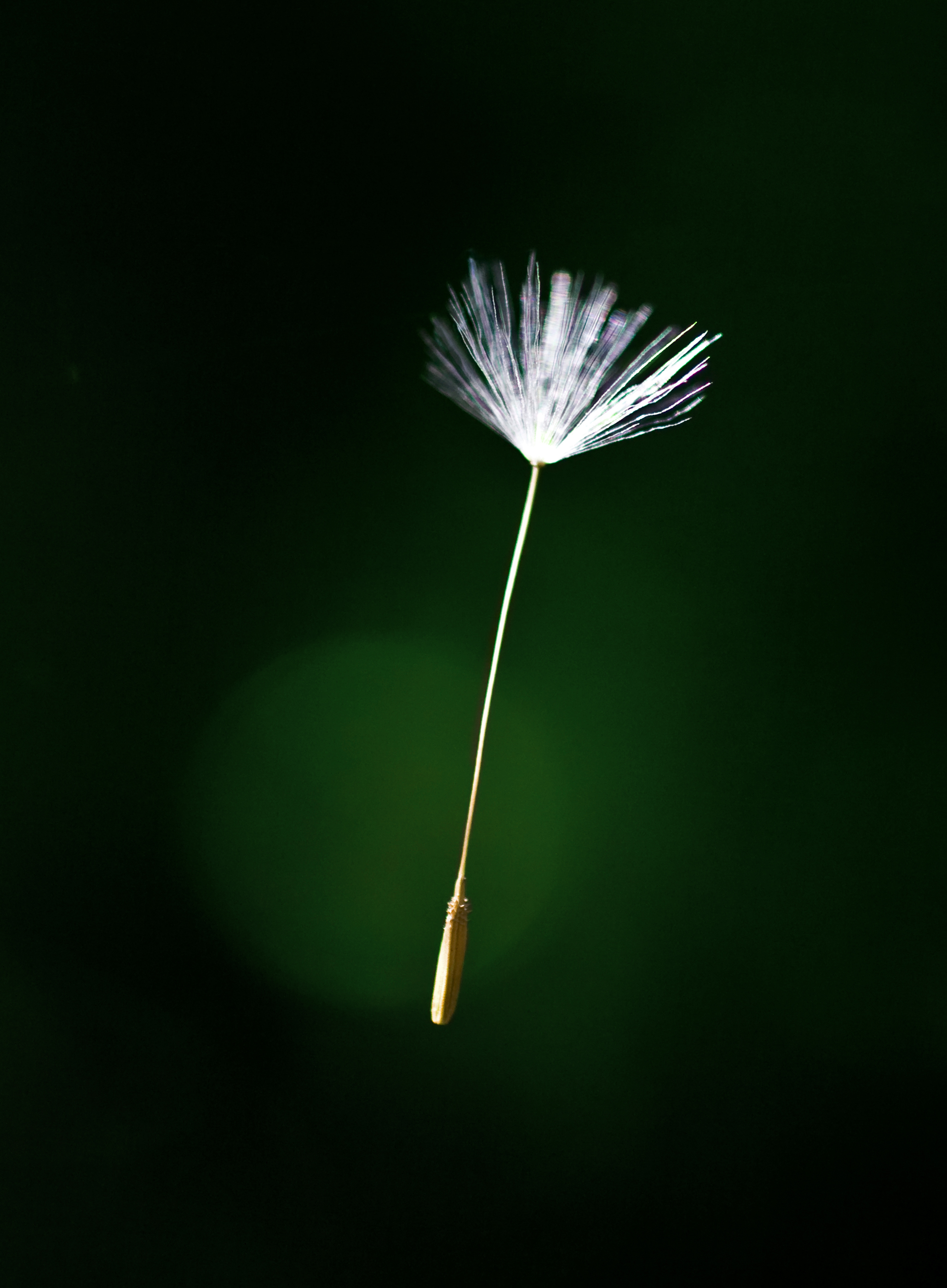
One final thought. Bokeh is not limited to backgrounds. The shot below exploits the impact of out-of-focus areas in front of the focal point.

It can be effective deliberately to focus past objects to add a soft, dreamy look,

or the feeling of having just happened upon the subject, by peeping through the undergrowth.
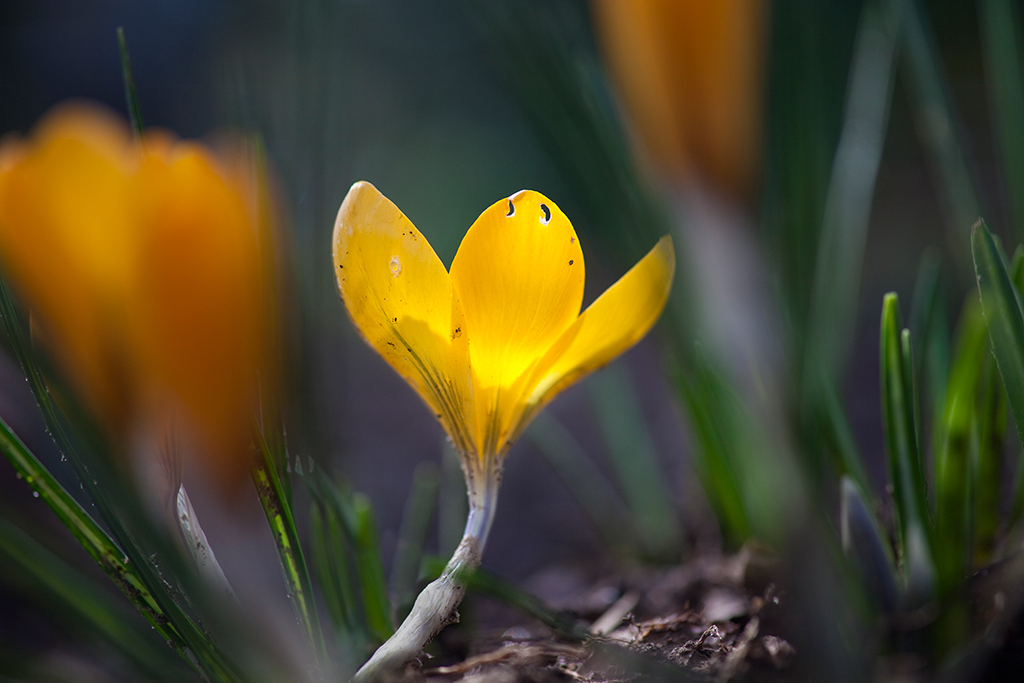
That’s enough bokeh from me. Do you have a favourite bokeh shot or tip? Perhaps you find the term slightly irritating, or is that just me? Feel free to share in the comments.
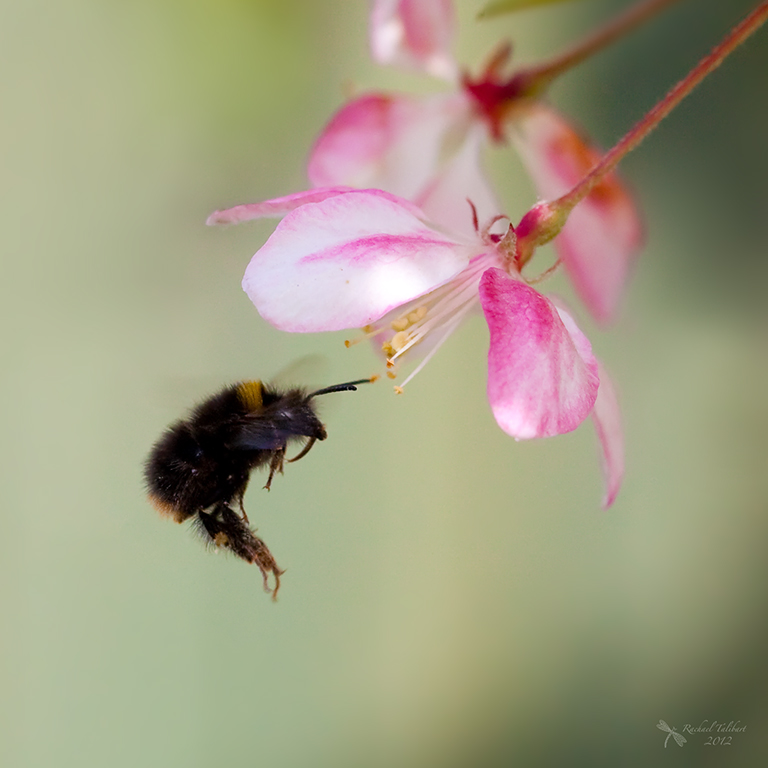
One of my faults as a photographer is my workflow management. I snap away, loving the moment, upload a host of shots, pick the best one of the day and leave the rest to languish, neglected on my hard drive. But sometimes I happen across a rejected shot and find I like it. Perhaps such happy accidents make the chaos worthwhile. Anyway, this afternoon I happened across this forgotten shot from the Spring, and I was glad.
Do you live, like me, in a state of photographic disorder, or are your files neatly honed, indexed, and double backed up?

“Water, thou hast no taste, no color, no odor; canst not be defined, art relished while ever mysterious. Not necessary to life, but rather life itself, thou fillest us with a gratification that exceeds the delight of the senses.”
Antoine de Saint-Exupéry, Wind, Sand, and Stars (1939)“If there is magic on this planet, it is contained in water.”
Loran Eisley, The Immense Journey (1957)“All the water that will ever be is, right now.”
National Geographic, October 1993“I believe that water is the only drink for a wise man.”
Henry David Thoreau“I never drink water. I’m afraid it will become habit-forming.”
W.C. Fields
 Focused Moments