Kite surfers do it in style

St.Ouen's bay jersey
While I was on Jersey last month I had a chance to watch kite surfers doing their thing. What an amazing sport.
La Rocco tower, Jersey
I wonder what the eighteenth century builders of La Rocco tower would think if they could see this scene.
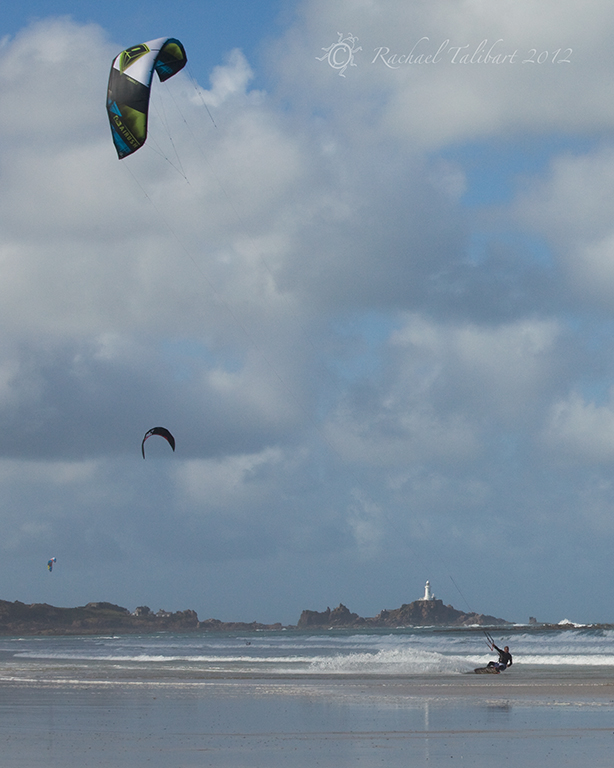
St.Ouen's Beach, Jersey
I got chatting to one of the surfers and he told me it’s really quite easy. Not sure I believed him. The lighthouse in the background is La Corbiere, which featured in a couple of my earlier posts.
La Rocco tower
One of the tricky things I discovered about shooting kite surfers is that you have to choose between wide shots to get the kite as well as the surfer or close ups to capture the jumps and rolls the surfers do. The trouble with the latter is that without the kite the shot can look a little weird. Needless to say, however, I gave it a good try and some closer shots will feature in a later post.

Mystery plant revealed…

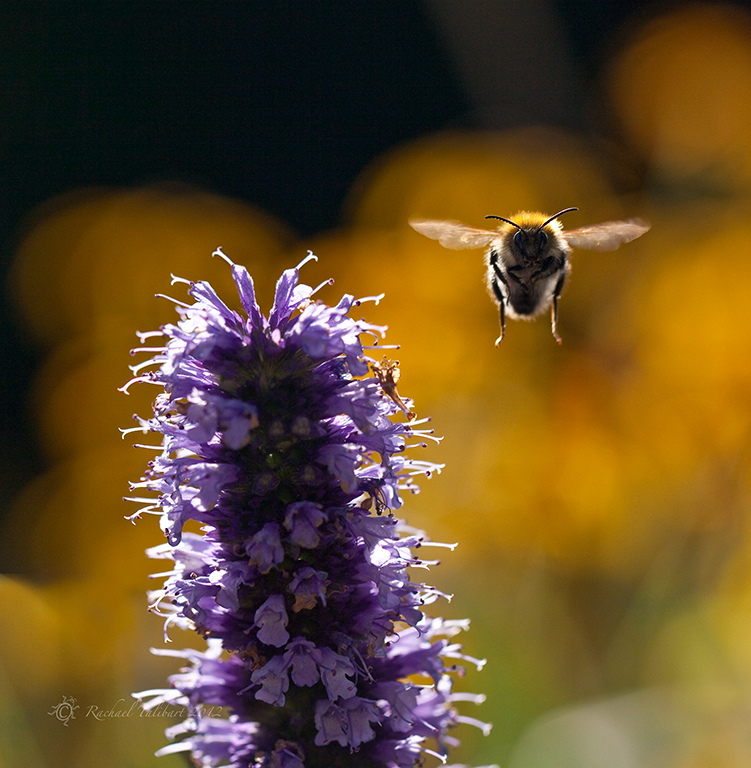
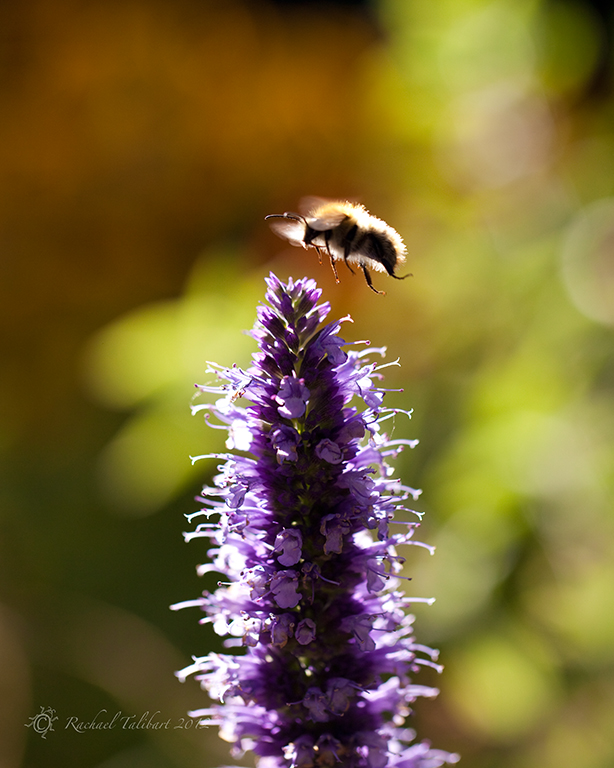
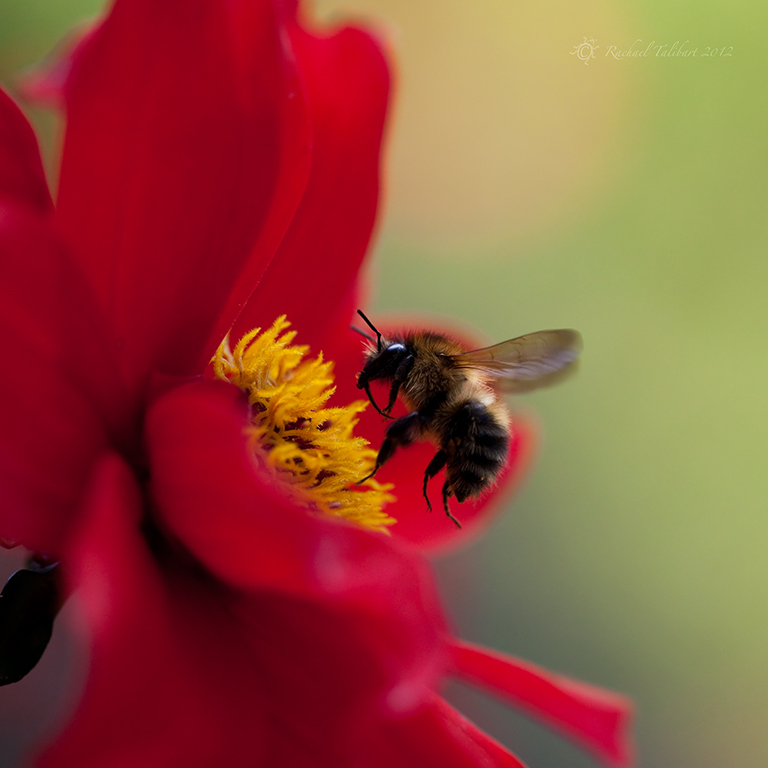
Carder bee hovering near spearmintA helpful friend on Facebook suggested the mystery plant from yesterday might be a member of the mint family so I went outside and did the leaf-rub test. Low and behold, and without a shadow of a doubt, it is spearmint. Thanks, Harry.
carder bee hovering over spearmint
I was pleased to find the following interesting, and apposite, minty mythology:

“Mint has been regarded as a symbol of Hospitality; ancient Romans strewed it around at feasts and banquets as a sign of welcome to guests.

The genus name Mentha comes from Greek Mythology. Legend has it that Menthe was a nymph who loved Pluto; when Pluto’s wife Persephone discovered this she turned the nymph into a mint plant.

It is also believed that the Ancients scoured their tables with this herb when preparing for the gods. Furthermore, the gods had fields of mint that bees used to make honey.

According to an ancient legend, Demeter drank a special drink called cecyon (kekyon) at Eleusis. This sacred drink of the Eleusine Mysteries was made by blending wheaten gruel with mint. Female initiates carried vessels of cecyon bound to their heads. The Greeks also believed that mint increased love-making. Moreover, mint, rosemary and myrtle were used in the final preparations of the dead in ancient Greece.”
www.modeflowers.com/flower-varieties/mentha-flowers

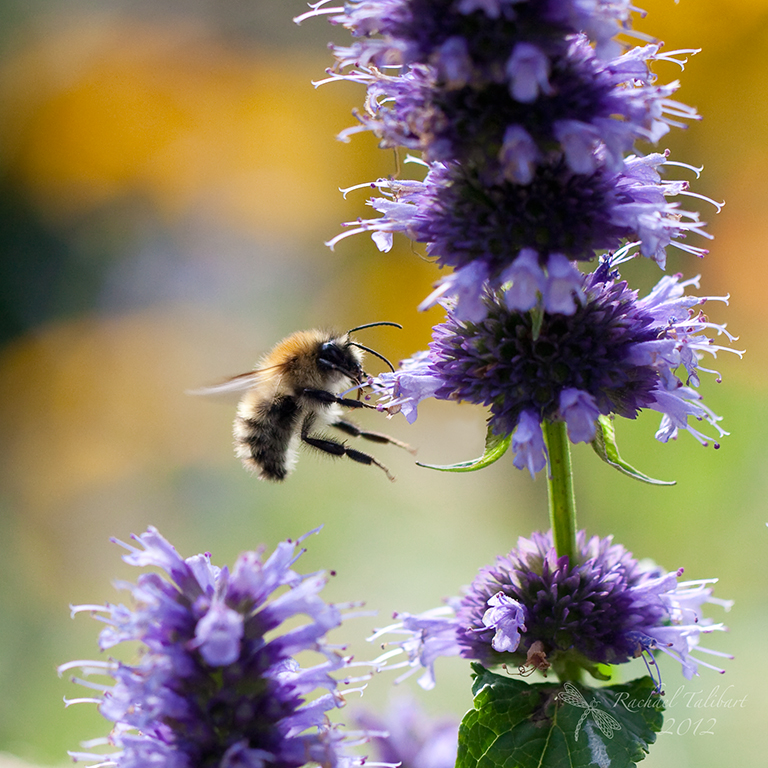
carder bee on spearmint flowers I like it that the gods grew fields of mint for bees. They knew a thing or two, because the bees really do love these flowers! (Although I haven’t noticed any honey bees on them yet.)
carder bee on spearmint flowers
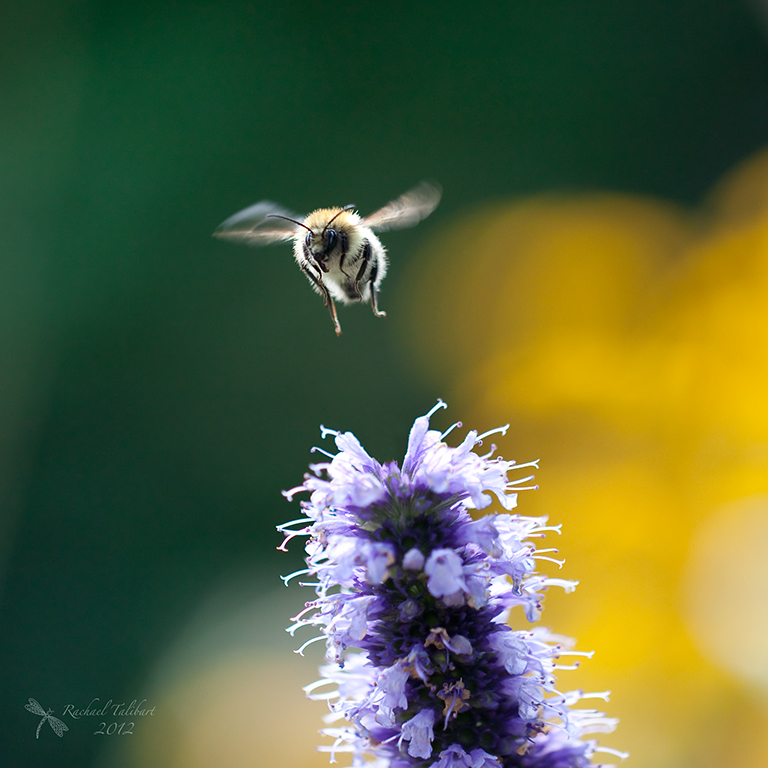
Carder bees are smallish bumble bees and they make their nests in old mammal burrows or tussocks of grass. They have a reputation for being feisty if their nest is threatened but while foraging in the garden they are as harmless as any other bumble bee. In fact, even more placid in my experience.
carder bee on spearmint flowers
For more information on carder bees see here.

Carder bee heaven

Garden colour and bee

It has been several days since a buggy post!  Most unlike me.  But never fear, the carder bees are here!  They have been very happy this weekend, enjoying the lovely warm weather among the late summer flowers in my garden.

bee on purple flowers

I have forgotten the name of this purple flower but no matter; it shall henceforth be known as carder bee heaven.

a carder bee in flight approaching purple flower

Making a bee line

It was rather special, sitting in the border surrounded by gorgeous late summer colour and hordes of very happy bees.

carder bee and purple flowers

Nearly there!

These small bumble bees are very cute.  Or is that just me?

a carder bee on purple flower

My favourite

This last shot isn’t quite as sharp as I would normally like but I just couldn’t help include it: geronimo!

a carder bee takes off from a purple flower

Heavy lifter

If you want to know my technique for shooting flying bugs, see my earlier post, In-flight entertainment where I reveal all my secrets!

Grosnez castle

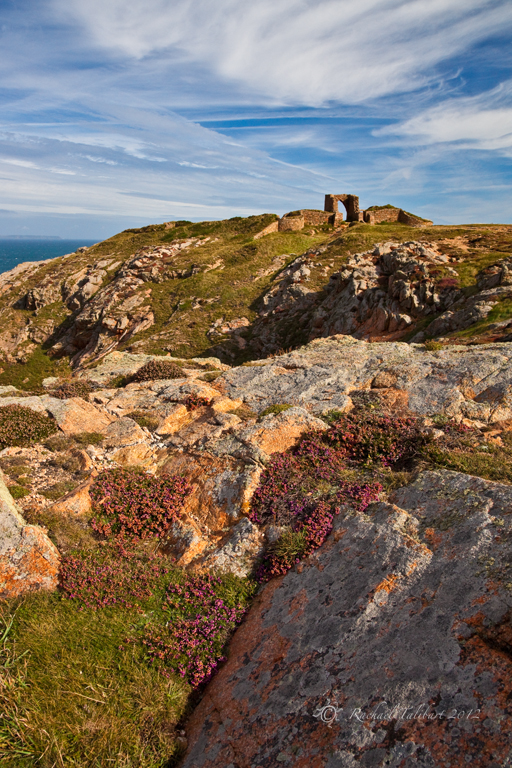
castle ruins, Jersey

Our visit to Jersey gave me an opportunity to add to my castle series.  Grosnez Castle was built in the 14th century.  Little remains of the castle but it makes a very atmospheric ruin, perched atop the headland at the Northwest corner of the island.

Ruined arch of Grosnez Castle

‘Grosnez’ comes from the old Norse, grar nes, meaning ‘grey headland’, rather than the French for ‘big nose’.  According to an interpretation board at the site, the castle was probably built in around 1330.  It was taken by the French in 1373 and 1381 and was likely demolished during or shortly after the French occupation of 1461-8.

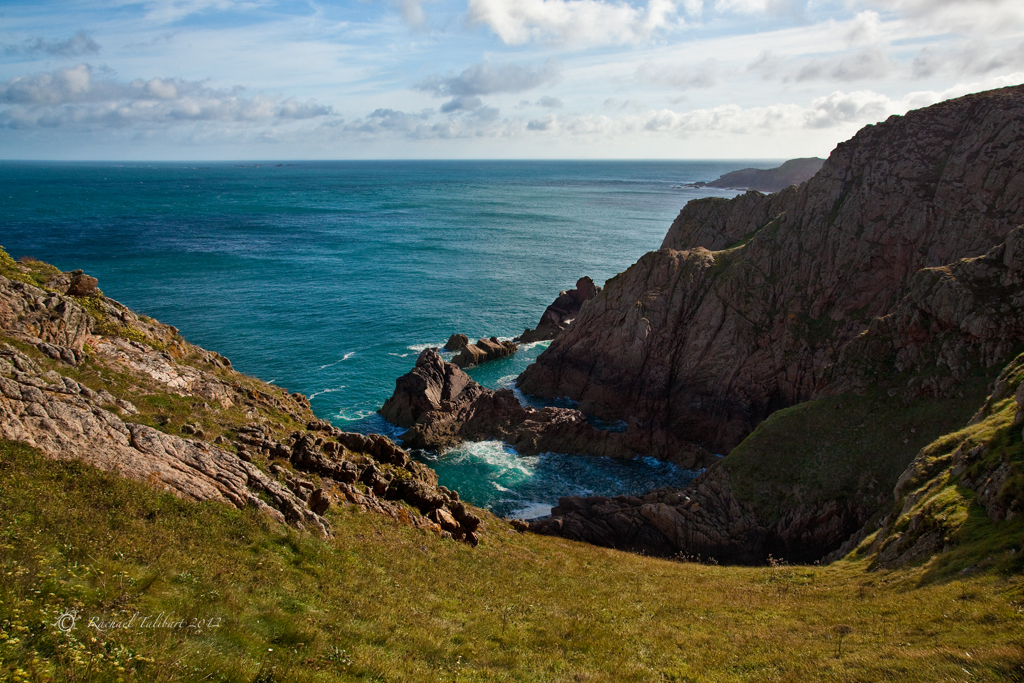
Jersey coastline

The castle certainly has a commanding view of the Jersey coast.  Just along the headland stands another martial construction taking advantage of those views, a German WW2 range-finder tower, part of Hitler’s ‘Atlantic Wall’.

Tower among heather on cliff, Jersey

It is a strangely forbidding construction, a stark contrast to the tapestry of heather and wildflowers at its base. The two structures together are a reminder of Jersey’s history of occupation, straddling some of her most beautiful landscape.

WW2 observation tower seen from Grosnez Castle, Jersey.


It was all yellow

20120822-174317.jpg
Look at the stars
Look how they shine for you
And everything you do
Yeah, they were all yellow

20120822-174422.jpg
I came along
I wrote a song for you
And all the things you do
And it was called ‘Yellow’

20120822-174552.jpg
So then I took my time
Oh what a thing to’ve done
And it was all yellow

20120822-174641.jpg
Your skin, oh yeah, your skin and bones
Turn into something beautiful
D’you know? You know I love you so
You know I love you so

20120822-174723.jpg
I swam across
I jumped across for you
Oh what a thing to do
‘Cause you were all yellow

20120822-174805.jpg
I drew a line
I drew a line for you
Oh what a thing to do
And it was all yellow

20120822-174838.jpg
Your skin, oh yeah, your skin and bones
Turn into something beautiful
D’you know? For you I bleed myself dry
For you I bleed myself dry

20120822-174935.jpg
It’s true
Look how they shine for you
Look how they shine…

20120822-175042.jpg
Look at the stars
Look how they shine for you
And all the things that you do.
(Coldplay, ‘Yellow’)

20120822-175203.jpg

Bamburgh Castle

20120821-185325.jpg
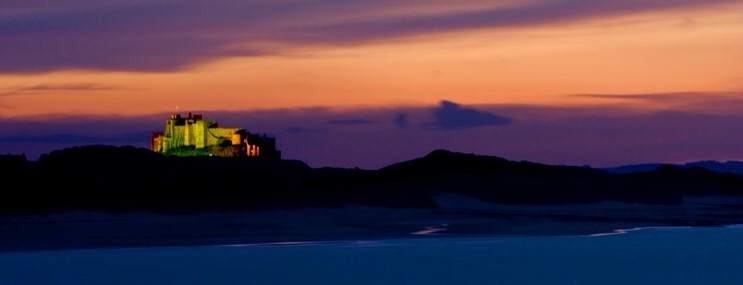
Several people have recently asked me about the header image for this blog. It is Bamburgh Castle in Northumberland. In August 2009, we spent a very enjoyable week in Northumberland, England’s most Northern county and its most sparsely populated. Even in the midst of the summer holiday season, it was easy to find peace and solitude.

20120821-181006.jpg
We stayed in Seahouses, just down the coast from Bamburgh, and with spectacular views of the iconic castle. Despite Northumberland’s reputation for terrible weather, we had a week of sunny days and, every night, spectacular sunsets.

20120821-185603.jpg
Bamburgh Castle stands on a basalt outcrop. The first written record of a fort on the site dates from 547CE but a fort had probably been there for at least a century. The Vikings destroyed the original fort in 993. At the heart of the present castle stands a Norman structure. Further building took place over the next several centuries but the castle finally fell into neglect in the 1700s.

20120821-183552.jpg
The Victorian industrialist William Armstrong completed restoration of the castle and it is still owned by the Armstrong family. It is open to the public and has also been used as a location for several movies, including most recently the 1998 film, Elizabeth.

20120821-184251.jpg
If you are ever in the area, Bamburgh Castle is well worth a visit, but beware: last admission is at 3.30 and the castle closes at 5 but the staff were so eager to get home that they started clearing us out at 4.30. An hour is most definitely not long enough to see the castle and admission is not especially cheap!

Angels with dirty faces

20120820-175600.jpg
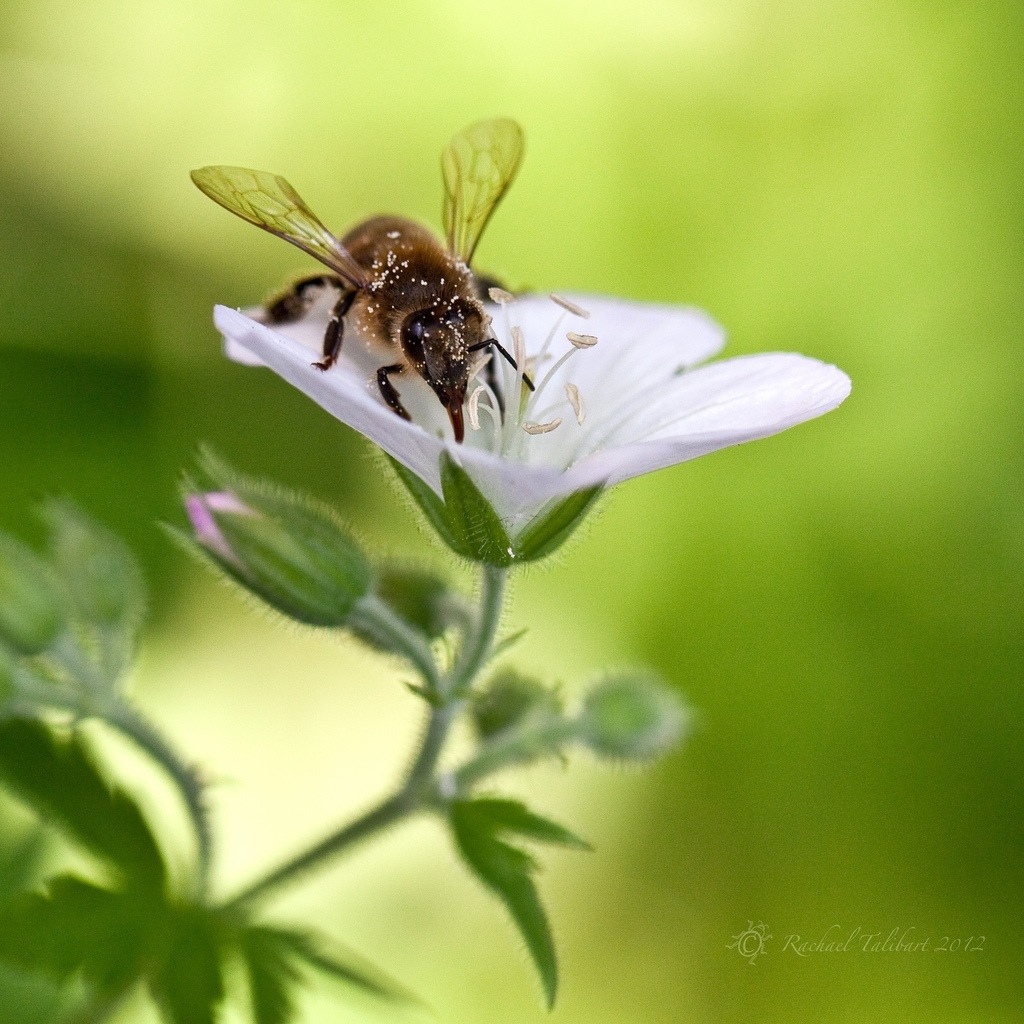
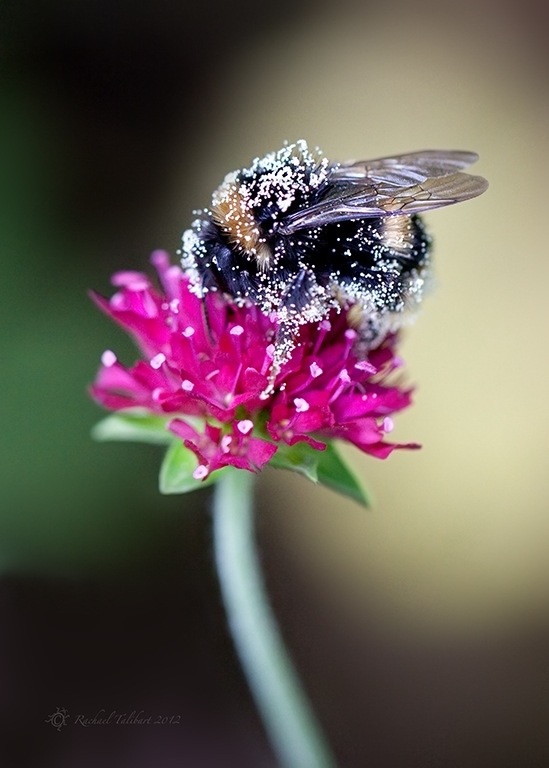
Bees are super pollinators. We all know that. But sometimes the evidence is as plain as the nose on your face or, to be a little more literal, the pollen on their face.

20120820-175749.jpg
Just a little on this busy honey bee, but what about the bumble bee in the next image?

20120820-175840.jpg
Sometimes I wonder how they can even see where they are going.

20120820-175943.jpg
I couldn’t resist using the title of the classic Cagney, Bogart, O’Brien movie for these images. Classic movie, classic critters.

20120820-180727.jpg

The infinite sphere

Blaise Pascal (1623-1662) wrote: “Nature is an infinite sphere of which the centre is everywhere and the circumference nowhere”. We encounter nature daily; we can hardly avoid it, even if it is only in the form of a humble fly who crawls through our open window or the scent of distant park flowers on the breeze.

flying bee
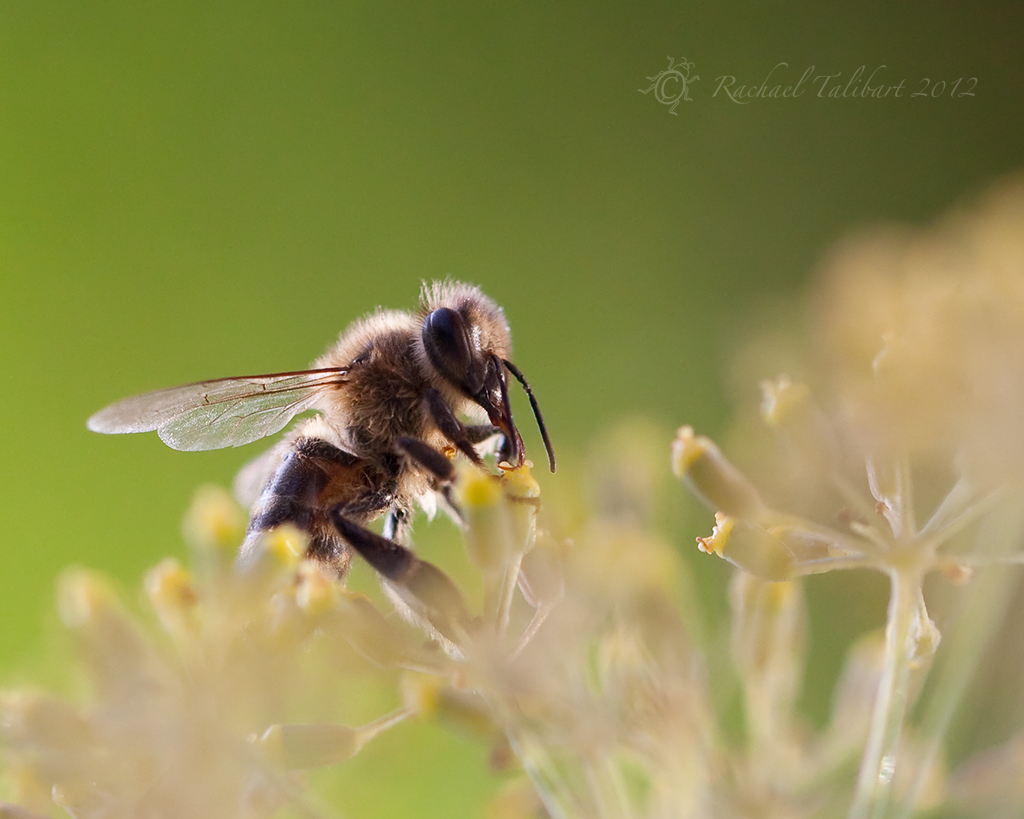
Taking time to notice nature enriches my day beyond measure. The more I look, the more I see. Have you ever taken the time to watch a honey bee? I mean for several minutes or more. Watch how the light glistens in its wings as it hovers before its chosen blossom, forelegs outstretched for a gentle landing.

bee flying towards fennel flowers

Notice how the evening light catches the soft hairs on its back, and its eager tongue, already prepared as if it cannot wait to savour the sweet nectar.

bumble bee approaching dahlia flower

Or how about the bustling bumble bee? It announces its approach with an bombastic buzz before blundering onto its pollen-heavy landing pad.

bumble bee and dahlia


A smaller bumble comes careening in; too busy to linger, it is gone almost before the shutter can click, a momentary sway of the flowerhead the only sign of its passing.

bumble bee and dahlia

It has become a cliche to speak of mindfulness, or living in the moment. I don’t know if our lives are busier now than they were a generation ago, or a century ago but, for me, a full life must still contain moments when all its demands are put to one side. Photography has opened my eyes to daily treasures. And the digital age has added the joy of sharing them.

Sometimes, however, it is also good to put the camera down and simply look, listen, smell, taste, touch. That’s all; I am going outside now.

“If we take care of the moments, the years will take care of themselves.” Maria Edgeworth (1767-1849)

Gasteruption jaculator

wasp

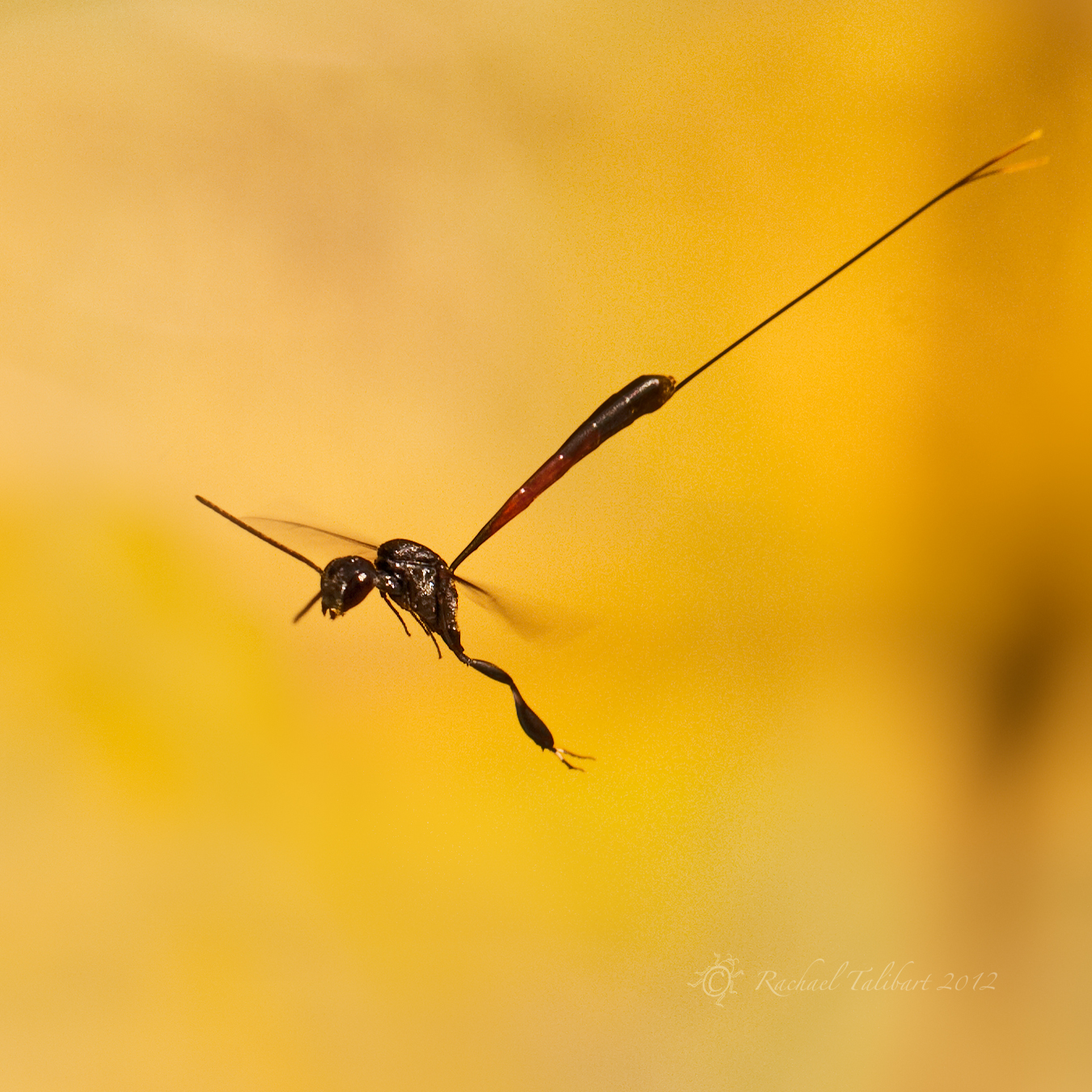
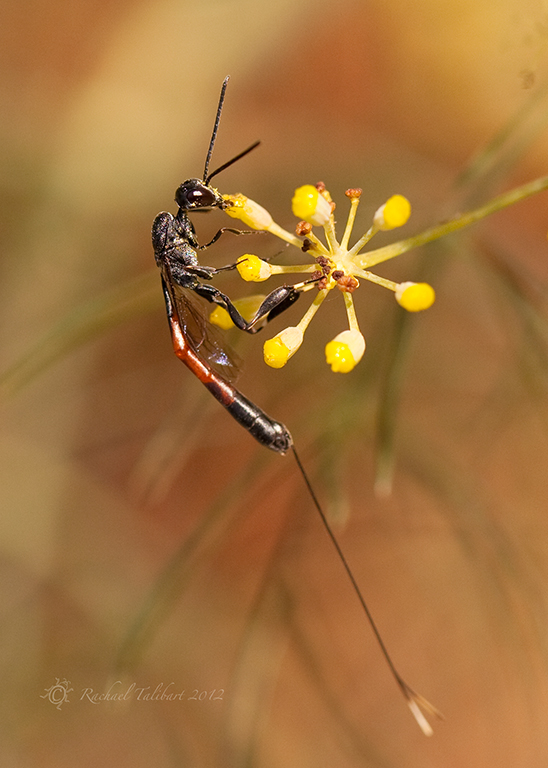
This bizarre creature is called Gasteruption Jaculator. I kid you not! I posted some shots of this strange wasp last month, wrongly identifying it at the time as a type of sand digger wasp. I am grateful to afrenchgarden for the correct i.d.

wasp in flight

They do look strange in flight. Well, I admit it, they look strange all the time! Strange, but harmless, to us. Not so, however, for solitary bees, on whom these wasps are parasitic. That long spike is an ovipositor, with which the female deposits eggs on the larvae of solitary bees. You can guess the rest.

parasitic wasp on fennel

For my earlier post on these weird critters, see here.