Flowers in the Rain

geraniums

Woke up one morning half asleep
With all my blankets in a heap
And yellow roses scattered all around
The time was still approaching
For I couldn’t stand it anymore
Some marigolds upon my eiderdown

I’m just sitting watching flowers in the rain
Feel the power of the rain making the garden grow
I’m just sitting watching flowers in the rain
Feel the power of the rain keeping me good

So I lay upon my side
With all the windows open wide
Couldn’t pressurize my head from speaking
Hoping not to make a sound
I pushed my bed into the ground
In time to catch the sight that I was seeking

I’m just sitting watching flowers in the rain
Feel the power of the rain making the garden grow
I’m just sitting watching flowers in the rain
Feel the power of the rain keeping me good

If this perfect pleasure has to be
Then this is paradise to me
If my pillow’s getting wet
I can’t see that it matters much to me
I heard the flowers in the trees
Make conversation with the trees
Relieved to leave reality behind me
With my commitments in a mess
My sleep is not a way of rest
In a world of fantasy you’ll find me

I’m just sitting watching flowers in the rain
Feel the power of the rain making the garden grow
I’m just sitting watching flowers in the rain
Feel the power of the rain keeping me good

Watching flowers in the rain
Flower in the rain
Power flowers in the rain
Flower power in the rain

Roy Wood Flowers In The Rain (1967)
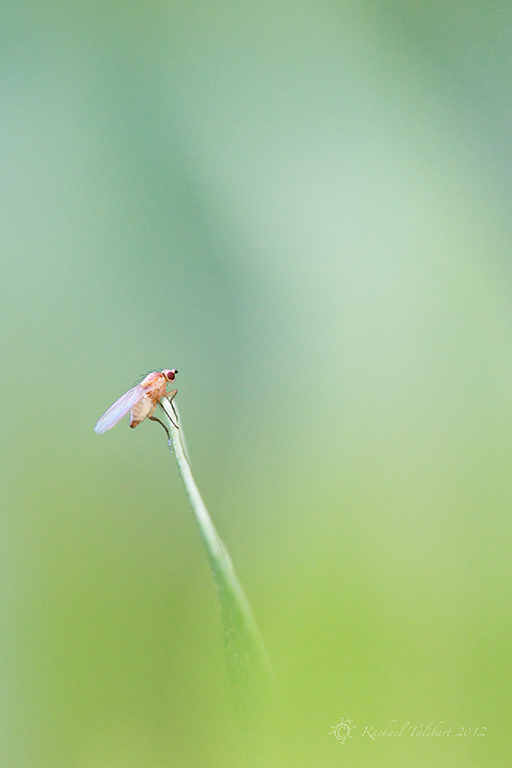
Pretty in yellow

bark louse

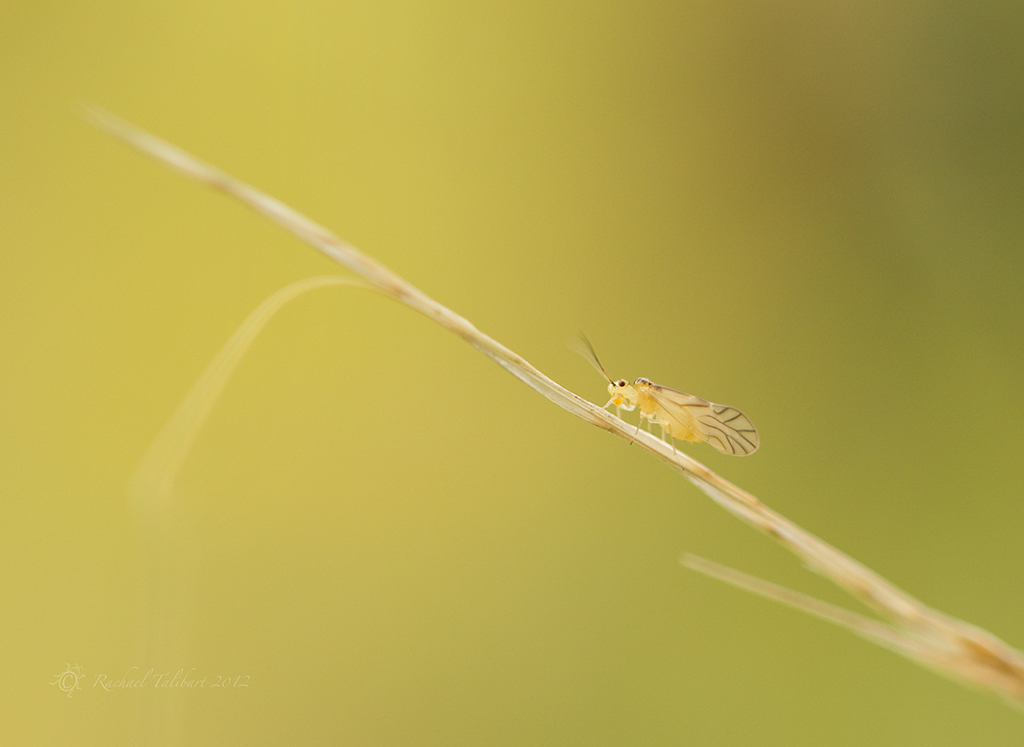
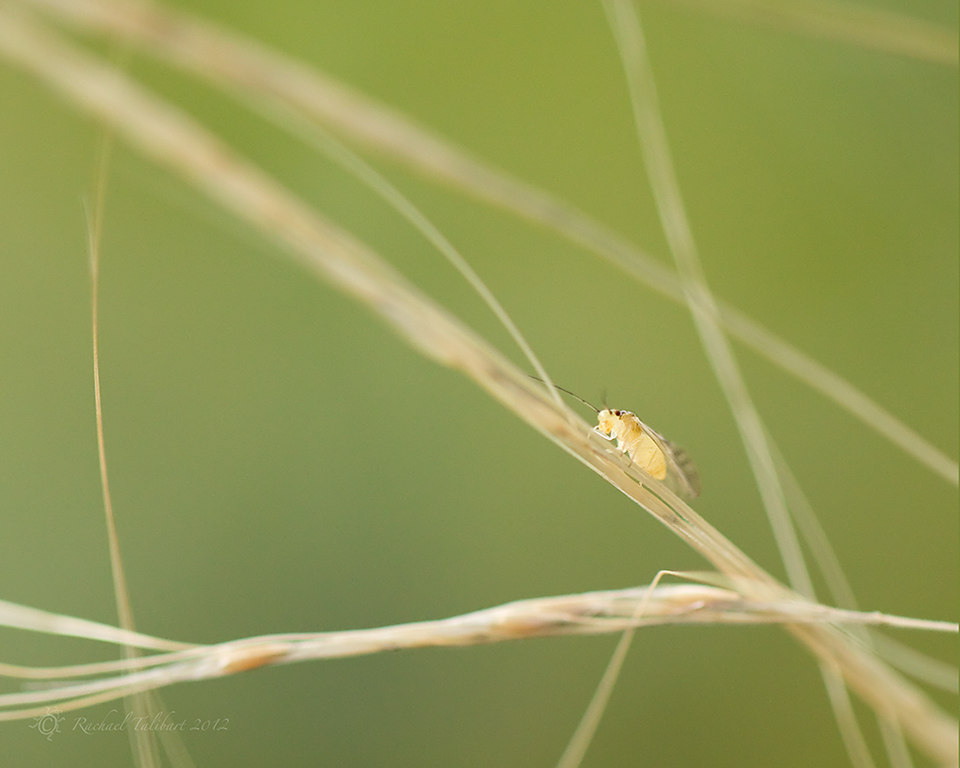
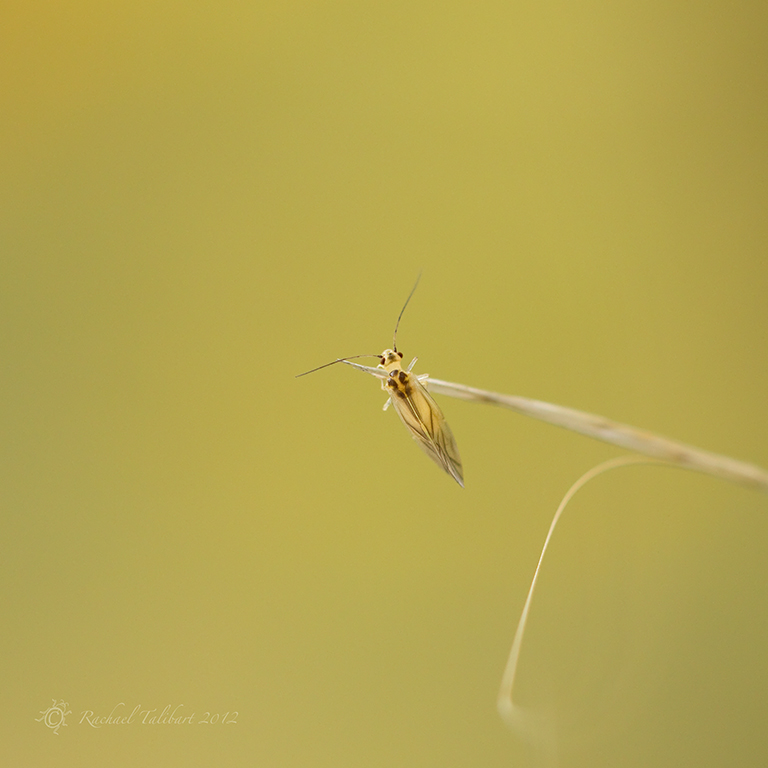
Well, beauty is in the eye of the beholder.  But to me this little yellow psocid, hanging out against a complimentary background, is a thing of beauty.

bark louse

Its common name is rather less attractive – it is a bark louse.

bark louse

Unlike its relatives who live as pests in the home, this critter eats organic matter in the garden and really isn’t interested in coming indoors.  It is very small indeed, about the size of a garden ant.

bark louse

Psocids in the garden are often mistaken for aphids, but they can be distinguished by their large jaws, resembling those of crickets, and long antennae.   If you can squint closely enough.  Really, these details can only be noticed with the aid of a macro lens, or a magnifying glass.

bark louse

I took far too many shots of this little critter.  I need just one for a panel I am working on.  Which do you like best?

Autumn’s winged messengers

crane fly on sumach
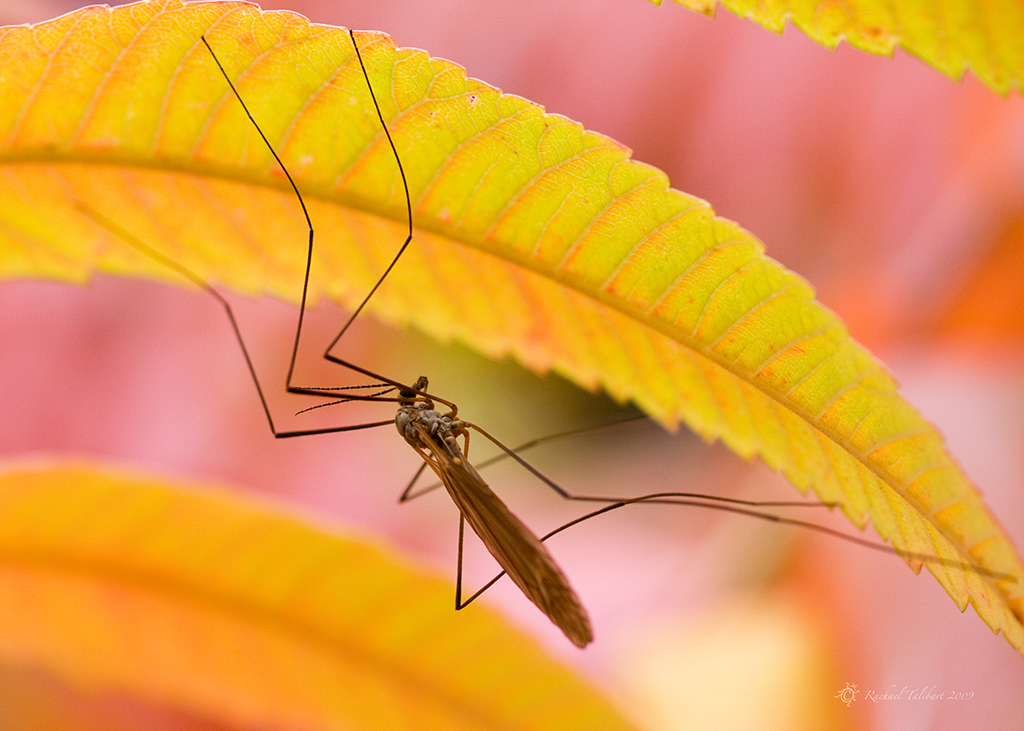
As Autumn sets in, leggy crane flies start to blunder into homes, mimicking moths in their attraction to light. They are not the most stylish of Nature’s creatures but this one manages to look almost elegant hanging under the pastel Autumn leaves of my sumach tree.
tipula paludosaThis is probably a female specimen of the UK’s most common variety, tipula paludosa. Not a thing of beauty, but an important part of the ecosystem. Its grubs, known as leatherjackets, feed on the roots of grass, which does not please those who love their lawns. However, they are a valuable source of food for many birds. I enjoy watching the green woodpeckers drilling for them. The crows quarter my lawn systematically, voracious terminators of leatherjackets. In the process, they incidentally save me the job of aerating the lawn and lifting the moss.
insect on sedum
insect on sedum
Needless to say, there are several varieties of crane fly in the UK. The best place I have found for identification is Nature Spot. I think this little crane fly resting on sedum flowers may be tipula confusa. And yes, I am confused.
insect
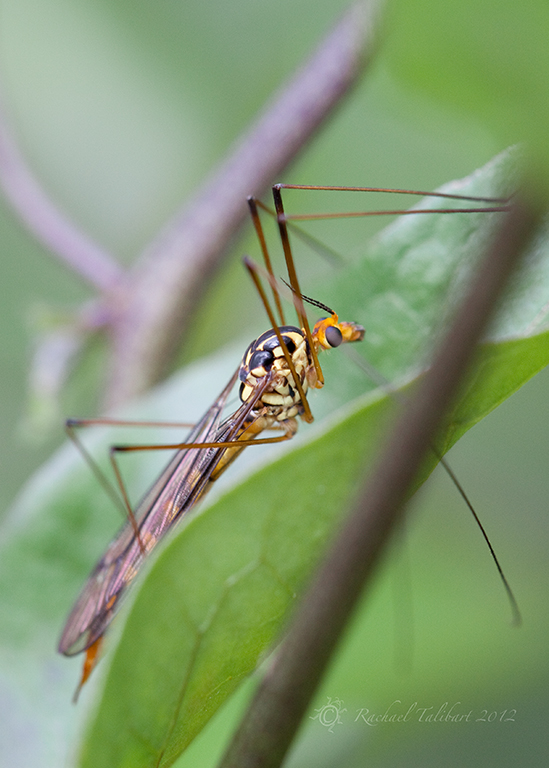
This one is a little more impressive. It could be nephrotoma appendiculata, the spotted crane fly. Or it could be nephrotoma flavescens.
insect on leaf
But I think it is, in fact, nephrotoma flavipalpis. This is the first time I have noticed one of these in my garden.
crane fly on leaf
Tomorrow’s Autumn post will be prettier, I promise.

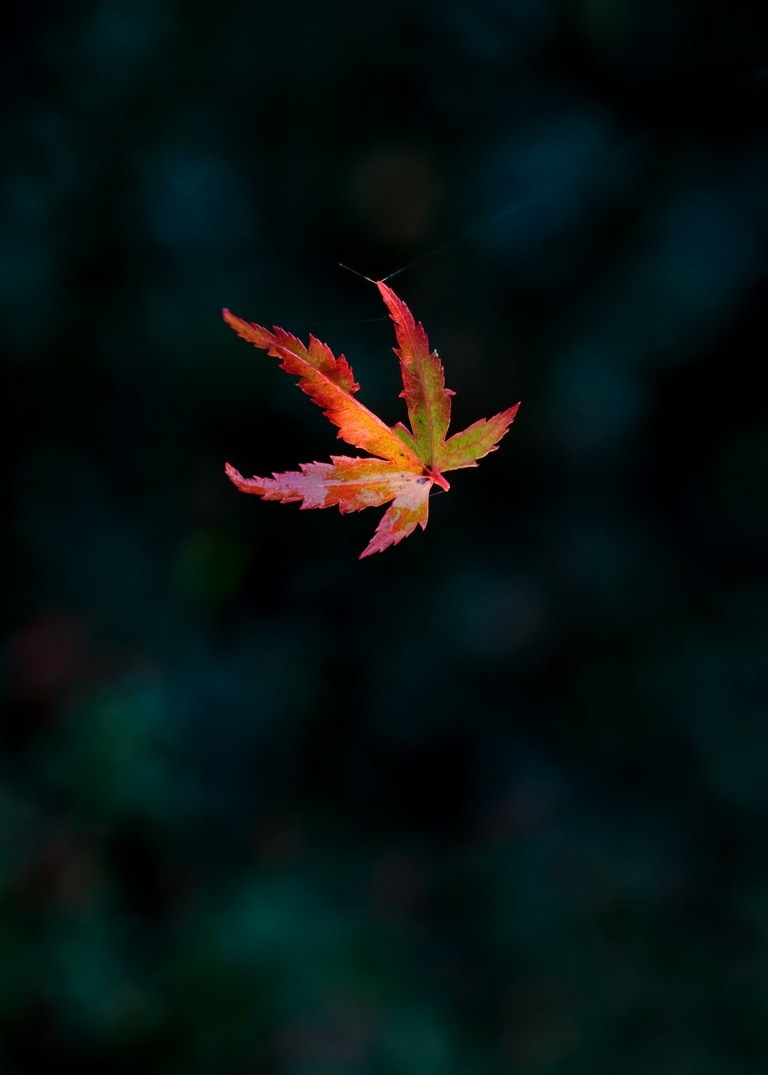
Autumn suspended

20121004-092418.jpg
I am typing this sitting at college with the sun blazing through azure skies that one would normally expect to see in Summer, on a less contrary island. On mornings like this it seems as if Autumn has been suspended. The leaves tell a different story, however.
The first of a series of Autumnal images.

More tiny secrets

fly macro

I thought I’d follow up yesterday’s post, The secret world of the smallest things, with more of the most miniscule critters in my garden. They are little more than moving dots to the naked eye but the macro lens and cropping reveals another world.

wasp macro

Possibly a very small sort of wasp.

I am not going to be able to identify some of these tiny creatures.  I know when I am out of my depth!  I am content just to enjoy them, and their colourful landscape.

insect on leaf

Definitely a midge.

Some are not so welcome, or pretty.  Don’t bite me!  But isn’t the sumach leaf lovely?

insect macro

Uphill is hard work!

I promise no insects tomorrow.


The secret world of the smallest things

fly on santolina

Misty morning

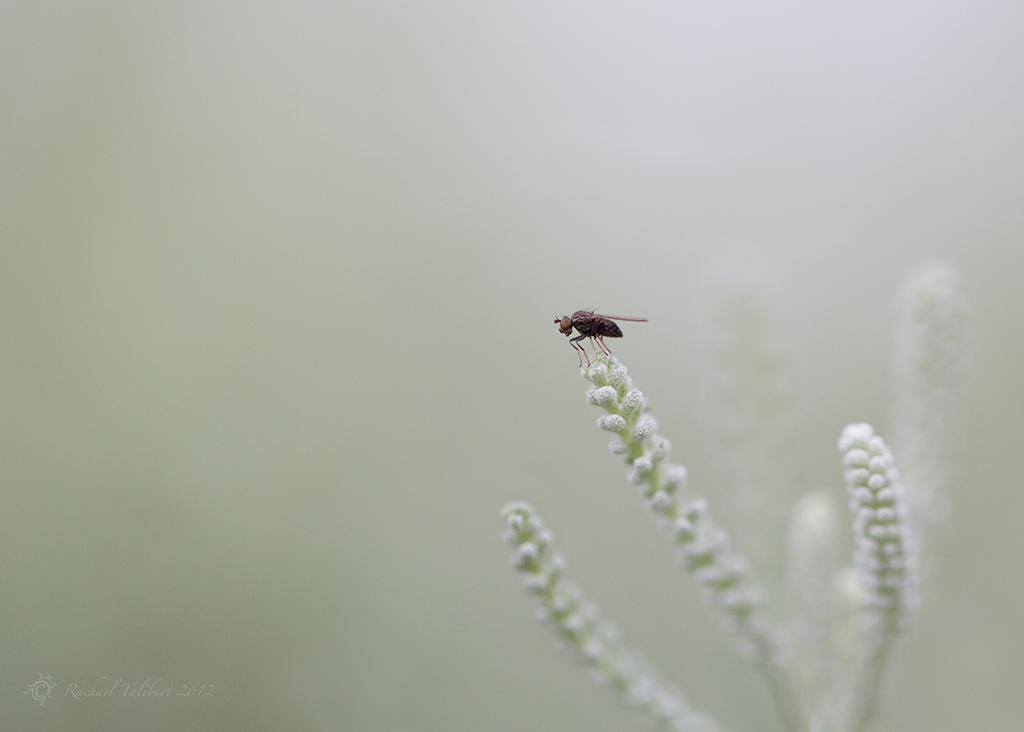
As Autumn sets in and the larger, more showy insects start to disappear, my macro lens turns to the smallest creatures, so small that I can only see the details by photographing them and cropping.  Each of these critters is much smaller than they appear here, hardly noticeable as they go about their secret lives.

fly and prey on grass

Tightrope

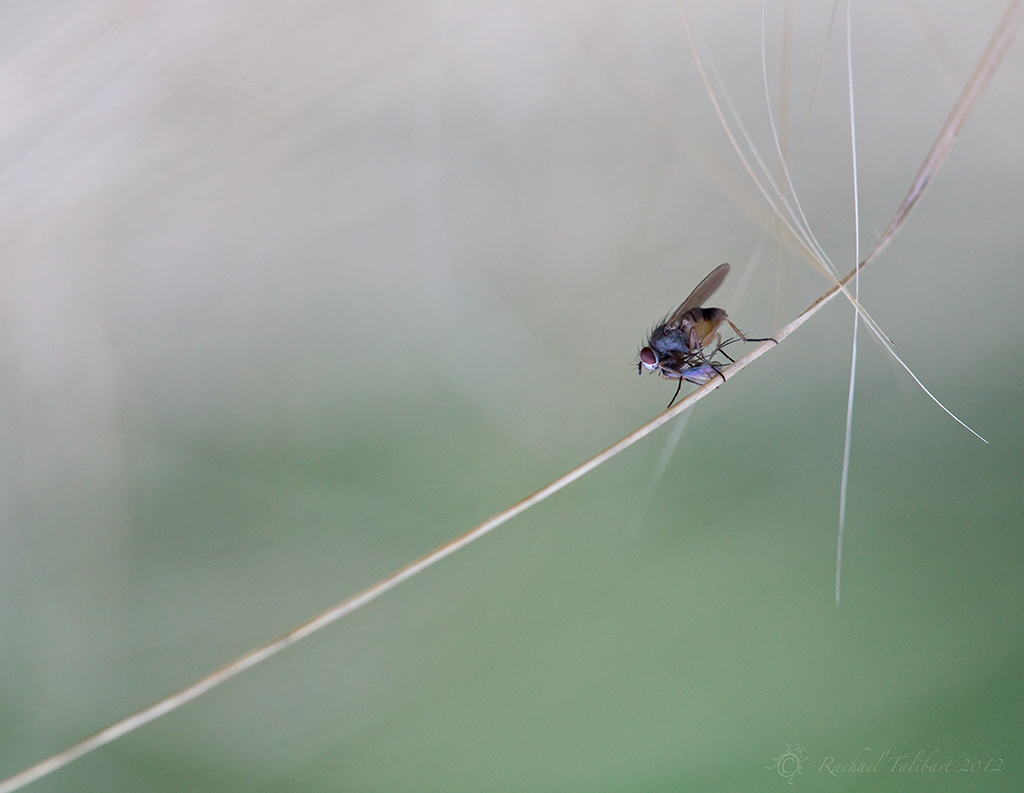
Carrying your prey across a tightrope of the thinnest grass stem is just showing off.

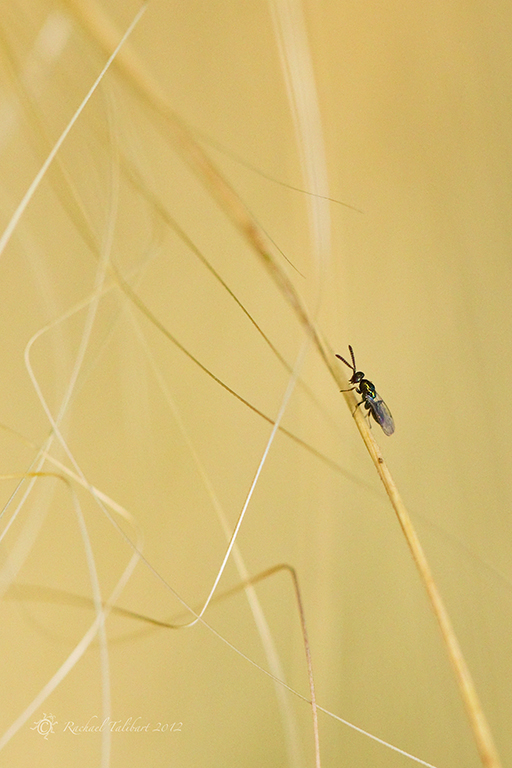
fly in golden grass

Golden grasses hide a wealth of miniature life

I like to show these critters with plenty of space around them, to show how very small they are.  And their landscape can sometimes be as intriguing as the insects themselves.

spider and prey

Small but deadly

Beware the silken hammock

spider in web
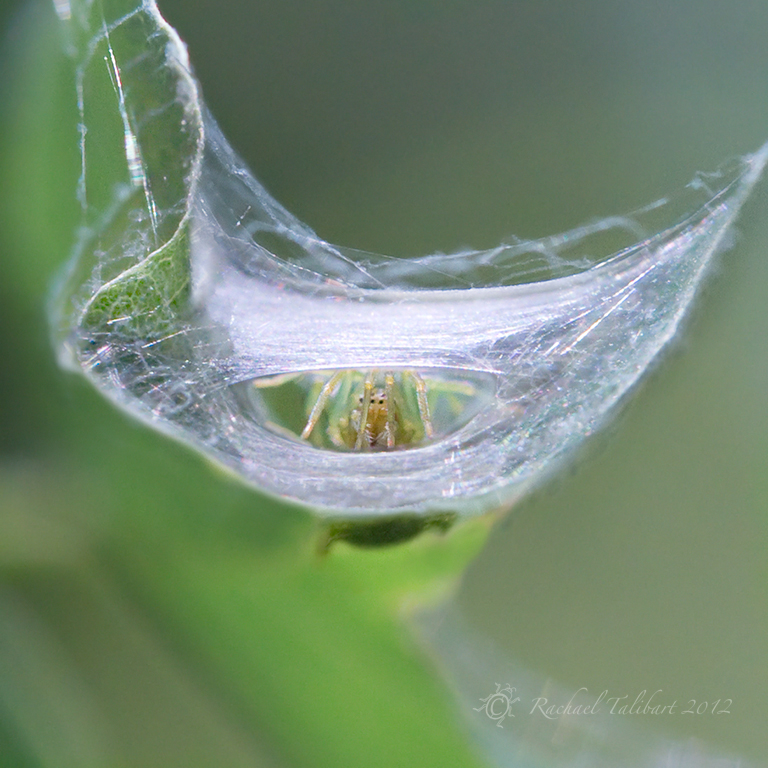
A beautifully woven hammock of silk catches the light. Inside, a tiny green spider awaits its next meal.
Cucumber green orb spider
When I first posted this I identified it, rather hesitatingly, as araniella cucurbitina, the cucumber green orb spider. I suspected a female given the size of that shadow. The males are more streamlined:
spider in web

However, I now think the spiders in this post may be nigma walckenaeri.  Any experts around? There are several rather pretty spiders lurking among the turning leaves of my sumach tree. I can’t positively identify the next one through all the silk but it may well be another araniella cucurbitina.  Or maybe not…
green spider in silk
It is definitely spider season here. I wish all the huge ones presently invading my home looked like these instead.

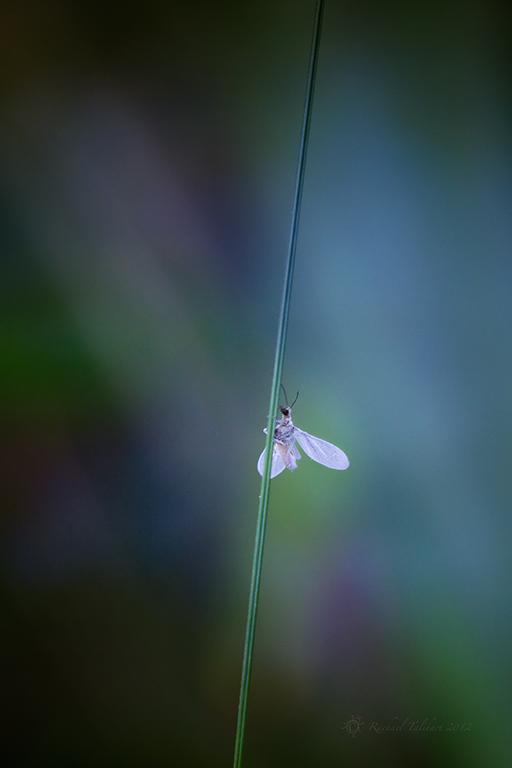
Mystery river fly

Insect on gate
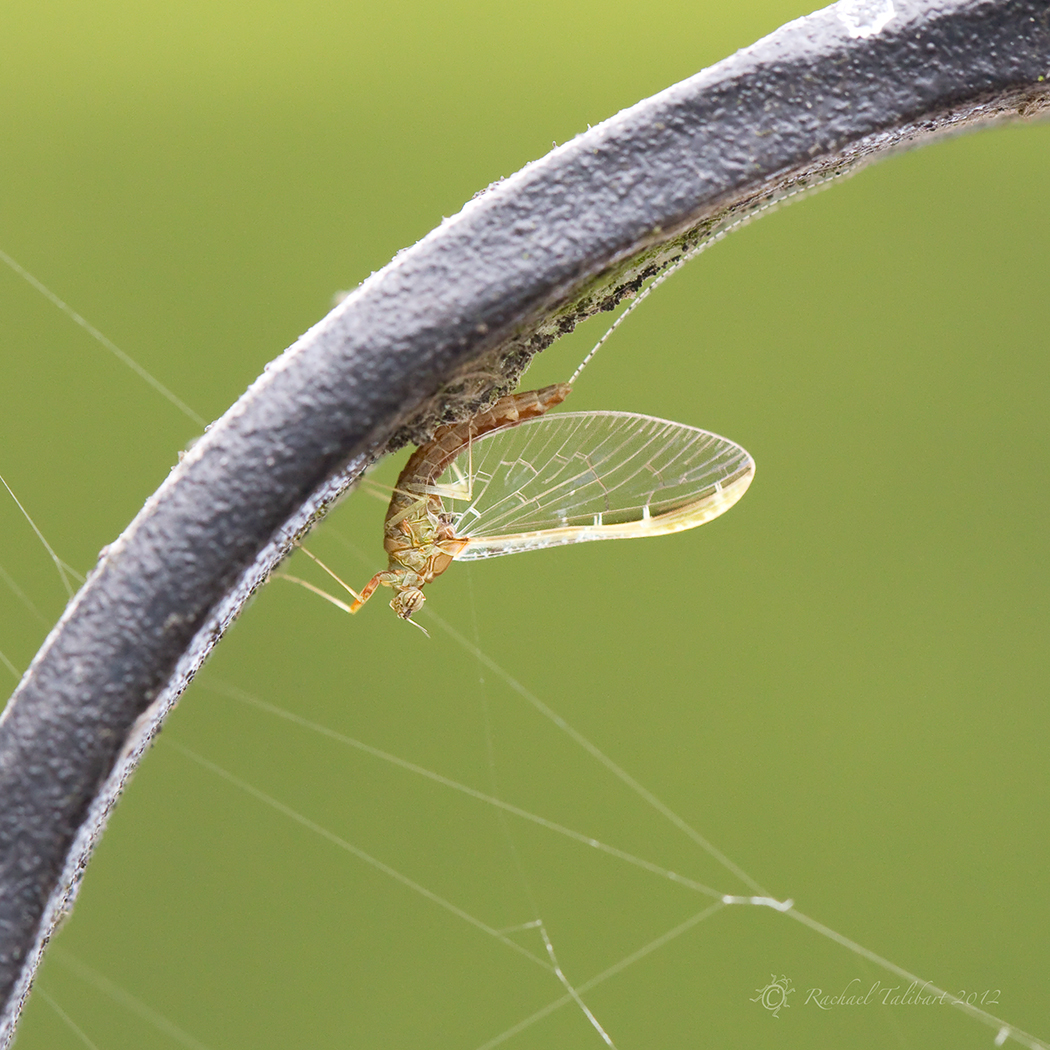
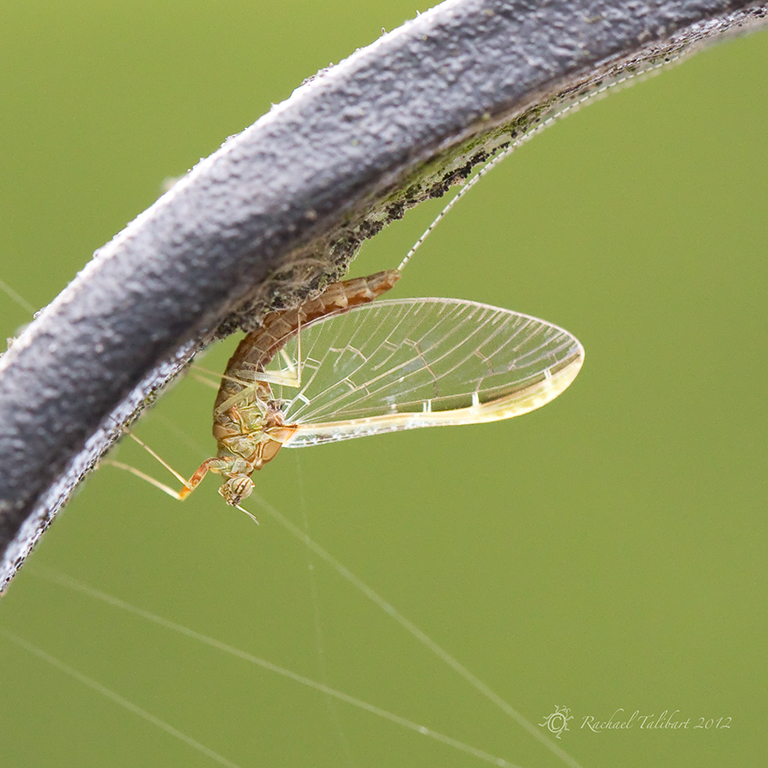
I found this beautiful creature sheltering from the rain under one of the curlicues of our wrought-iron gate. It is some sort of river fly but I haven’t conclusively identified it more specifically. Any river fly experts out there? It has two long tails, unlike the common mayfly which has three, and apparently only one pair of wings. I found it nowhere near a river so I an guessing it is one of the river flies that will inhabit standing water. Anyway, whatever it is, it’s a beauty! Here’s a close-up:
close-up of insect in gate