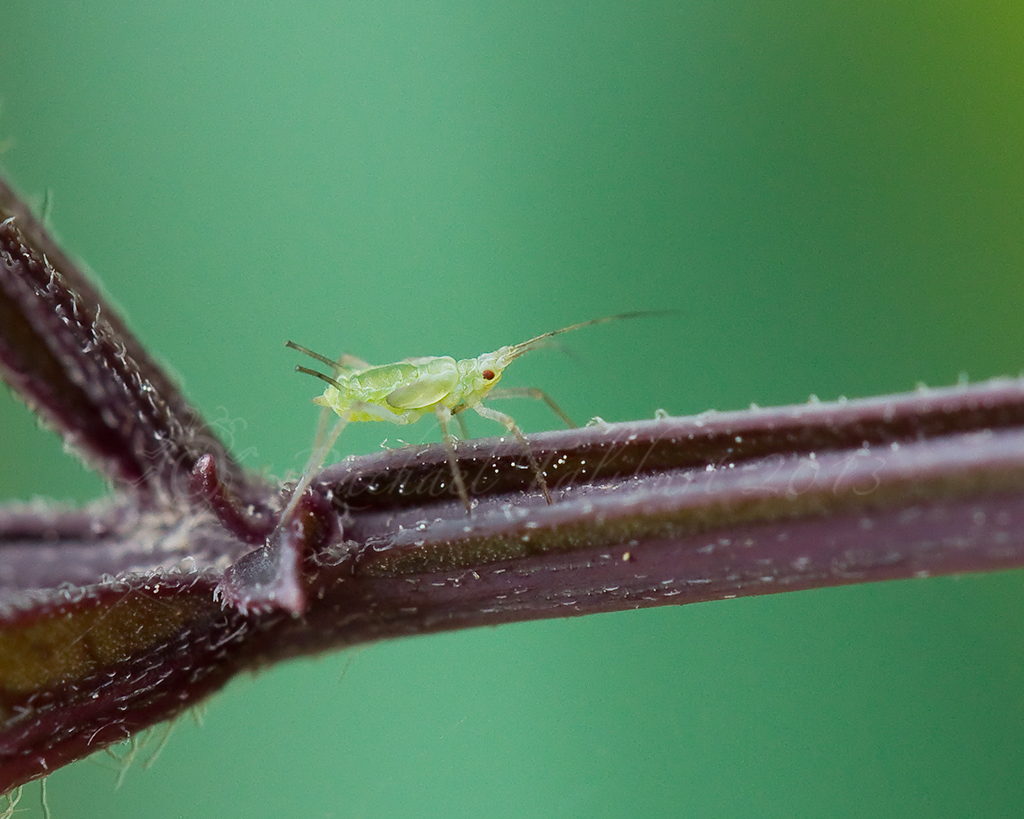
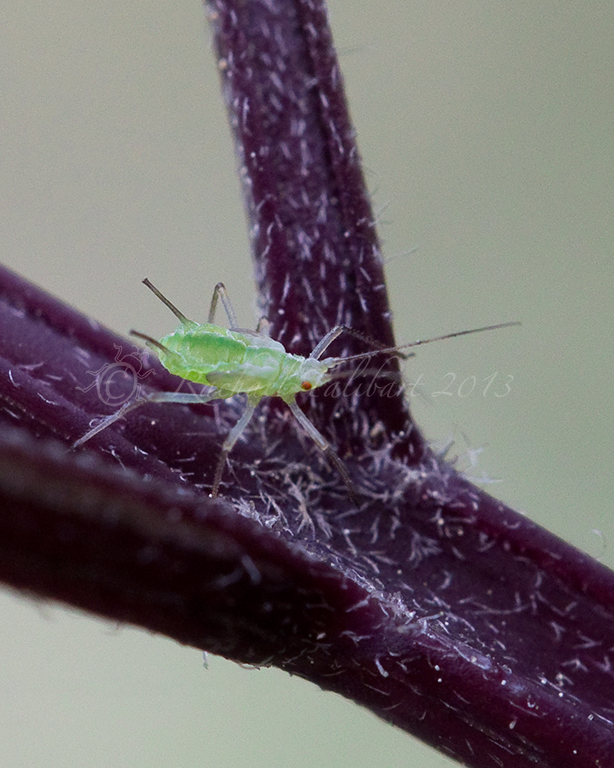
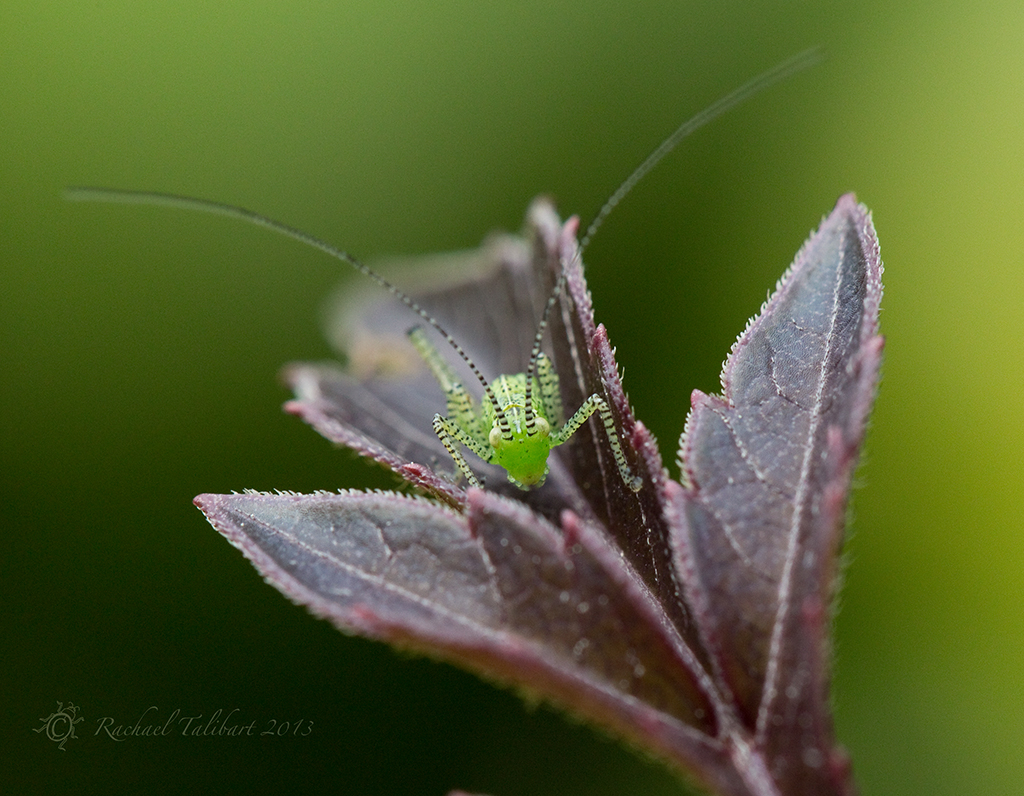
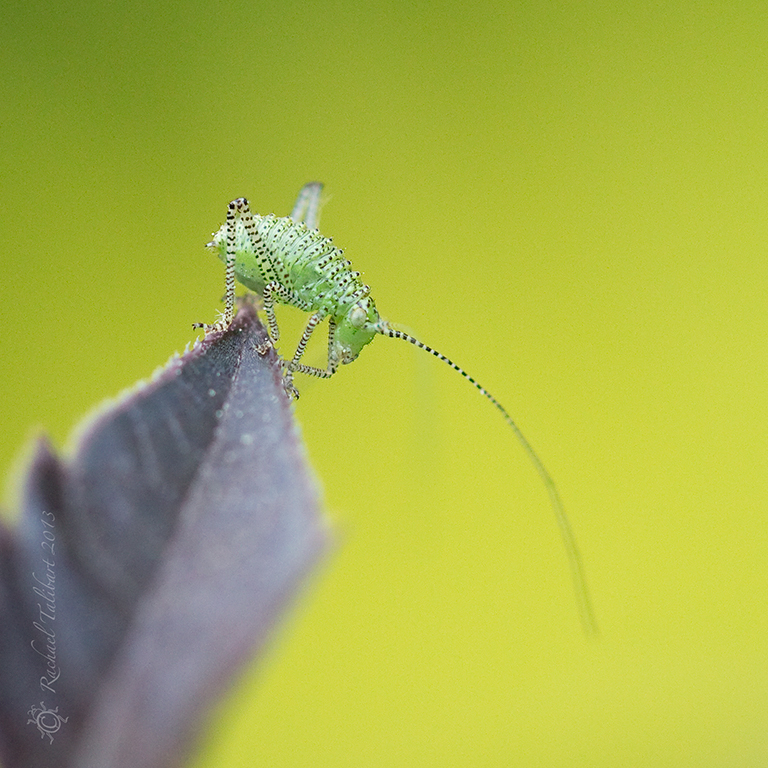
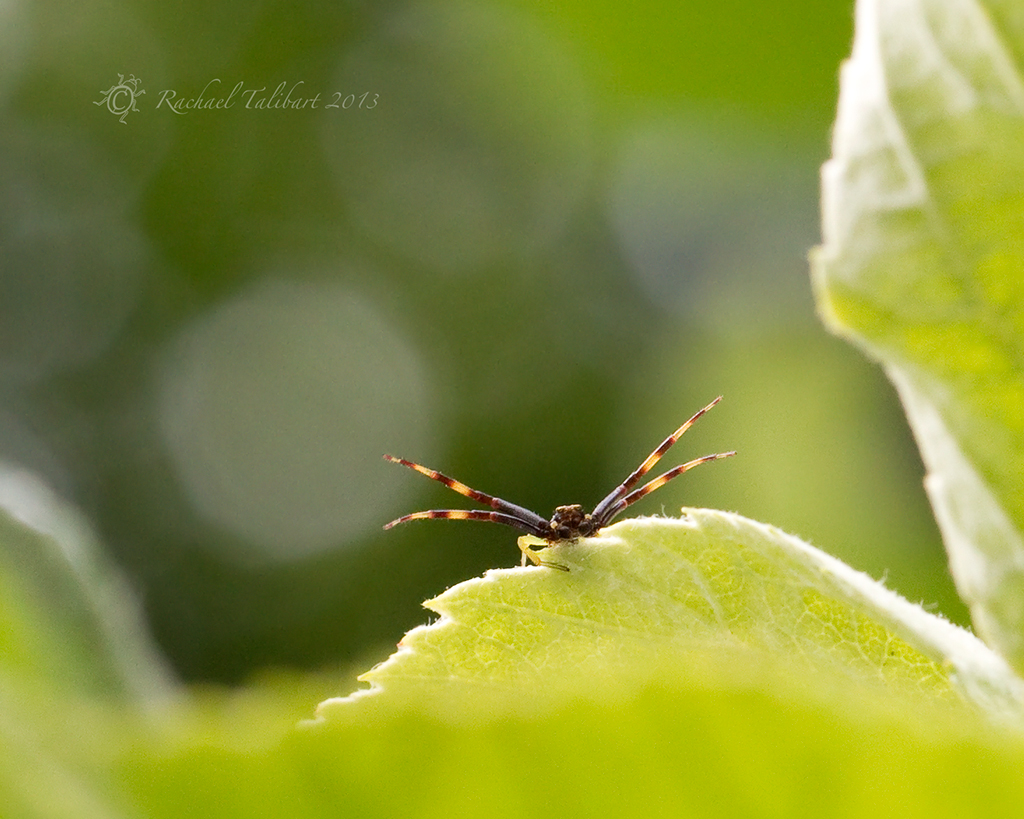
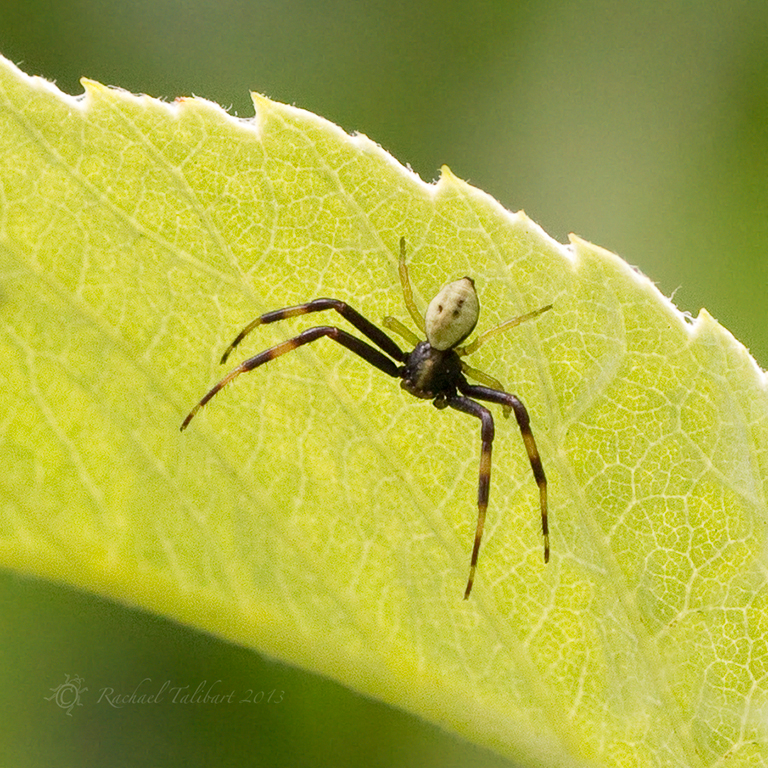
Clearing out old files, still, I came across some shots of greenfly from May and June and thought they made a set of greedy, green, garden pests. With apologies to all the gardeners out there.

A couple of these shots are as much if not more about the background than the aphids themselves.

They are a little bit pretty seen singly like this? Not convinced? 😉

Over on my Facebook page I am giving away a 2014 calendar to one winner chosen on Monday next week from those who nominate a Surrey beauty spot. Do visit if you’re local. I am planning to compile a list of nominated Surrey locations to photograph in 2014, with a view to making a 2015 calendar from the best images.
Category Archives: garden
Toadstools in the lawn
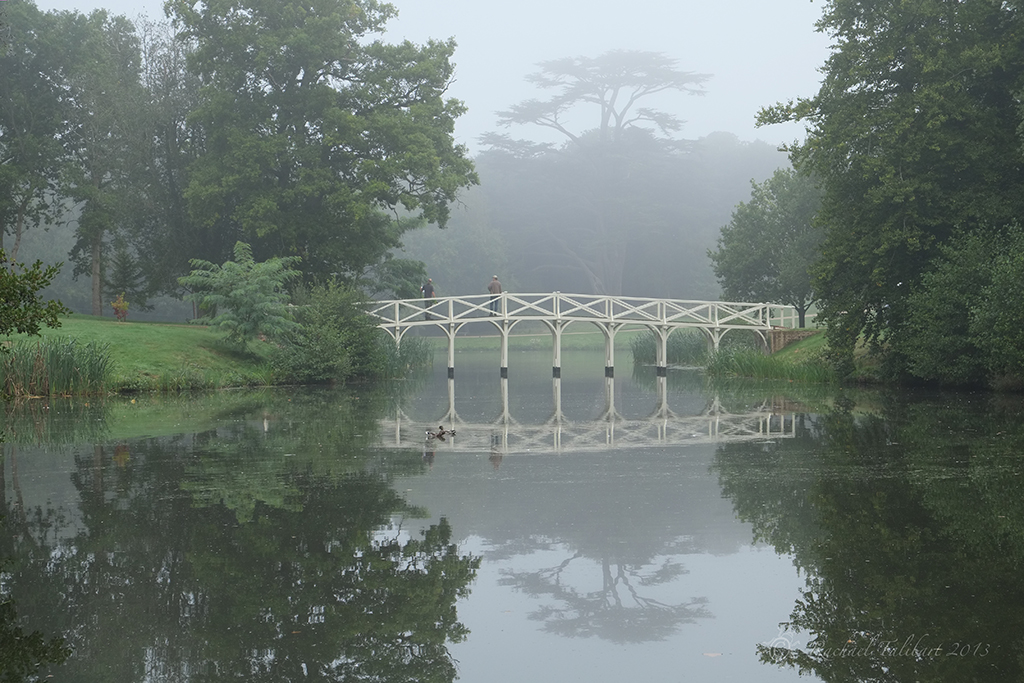
A foggy day at Painshill
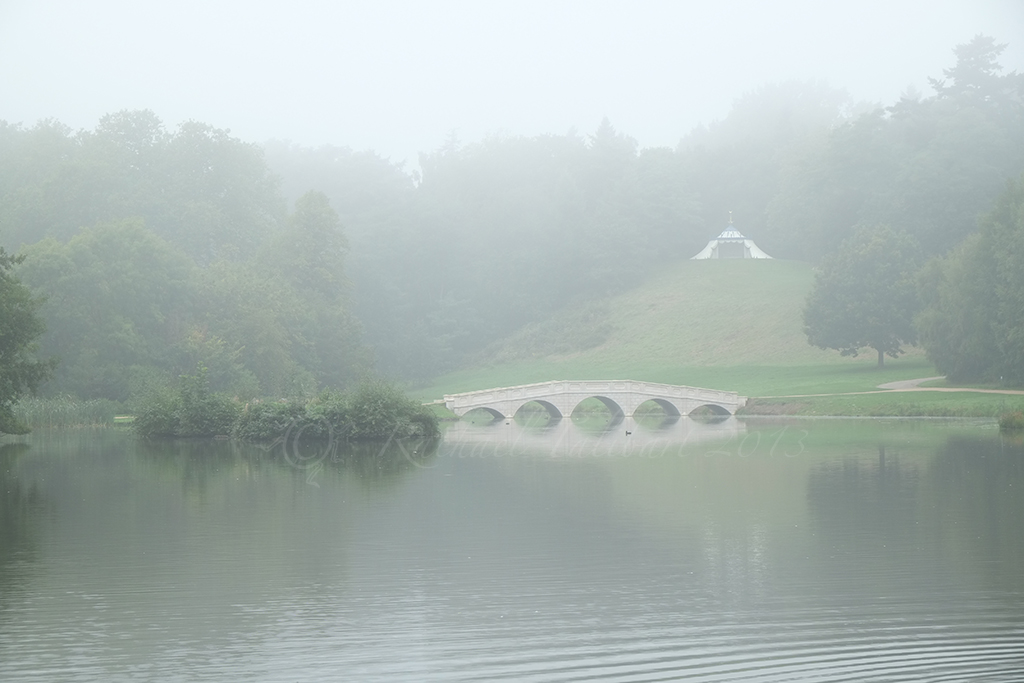
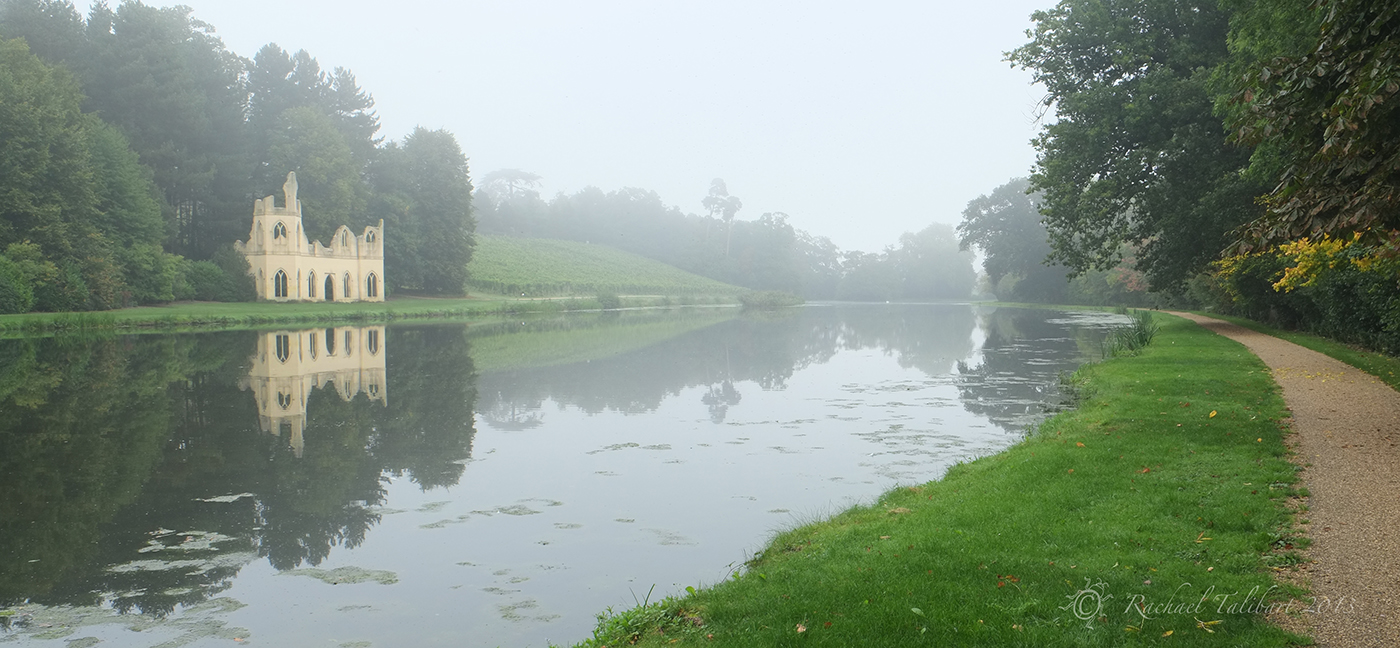
As regular readers of this blog will know, one of my favourite local locations is Painshill Park, an eighteenth century landscape garden in Cobham. When I woke up one morning late last month to find a heavy fog, I took my trusty Fuji down to Painshill for a ramble.
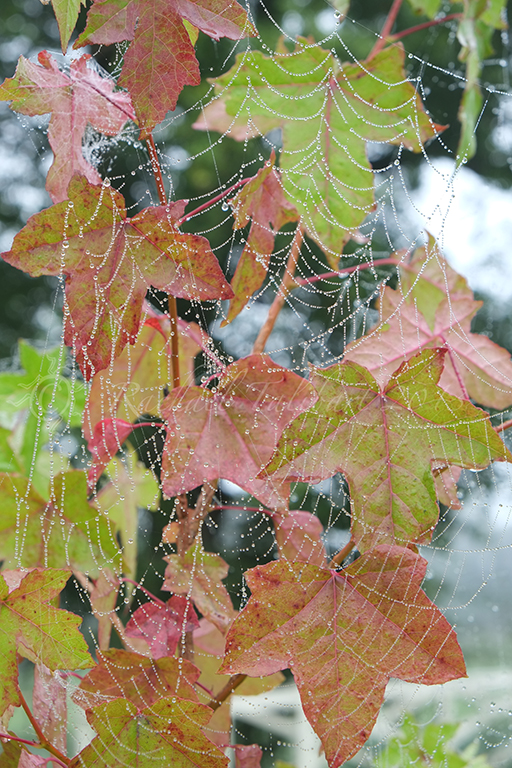
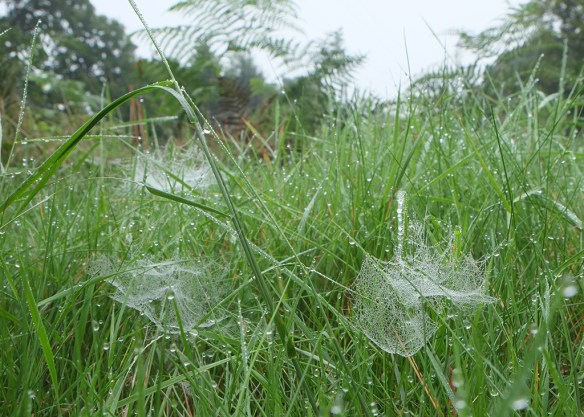
The mist had coated everything in the finest dew and the spiders’ webs were looking stunning against early Autumn foliage.
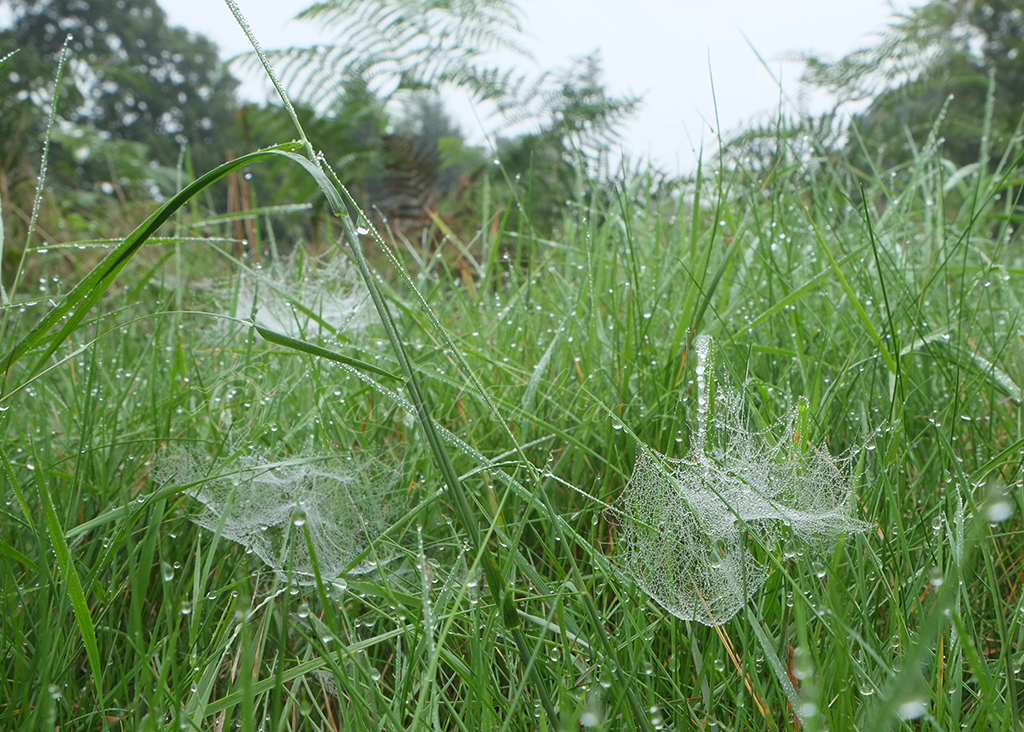
Every tuft of grass bore a sparkling hammock of silk.
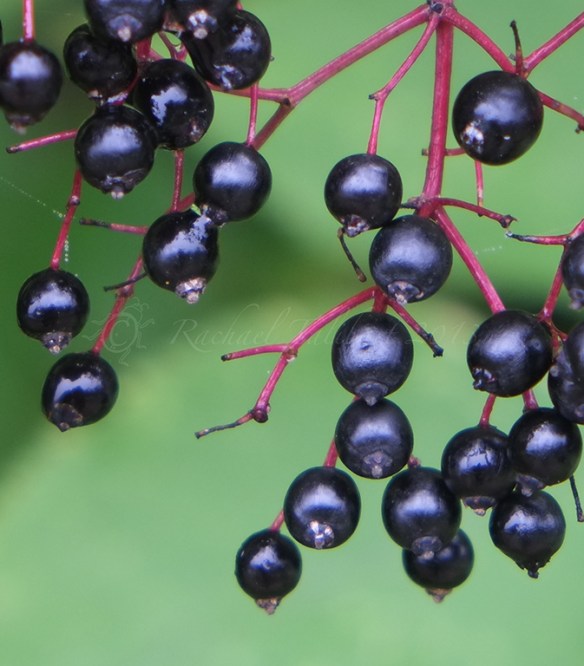
Berries of every hue reminded me that, in the words of the immortal Keats, this was a season of mists and mellow fruitfulness.
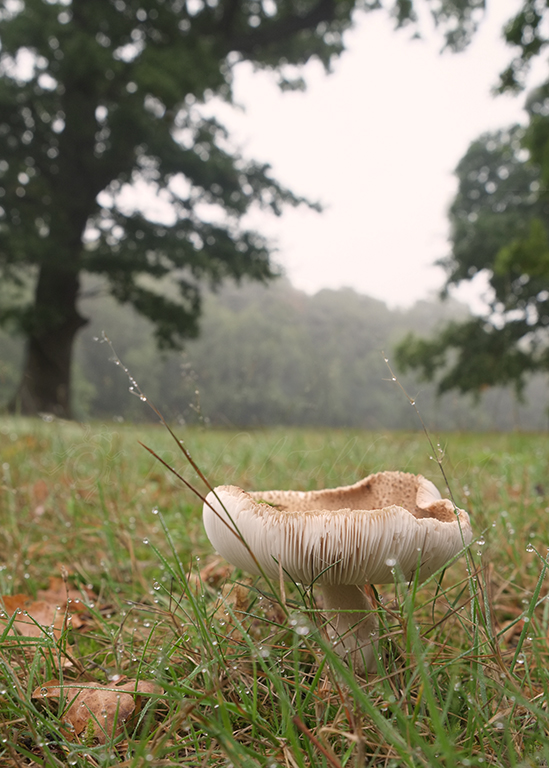
Not to be outdone, fungi of all kinds were busy decorating the grass,
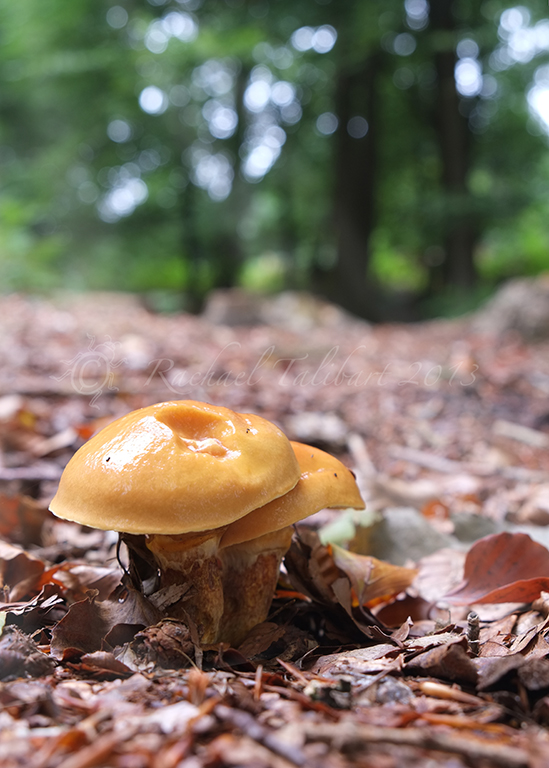
the forest floor,
and every tree stump.
Most of the trees had yet to start turning, but there were a few obliging maples dropping their pastel leaves prettily onto the banks of Painshill Lake, just to give me some foreground interest.
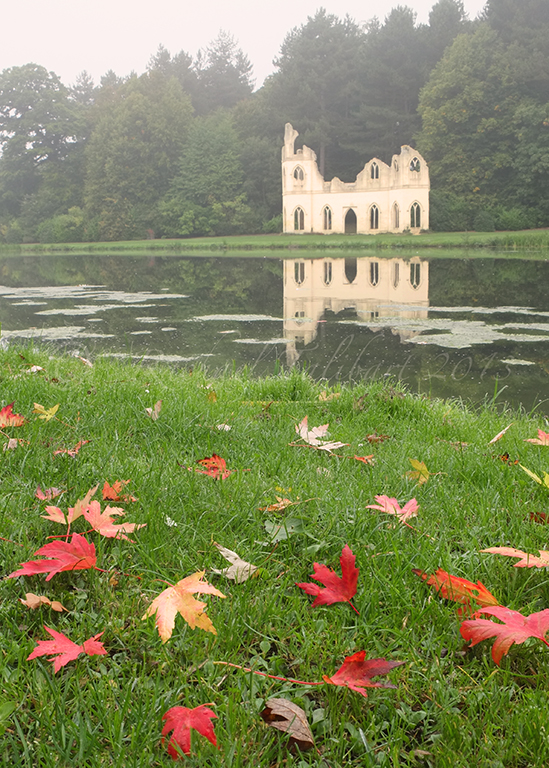
In the mist, everything was still. Even sound seemed to be muffled, and it felt as if I had the whole park to myself.
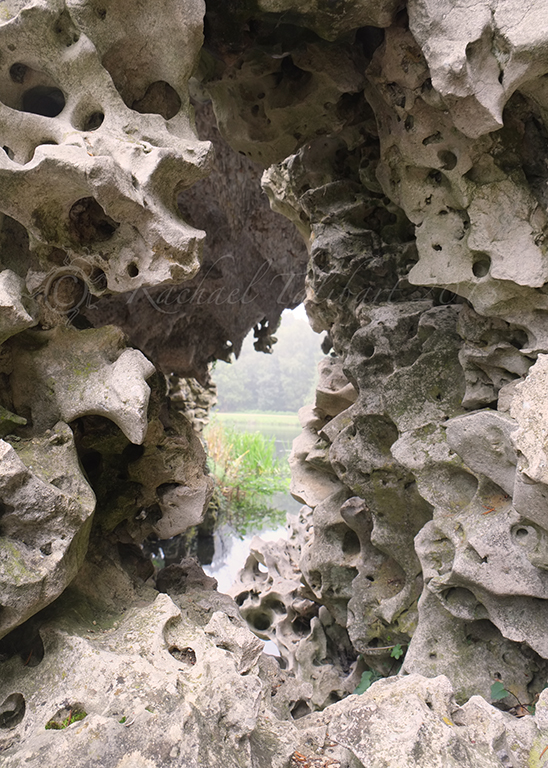
The Grotto was closed but I explored the outside.
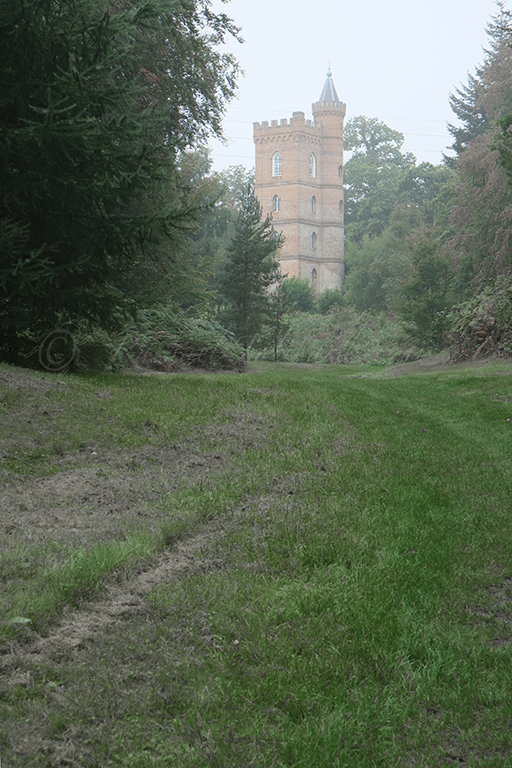
I often think the Gothic Tower, one of Painshill’s many follies, is a little too pretty to be truly gothic, but in the mist it did look a little bit spooky. A very little bit.
In the woods, I came across these dens, no doubt made by parties of children. Blair Witch, anyone?
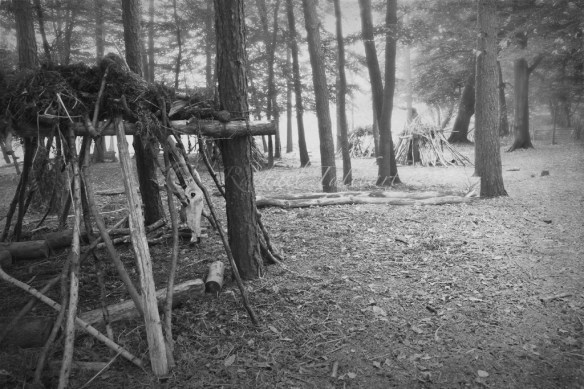
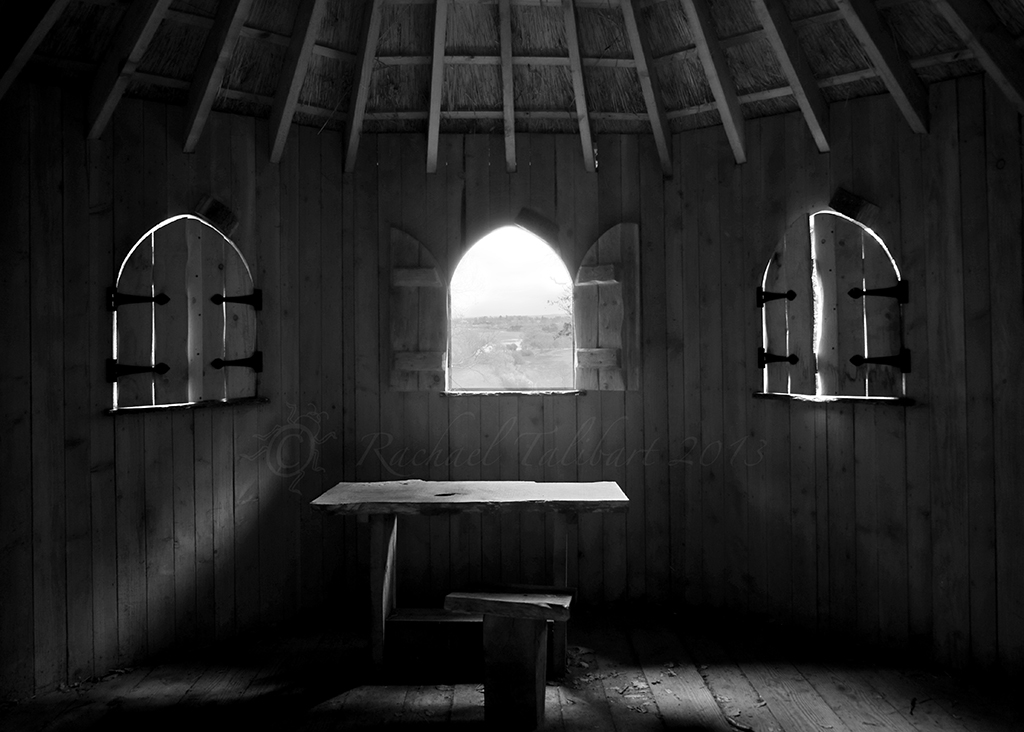
They were not far from The Hermitage, one of my favourite follies.
For a while in the eighteenth century, every self-repecting landscape garden had to have a hermit. Painshill was no exception although story has it that the first man hired for the job lasted only two weeks before he was discovered in a local hostelry drowning his sorrows! He was never replaced.
Every time I go to Painshill I find something new, whether it be one of nature’s works of art or a fragment of the craft of people.
I made a mental note to go back again later this month to see the Park in its full Autumn glory.
Another of my posts about Painshill, including some of its history, is here.

The bigger picture

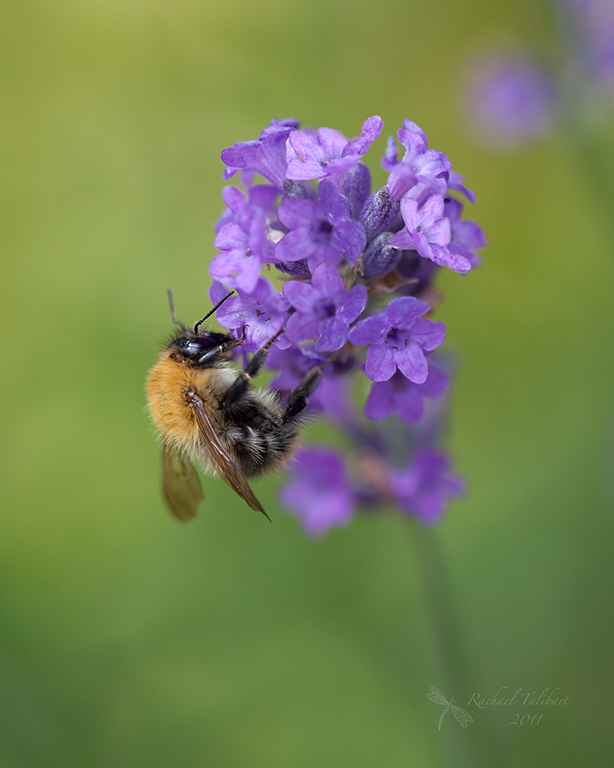
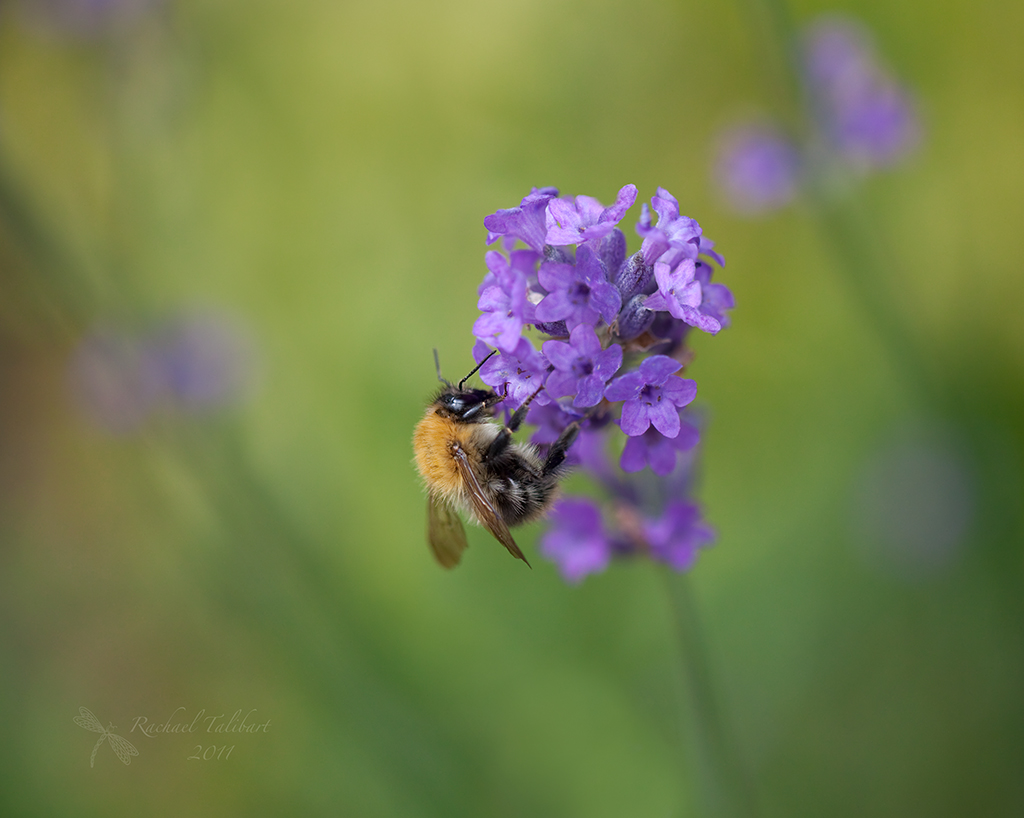
A common approach with insect photography is to zoom in close, sometimes very close, to show the details not normally noticed by the naked eye. Sometimes it’s nice, however, to show the insect in a wider view, perhaps because it has settled on a particularly pretty flower or because the photographer wants to show the insect’s habitat. I think I come at my insect photography with the eye of an aspiring landscape photographer. I naturally tend to situate my insect subjects in a wider setting, where the background is as important as the insect. For me, although the top shot is pleasing, I prefer the version below, because I enjoy the background as much as I do the bee.

In this last image, the bee provides a focal point, a starting and finishing place for the viewer’s eye that, hopefully, stops the picture becoming simply a ‘wallpaper’ image. But, for me, the real impact of this image is the gentle, muted colours of the out of focus border.

What do you think?
Specky, again
Male crab spider (probably)

When I first posted this, I very tentatively identified it as a male four spot orb weaver spider (araneus quadratus) (maybe). Or possibly a marbled orb weaver ( araneus marmoreus var. pyramidatus). I hadn’t found the I.D. especially easy, and asked if anyone knew better, for them to please tell me! Thanks to two very assured comments below, I have now changed the I.D. to an adult male crab spider (misumena vatia). Thank you both. I should perhaps give up trying to identify the bugs I find in my garden as my success rate is woefully low. Anyway, this tiny crab spider was photographed peering over a leaf in a tree rather high up and I was using my macro lens when I spotted it, so these are big crops. A characterful little thing.

Expressive bee
Marmalade beauties
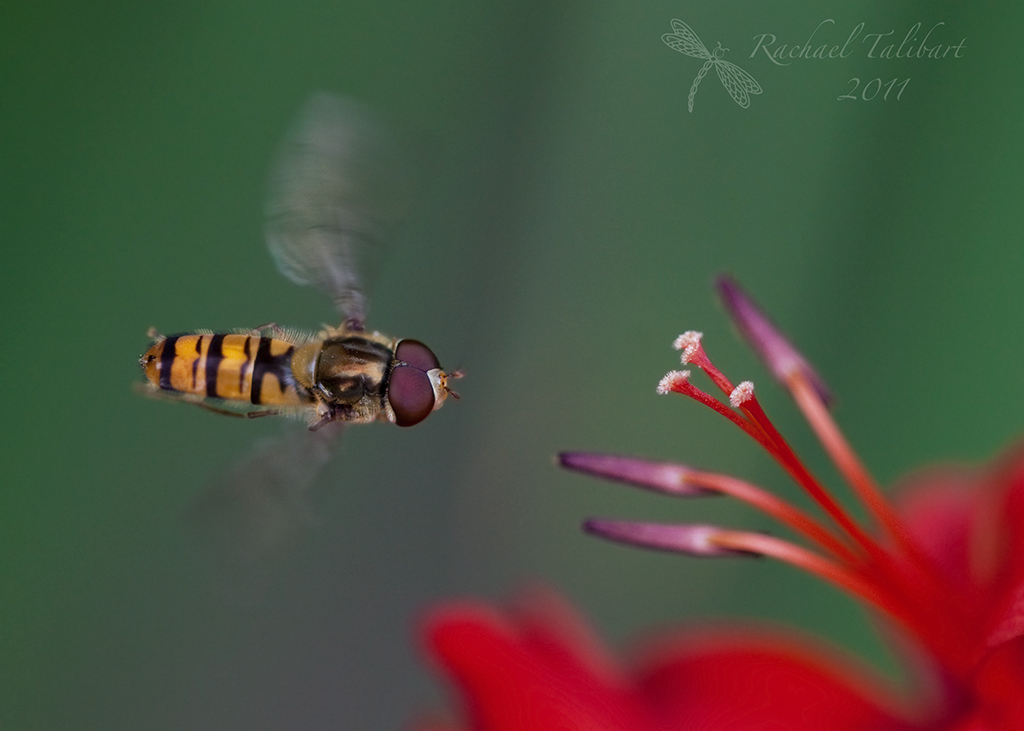
One of the most common hover flies in my garden is episyrphus balteatus. I am fairly confident about my identification in four of these shots. Less so in the one below.
I believe episyrphus balteatus is one of the flies also known by the common name, marmalade fly. Obviously, this is because of its colour and not because it has a penchant for preserves!.
I think hover flies are a delightful addition to the garden. The adults feed entirely on nectar but the larvae are voracious predators of aphids, which makes them jolly useful! Episyrphus balteatus is also one of the best hover fly hoverers, making it a relatively easy target for the photographer.
Hover flies disguise themselves as bees or wasps as a defensive mechanism. Unfortunately, they are so good at this that many people assume they are bees or wasps and, if they think the latter, they tend to swat them. What a shame. Hover flies have no sting and no downside for humans. They aren’t even interested in our food.
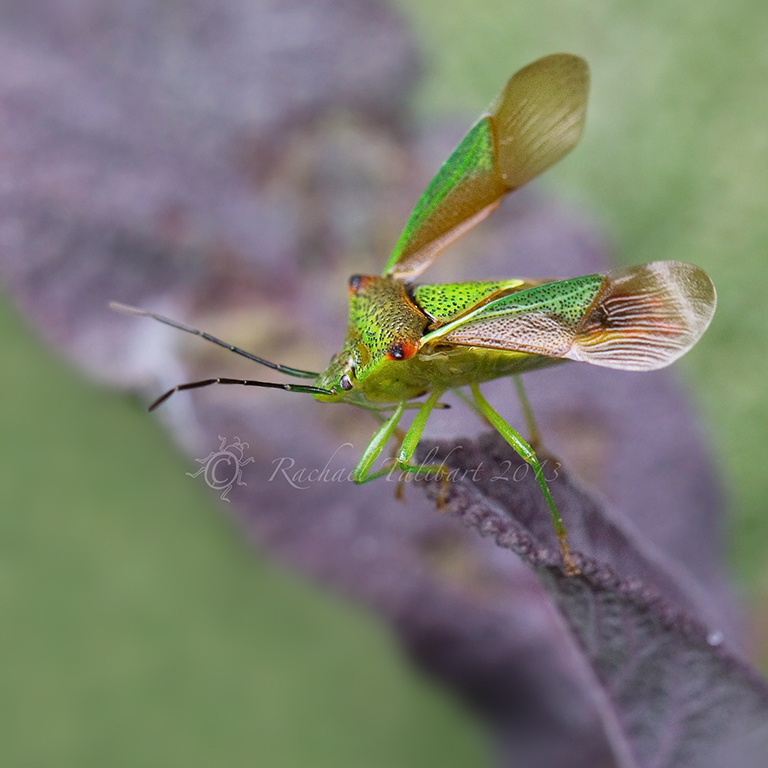
Hawthorn Shield Bug

Each Spring, the return of the insects to my garden prompts me to dust off my macro lens. After that, it tends to be the default lens until Winter sets in once more. However, it always takes me a while to get my macro eye back in. This year, other commitments meant that I didn’t have much time for photography; a foray into the garden yesterday showed me that my macro eye is most definitely still out! Never mind, there’s always next year…

These shots of a hawthorn shield bug are from earlier in the year. One of the challenges with photographing insects in this country is most of them are so small. In warmer climes, there are big, chunky bugs to capture. These shield bugs are among the biggest I see in my garden, and they are still only 8-10mm when full grown.

I must confess that I was not 100% certain of my ID here and originally misidentified this as a birch shield bug. Â Thank you to Maria for the correction in the comments below.
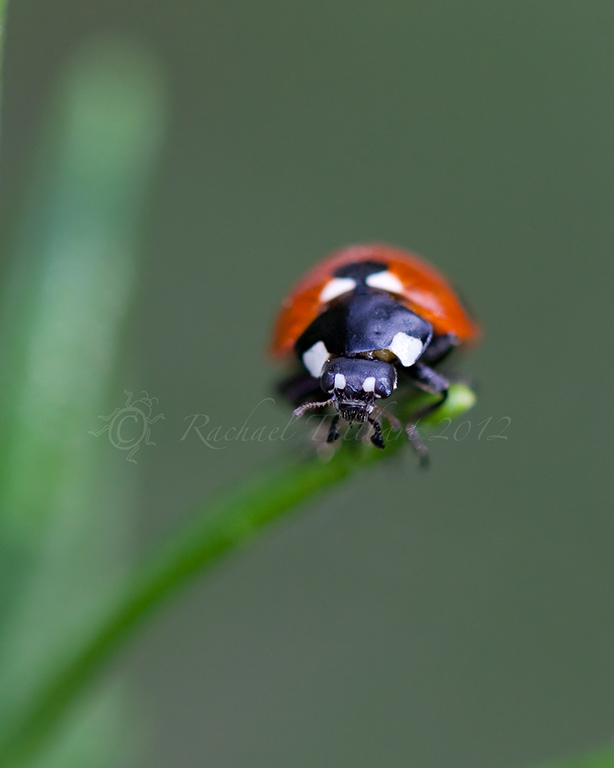
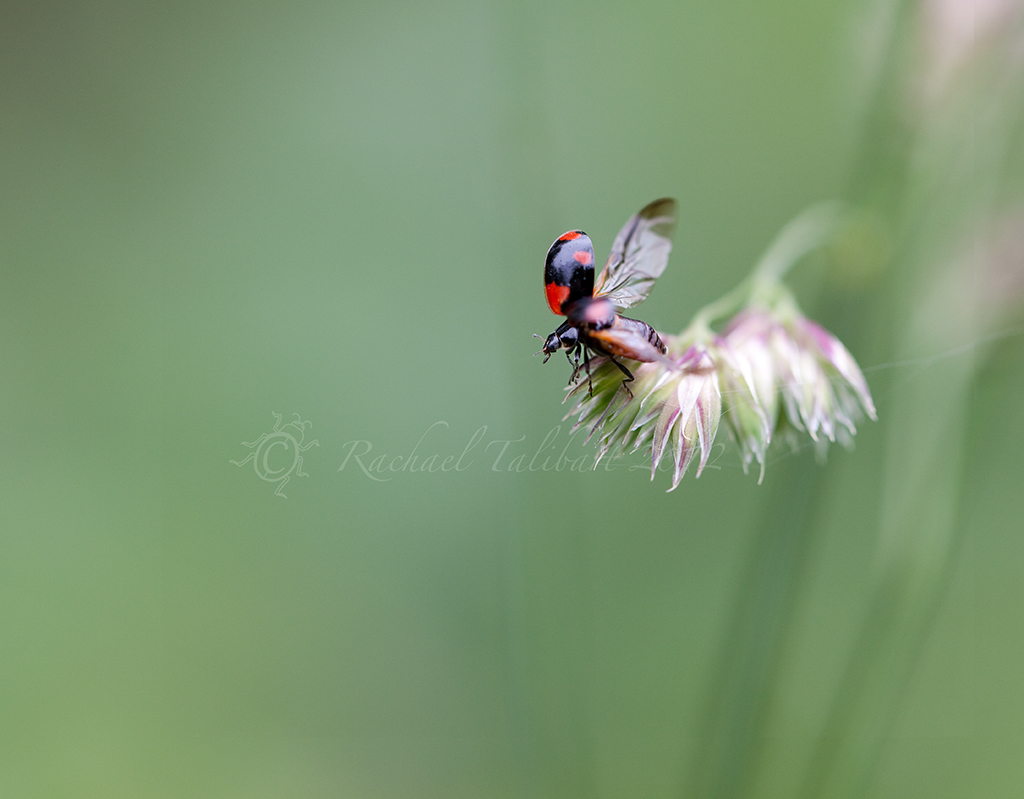
Ladybirds with attitude
Sanity will return tomorrow. I promise.