
Hot off the presses, two toadstools snapped in my garden this morning.

Hot off the presses, two toadstools snapped in my garden this morning.
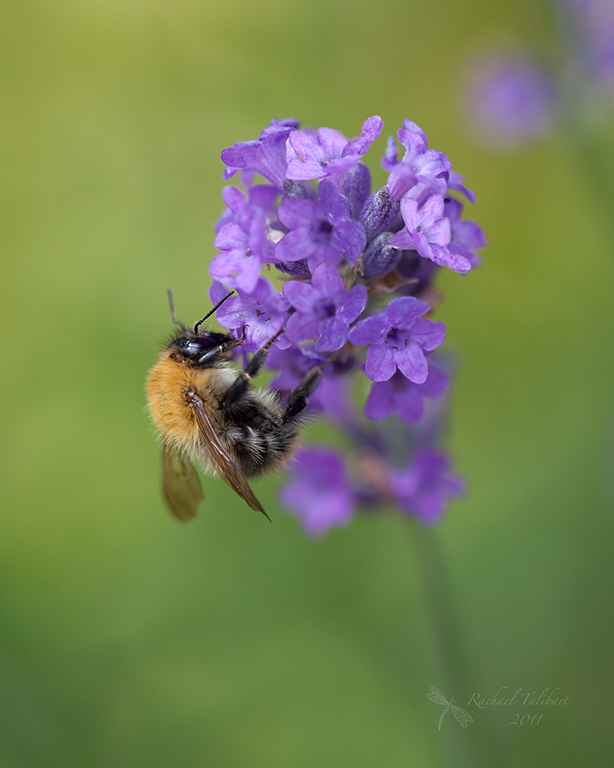
A common approach with insect photography is to zoom in close, sometimes very close, to show the details not normally noticed by the naked eye. Sometimes it’s nice, however, to show the insect in a wider view, perhaps because it has settled on a particularly pretty flower or because the photographer wants to show the insect’s habitat. I think I come at my insect photography with the eye of an aspiring landscape photographer. I naturally tend to situate my insect subjects in a wider setting, where the background is as important as the insect. For me, although the top shot is pleasing, I prefer the version below, because I enjoy the background as much as I do the bee.
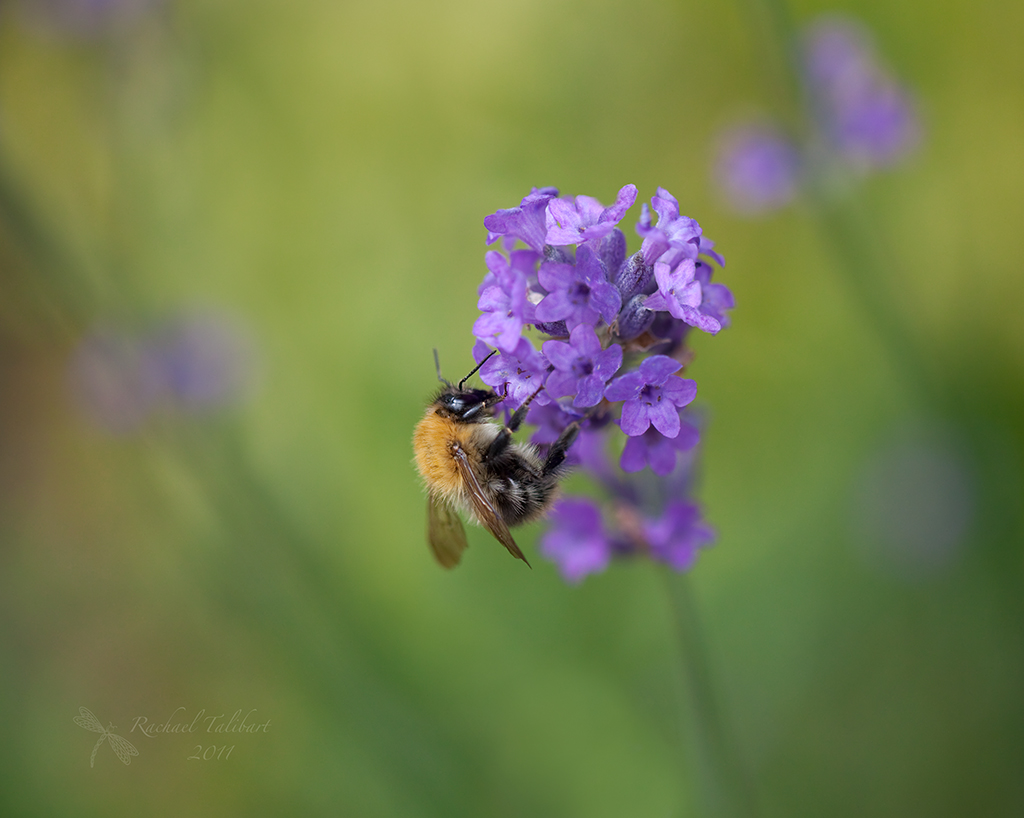
In this last image, the bee provides a focal point, a starting and finishing place for the viewer’s eye that, hopefully, stops the picture becoming simply a ‘wallpaper’ image. But, for me, the real impact of this image is the gentle, muted colours of the out of focus border.
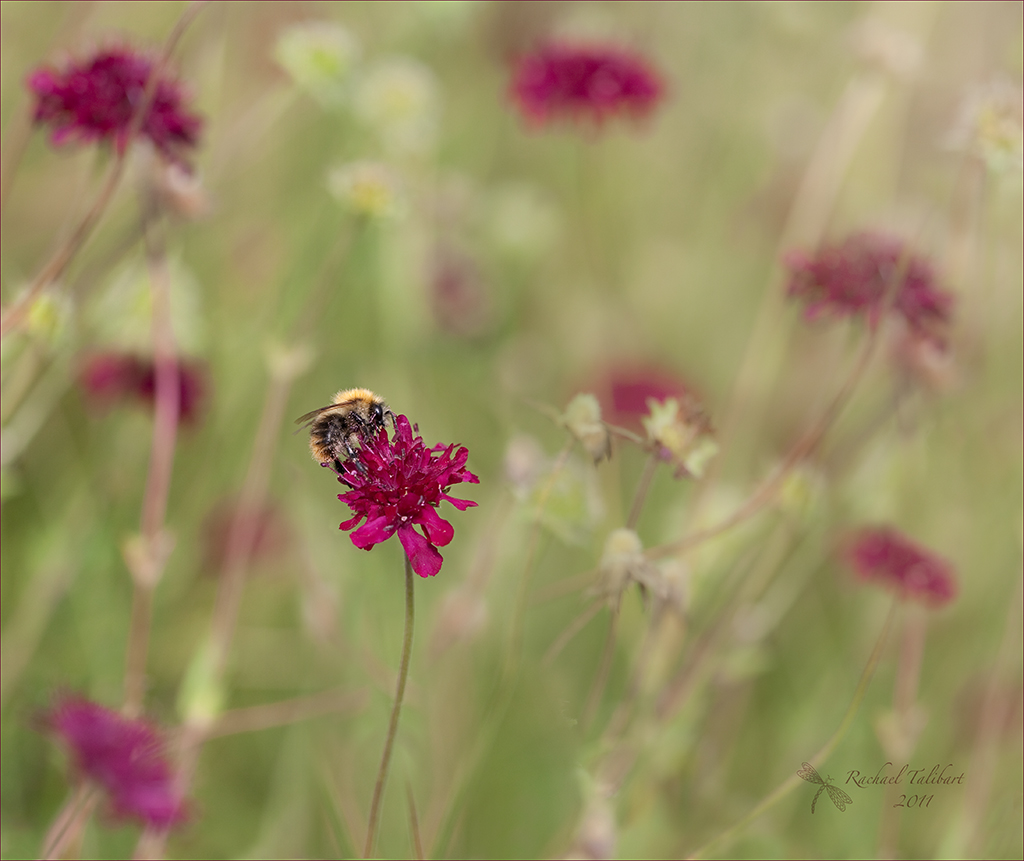
What do you think?
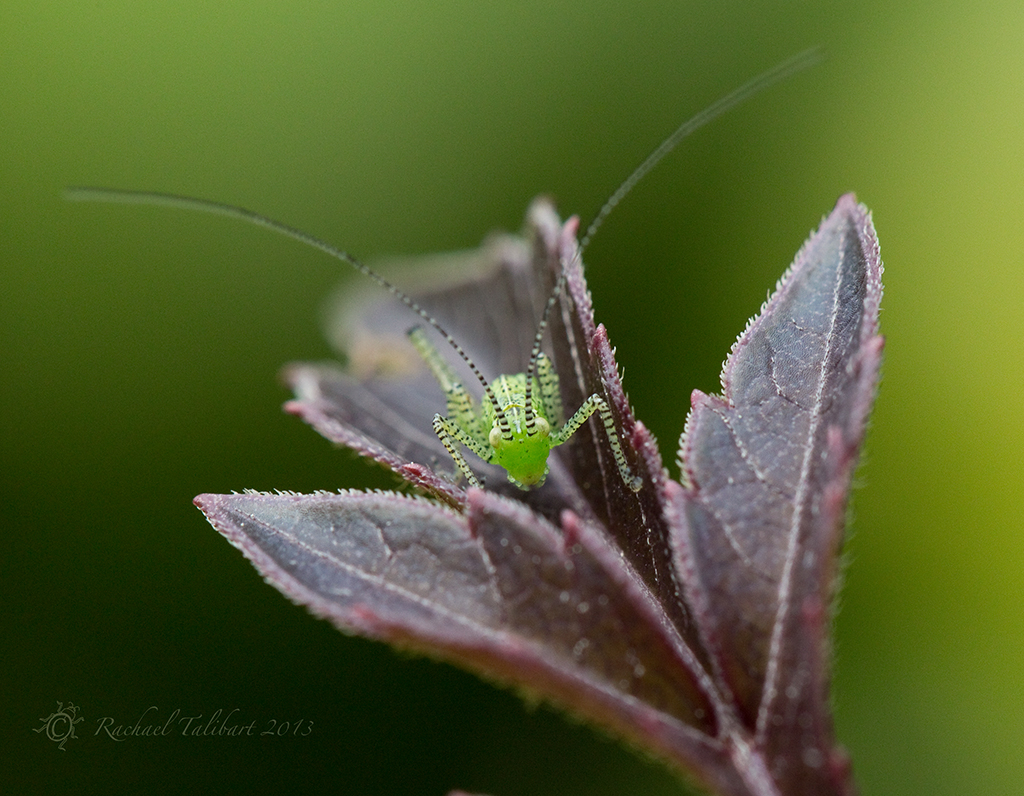
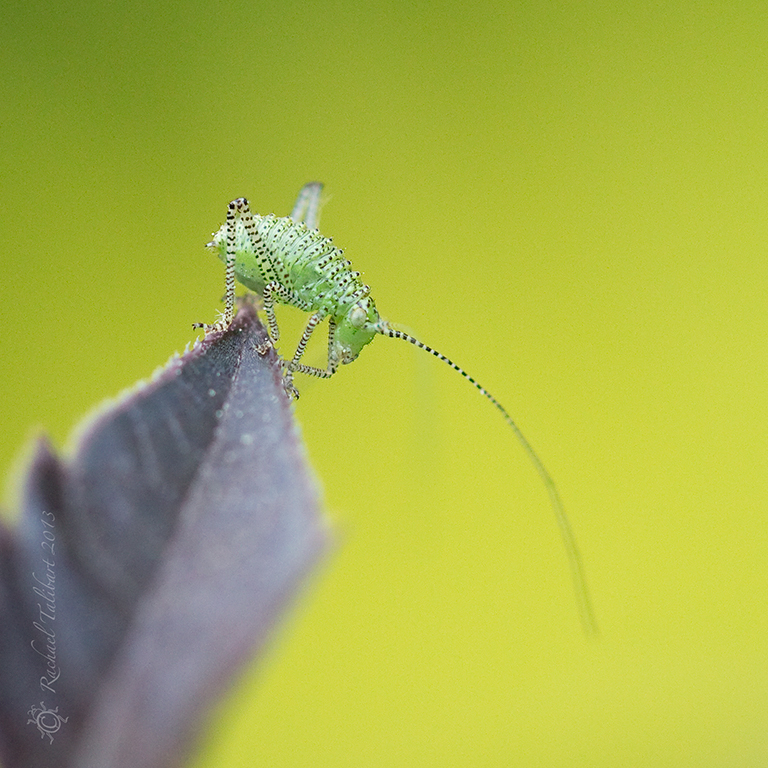
It’s been a while since I posted an image of the speckled bush cricket nymphs in my garden so here are two, both from June this year.
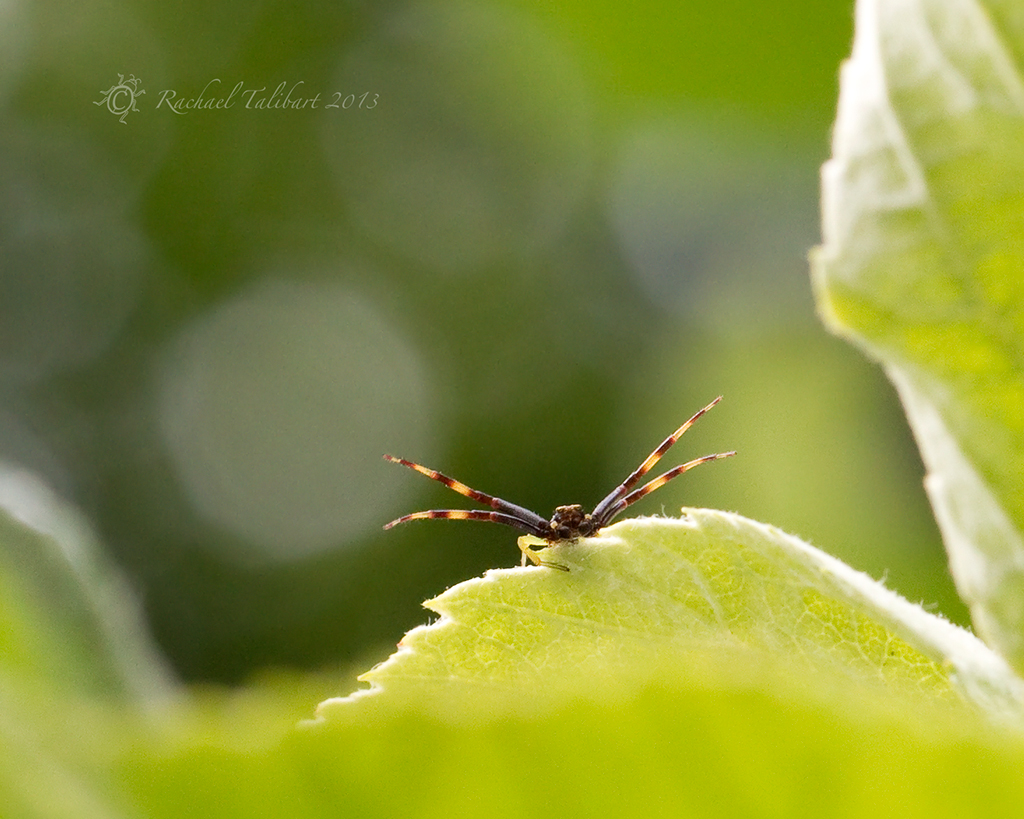
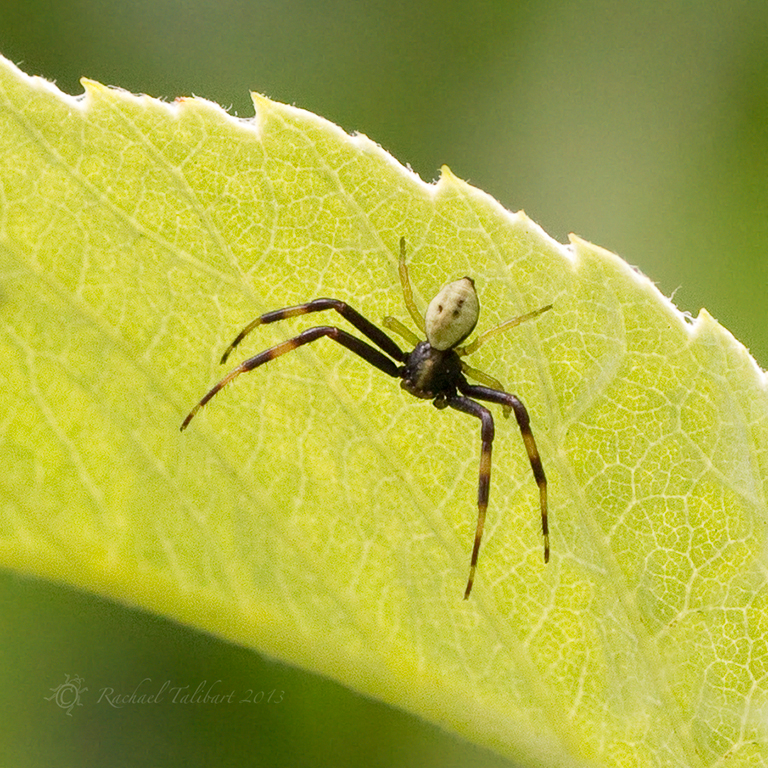
When I first posted this, I very tentatively identified it as a male four spot orb weaver spider (araneus quadratus) (maybe). Or possibly a marbled orb weaver ( araneus marmoreus var. pyramidatus). I hadn’t found the I.D. especially easy, and asked if anyone knew better, for them to please tell me! Thanks to two very assured comments below, I have now changed the I.D. to an adult male crab spider (misumena vatia). Thank you both. I should perhaps give up trying to identify the bugs I find in my garden as my success rate is woefully low. Anyway, this tiny crab spider was photographed peering over a leaf in a tree rather high up and I was using my macro lens when I spotted it, so these are big crops. A characterful little thing.
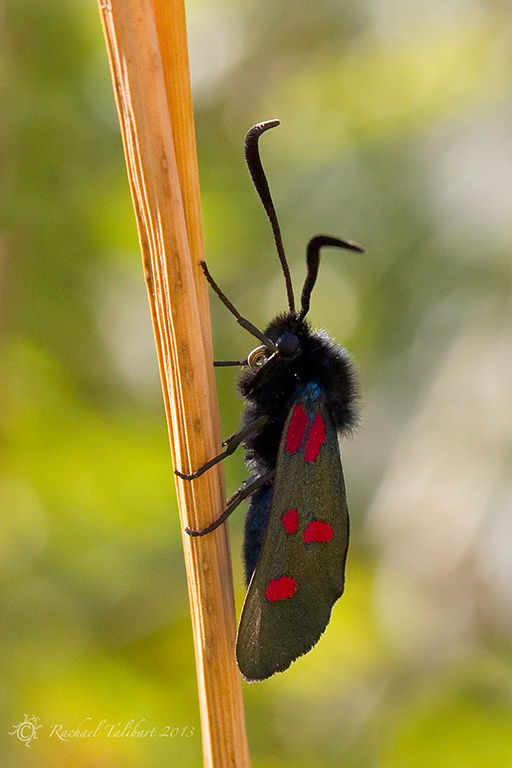
The grassy cliffs of Sark, in the Channel Islands, are a vital habitat for insects, including a variety of butterflies and moths. When we visited in July, the five-spot burnet moth was much in evidence. Such a striking beast. I also spotted a forester moth, below. Somewhat rarer.

Burnets are not known to be particularly flighty but they were fluttering all around me that afternoon. Perhaps it was the very breezy conditions. I wasn’t able to manage a decent in flight shot. Below is a huge and rather fuzzy crop, but a record of the moment nonetheless.


Is this bee expressing its views on the macro paparazzi, or just proud of its tongue? Taken this summer at the Seigneurie Gardens on Sark, in the Channel Islands.
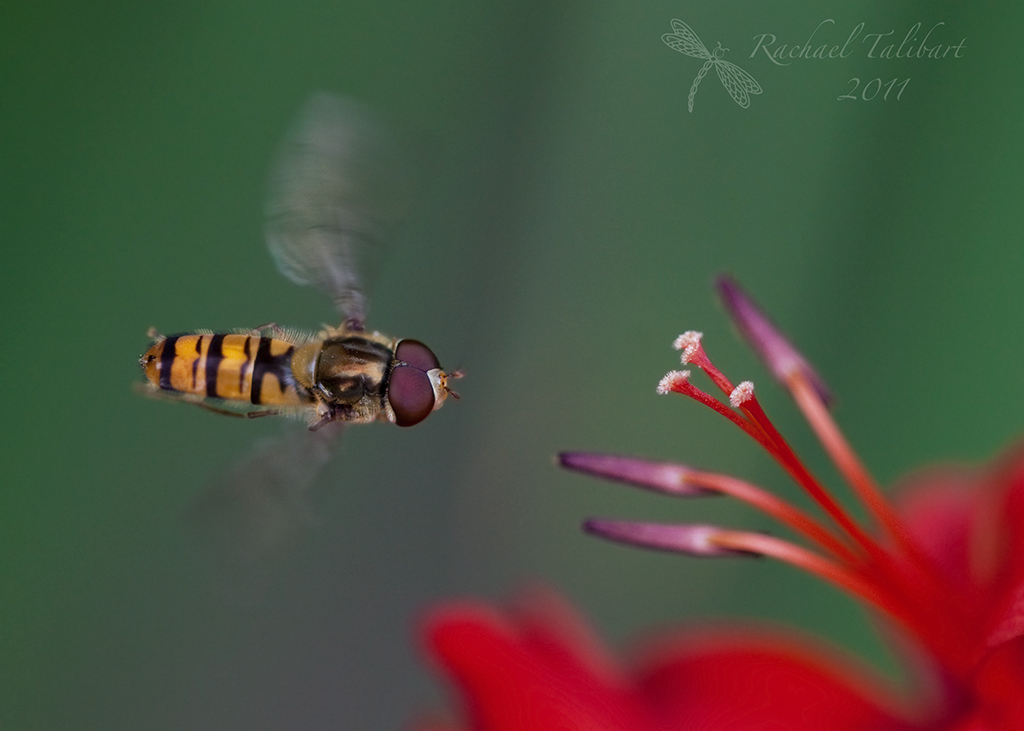
Final approach
One of the most common hover flies in my garden is episyrphus balteatus. I am fairly confident about my identification in four of these shots. Less so in the one below.

Legs!
I believe episyrphus balteatus is one of the flies also known by the common name, marmalade fly. Obviously, this is because of its colour and not because it has a penchant for preserves!.

Making a bee, err … hoverfly, line
I think hover flies are a delightful addition to the garden. The adults feed entirely on nectar but the larvae are voracious predators of aphids, which makes them jolly useful! Episyrphus balteatus is also one of the best hover fly hoverers, making it a relatively easy target for the photographer.

Hovering over candles?
Hover flies disguise themselves as bees or wasps as a defensive mechanism. Unfortunately, they are so good at this that many people assume they are bees or wasps and, if they think the latter, they tend to swat them. What a shame. Hover flies have no sting and no downside for humans. They aren’t even interested in our food.

Shimmer

Each Spring, the return of the insects to my garden prompts me to dust off my macro lens. After that, it tends to be the default lens until Winter sets in once more. However, it always takes me a while to get my macro eye back in. This year, other commitments meant that I didn’t have much time for photography; a foray into the garden yesterday showed me that my macro eye is most definitely still out! Never mind, there’s always next year…

These shots of a hawthorn shield bug are from earlier in the year. One of the challenges with photographing insects in this country is most of them are so small. In warmer climes, there are big, chunky bugs to capture. These shield bugs are among the biggest I see in my garden, and they are still only 8-10mm when full grown.

I must confess that I was not 100% certain of my ID here and originally misidentified this as a birch shield bug. Thank you to Maria for the correction in the comments below.
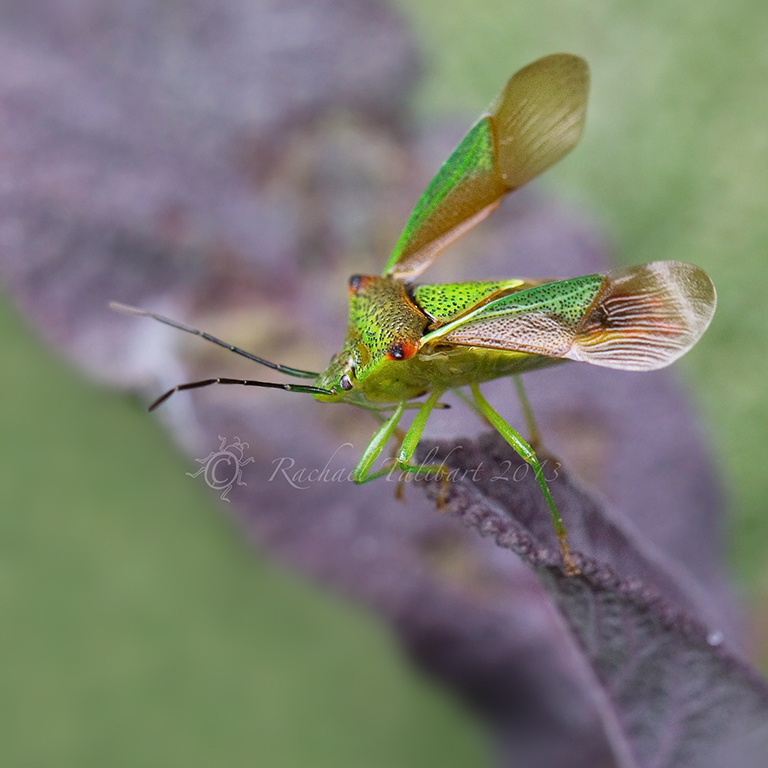
That’s it, I’m off.
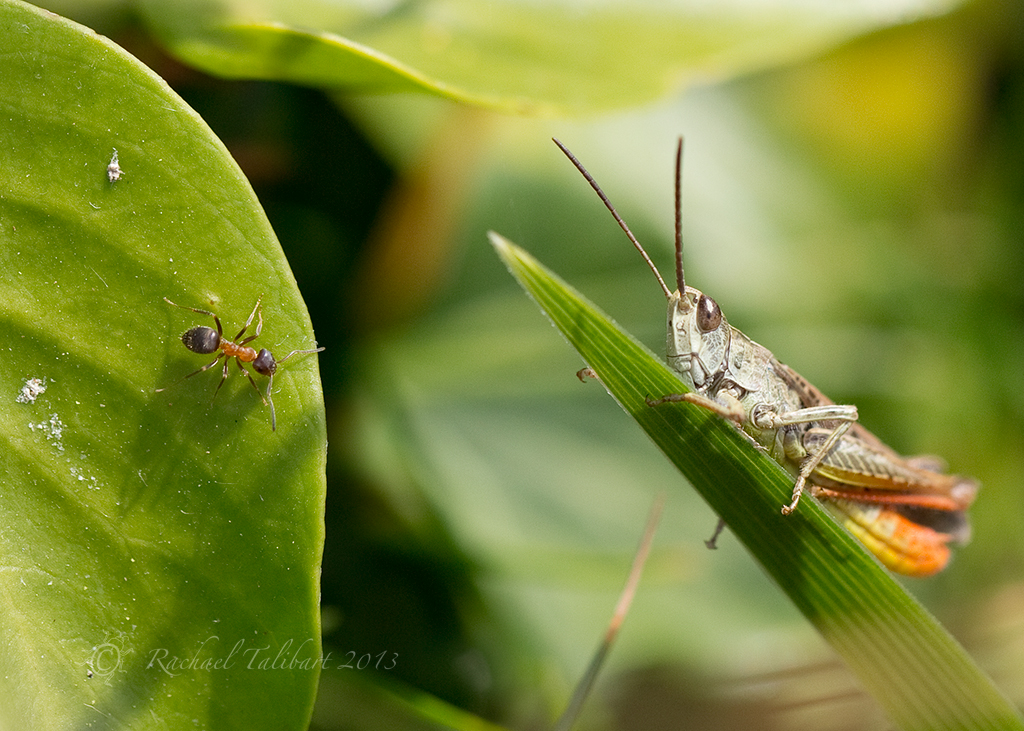
Borg Queen: Brave words. I’ve heard them before, from thousands of species across thousands of worlds, since long before you were created. But, now they are all Borg.
Lieutenant Commander Data: I am unlike any lifeform you have encountered before. The codes stored in my neural net cannot be forcibly removed.
–Star Trek: First Contact (1996)

Which way?
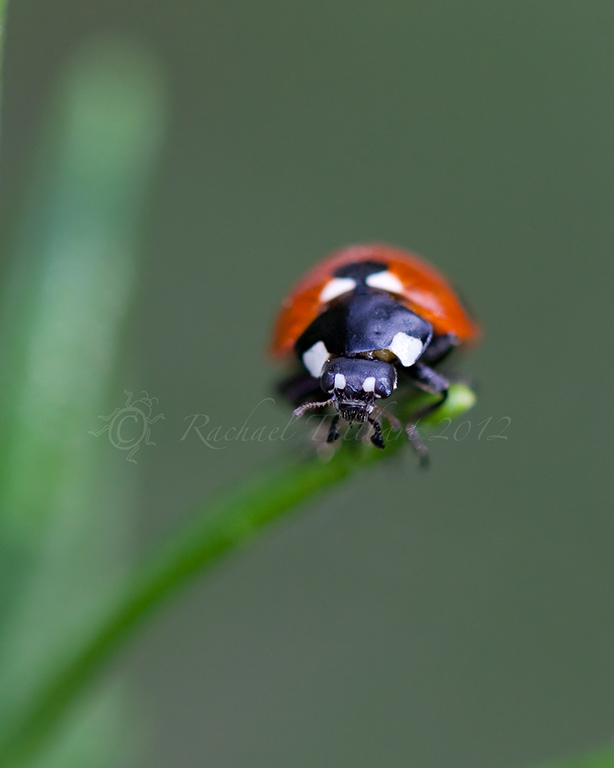
The bad tempered ladybird

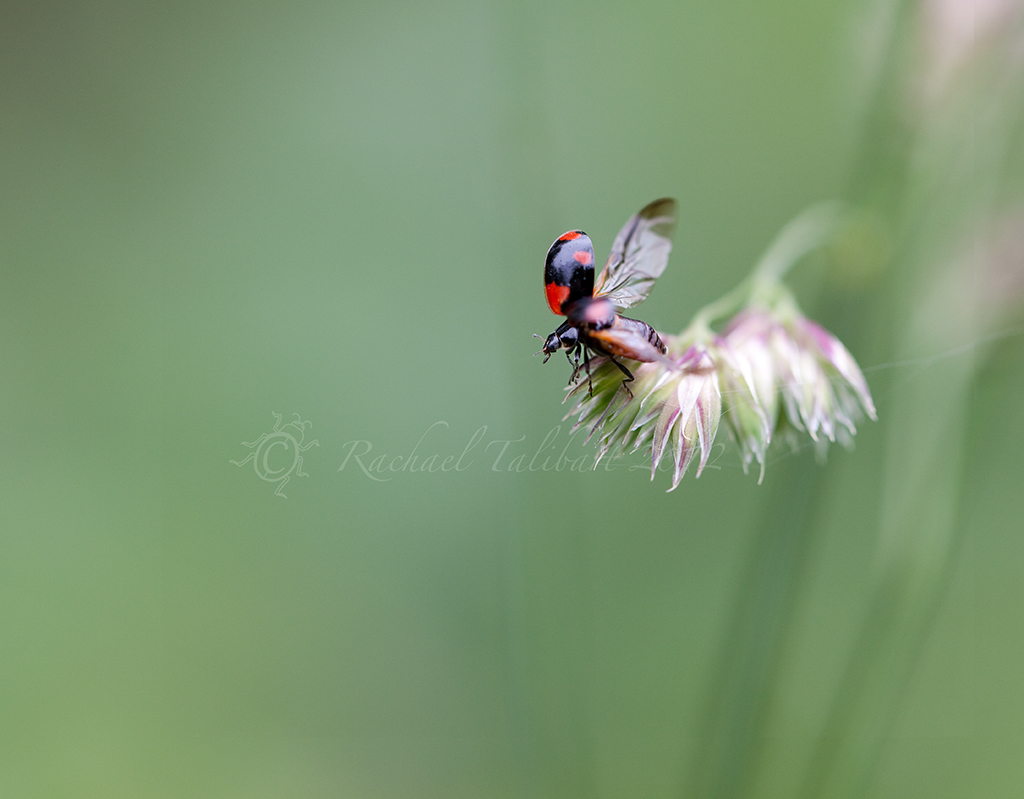
This season, stylish ladybirds wear spots to match their flower.

And for my next trick…
I just want to be left alone
 Focused Moments