A new world beckons

20120522-151652.jpg
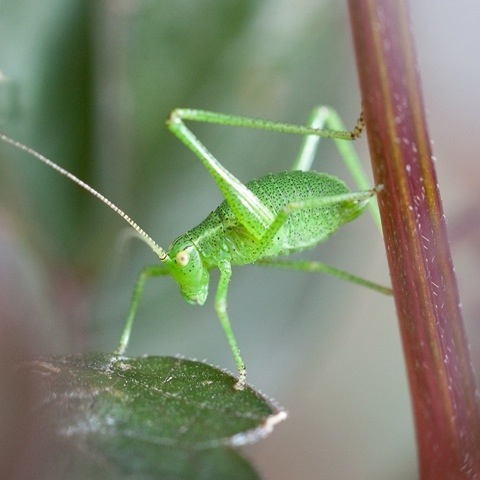
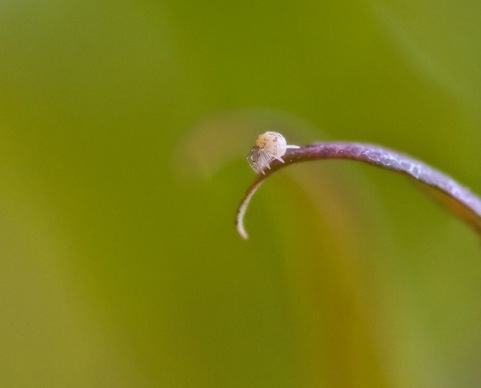
A freshly hatched nymph looks out on a new world.

I was pottering around the herb garden looking for some buggy subjects for my ever-hungry macro lens when I thought I saw a greenfly. Closer observation revealed this pretty little speckled bush cricket nymph. Speckled bush cricket (leptophyes punctatissima) nymphs shed their skins six times. Each version is called an instar. I think this tiny nymph is a newly emerged first instar.

The full adult version, as pictured below, can be found in the garden from about late July onwards. I have found the little nymph in the same place every day since I took its picture. I will follow its progress and try to get some more shots as it grows.

For more information on speckled bush crickets and some super shots see this blog.

20120522-152707.jpg

Macro economics

20120520-120158.jpg

I have found that people often assume that they will not be able to do macro photography without expensive kit. Certainly, I now enjoy using Canon’s 100mm L IS macro lens on the full-frame 5Dii, hardly inexpensive equipment. However, looking back through my macro shots I was surprised how many, fairly decent, images I had achieved before I bought my current kit.

20120520-120639.jpg

Most of the shots in today’s post were taken using my 400D, a fairly old, entry-level DSLR with only 10mpx at its disposal. All of them, except the last one, were taken using the Sigma 50mm f2.8 EX DG Macro, a nice little lens that you can pick up for £250 or less.

20120520-120910.jpg

True macro lenses have a fixed focal length. They are prime lenses and, therefore, usually produce higher image quality than a zoom.

20120520-121051.jpg

A 50mm prime has many uses beyond macro. 50mm is a nice length for portraits, for example. So your macro lens is a good and versatile purchase.

20120520-121234.jpg

I recently read in a photography magazine that anything less than 100mm was too short for shooting insects. Hopefully, this post proves otherwise.

20120520-121440.jpg

Another item often touted as essential for macro work is an expensive flash, usually a ring flash for insects. Not so. All of my macro work is done in natural light.

20120520-121615.jpg

If you are not yet ready to buy a macro lens, there are other options. Extension rings, dioptres, or reverse mounting a regular lens, all achieve good image magnification although handling them well takes some practice.

20120520-121913.jpg

Finally, do not assume that without dedicated macro equipment, close-up work is out of reach. This final shot was taken using a 24-105mm zoom lens.

20120520-122159.jpg

Outdoor macro photography is my favourite genre. You can do it at almost any time of day and it is best when the sun is not shining. Perfect for those of us who live in a country the sun has forgotten and whose other commitments prevent them spending hours waiting for the light at sunset and sunrise.
Are you already a macro fan, or are you thinking of taking it up?

The little bug that could

20120514-203412.jpg

Welcome to the second instalment of my three-part series on the aphid, ant, ladybird relationship. If you don’t like ants, look away now!

20120514-203641.jpg

Less than .5% of the world’s species of ant live in the UK. It is mostly too cold and wet for them, something not difficult to believe given the spring we’re having! By far the most common is the black garden ant, Lasius Niger.
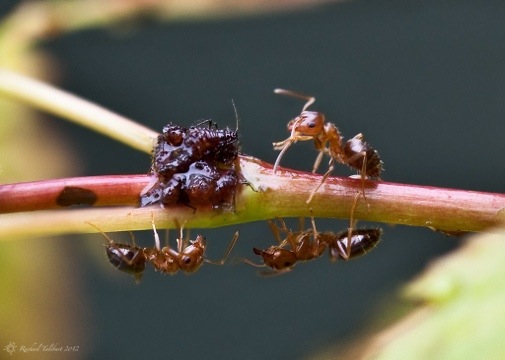
20120514-203743.jpg

These tough, fast, little ants live in colonies of up to 15,000. They eat insects, seeds, nectar and even the bodies of their own dead.

20120515-085529.jpg

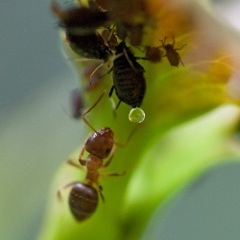
As illustrated in an earlier post, they have a particular liking for the sticky honeydew secreted by aphids and will climb bushes to “herd” aphids, protecting them from predators. They obtain the honeydew by stroking the aphids with their feelers!

20120515-085723.jpg

On certain still, warm days each summer, males and queens will emerge from the nest and take to the wing, mating in flight. The queens then shed their wings and start new nests. The males, their sole purpose fulfilled (if they are lucky), die. Environmental cues lead to all the nests in a locality releasing their males and queens at the same time. This enables inter-nest mating, ensuring genetic diversity.
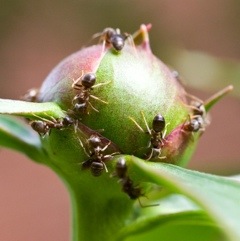
20120515-085824.jpg

The study of ants is called myrmecology. This made me think of Achilles’ myrmidons so I looked up the etymology of the word and learned my new thing for the day! According to myth, Zeus made the Myrmidons from a nest of ants. Another meaning of myrmidon is a faithful follower who carries out orders without question.
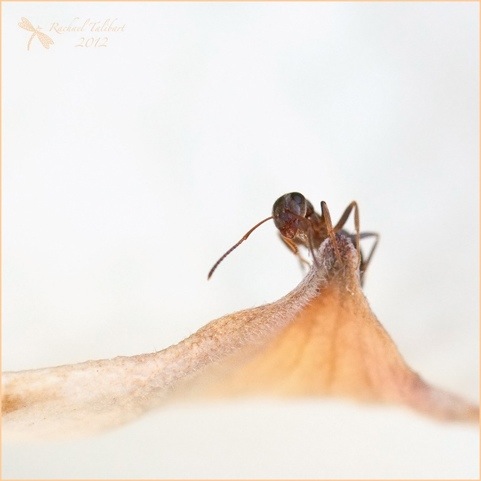
20120515-085903.jpg


“Next time you’re found, with your chin on the ground,
There’s a lot to be learned, so look around.

Just what makes that little old ant
Think he’ll move that rubber tree plant?
Anyone knows an ant, can’t,
Move a rubber tree plant.

But he’s got high hopes, he’s got high hopes,
He’s got high, apple pie, in the sky hopes.

So any time you’re gettin’ low,
‘Stead of letting go,
Just remember that ant,
Oops there goes another rubber tree plant.”

“High Hopes” Cahn/Van Heusen

Aphids of every hue

20120514-093533.jpg

A few weeks ago, I told a story about a conflict between three species of minibeast in my garden. This week, I thought I might take three days to focus on each of those same three species individually. I promise to do something non-buggy on Thursday.
I am starting with the bottom of the food chain, the lowly aphid. The top image is hot off the presses, taken in my garden yesterday. We actually had some sun this weekend! Back to rain today though. Anyway, I call it “Bringing up Baby”. Babysitting is such hard work, especially when the toddler will keep running away from you!

20120514-094154.jpg

Aphids are a lot less attractive in numbers, especially when sucking the life force from one of my rose bushes. The picture above makes me think of sci-fi and contagion-style movies. Euch.

20120514-094403.jpg

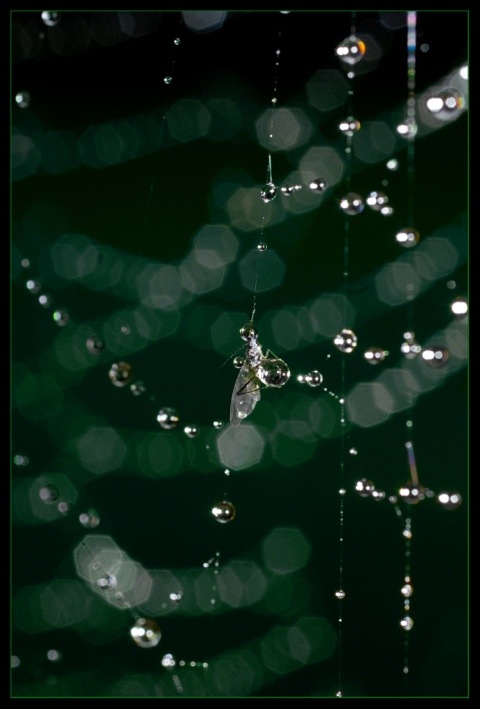
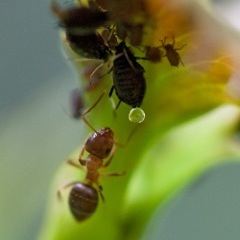
Still, aphids are a vital part of the garden food chain, like the wildebeests or antelopes of the African plains. I call the shot above “The Bubble Trap”. A blackfly is caught in a double trap of web and water droplet.

Here’s another capture of the same doomed aphid:

20120514-094659.jpg

All that is left of the aphid in the next shot is a single wing:

20120514-100721.jpg

Singly, however, the greenfly remains an unexpectedly graceful creature, its delicate form suggesting vulnerability:

“He didn’t want to stop cutting, and hacked away so furiously that he shook with the vibrations, wedged between his two levels of rock, like a greenfly caught between the pages of a book which threatened to slam suddenly shut.”
Emile Zola, Germinal, trans. Peter Collier

20120514-102802.jpg

Tomorrow, it’s the aphid farmer’s turn, the garden ant. I bet you can’t wait. 😉

Painshill

20120424-094538.jpg

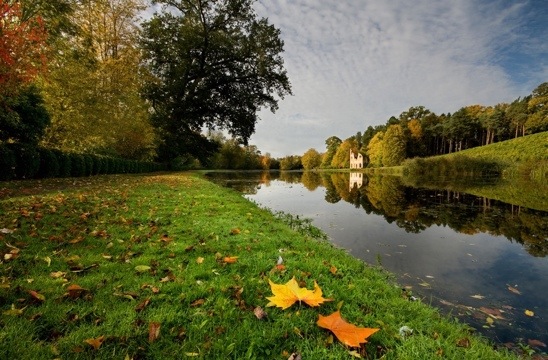
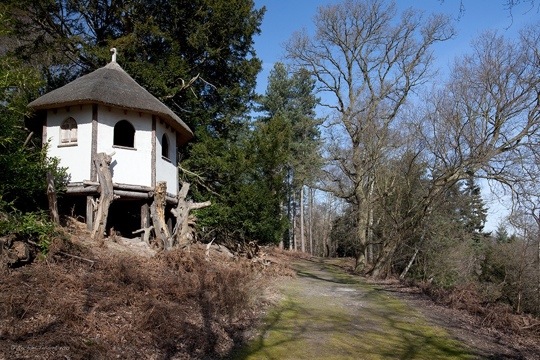
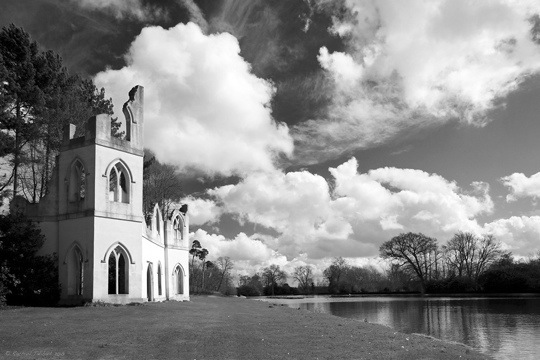
Painshill Park, in Cobham, Surrey, is one of my very favourite local photography locations. An eighteenth century landscape garden, with several ‘follies’ ideally positioned to be ‘picturesque’ in the true sense of the term, it pleases the camera in any season. The top image is a view of the Lake from the Gothic Temple.

20120424-094907.jpg

‘Painshill was created between 1738 and 1773 by the Hon Charles Hamilton, 9th son and 14th child of 6th Earl of Abercorn. A painter, plantsman and brilliantly gifted and imaginative designer, he dedicated his creative genius to the layout and composition of a landscape garden which was unique in Europe and still remains so.’

20120424-095439.jpg

‘Painshill was created as a romantic landscape to stimulate the senses and emotions of the visitor…The gardens were among the earliest to reflect the changing fashion from geometric formality to the naturalistic style.’

20120424-095147.jpg
The ruined abbey catches the morning sun. The use of still water to create reflections was one of the typical elements in landscape gardens of the period.

‘Rescuing and restoring this exceptional Grade I landscape has been very challenging and difficult but ultimately exceedingly rewarding, capped with the award of the rare Europa Nostra Medal in 1998 “for the exemplary restoration from a state of extreme neglect, of a most important 18th century landscape park and its extraordinary buildings”. Painshill Park is of international importance and therefore The Painshill Park Trust now has a long-term aim to become a world heritage site.’
The-Story-of-Painshill

20120424-101927.jpg

The Park is big enough that it never feels crowded. Largely maintained and staffed by volunteers, it is a fascinating and beautiful place to visit.

20120424-102421.jpg

The grotto is another of the follies, and it looks very spooky in fog. Father Christmas holds court inside every year.

20120424-102553.jpg

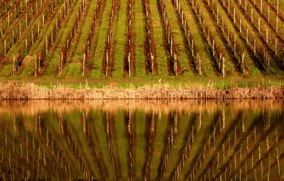
There is even a working vineyard.

20120424-102649.jpg

Wildlife abounds…

20120424-102716.jpg

… from the small…

20120424-102749.jpg

…to the not so small.

If you are ever in the area, Painshill Park is a must see!

20120424-102919.jpg

There are more images in my Flickr set.

Not-so-solitary bees

20120423-102749.jpg

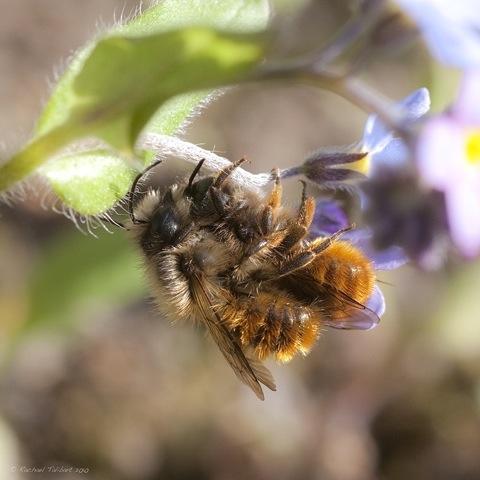
At this time of year there are already many bees busy in the garden but not yet many honey bees. The bumble bees are around, fat, noisy and fairly recognisable. But there are also a lot of solitary bees. In Britain we have more than 250 types of solitary bee, bees that have single nest cells rather than communal hives.
With so many types, I am not going to try to identify the subjects of today’s photographs. To know more, try here. Suffice it to say that solitary bees do have to get together occasionally to obey one particular biological imperative!

20120423-104029.jpg

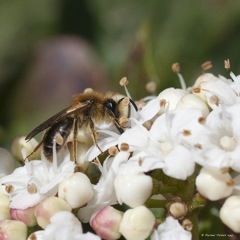
And, just to prove that they do appear in ones:

20120423-104128.jpg

The shepherds and the wolf

A story in photographs.
(If you don’t like bugs you may want to look away now!)

20120417-122242.jpg

I took this image in my garden last summer. It is part of a story I told with my camera on Flickr over a few days. Here’s the whole thing:

20120417-122426.jpg
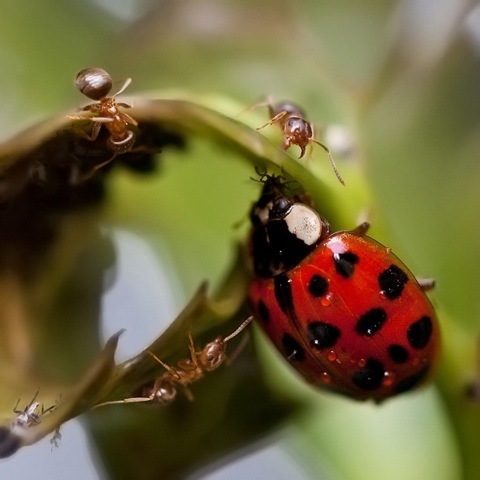
Some species of ant ‘milk’ aphids by stroking them with their antennae. This encourages the aphids to secrete a sticky substance known as honeydew which the ants eat. Here an ant is caught in the act of doing just that. The ants tend their aphid herds like shepherds, protecting them from predators.

20120417-123255.jpg
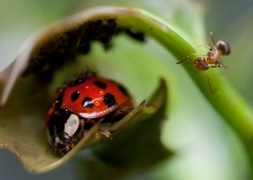
The next day a visitor has appeared. A hungry ladybird (ladybug to my American friends) can think of nothing better than this ready-prepared banquet of its favourite food, aphids. An angry ant-shepherd glares at this wolf in the fold.

20120417-123511.jpg
A day later and the voracious ladybird is still laying siege to aphid city. The ant shepherd has brought in reinforcements but to no avail. The ladybird is like a Sherman tank and angry looks just aren’t going to work. If you look closely you can see an aphid’s legs sticking out of the ladybird’s mouth.

20120417-123709.jpg
Another day later and the shepherds appear to have given up and left their flock to their fate. However, that is not the end of the story. The next day, there was no sign of the ladybird and the ants were back tending their flock as if nothing had ever happened.

Of course, really one should not anthropomorphise animals, but sometimes it is just too tempting.

The best outdoor studio ever

20120412-145054.jpg
Parakeets at sunset

20120412-145418.jpg
Incoming

On this day ten years ago we moved into our home. The house didn’t need much doing to it but the garden had only a few mature trees and shrubs, a mossy lawn and weeds galore. Over the years we have added interest, planting with wildlife in mind. Now ninety percent of my macro shots are taken in our garden. It is the best studio I could have, and literally on my doorstep. As I type this, a pair of blackbirds with nesting materials clamped in their beaks are flying to and from the climbing rose outside the kitchen window. An early brood of robins has already hatched in the front garden hedge and the coal tits are busy in their usual nesting spot out back. Every evening this week I have heard a hedgehog in the back garden. The borders already buzz with bumble bees and hoverflies and the other day a bee fly briefly hovered over my page, its characteristic long proboscis stretched out like a mini, and furry, concord!
All of the pictures in today’s post were taken in my garden.

20120412-144619.jpg
Falling

20120412-144742.jpg
Bee fly (bombylius major)