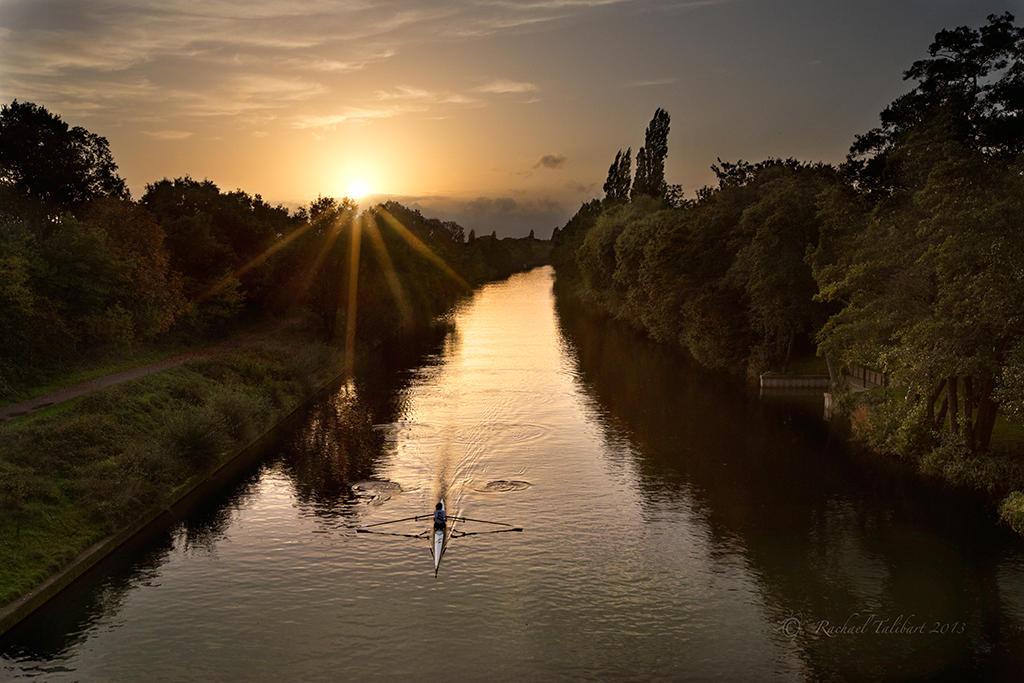
Where the quiet-coloured end of evening smiles
Miles and miles.
-Robert Browning, ‘Love among the Ruins’ (1855)

Where the quiet-coloured end of evening smiles
Miles and miles.
-Robert Browning, ‘Love among the Ruins’ (1855)

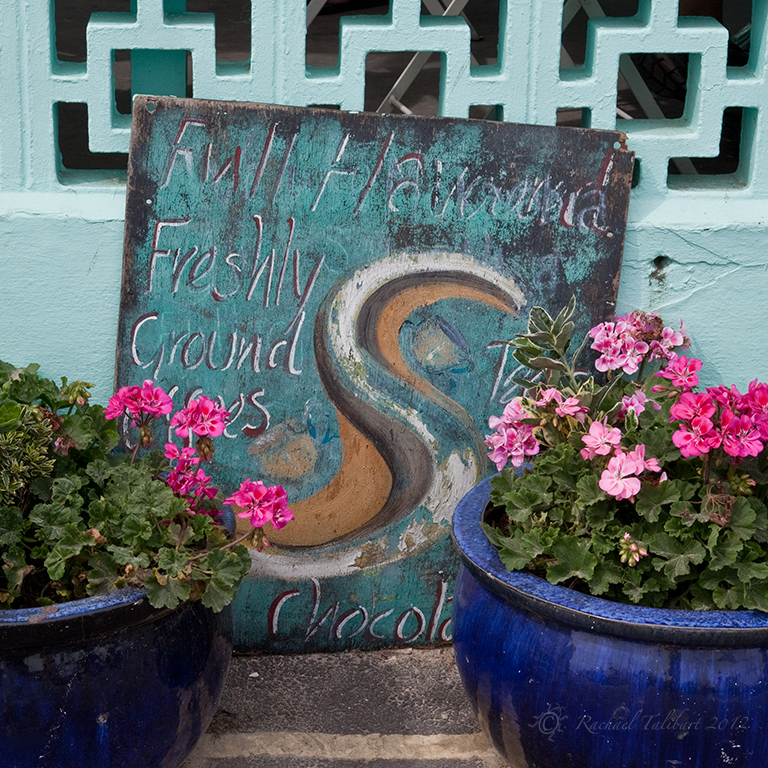
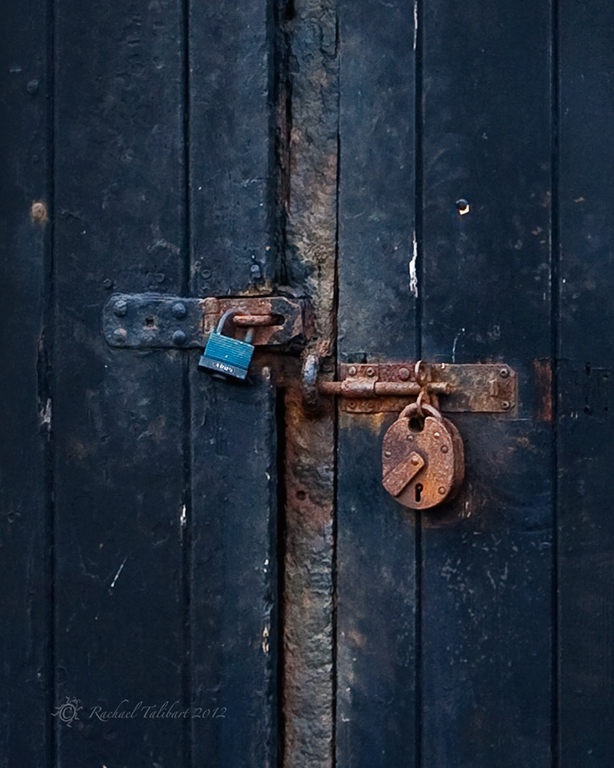
Lyme Regis, on Dorset’s Jurassic Coast, is one of my favourite towns. One morning in August last year I left my family enjoying the sandy beach and went hunting for images. I have shared some of my larger compositions in earlier posts, but I also snapped up some details, trying to capture some of the textures of the harbour.

Can you see a face?




16mm, f22, 1/3, ISO 100
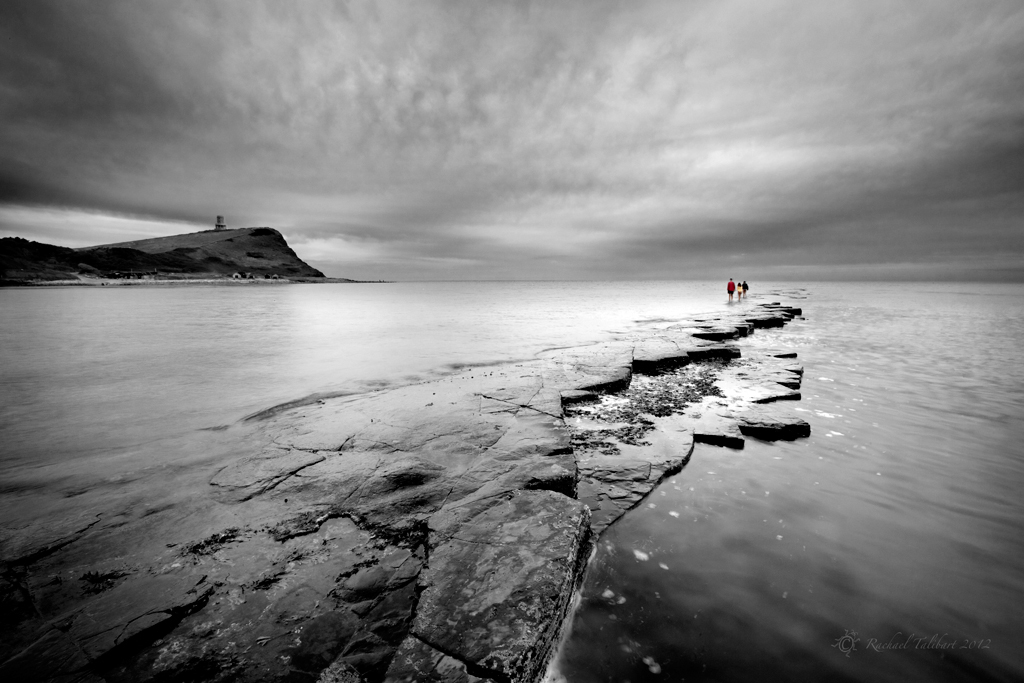
Mostly I go for a naturalistic approach but sometimes it’s fun to play around with black and white, and a little bit of colour. Kimmeridge Bay is on Dorset’s Jurassic Coast. It is best known as a ‘honeypot’ location for spectacular sunset and sunrise shots. But what can you do when the weather doesn’t co-operate? Give it up as a bad job or try for something a little more creative? Some of my other images from this shoot are here, here and here.
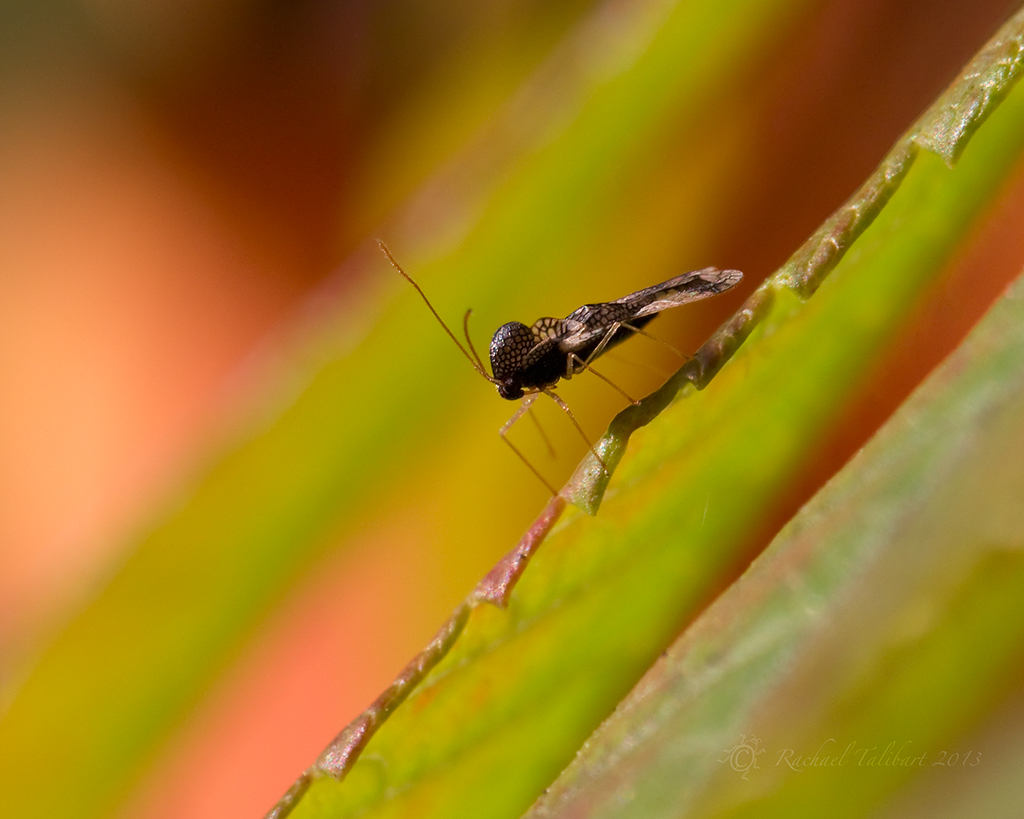
100mm , f13, 1/200, ISO 800
This bizarre creature is a lace bug, probably stephanitis rhododendri, which is bad news for the rhododendrons and azaleas in my garden. Or it might be stephanitis takeyai, which is bad news for the pieris in my garden. So it is bad news for me as a gardener either way! I don’t know why it was posing in my sumac tree instead of one of its preferred meals, but I thought the colours worked rather nicely.
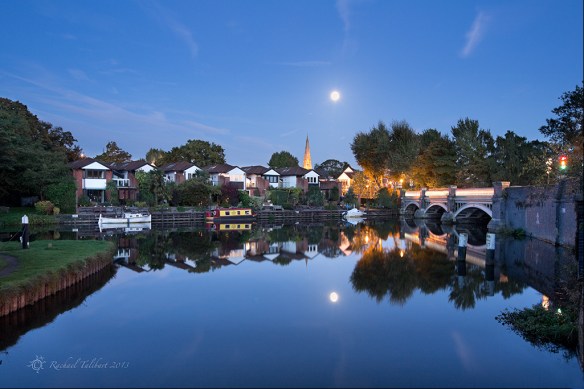
27mm, f8, three bracketed exposures at 10, 20 and 30 seconds, ISO 400. Circ. polariser, tripod, remote shutter release.
I went out to shoot the sunset but the moon took over.
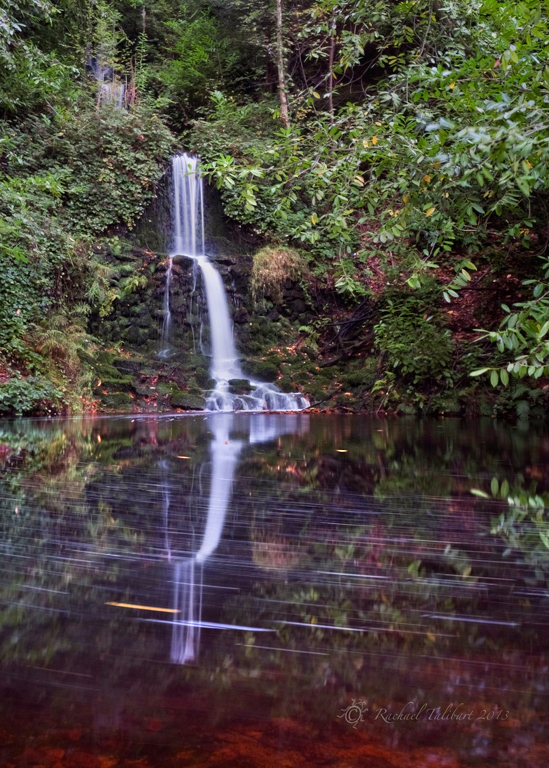
A couple of weeks ago, I was contacted by a photographer, Jenifer Bunnett, based in Surrey who had found me on the internet and suggested we might go out on photo safaris together. We met up for a coffee and a chat and found we hit it off. Jen is a super photographer whose interests are similar to mine. On Tuesday we had our first adventure together. I have already posted my shots of fungi from the woods around Friday Street in the Surrey Hills. However, our main quarry was this waterfall, something Jenifer had read about but hadn’t yet found. It seemed to be something of a secret, mentioned mysteriously on the internet but without directions. It turned out, to my surprise, that I had been there, several years ago, on a family hike. Surrey isn’t known for its waterfalls, but this one is pretty and tranquil – we had it to ourselves. Although most of the trees around it are laurel, and so evergreen, we did notice a few birches so a return visit in a couple of weeks is very much on the cards.
If you are interested, do visit Jen’s website and/or her Facebook page.
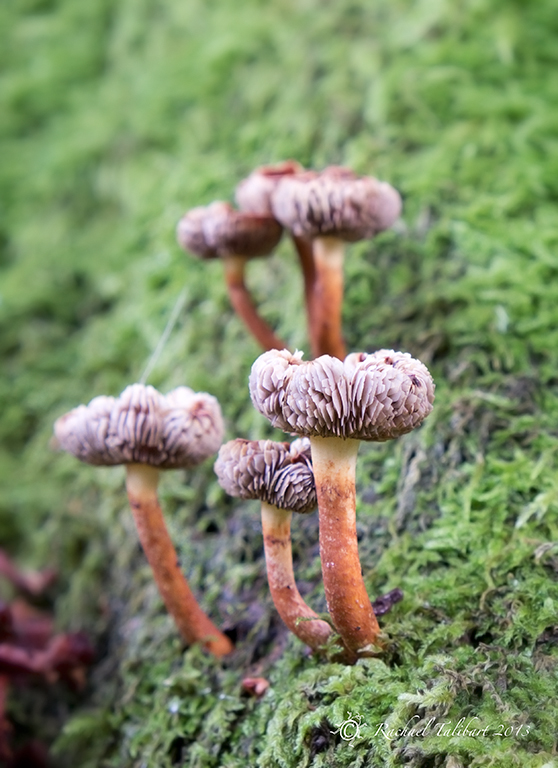
55mm, f7.1, 1/25, ISO 800
It’s a grey, drizzling day here, the sort of weather that people imagine when they think of England. A day for editing images rather than shooting them.

55mm, f8, 1/40, ISO 800
I hope you can forgive yet another mushroom-related post. There were so many toadstools and other fungi in the woods near Friday Street yesterday. I snapped a few of the nicest, or strangest, depending on your point of view.
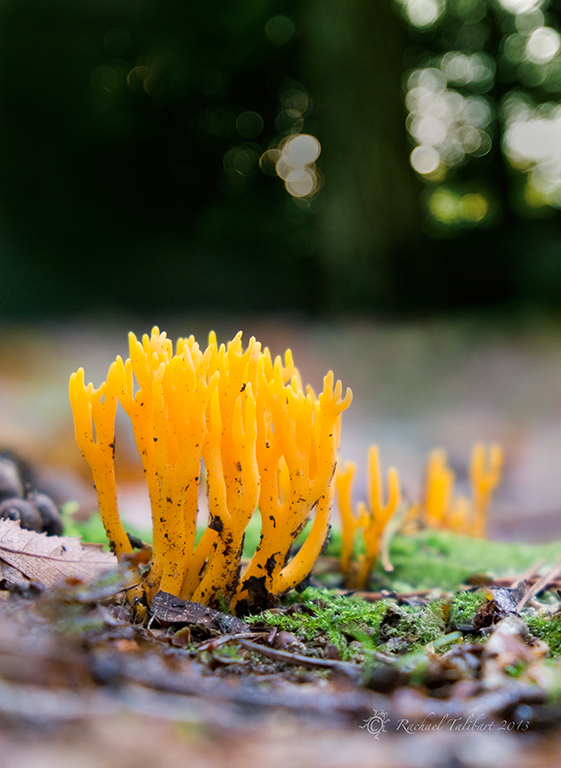
55mm, f4, 1/150, ISO 800
The last couple of days have been bad back days so I only had my little Fuji along. But it coped well with pretending, using the 18-55mm kit lens, to be a macro shooter.
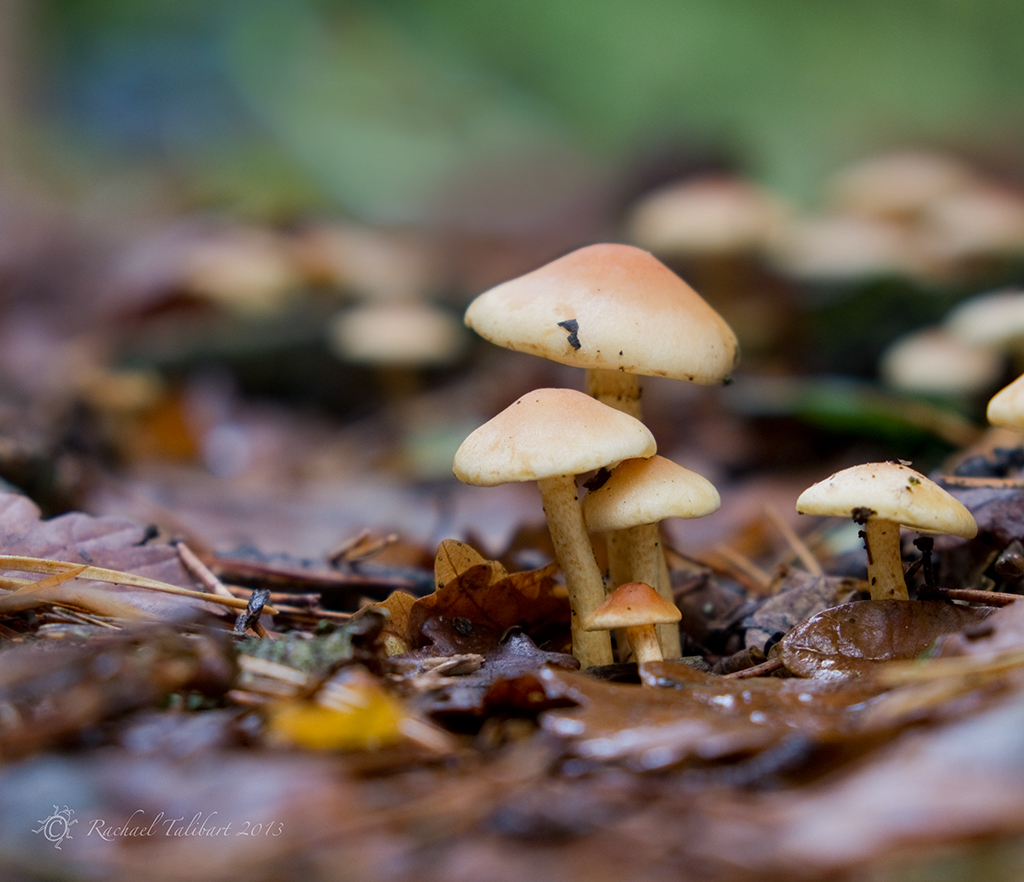
55mm, f 4.5, 1/80, ISO 800
One or two of the mushrooms were kind enough to pose above ground level.
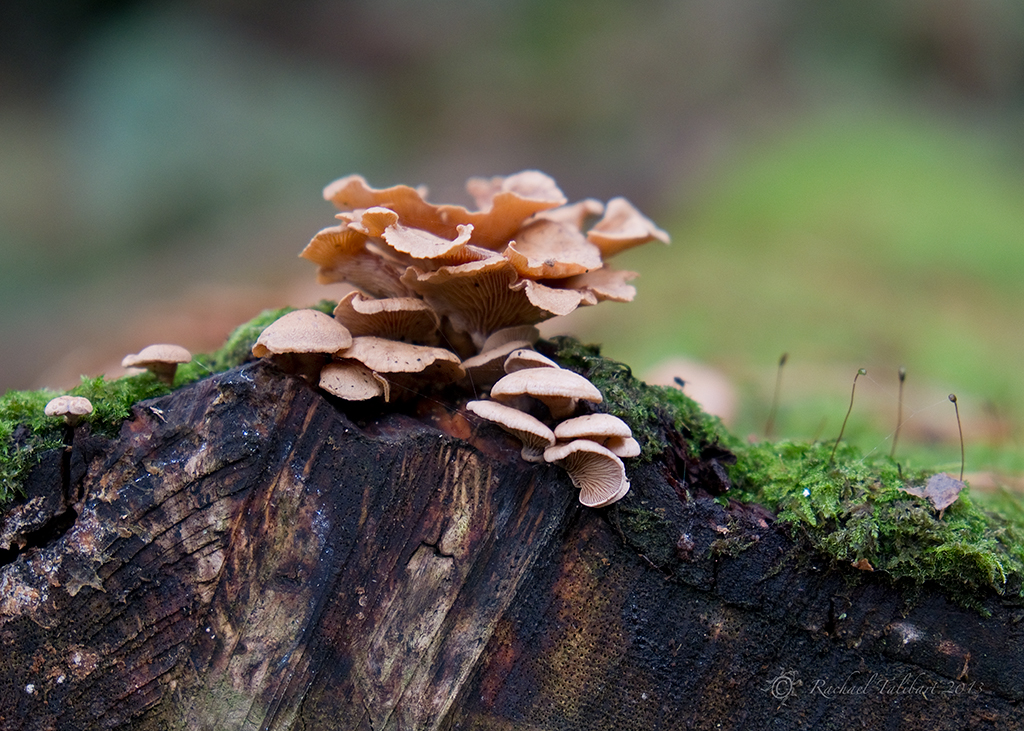
55mm, f4.5, 1/60, ISO 800
Using a wider lens than I would normally gave me the chance to try something a little different from my usual shallow depth of field, isolated subject, loads of bokeh style. In the shot below I wanted to make more of an environmental shot, using the log to lead the eye into the frame.

18mm, f5, 1/40, ISO 1600
It was while I was taking that shot that I noticed the cute little toadstool posing on top of the log featured in my post yesterday. Here it is a bit closer. Well, I couldn’t keep the bokeh at bay for long.
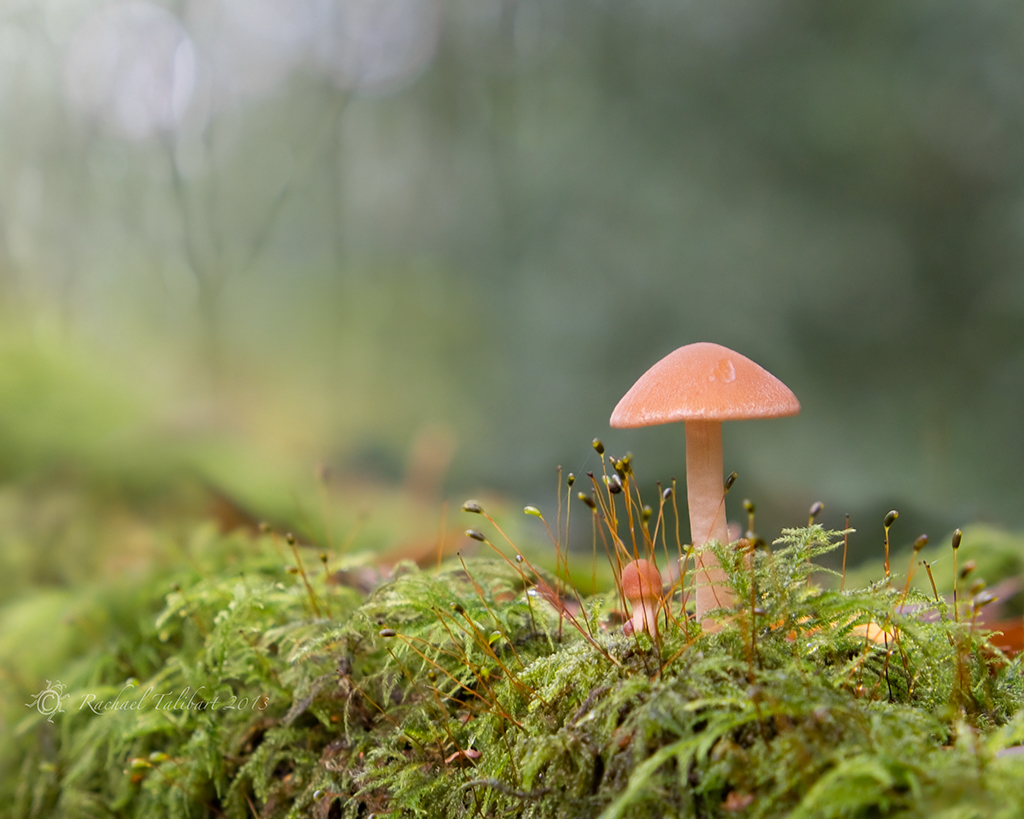
55mm, f7.1, 1/12, ISO 800
Despite having now edited all of the images from the shoot, the image I posted yesterday remains my favourite of the day. But I have made a better edit of it, muting some of the brightest highlights in the background.
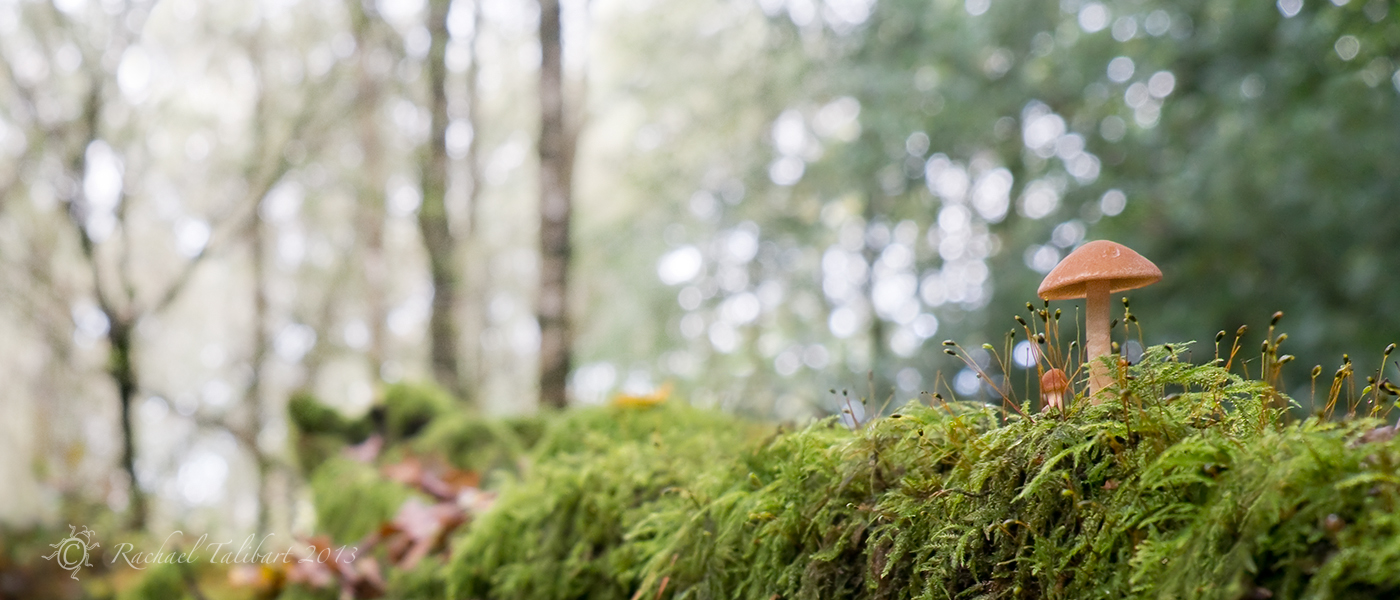
18mm, f.5, 1/50, ISO 1600
Tomorrow, one more secret of the forest, but not a mushroom in sight.
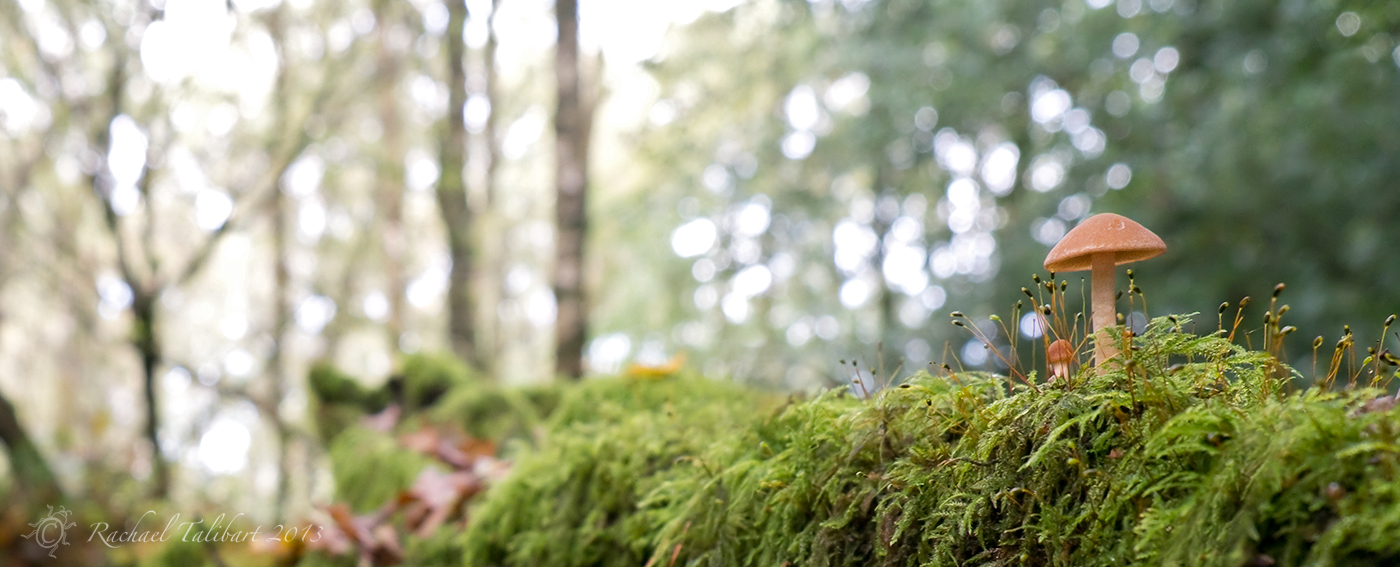
A lovely photoshoot this morning in the woods near Friday Street in the Surrey Hills. So many toadstools and other assorted fungi. This little mushroom was one of my favourites. More to follow soon.
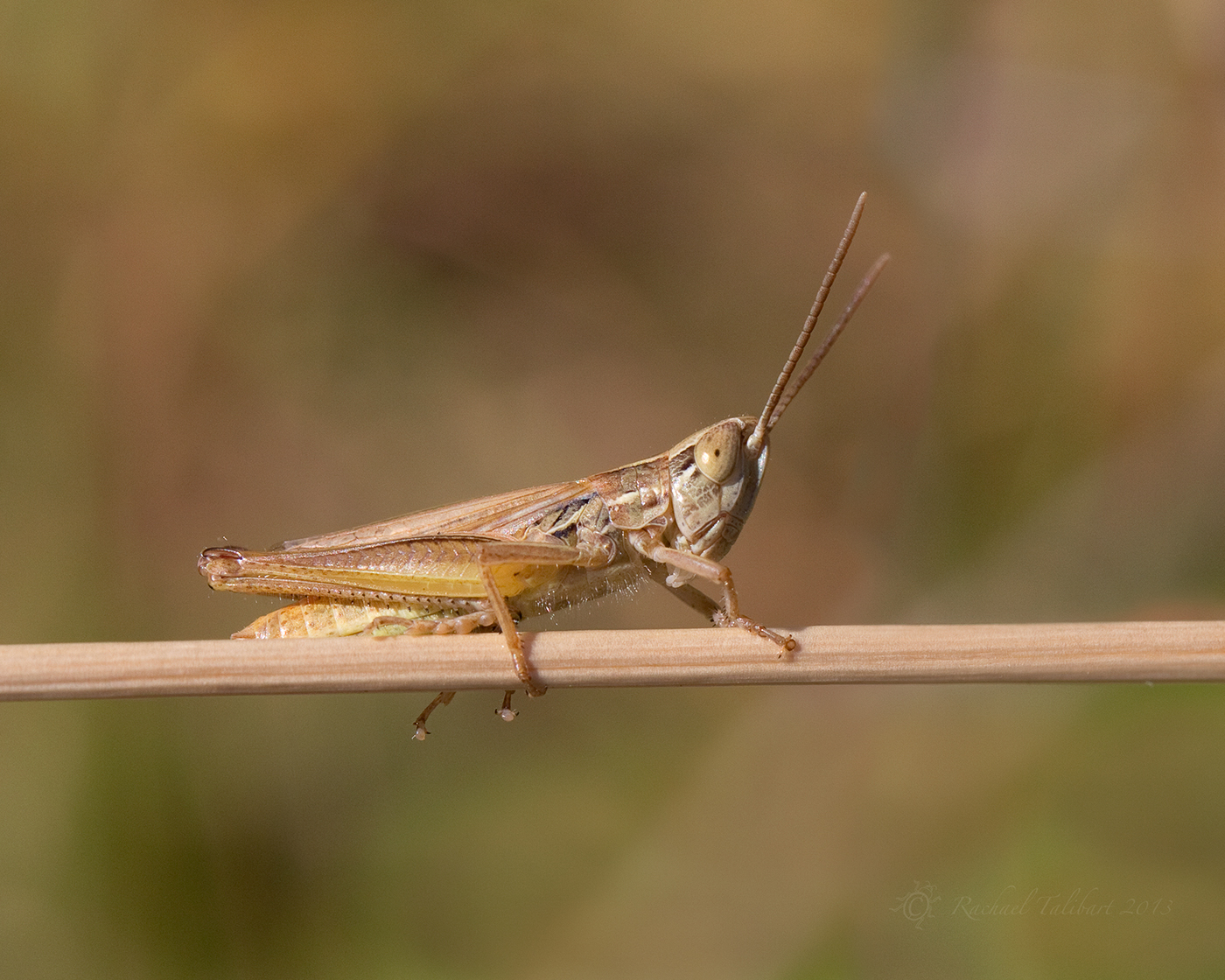
f.8, 1/640, ISO 400, 100mm
Master Po: Do you hear the grasshopper that is at your feet?
Young Caine: [looking down and seeing the insect] Old man, how is it that you hear these things?
Master Po: Young man, how is it that you do not?
-Kung Fu, Pilot episode (1972)
(Sorry, I couldn’t resist!)

In August we spent a week in Mudeford, Dorset. On the day we arrived it rained without respite. I knew that the next day would be my best bet for a decent sunset; the light is almost always at its best after heavy rain. So I headed down to the harbour edge and scouted around for a composition. At first, I wasn’t sure if I would be in luck but, as the sun started to dip below the horizon, things started to get interesting.

I often find that the best shots happen just after the sun has set. Then it throws its rays up into the atmosphere, catching the undersides of clouds and, if you are lucky, bathing them in pink.

Mudeford is at the mouth of Christchurch Harbour, a natural harbour just on the Dorset side of the Dorset/Hampshire border, with the New Forest National Park and the Jurassic Coast World Heritage Site practically on the doorstep. We loved it there and will definitely be back, soon.

There has lately been some interest in seeing my shooting and processing data. All of these shots were taken at 16mm, ISO 100 and f.16 using 2/3 bracketed RAW exposures ranging from 1/8 to 2.5 seconds, with tripod, remote release and circ. polariser. Blended in CS4 using layer masks. Correction of lens distortion also in CS4. Colours straight out of camera.
 Focused Moments