
In small proportions we just beauties see;
And in short measures, life may perfect be.
Ben Jonson, The Underwood (1640)

In small proportions we just beauties see;
And in short measures, life may perfect be.
Ben Jonson, The Underwood (1640)

Our summer holiday this year will be spent at Lyme Regis, a lovely little town on the coast of Dorset. It is steeped in history and features in Jane Austen’s Persuasion:
the principal street almost hurrying into the water, the Walk to the Cobb, skirting round the pleasant little bay, which, in the season, is animated with bathing machines and company…are what the stranger’s eye will seek
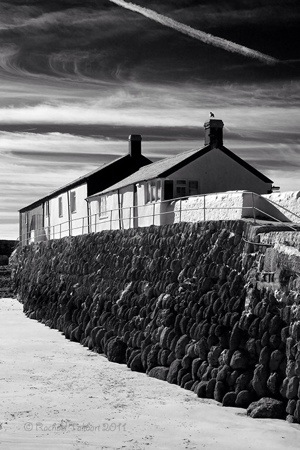
The Cobb is Lyme Regis’s famous harbour wall. In Persuasion, one of the characters takes a tumble off the Cobb. In a later novel, The French Lieutenant’s Woman, John Fowles immortalised “quite simply the most beautiful sea rampart on the south coast of England”.

Lyme Regis is on The Jurassic Coast, a World Heritage Site for its wealth of fossils from the Jurassic period. It was here that Mary Anning (1799-1847) discovered, at the tender age of twelve, the first complete ichthyosaur. She went on to become a renowned palaeontologist when the science was in its infancy. Lyme Regis Museum, a fascinating place to visit in its own right, is built on the site of Mary’s home.


“…breakfast rated just after life itself and ahead of the chance of immortality.”
Robert A. Heinlein, By His Bootstraps

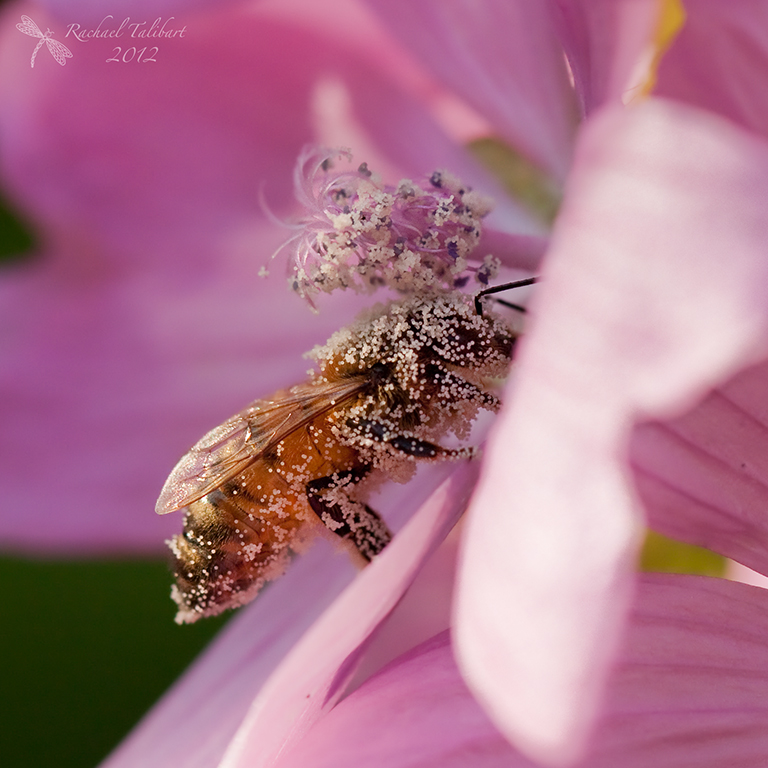
For so work the honey bees,
Creatures that by a rule in nature teach
The act of order to a peopled kingdom.
They have a king, and officers of sorts,
Where some like magistrates correct at home;
Others like merchants venture trade abroad;
Others like soldiers, armed in their stings,
Make boot upon the summer’s velvet buds,
Which pillage they with merry march bring home
To the tent-royal of their emperor;
Who, busied in his majesty, surveys
The singing masons building roofs of gold,
The civil citizens kneading up the honey,
The poor mechanic porters crowding in
Their heavy burdens at his narrow gate,
The sad-ey’d justice, with his surly hum,
Delivering o’er to executors pale
The lazy yawning drone.
William Shakespeare, Henry V, I.ii


With perseverance the snail reached the ark.
Charles Haddon Spurgeon
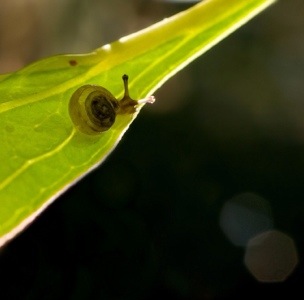
The year’s at the spring
And day’s at the morn;
Morning’s at seven;
The hillside’s dew-pearled;
The lark’s on the wing;
The snail’s on the thorn;
God’s in his heaven –
All’s right with the world!
Robert Browning


What is Death?
Death is nothing at all.
I have only slipped away into the next room.
I am I and you are you.
Whatever we were to each other,
that we still are.Call me by my old familiar name.
Speak to me in the easy way
which you always used.
Put no difference in your tone.
Wear no forced air of solemnity or sorrow.Laugh as we always laughed
at the little jokes we enjoyed together.
Play, smile, think of me, pray for me.
Let my name be ever the household word
that it always was.
Let it be spoken without affect,
without the trace of a shadow on it.Life means all that it ever meant.
It is the same that it ever was.
There is absolutely unbroken continuity.
Why should I be out of mind
because I am out of sight?I am waiting for you,
for an interval,
somewhere very near,
just around the corner.All is well.
~ Henry Scott Holland
Please note, I have not recently suffered a bereavement. I admire this poem and wanted to take an image to fit it.
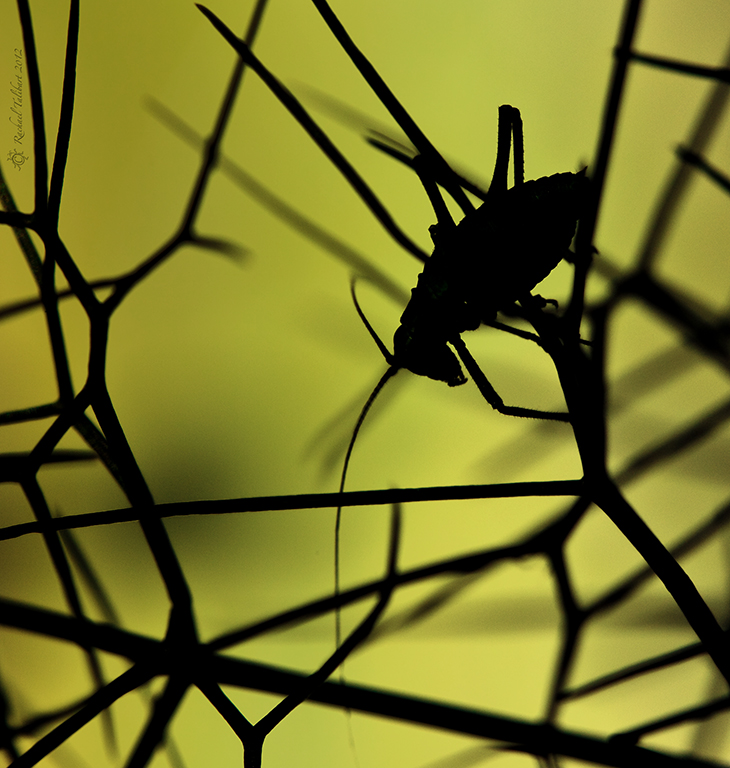
Regular readers will know that I have been following the antics of some speckled bush cricket nymphs in my garden. From cute first hatchling through inquisitive early instar stages to greedy adolescence and approaching adulthood. And what do I get as a reward for bringing them fame and adulation? Plants with holes! I counted at least 25 of the devils out there yesterday, nibbling away at my carefully nurtured dahlias. Have they no gratitude? The youth of today (sigh)! So a suitably more sinister image of one of the little monsters today. And now I have a dilemma…
Whoever struggles with monsters might watch that he does not thereby become a monster. And when you stare into an abyss for a long time, the abyss also stares into you.
Friedrich Wilhelm Nietzsche Beyond Good and Evil (1886)
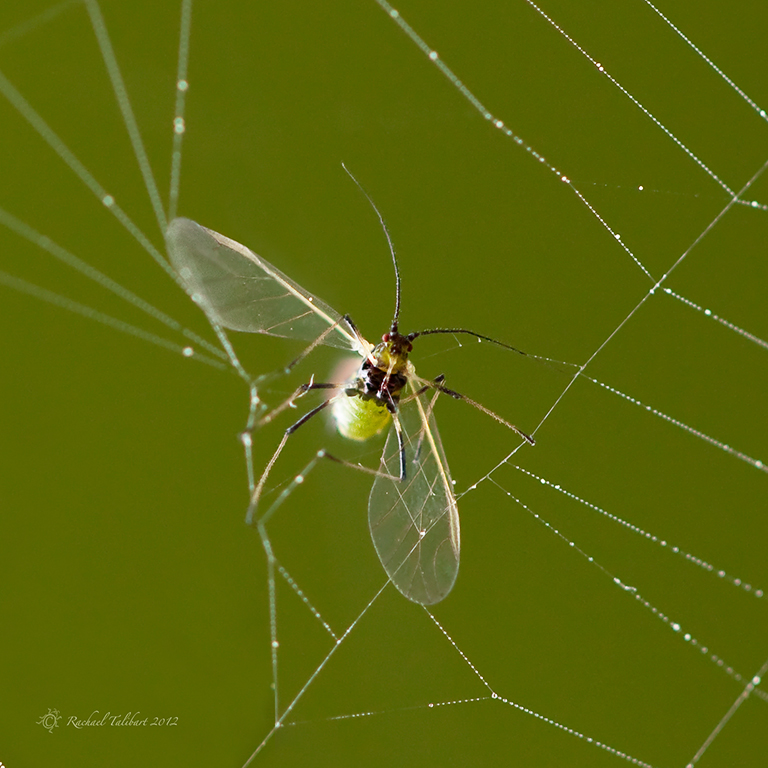
An aphid caught in a web awaits its doom.

Dar’st thou die?
The sense of death is most in apprehension;
And the poor beetle that we tread upon
In corporal sufferance finds a pang as great
As when a giant dies.
William Shakespeare, Measure for Measure, III.i

I offer this shot not for its quality but because it reflects the “summer” we are having in England this year! The conclusion to one of my very favourite plays seems a fitting quote. Obviously written by an Englishman. 😉
When that I was and a little tiny boy,
With hey, ho, the wind and the rain,
A foolish thing was but a toy,
For the rain it raineth every day.But when I came to man’s estate,
With hey, ho, the wind and the rain,
‘Gainst knaves and thieves men shut their gate,
For the rain it raineth every day.But when I came, alas! to wive,
With hey, ho, the wind and the rain,
By swaggering could I never thrive,
For the rain it raineth every day.But when I came unto my beds,
With hey, ho, the wind and the rain,
With toss-pots still had drunken heads,
For the rain it raineth every day.A great while ago the world begun,
With hey, ho, the wind and the rain,
But that’s all one, our play is done,
And we’ll strive to please you every day.
William Shakespeare, Twelfth Night, V.i

“Will you walk into my parlour?” said the Spider to the Fly,
“‘Tis the prettiest little parlour that ever you did spy;
The way into my parlour is up a winding stair,
And I’ve a many curious things to shew when you are there.”
“Oh no, no,” said the little Fly, “to ask me is in vain,
For who goes up your winding stair can ne’er come down again.”
“I’m sure you must be weary, dear, with soaring up so high;
Will you rest upon my little bed?” said the Spider to the Fly.
“There are pretty curtains drawn around; the sheets are fine and thin,
And if you like to rest awhile, I’ll snugly tuck you in!”
“Oh no, no,” said the little Fly, “for I’ve often heard it said,
They never, never wake again, who sleep upon your bed!”
Said the cunning Spider to the Fly, ” Dear friend what can I do,
To prove the warm affection I’ve always felt for you?
I have within my pantry, good store of all that’s nice;
I’m sure you’re very welcome — will you please to take a slice?”
“Oh no, no,” said the little Fly, “kind Sir, that cannot be,
I’ve heard what’s in your pantry, and I do not wish to see!”
“Sweet creature!” said the Spider, “you’re witty and you’re wise,
How handsome are your gauzy wings, how brilliant are your eyes!
I’ve a little looking-glass upon my parlour shelf,
If you’ll step in one moment, dear, you shall behold yourself.”
“I thank you, gentle sir,” she said, “for what you’re pleased to say,
And bidding you good morning now, I’ll call another day.”
The Spider turned him round about, and went into his den,
For well he knew the silly Fly would soon come back again:
So he wove a subtle web, in a little corner sly,
And set his table ready, to dine upon the Fly.
Then he came out to his door again, and merrily did sing,
“Come hither, hither, pretty Fly, with the pearl and silver wing;
Your robes are green and purple — there’s a crest upon your head;
Your eyes are like the diamond bright, but mine are dull as lead!”
Alas, alas! how very soon this silly little Fly,
Hearing his wily, flattering words, came slowly flitting by;
With buzzing wings she hung aloft, then near and nearer drew,
Thinking only of her brilliant eyes, and green and purple hue –
Thinking only of her crested head – poor foolish thing! At last,
Up jumped the cunning Spider, and fiercely held her fast.
He dragged her up his winding stair, into his dismal den,
Within his little parlour – but she ne’er came out again!
And now dear little children, who may this story read,
To idle, silly flattering words, I pray you ne’er give heed:
Unto an evil counsellor, close heart and ear and eye,
And take a lesson from this tale, of the Spider and the Fly.
Mary Howitt, ‘The Spider and the Fly’ (1829)
 Focused Moments