
“The sun is coming down to earth, and the fields and the waters shout to him golden shouts.”
George Meredith, The Ordeal of Richard Feverel (1859)

“The sun is coming down to earth, and the fields and the waters shout to him golden shouts.”
George Meredith, The Ordeal of Richard Feverel (1859)
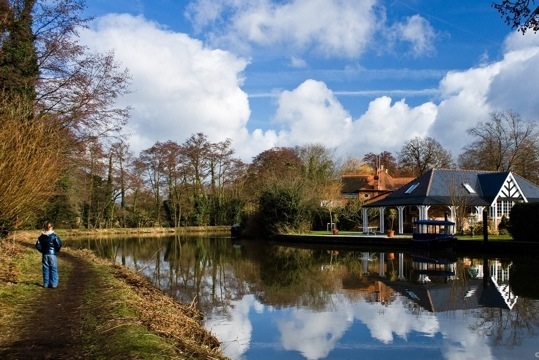
A short post today. This scene was taken on my local stretch of the Wey Navigation, a historic waterway that runs for 20 miles between Weybridge and Goldalming, Surrey. Last year I published a series of articles about the Navigation in some local magazines. The text (and some more images) of the first article which includes this picture is here. I will do a more detailed post on the Navigation, its history and wildlife, this weekend.
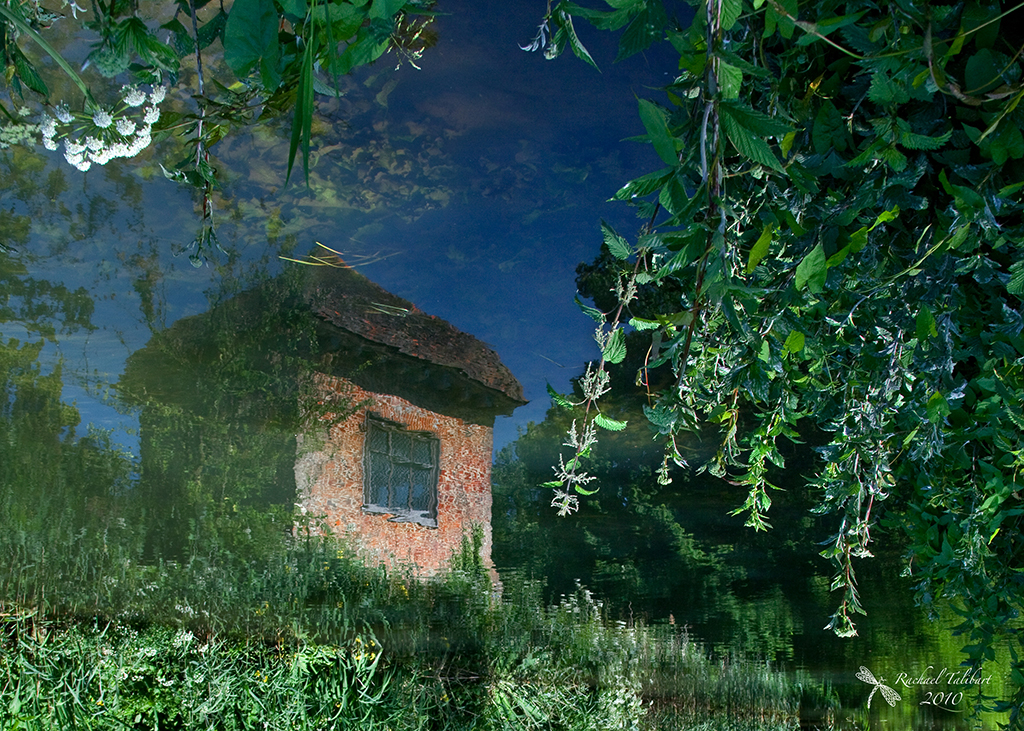
Last year I published a series of articles in some local magazines about the Wey Navigation, a historic waterway that runs for 20 miles from the Thames at Weybridge to Godalming, in Surrey, England. I thought I might occasionally feature excerpts from the series in this blog. Today’s excerpt is about one of the many interesting historical landmarks that can be seen from the towpath. This small brick tower can be found on the stretch between Pyrford Lock and Walsham Gates near the village of Ripley. It is an attractive and unusual structure, fourteen feet square, two storeys high with a first floor entrance and a distinctive ogee-pitched roof. Known as the ‘Summer House’, it bears a blue plaque declaring that: ‘John Donne, Poet and Dean of St.Pauls, lived here 1600-1604’. The story of the romantic runaways is about Donne and his passion for Ann More.

Donne had fallen in love with Ann, the daughter of Sir George More of Loseley Park near Guildford. Ann’s family was too important for her to be permitted to marry Donne so the lovers eloped, when Ann was only 17. This caused a scandal and Sir George organised a search for the runaways. Once they were found, Sir George had Donne thrown into London’s Fleet Prison. On his release, he and Ann were given shelter at Pyrford Place, the home of Sir Francis Wolley, a friend of Donne’s. Sir Francis eventually managed to engineer a reconciliation with Sir George. John and Ann Donne lived at Pyrford Place for a further two years and had the first of their twelve children there. Ann and children lived there for another year while Donne travelled, before the whole family moved to their own home in 1606. It is said that, such was his love for Ann, Donne never got over his grief when she died (having 12 children took its toll!).
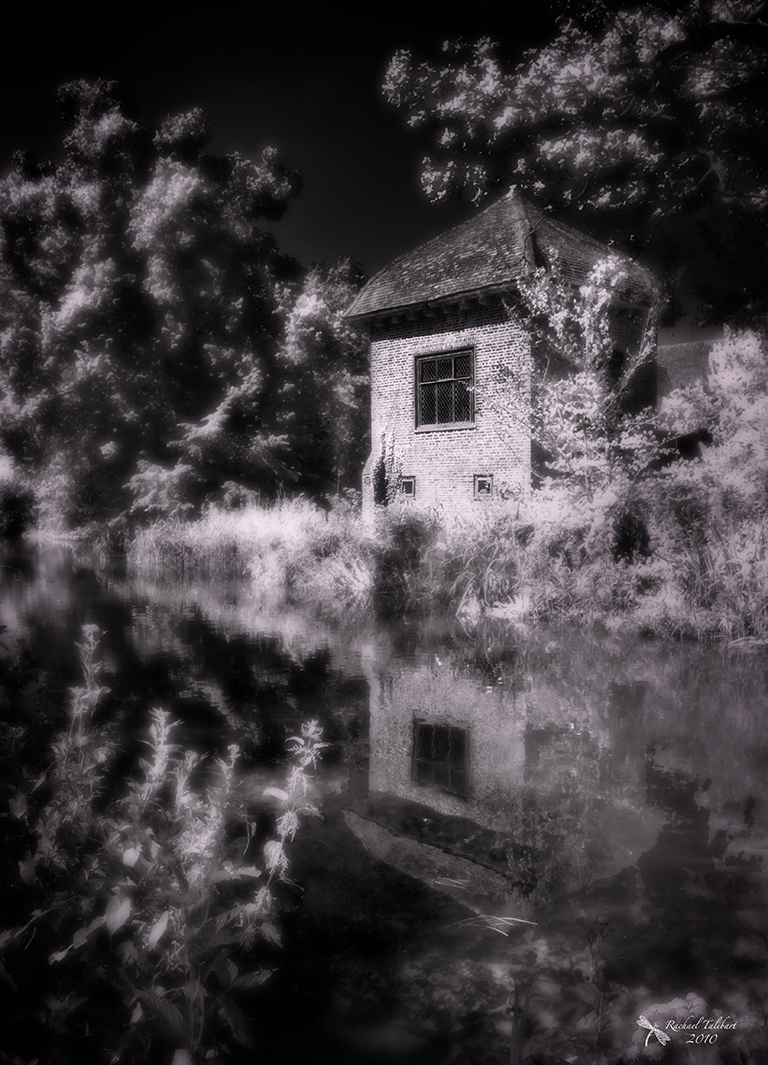
It seems unlikely that Donne ever actually lived in the Summer House, which some historians think may not even have been built until later in the century, but the Summer House is in the grounds of Pyrford Place and it is certainly picturesque enough to stand in the imagination as the retreat of a lovelorn poet!
All other things, to their destruction draw,
Only our love hath no decay;
This, no tomorrow hath, nor yesterday,
Running it never runs from us away,
But truly keeps his first, last, everlasting day.
Songs and Sonnets (1611) ‘The Anniversary’
The full text of my article and some more of the images can be viewed here.
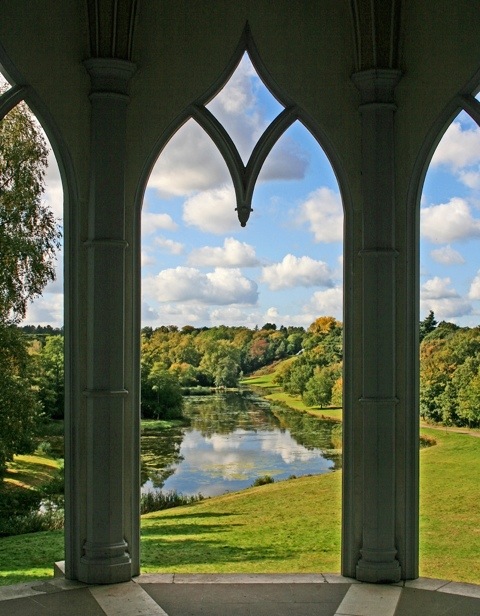
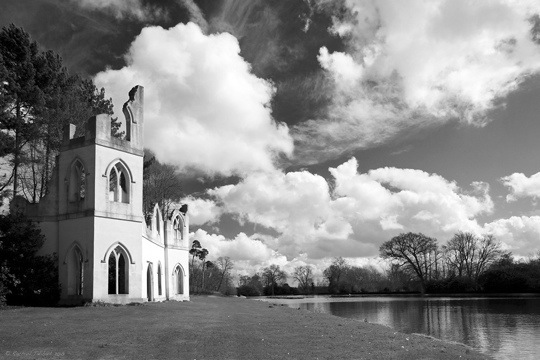
Painshill Park, in Cobham, Surrey, is one of my very favourite local photography locations. An eighteenth century landscape garden, with several ‘follies’ ideally positioned to be ‘picturesque’ in the true sense of the term, it pleases the camera in any season. The top image is a view of the Lake from the Gothic Temple.

‘Painshill was created between 1738 and 1773 by the Hon Charles Hamilton, 9th son and 14th child of 6th Earl of Abercorn. A painter, plantsman and brilliantly gifted and imaginative designer, he dedicated his creative genius to the layout and composition of a landscape garden which was unique in Europe and still remains so.’
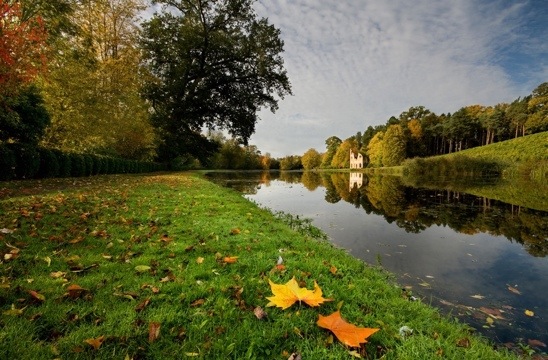
‘Painshill was created as a romantic landscape to stimulate the senses and emotions of the visitor…The gardens were among the earliest to reflect the changing fashion from geometric formality to the naturalistic style.’

The ruined abbey catches the morning sun. The use of still water to create reflections was one of the typical elements in landscape gardens of the period.
‘Rescuing and restoring this exceptional Grade I landscape has been very challenging and difficult but ultimately exceedingly rewarding, capped with the award of the rare Europa Nostra Medal in 1998 “for the exemplary restoration from a state of extreme neglect, of a most important 18th century landscape park and its extraordinary buildings”. Painshill Park is of international importance and therefore The Painshill Park Trust now has a long-term aim to become a world heritage site.’
The-Story-of-Painshill
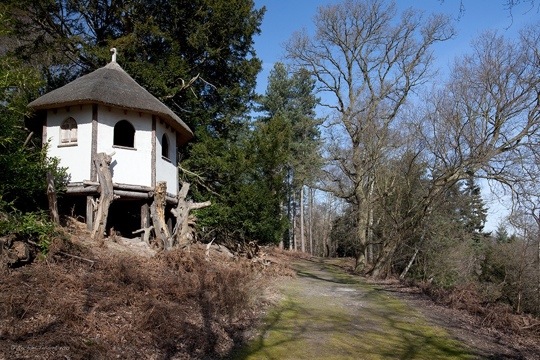
The Park is big enough that it never feels crowded. Largely maintained and staffed by volunteers, it is a fascinating and beautiful place to visit.

The grotto is another of the follies, and it looks very spooky in fog. Father Christmas holds court inside every year.
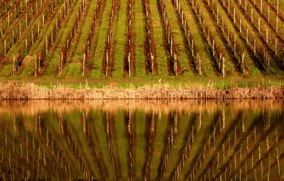
There is even a working vineyard.

Wildlife abounds…
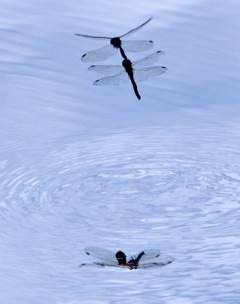
… from the small…

…to the not so small.
If you are ever in the area, Painshill Park is a must see!
There are more images in my Flickr set.
 Focused Moments