Green shield bug

palomena prasina

palomena prasina (spring adult)

This fine fellow is a common green shield bug.  Shield bugs belong to the order hemiptera, whose members have a rostrum, or sucking beak, which they stick into plants.  The common green is the most plentiful in my part of the world.

fifth instar of palomena prasina

final instar, kindly demonstrating rostrum

There are five nymph stages.  I think the little ones are really quite cute.

palomena prasina second instar

second instar – cute or what?

palomena prasina third instar

third instar

There are several other varieties of shield bug that frequent our neighbourhood.  I think this next one may be a hawthorn shield bug (acanthosoma haemorrhoidale).
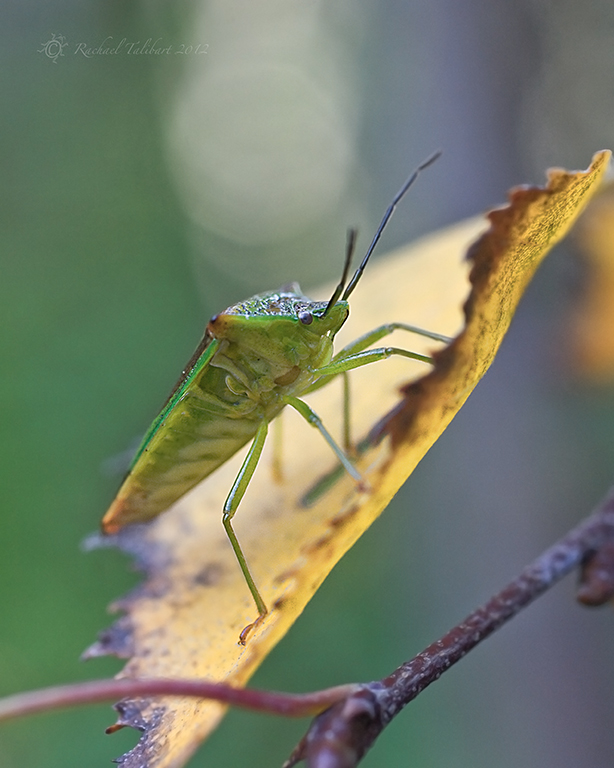
acanthosoma haemorrhoidale

Hawthorn shield bug? Maybe

But as green shield bugs change colour in the autumn, when this was taken, this one may just be another palomena prasina, teasing me.

So that’s the natural history done, now on to the art, which is what interests me most.  The following is another version of the second instar shot.
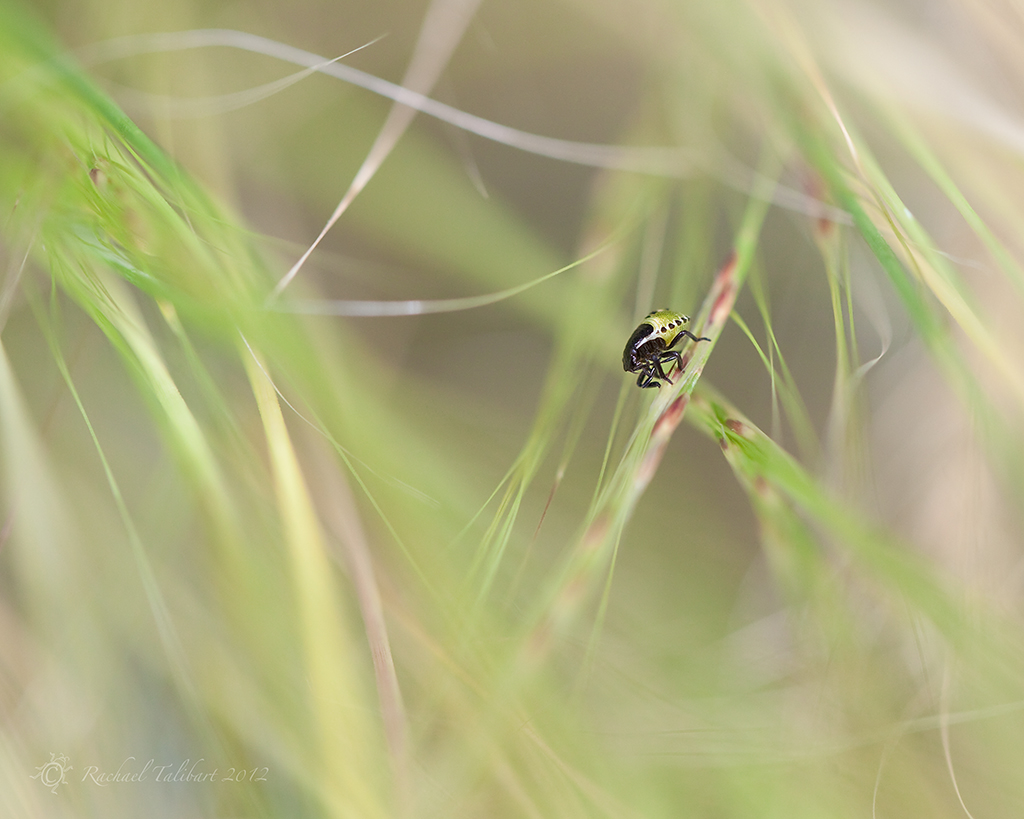
second instar green shield bug in grass

An instar’s world

I like this one better than the portrait crop I showed earlier.  I like showing the instar as a small point within its (rather attractive in my opinion) grassy world.  But a suggestion I often hear is that I crop closer with my bug shots.  What do you think?  All opinions very welcome.
The best tree

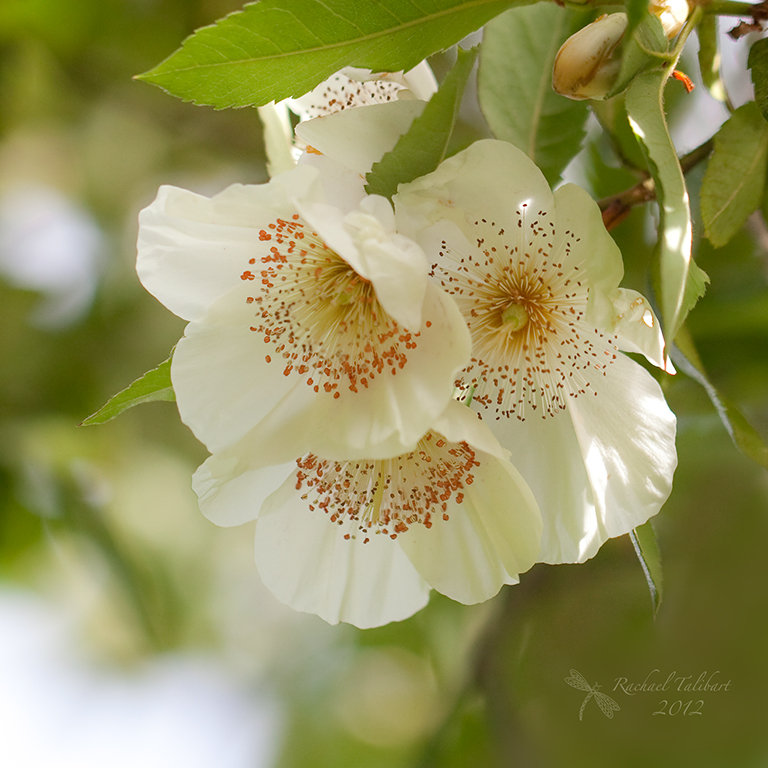
flowersThese lovely flowers belong to the best thing in my garden, a thirty foot eucryphia tree. It is columnar, with a semi-weeping habit, and evergreen. So already it earns its place as a good garden tree. But, as if that weren’t enough, every July/August, it bursts forth in a froth of large white blooms, with pretty pink anthers, and a sweet scent.

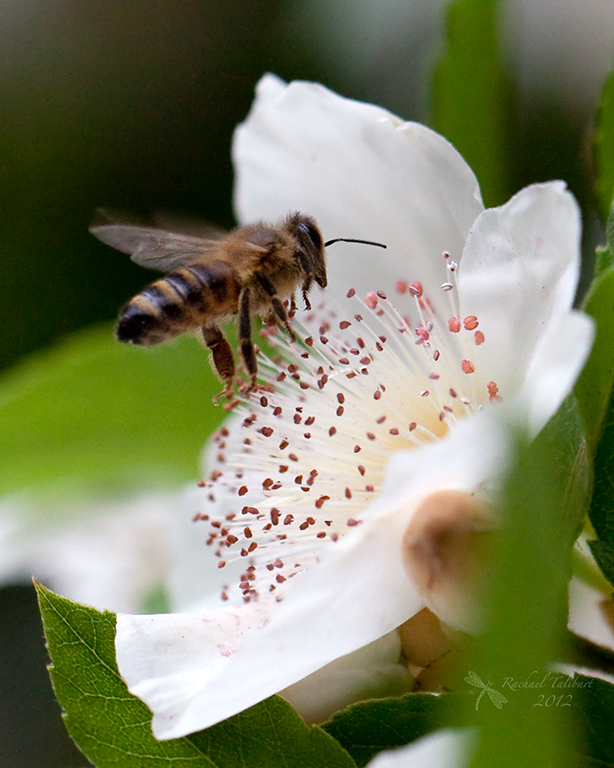
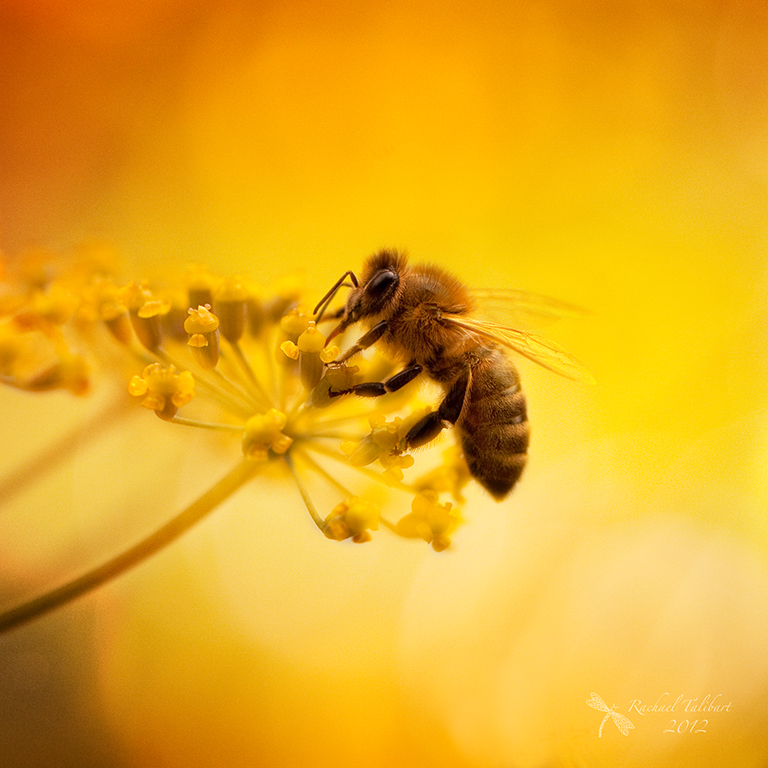
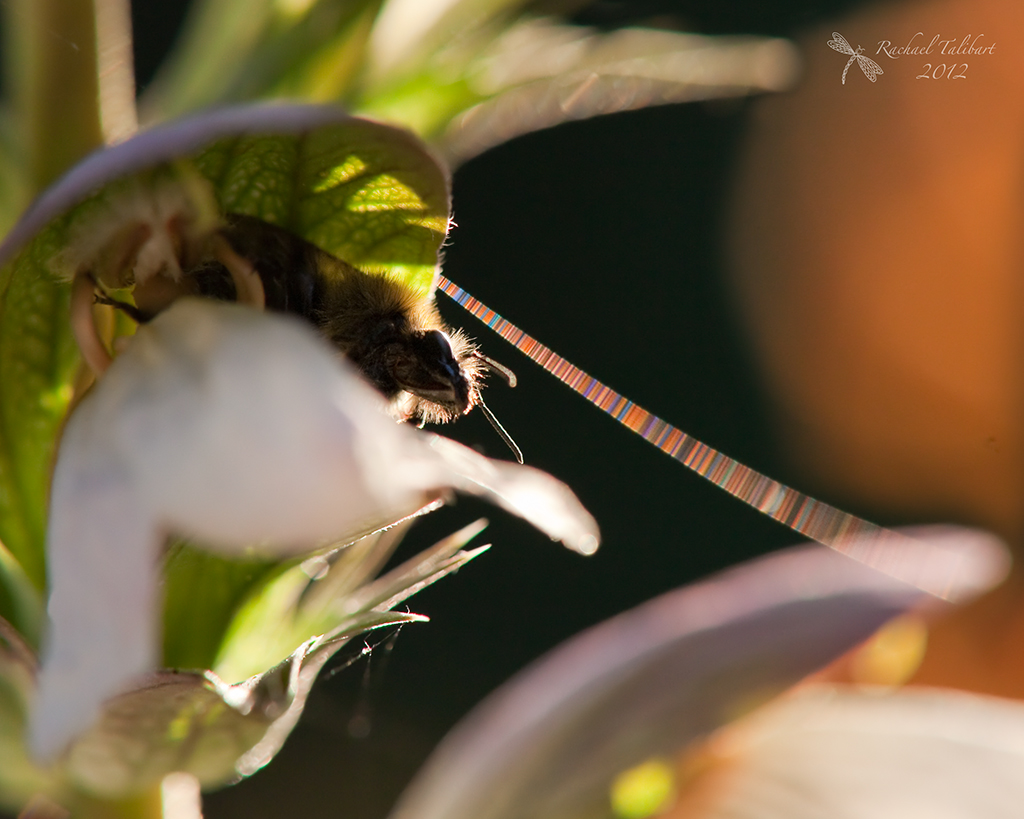
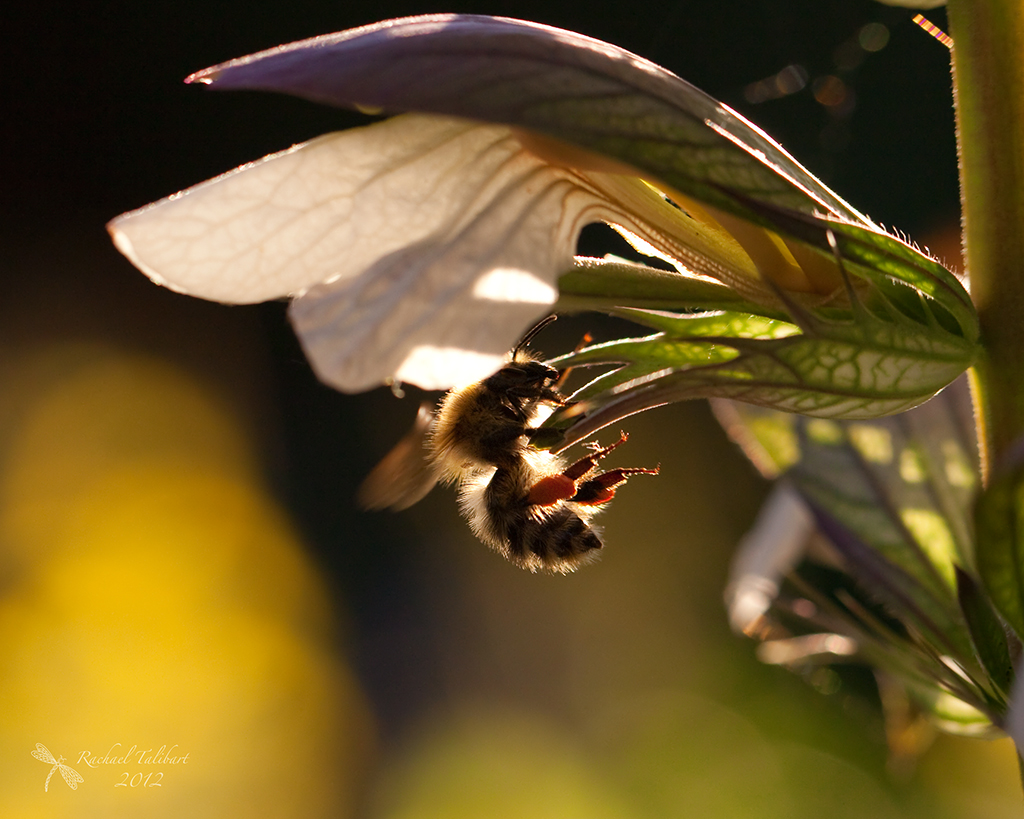
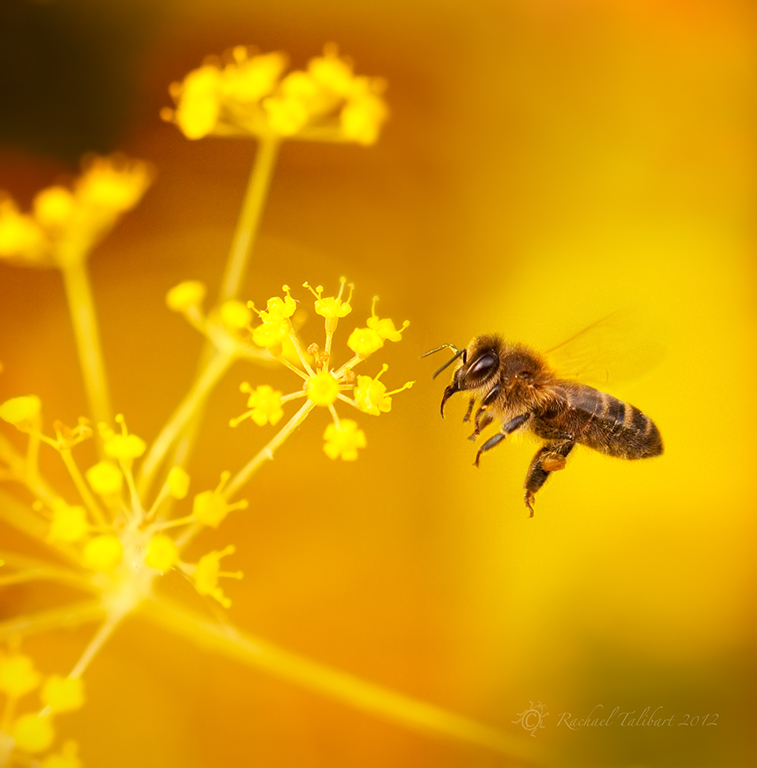
And, best of all, the honey bees love it. In fact, the children call it ‘bee tower’. The garden thrums with the sound of happy bees.


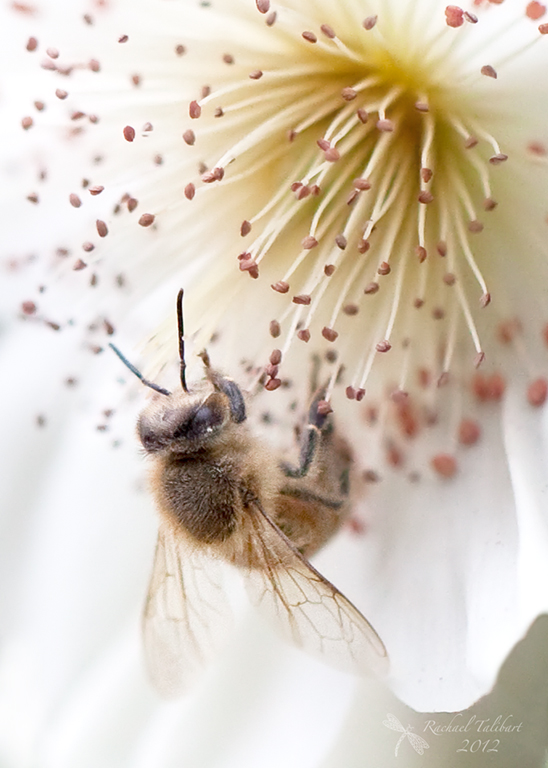
Eucryphia pollen is very fine indeed, little more than dust. The bees look as if they have been sugar frosted as they go about their business.


At times, they are almost frenetic, as if frantic to collect and preserve this bounty while it lasts.


I can claim no gardening credit for this tree – it was here when we moved in ten years ago. I am told they are difficult to establish and fussy in their needs but this one seems to be happy with benign neglect. Long may it last.
Do you have a favourite insect-friendly garden plant/tree?

Adding a bokeh background

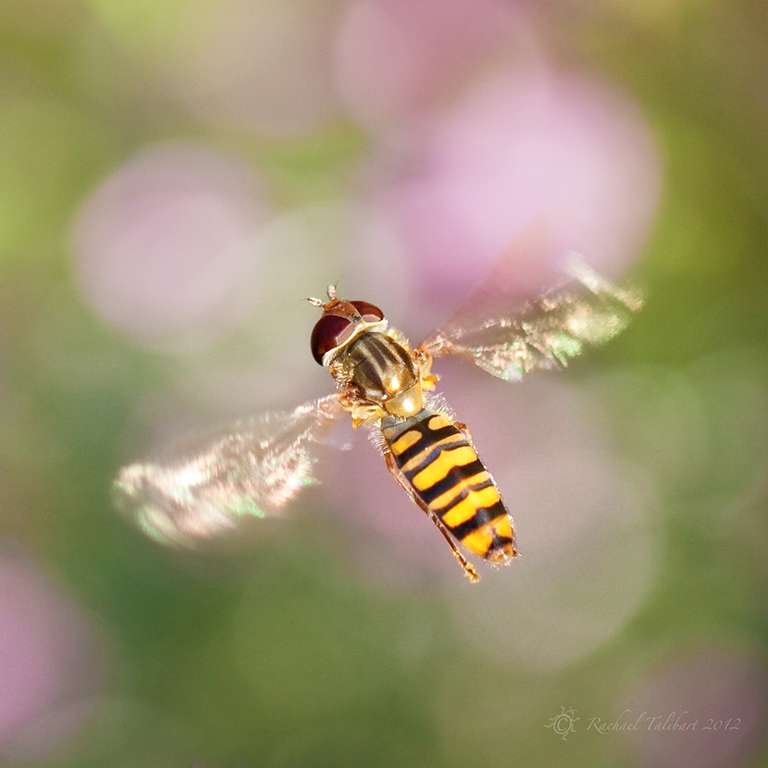
Hoverfly in flight

I was pleased the other day to capture this little hoverfly in mid hover with the light captured in its wings.  However, the original shot wasn’t quite as nice.

The background is my patio.  It is smooth and doesn’t distract the eye away from the subject but it is not very pretty.  A lovely smooth green would have been ideal but the hoverfly ignored my polite request that it hover over the lawn.  So I decided to improve the shot with a little photoshop magic.

Homemade texture

I have a growing collection of what I call “garden bokeh” images.  They are easy to make. Just find a pretty flower bed and some dappled light and, using manual focus, twiddle the focus ring until you get something you like.  Then snap.  (I like the soft circles that a wide aperture brings – the above is f3.2 – but if you want harder shapes, go for a narrower aperture.)  After a bit of experimenting, I decided on this pink, white and green shot for my new background.  Then it was an easy matter of copying and pasting the bokeh image onto my original.  I usually experiment with various blend modes.  Depending on the look you are after, you are likely to end up using soft light, overlay, hard light, multiply or screen.  The last two have quite a defined impact: multiply will apply the shadows in the new layer whereas screen will apply the highlights.  The other three overlay all tones but with varying intensity.  In this case, hard light worked best.  If the bokeh had been more contrasty, a softer overlay would probably have been better. Then a small amount of black brushing where the new layer was slightly obscuring the hoverfly and, hey presto!

It’s really no different from using a texture, except the over-layer doesn’t actually have any texture, just soft bubbles of colour.

Is it cheating?  Not at all, in my opinion.  Both images were taken by me and it is no different from double exposing film or choosing a complementary background in a studio.  What do you think?

By evening’s light

insect in flight

There was a time when meadow, grove, and stream,
The earth, and every common sight,
To me did seem
Apparelled in celestial light,
The glory and the freshness of a dream.

William Wordsworth, ‘Ode: Intimations of Immortality’ (1807)

All of these images were taken in my garden yesterday evening.

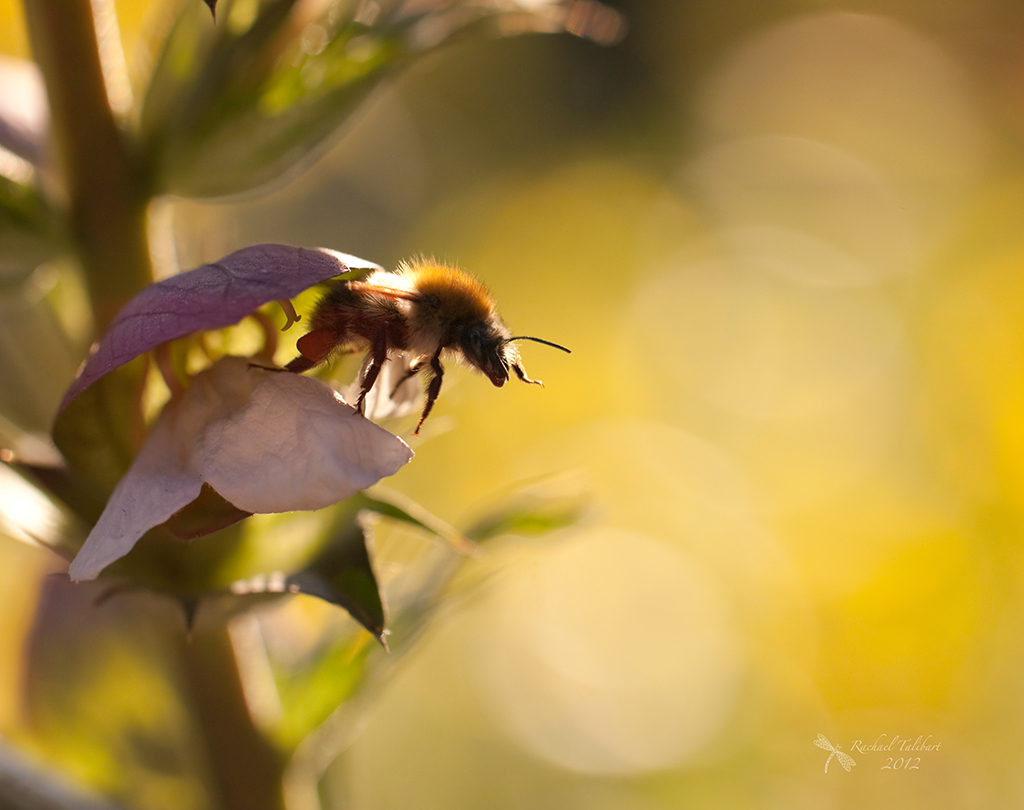
bee taking off

bumble bee

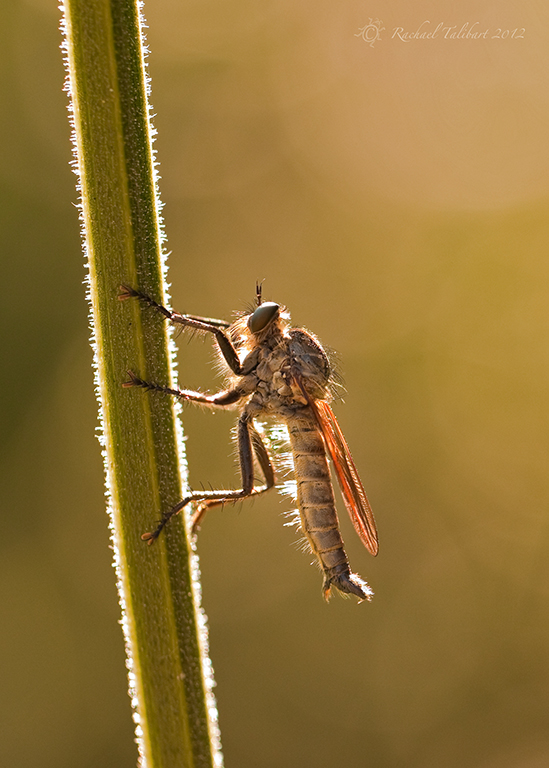
Robber fly

machimus atricapillus

This fine fellow is machimus atricapillus, the Robber Fly. He perches waiting for a hapless and punier insect to fly by and then darts out – game over. He is not fussy in his choice of perch, even making use of handy humans, but he does not bite people. Here, he is enjoying a spot of evening sun in my garden.

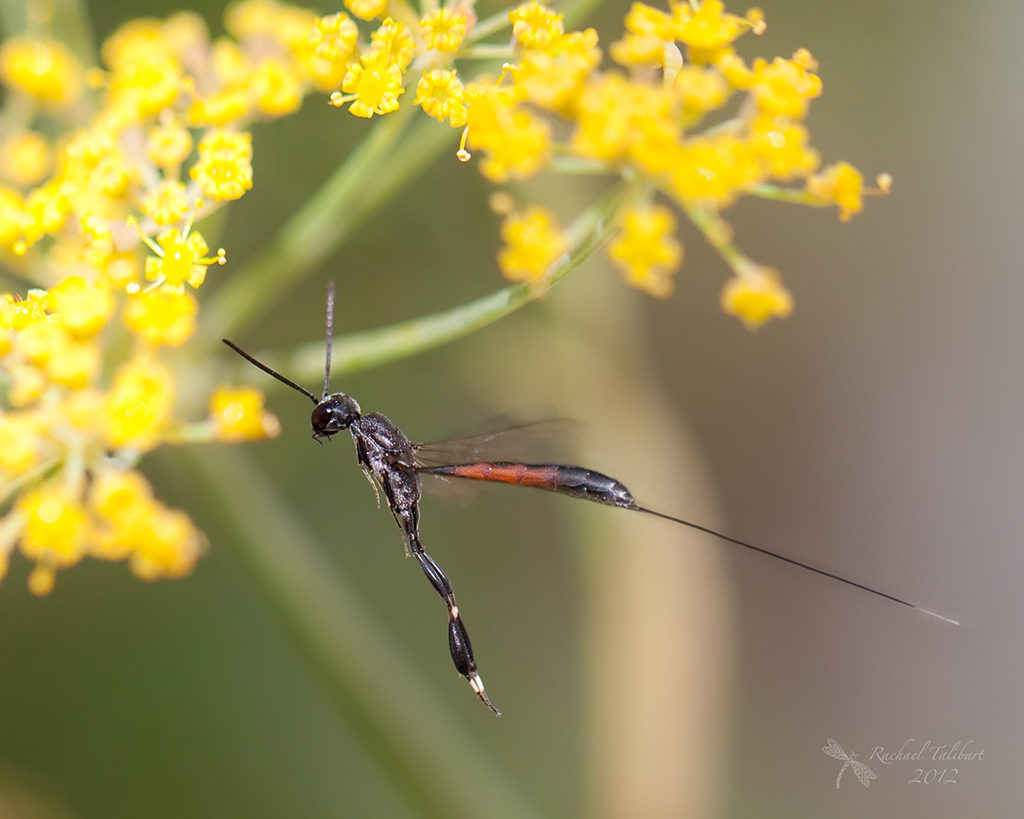
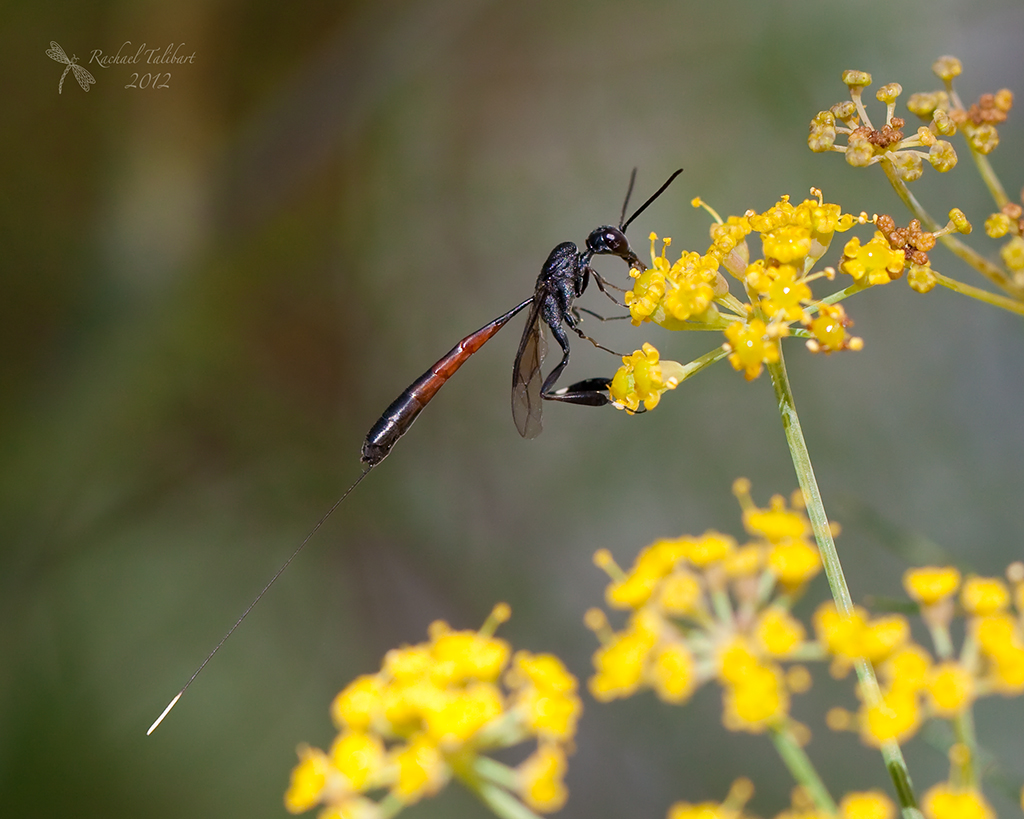
Gasteruption jaculator

Ammophila
This bizarre creature is gasteruption jaculator. Whoever named it should be banned forthwith from all future namings. I am grateful to afrenchgarden for the I.D. I was wrongly was calling it a sand digger wasp. I have never seen one in my garden before this year. Yesterday I noticed one feeding on fennel pollen but was unable to get a decent shot before it flew away. So, today, I returned to the fennel plant at the same time of day and, low and behold, there it was. And I was delighted to be able to capture it in flight!ammophila

It is an elegant creature with its long spike looking not unlike a cigarette holder from the 1920s (or is that just me?). I am assuming this is the female. Her consort, a much smaller beast without cigarette holder, is below. (It’s a lousy shot, I know, but illustrative.)

ammophila

For an earlier post on other wasps found in my garden, see here.