Autumn fire

Sumach leaves
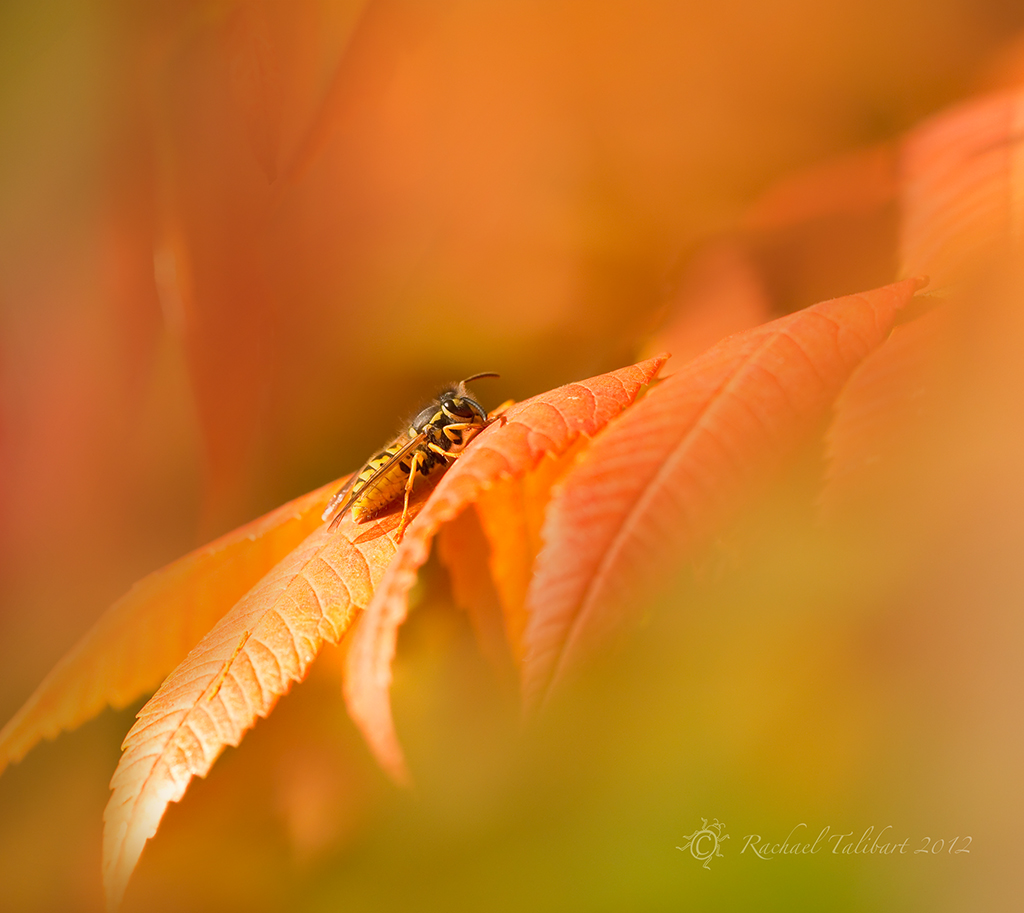
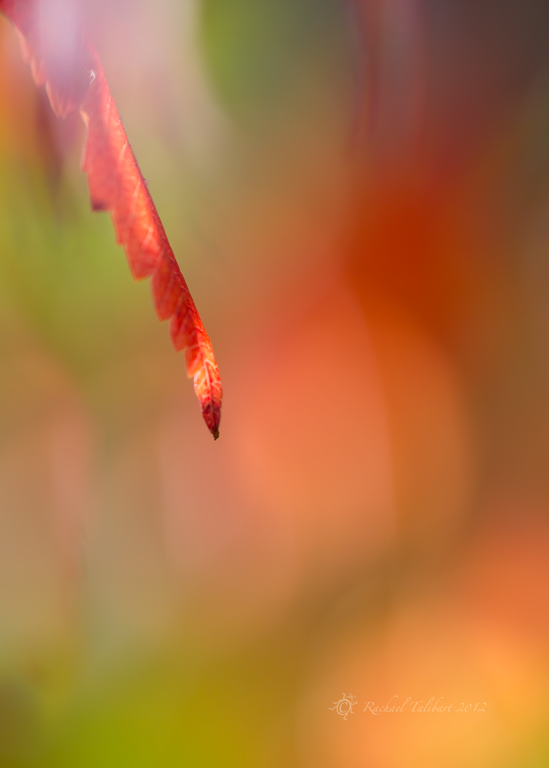
Continuing the Autumn theme, this post features images of my sumach tree. The leaves turn the most gorgeous shades of orange, red and even pink at this time of year. As the tree catches the last rays of sun to leave my garden, it is a popular spot with the garden’s minibeasts too.
spider on sumach
A few days ago, I featured a tiny green spider which I misidentified as the cucumber green orb spider. I really should stop trying to identify minibeasts because I get it wrong oftener than I get it right! I now think that little critter was nigma walckenaeri. Oh well. I am, therefore not even going to try to identify this little gem of a spider crouching under a sumach leaf. Any spider experts out there, by all means chip in! Suffice it to say it’s a pretty little thing, for a spider.
green and red spider
Here it is again, toning in rather nicely with its colourful surroundings. I was trying to get under the tree to photograph the little fellow when an altogether more conventionally beautiful surprise visitor alighted on another leaf.
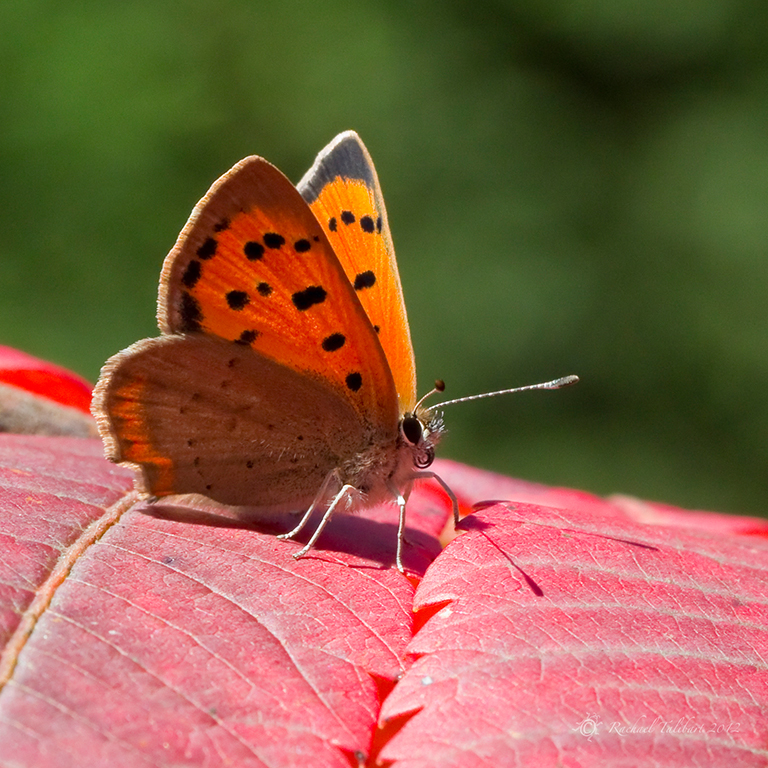
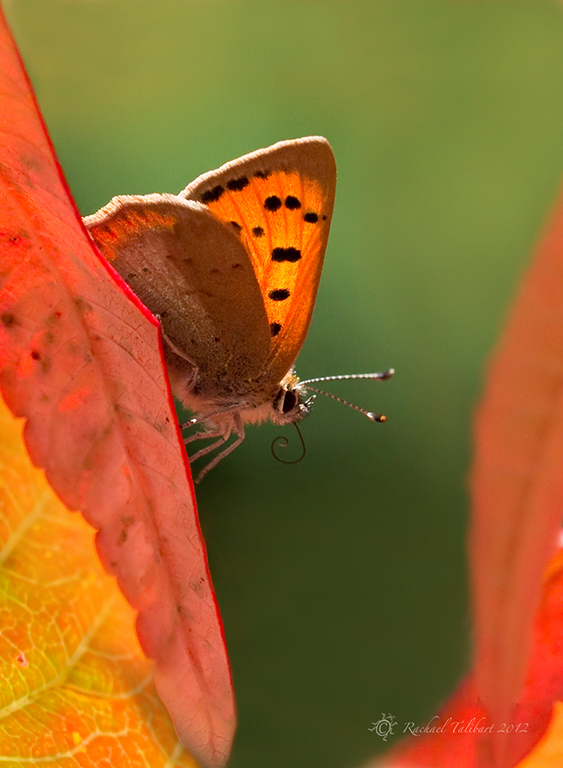
butterfly on leafThis delight is a ‘small copper’. I have never seen one of these in my garden before. It rested for a few seconds, just time for me to get a couple of hasty grab-shots.
butterfly on sumach
What a beauty, its colours perfect for Autumn! Seeing it quite made my day.
sumach leaves
I was planning to fell this tree as it is in the wrong place for all sorts of reasons. It has made tons of small sumachs which I can plant in a better place. But, after all this colour and buggy action, to fell it seems rather ungrateful, doesn’t it?

Autumn’s winged messengers

crane fly on sumach
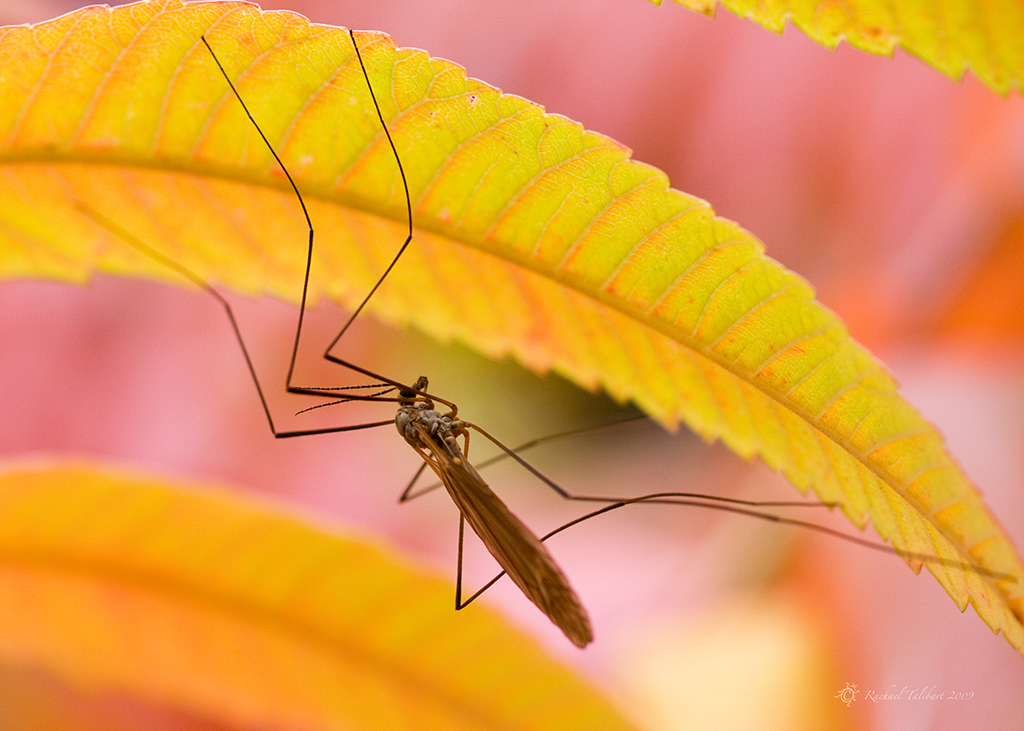
As Autumn sets in, leggy crane flies start to blunder into homes, mimicking moths in their attraction to light. They are not the most stylish of Nature’s creatures but this one manages to look almost elegant hanging under the pastel Autumn leaves of my sumach tree.
tipula paludosaThis is probably a female specimen of the UK’s most common variety, tipula paludosa. Not a thing of beauty, but an important part of the ecosystem. Its grubs, known as leatherjackets, feed on the roots of grass, which does not please those who love their lawns. However, they are a valuable source of food for many birds. I enjoy watching the green woodpeckers drilling for them. The crows quarter my lawn systematically, voracious terminators of leatherjackets. In the process, they incidentally save me the job of aerating the lawn and lifting the moss.
insect on sedum
insect on sedum
Needless to say, there are several varieties of crane fly in the UK. The best place I have found for identification is Nature Spot. I think this little crane fly resting on sedum flowers may be tipula confusa. And yes, I am confused.
insect
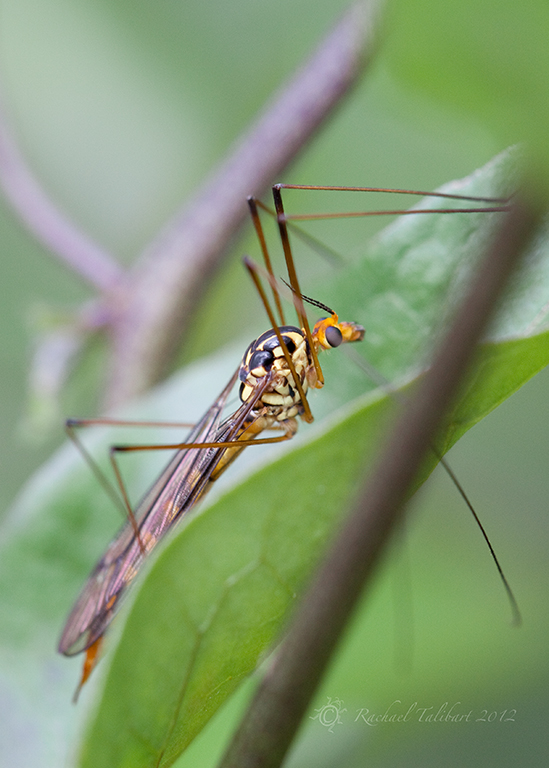
This one is a little more impressive. It could be nephrotoma appendiculata, the spotted crane fly. Or it could be nephrotoma flavescens.
insect on leaf
But I think it is, in fact, nephrotoma flavipalpis. This is the first time I have noticed one of these in my garden.
crane fly on leaf
Tomorrow’s Autumn post will be prettier, I promise.

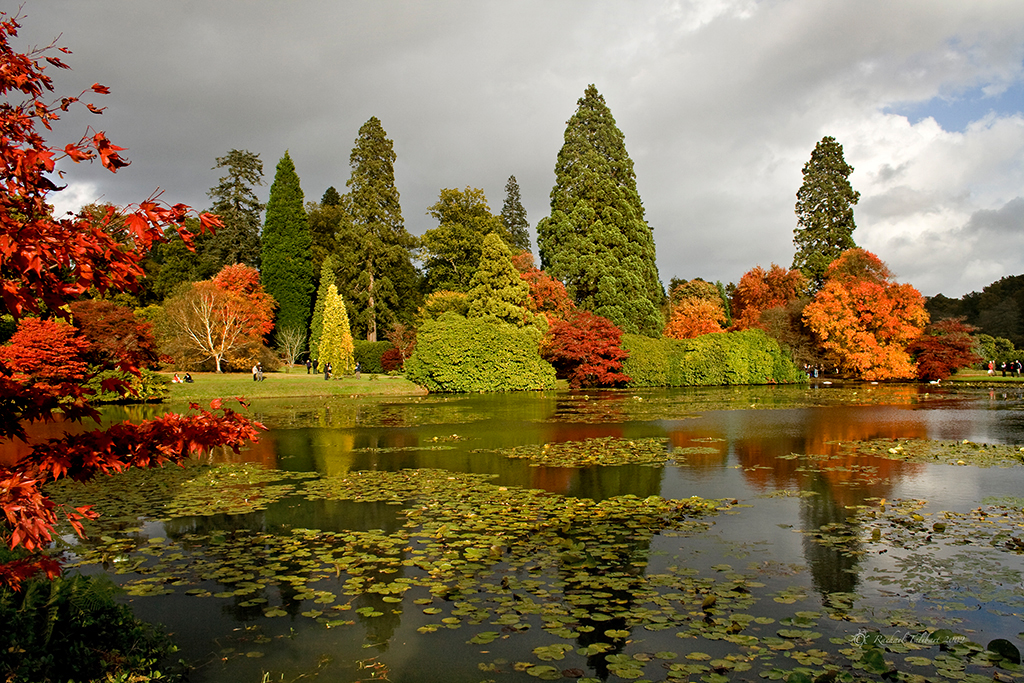
An Autumn garden

landscape garden
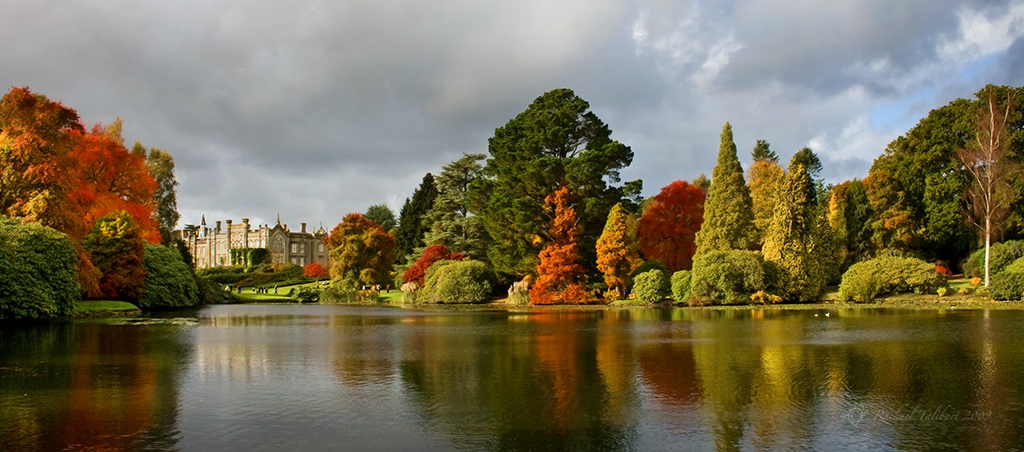
Sheffield Park is an eighteenth century landscape garden in East Sussex owned by the National Trust.
landscape garden
Sheffield (meaning sheep clearing) Park is mentioned in the Doomsday Book. The garden was landscaped first by Lancelot ‘Capability’ Brown and then Humphrey Repton.
landscape garden
In the nineteenth century planting for an arboretum was begun. Arthur Soames purchased the estate in 1910 and continued the massive planting programme, much of which still exists today, and is particularly regarded for its Autumn colour.
Sheffield Park landscape garden
We were a little early for the best leaves but there was still plenty of colour. If you live anywhere within striking distance of this beautiful garden, I recommend a visit. Just don’t forget your camera!

More Autumn colour tomorrow.

Autumn suspended

20121004-092418.jpg
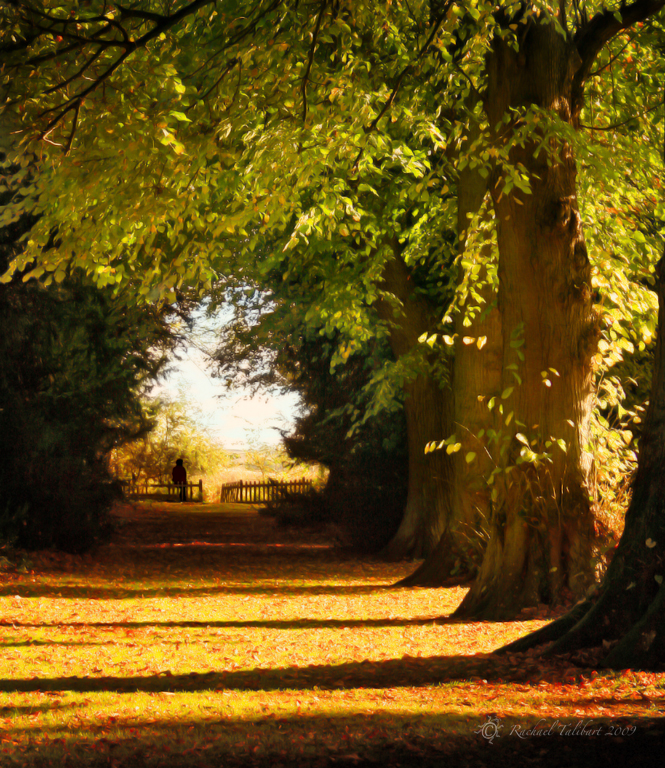
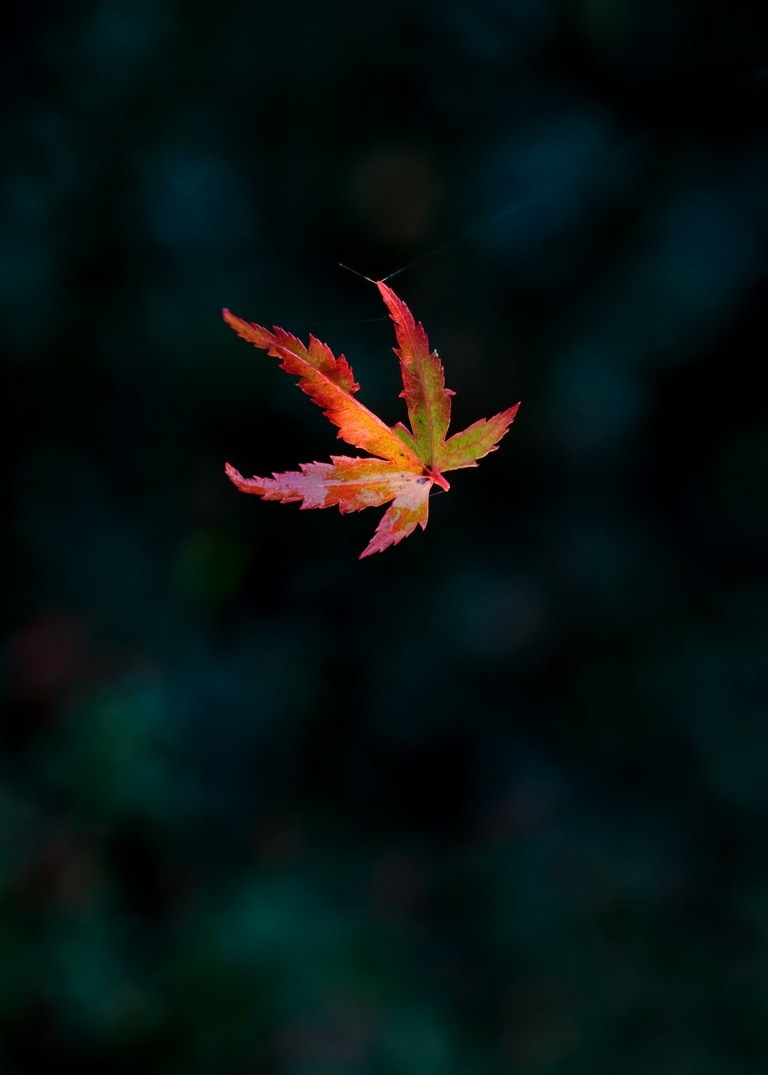
I am typing this sitting at college with the sun blazing through azure skies that one would normally expect to see in Summer, on a less contrary island. On mornings like this it seems as if Autumn has been suspended. The leaves tell a different story, however.
The first of a series of Autumnal images.

The first day of Autumn

phalangium opilioThis week there has been a nip in the air. There are suddenly fewer winged insects about and a first-day-of-the season safari round the garden this morning yielded some distinctly Autumnal sights. This harvestman was crouching on a fading rudbeckia flower.
 lychnis coronariaThe lychnis coronaria have gone to seed. I took a quick photograph before shaking the seeds liberally over the border. They are very reliable self-seeders in my garden, even colonising the lawn given half a chance.
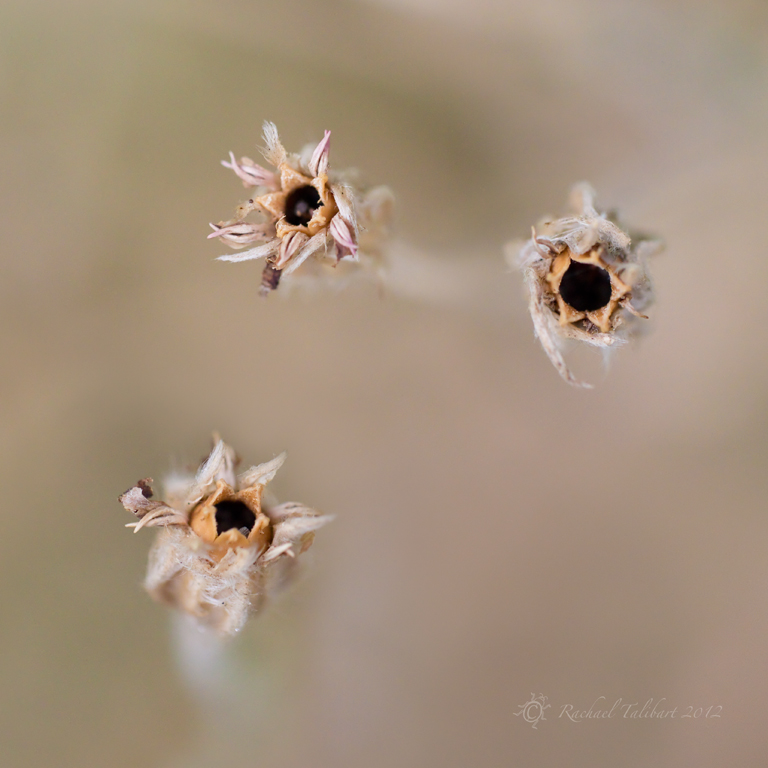
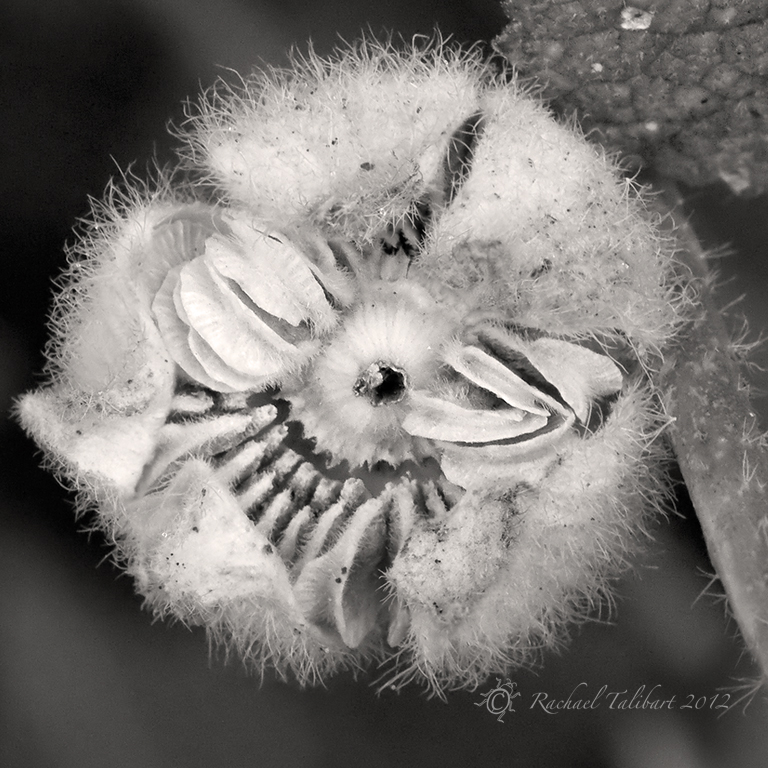
sepia macroThe hollyhock seed heads are opening. I do love the way the seeds are wedged in – they remind me of oysters.
Despite the chill, the speckled bush crickets are still about. This male stared at me rather belligerently, I thought.
speckled bush cricket
All these shots were taken at 3,200 ISO. Not too shabby. The new camera passes the ISO test.