More fisheye adventures

london underground

f/5.6, 1/10, 8mm, ISO 400

Two more shots from my adventures with my Samyang 8mm fisheye last Saturday.  A trip on London’s public transport just got a lot more fun.

Waterloo station

f/5.6, 1/70, 8mm, ISO 400

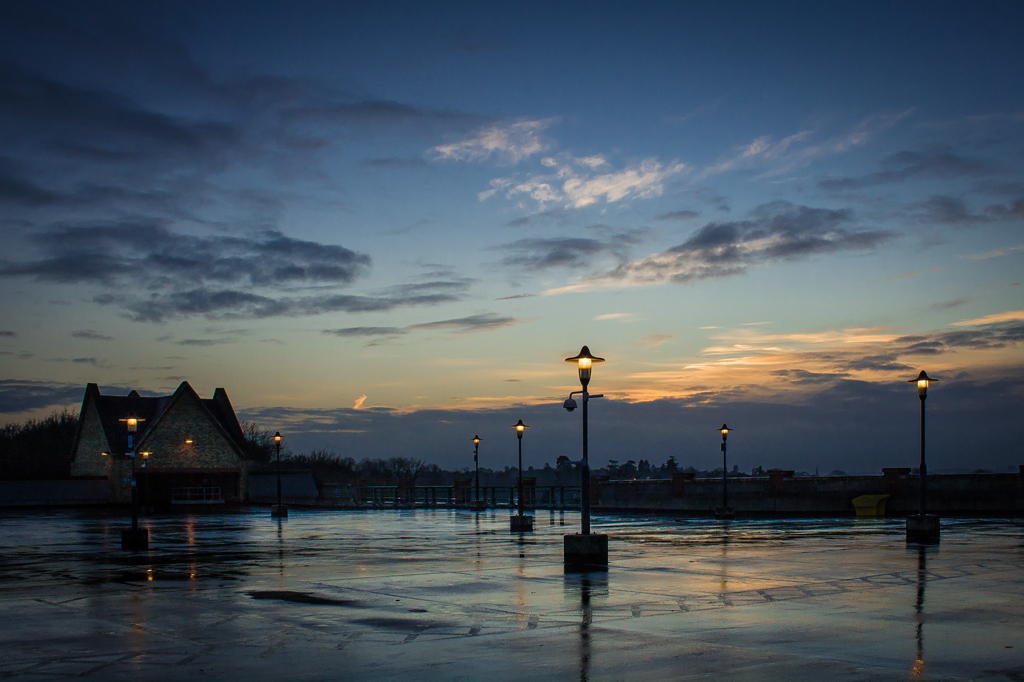
For my 365 redux, I have had to resort to 2009 once again, the year of my original 365. I am looking forward to getting past winter so I have more images from which to choose.  Anyway, the reality of 365’s demands was just settling in back in 2009 and, on the upside, it was beginning to force me to look hard for images everywhere I went, including the top of the local supermarket’s carpark, and the lights on the ceiling of my kitchen.

car park

365/16

abstract

365/15

Remembering the floods

Surrey

365/13

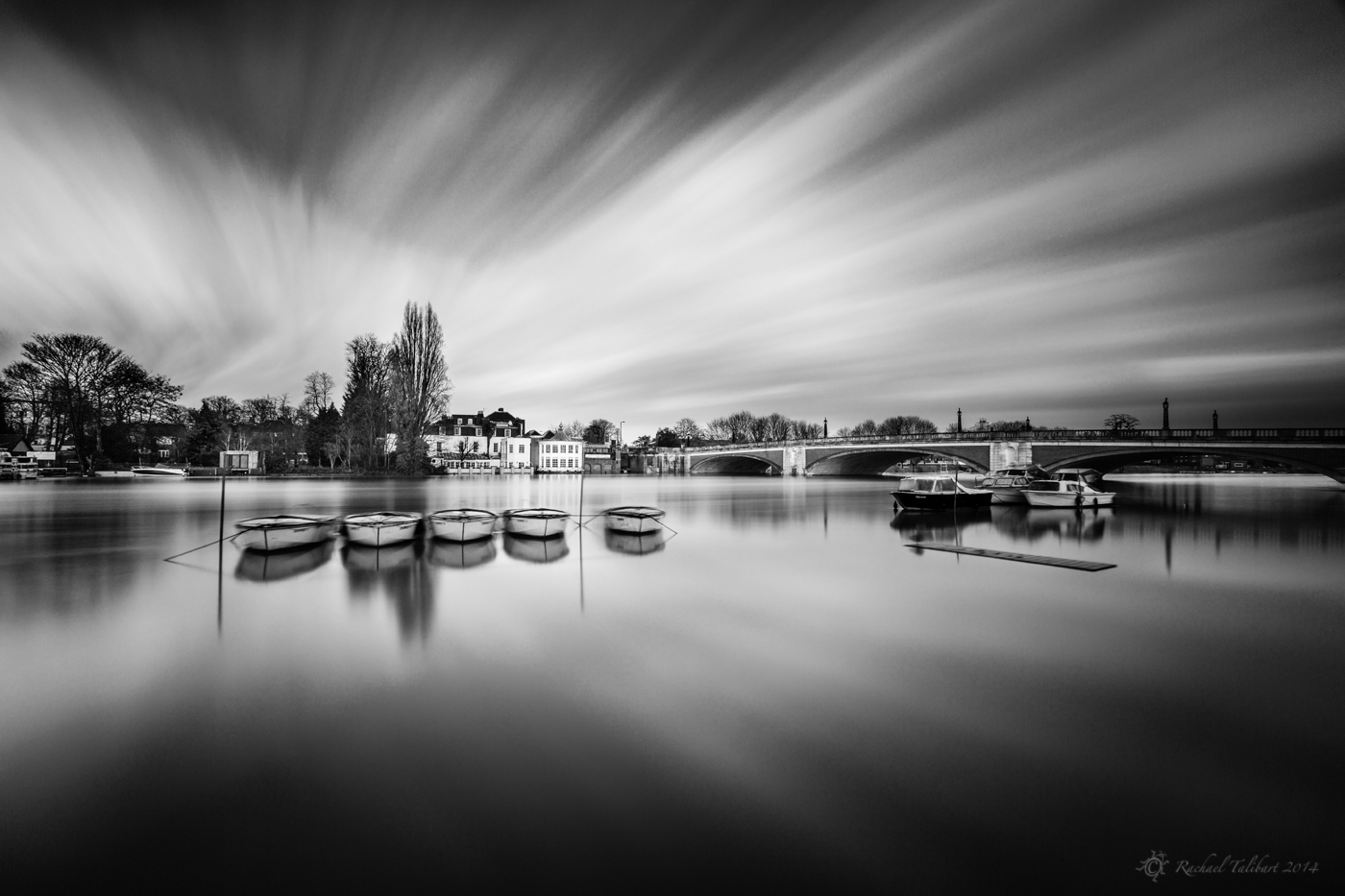
For my 365/13 and 14, I have turned back the clock by just a year. This time last year Surrey was suffering the second of three bouts of severe flooding. I was very busy, documenting my changed local landscape. It was an absorbing project, although always tinged with sadness for those more directly affected. In January, we did not know that the worst was yet to come.

I didn’t share these two pictures at the time, preferring to concentrate on images that showed the severity of the floods to everyone, not just those who know this area.  So it is nice to go back and give these others an airing now.

Surrey

365/14

For those who like to know, the top shot has a shutter speed of 246 seconds, at f/11, using my 10-stop ND filter (aka the Big Stopper).

To Infinity and Bakerloo

London underground

f/5.6, 1/6, 8mm, ISO 400.

My Samyang 8mm fisheye lens (Fuji fit) is one of the best value for money lenses I have.  It’s manual focus only, but at 8mm and f/5.6, it’s actually quite hard to make anything out of focus. Paired with my little Fuji X-E1, it’s a cracking set up for taking down into the London Underground. This shot is from Saturday, at Regent’s Park station, on the Bakerloo line.  Best to see it larger to appreciate the photoshop fun I had with it after I got home (the clue is in the title).

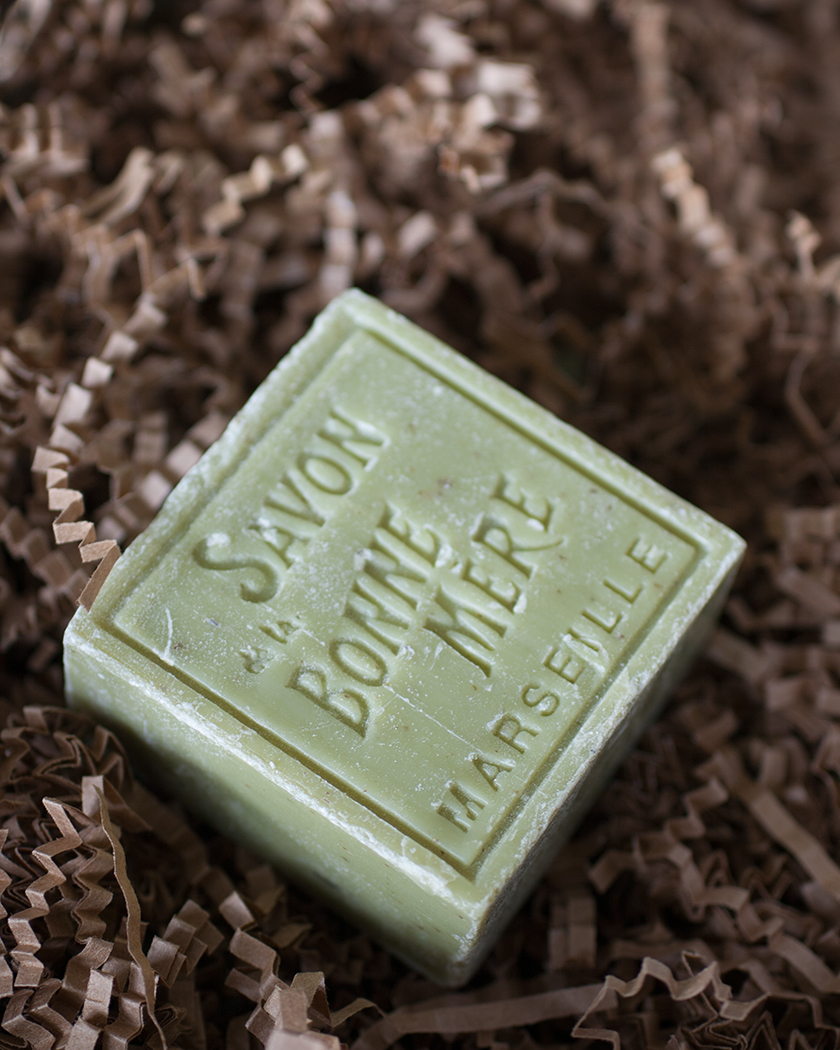
I was scraping the bottom of the barrel a bit for my 365/12 as it appears I do not often take photos on 12th January!  I had only one in the last 7 years (the extent of my digital image-making life).  It is from 2009, the year of my real, as opposed to redux, 365.  I can only guess that it was a day much like today, wet and miserable, that made me resort to photographing soap.

soap

365/12


Of treaties, Shakespeare and 365

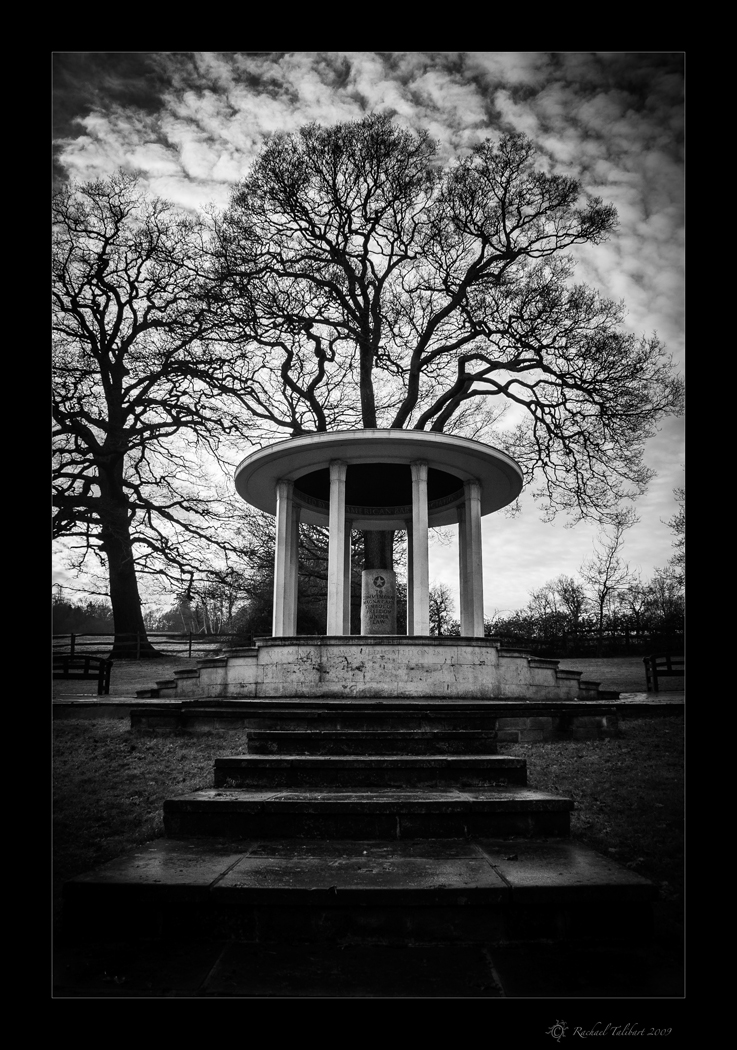
Runnymede

365/11

Time to catch up on my ‘project 365 redux’. This image is from 11th January 2009.  It is the Magna Carta memorial at Runnymede.  This year marks the 800th anniversary of the signing of Magna Carta, at Runnymede, on 15 June 1215.  Originally an attempt to settle the disputes between King John and his barons, Magna Carta has, over the centuries and through many reissues, renewals and reimaginings, become a symbol of liberty. Lord Denning described it as “the greatest constitutional document of all times – the foundation of the freedom of the individual against the arbitrary authority of the despot” (Wikipedia).
London street photography

365/10

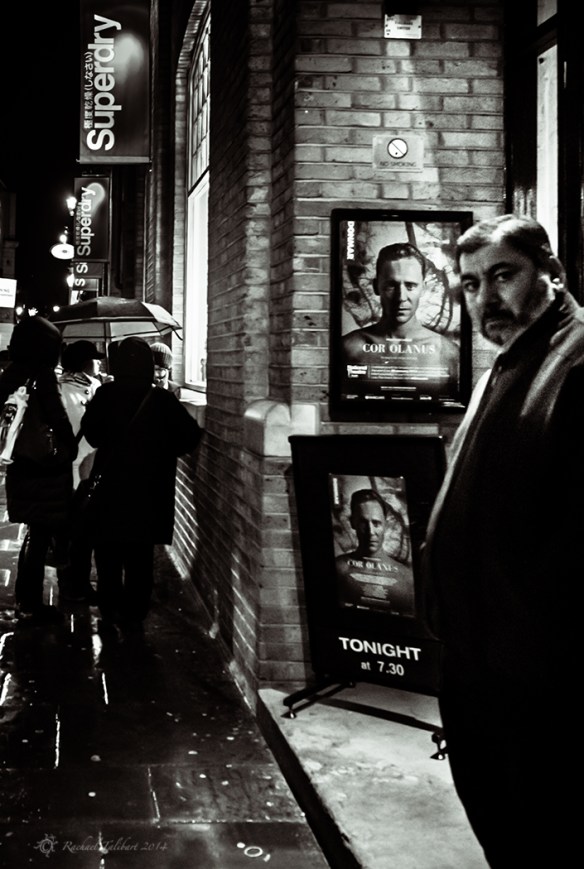
This image, from 10th January 2014, called ‘I, Coriolanus’, was captured in London’s Seven Dials area. It is in the tradition of street photography, a genre with conventions that include ‘blur, over-exposure, unwanted elements [that] intrude upon the scene [I could add noise and under-exposure]’ (Inigo Taylor, Black and White Photography magazine, Jan 2015).  The poster is for the Donmar Warehouse’s production of Shakespeare’s Coriolanus, with Tom Hiddleston in the title role, directed by Josie Rourke.

The image seemed an appropriate companion for the Magna Carta picture. Shakespeare’s tragedy (1605-8) is based on the life of Caius Marcius Coriolanus, a Roman general turned politician who, after being deposed, schemes to exert his own will upon Rome. He rails against the idea of allowing plebeians to have a say in politics and leads an assault against Rome.  Ultimately, he is persuaded to sign a peace treaty.  However, like the despotic King John, his alliances become his burden; he is murdered by conspirators from within.

King John died in 1216.  Most historical accounts give the cause as dysentery contracted while on campaign against the barons (the first agreement of Magna Carta having been dishonoured by both sides).  However, in another Shakespeare play, King John, he is poisoned by a monk within his own cortege.

The plots of not only Shakespeare’s histories but also his tragedies often came from history books of his time, most notably Holinshed’s Chronicles.  They are history redux. Thus the link with my very much more humble 365 redux was impossible to ignore!