Angels with dirty faces

20120820-175600.jpg
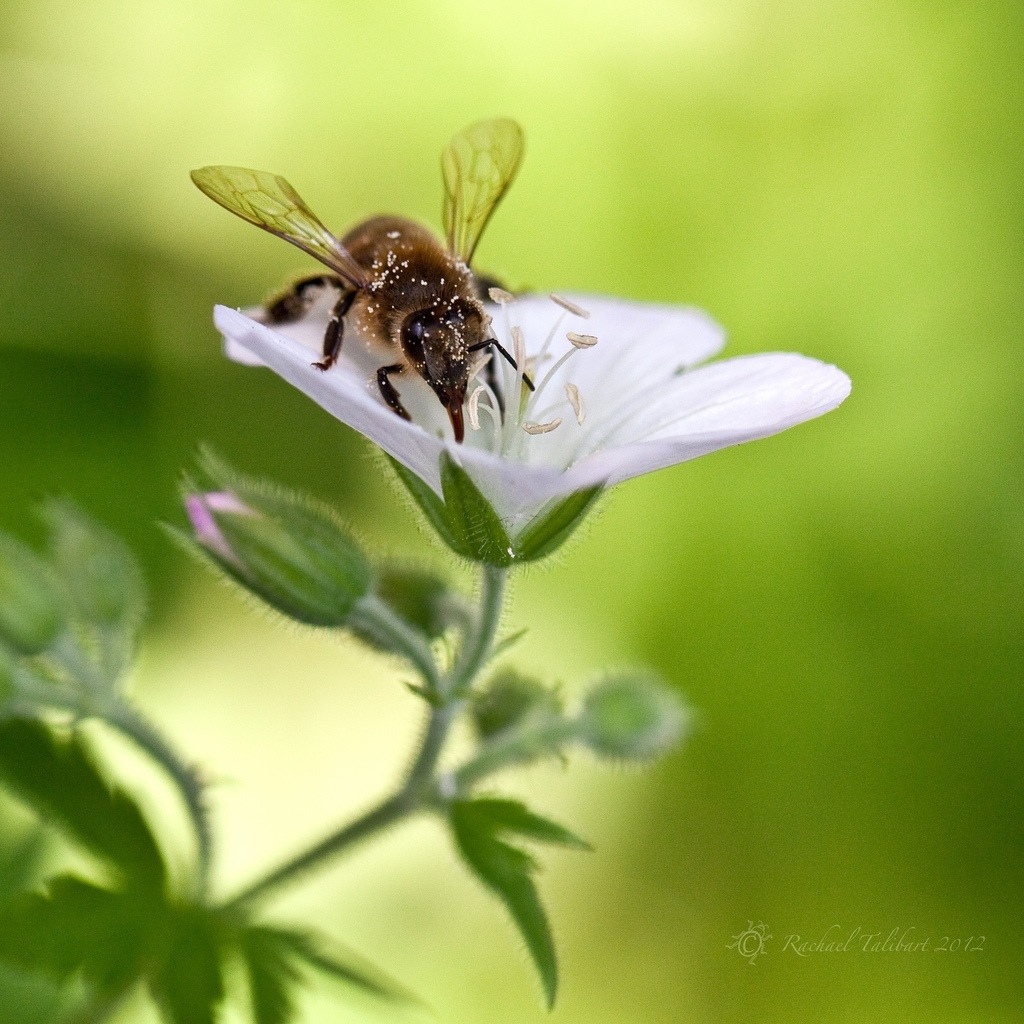
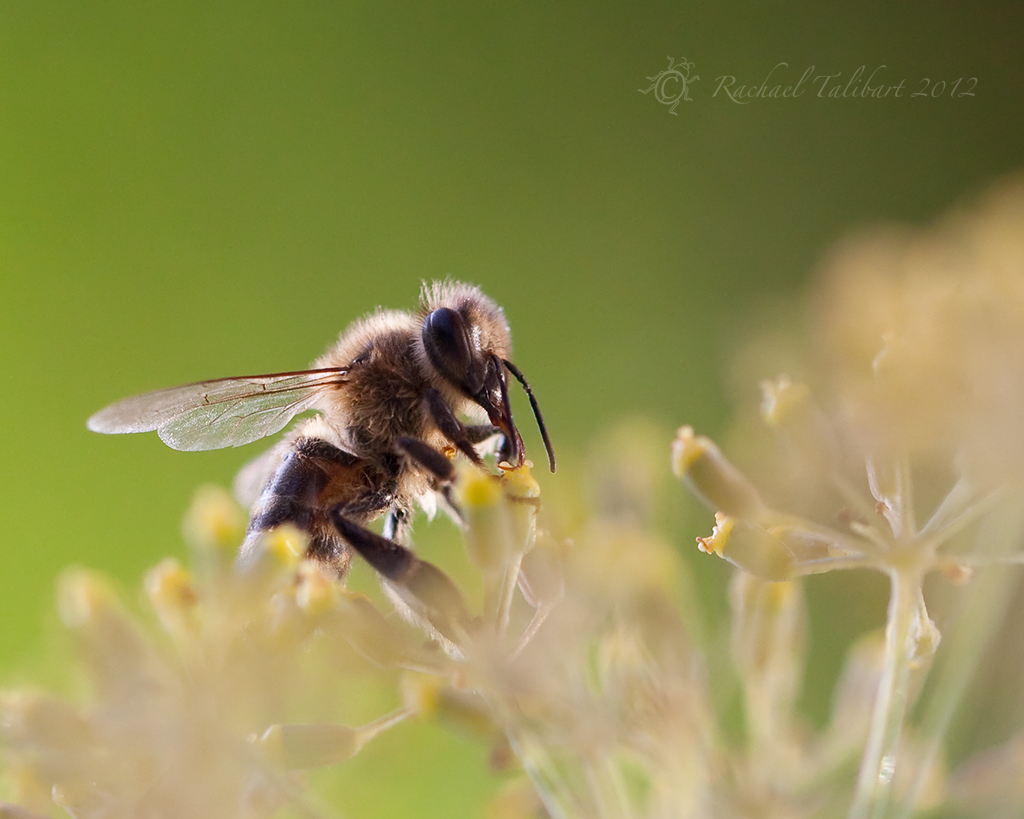
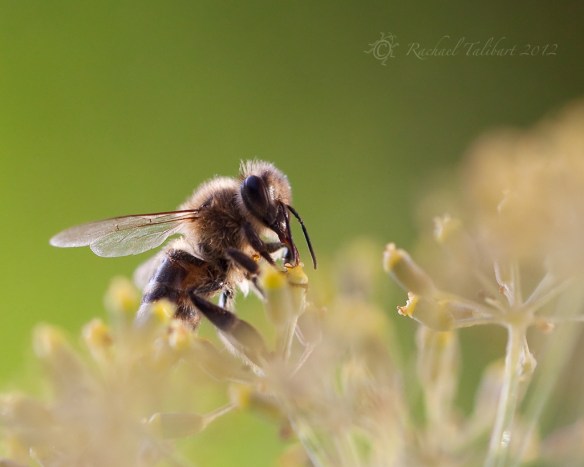
Bees are super pollinators. We all know that. But sometimes the evidence is as plain as the nose on your face or, to be a little more literal, the pollen on their face.

20120820-175749.jpg
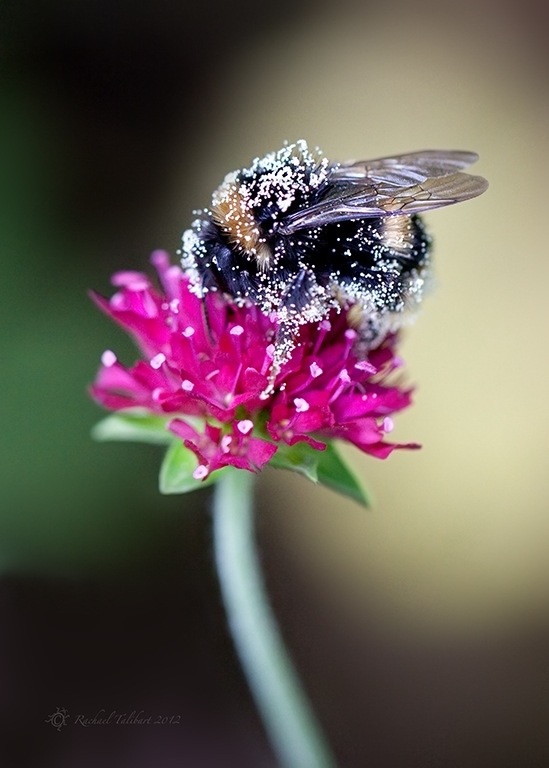
Just a little on this busy honey bee, but what about the bumble bee in the next image?

20120820-175840.jpg
Sometimes I wonder how they can even see where they are going.

20120820-175943.jpg
I couldn’t resist using the title of the classic Cagney, Bogart, O’Brien movie for these images. Classic movie, classic critters.

20120820-180727.jpg

Fastidious

20120819-095541.jpg
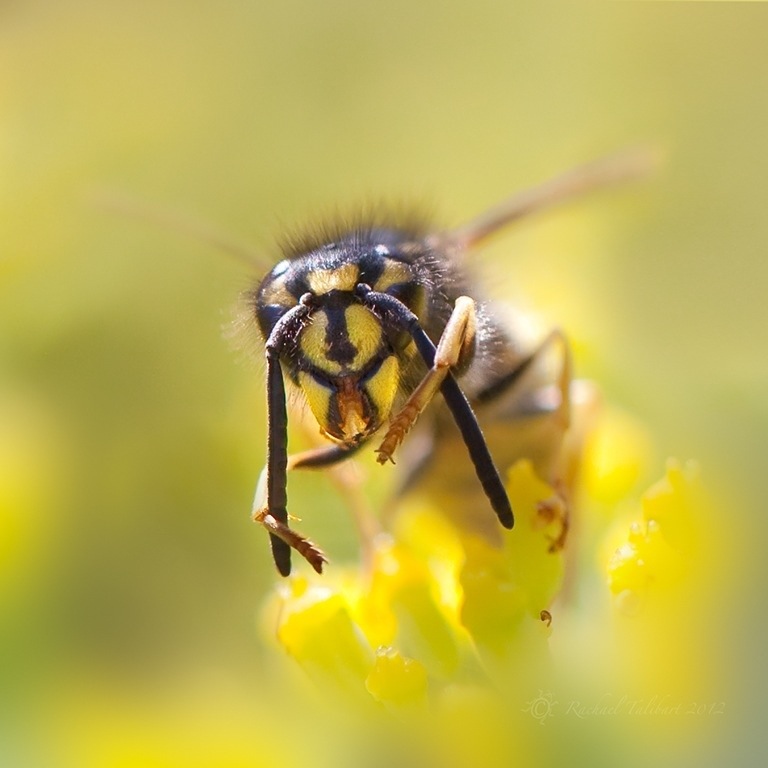
A fastidious wasp cleans its antennae. Close up, wasps are quite beautiful creatures, at least I see them that way. However, I must confess that I am not sorry their numbers are down this year. It is so pleasant being able to eat outside without the constant attentions of the usual pesky band of vespula vulgaris. This shot is from last year.

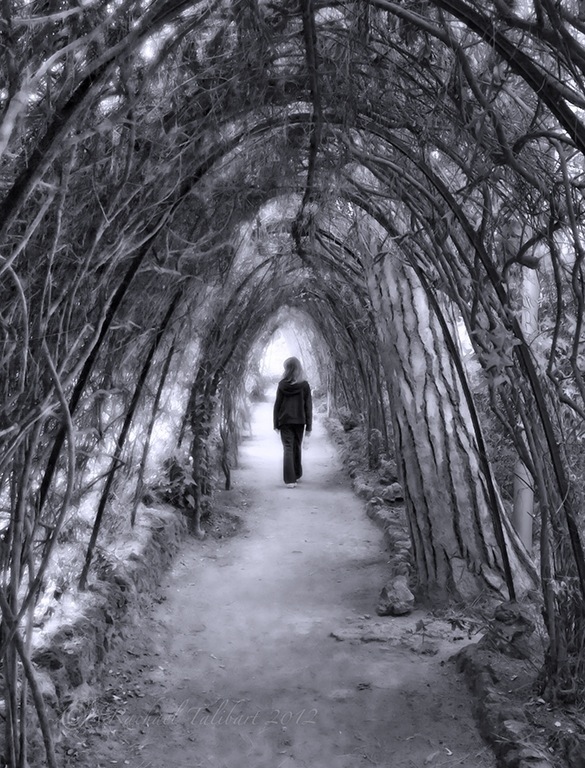
The Path

20120817-183527.jpg

“The Road goes ever on and on down from the door where it began. Now far ahead the Road has gone, and I must follow, if I can, pursuing it with eager feet, until it joins some larger way where many paths and errands meet. And whither then? I cannot say.”

J.R.R. Tolkien

The infinite sphere

Blaise Pascal (1623-1662) wrote: “Nature is an infinite sphere of which the centre is everywhere and the circumference nowhere”. We encounter nature daily; we can hardly avoid it, even if it is only in the form of a humble fly who crawls through our open window or the scent of distant park flowers on the breeze.
flying bee
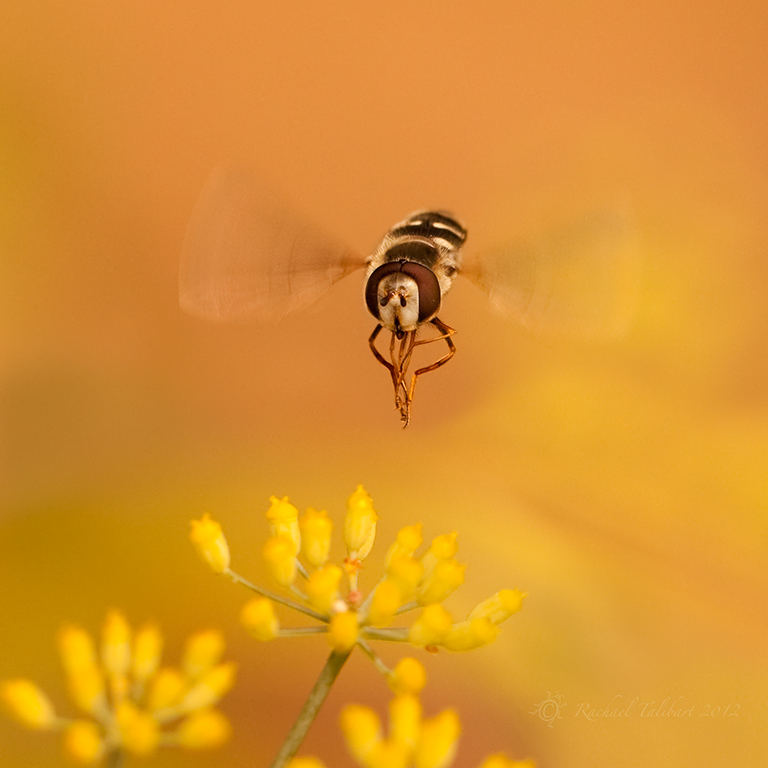
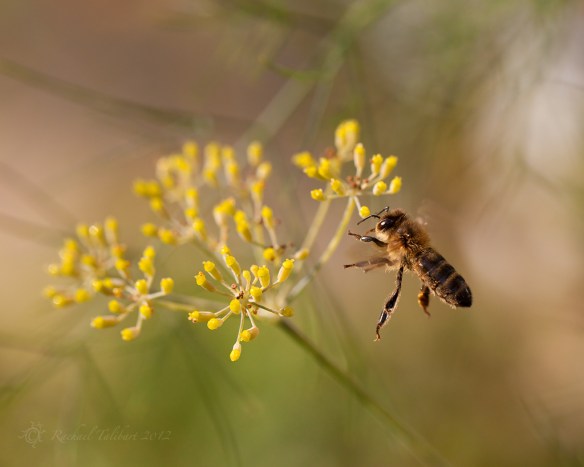
Taking time to notice nature enriches my day beyond measure. The more I look, the more I see. Have you ever taken the time to watch a honey bee? I mean for several minutes or more. Watch how the light glistens in its wings as it hovers before its chosen blossom, forelegs outstretched for a gentle landing.
bee flying towards fennel flowers

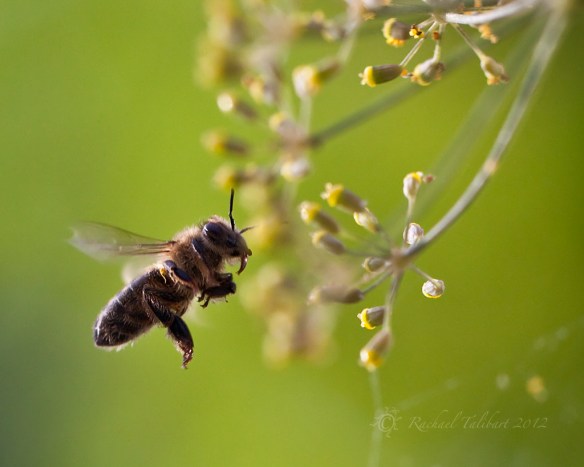
Notice how the evening light catches the soft hairs on its back, and its eager tongue, already prepared as if it cannot wait to savour the sweet nectar.
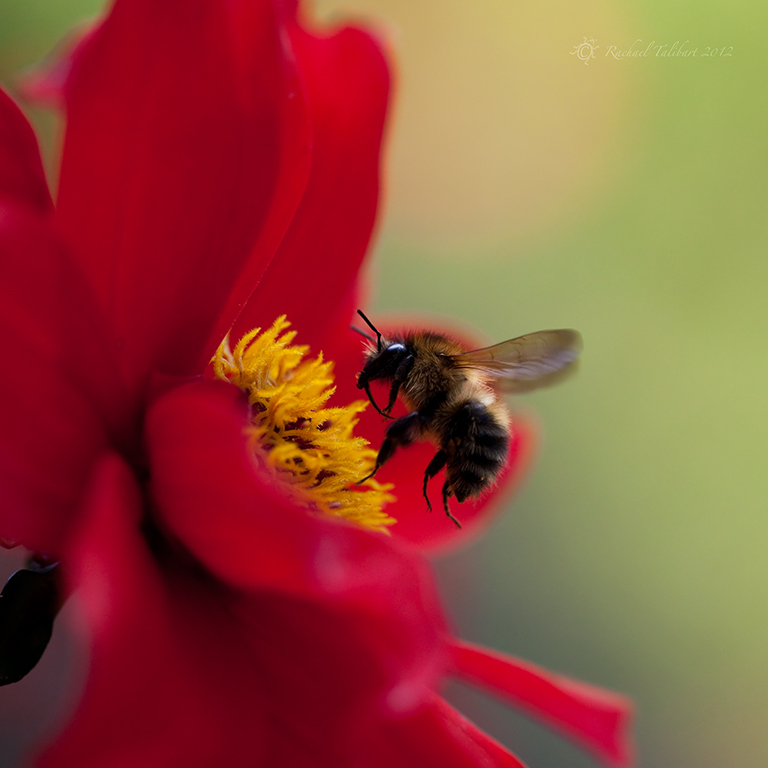
bumble bee approaching dahlia flower

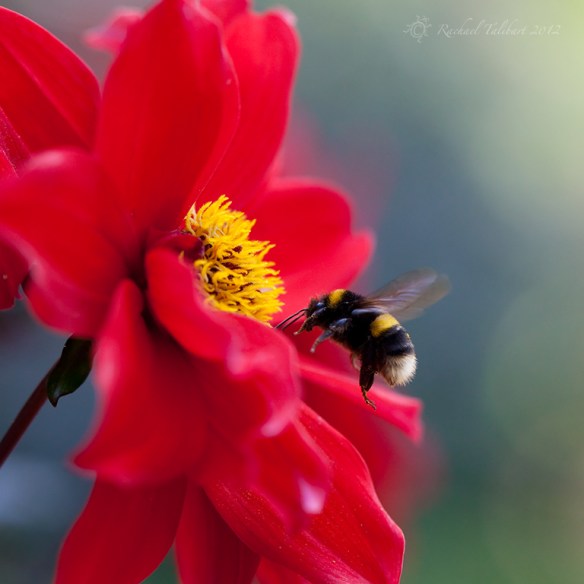
Or how about the bustling bumble bee? It announces its approach with an bombastic buzz before blundering onto its pollen-heavy landing pad.
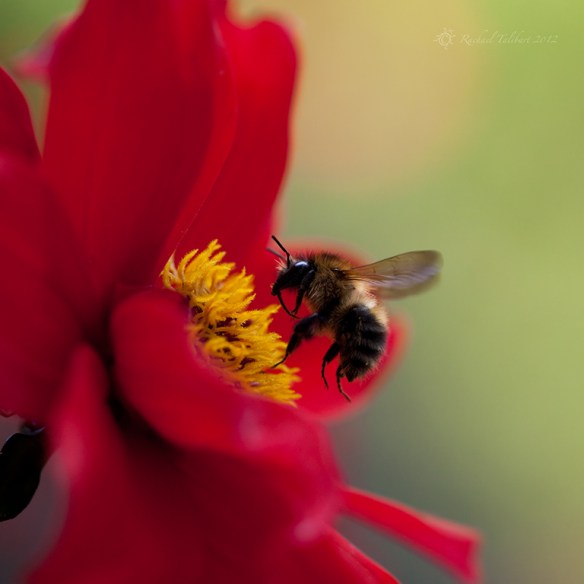
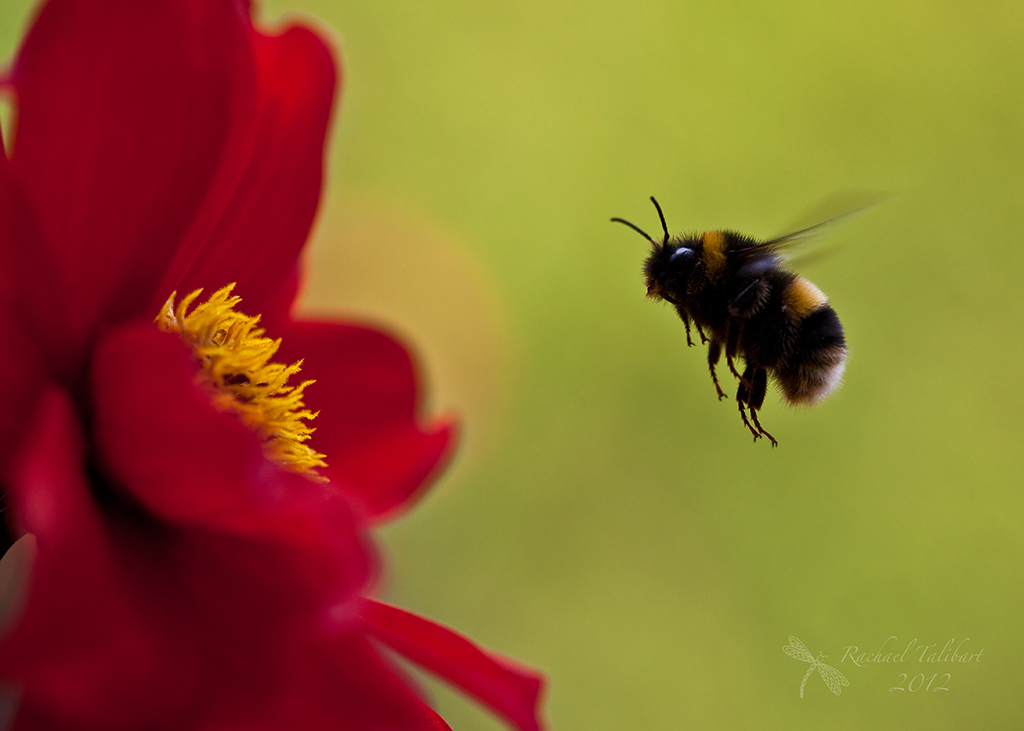
bumble bee and dahlia


A smaller bumble comes careening in; too busy to linger, it is gone almost before the shutter can click, a momentary sway of the flowerhead the only sign of its passing.
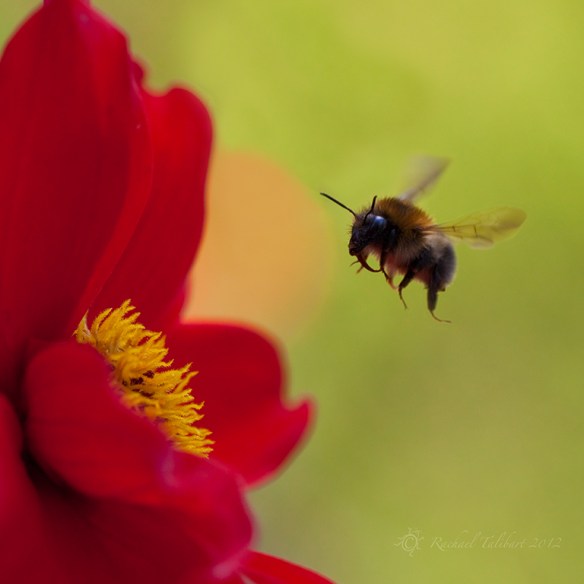
bumble bee and dahlia

It has become a cliche to speak of mindfulness, or living in the moment. I don’t know if our lives are busier now than they were a generation ago, or a century ago but, for me, a full life must still contain moments when all its demands are put to one side. Photography has opened my eyes to daily treasures. And the digital age has added the joy of sharing them.

Sometimes, however, it is also good to put the camera down and simply look, listen, smell, taste, touch. That’s all; I am going outside now.

“If we take care of the moments, the years will take care of themselves.” Maria Edgeworth (1767-1849)

Gasteruption jaculator

wasp

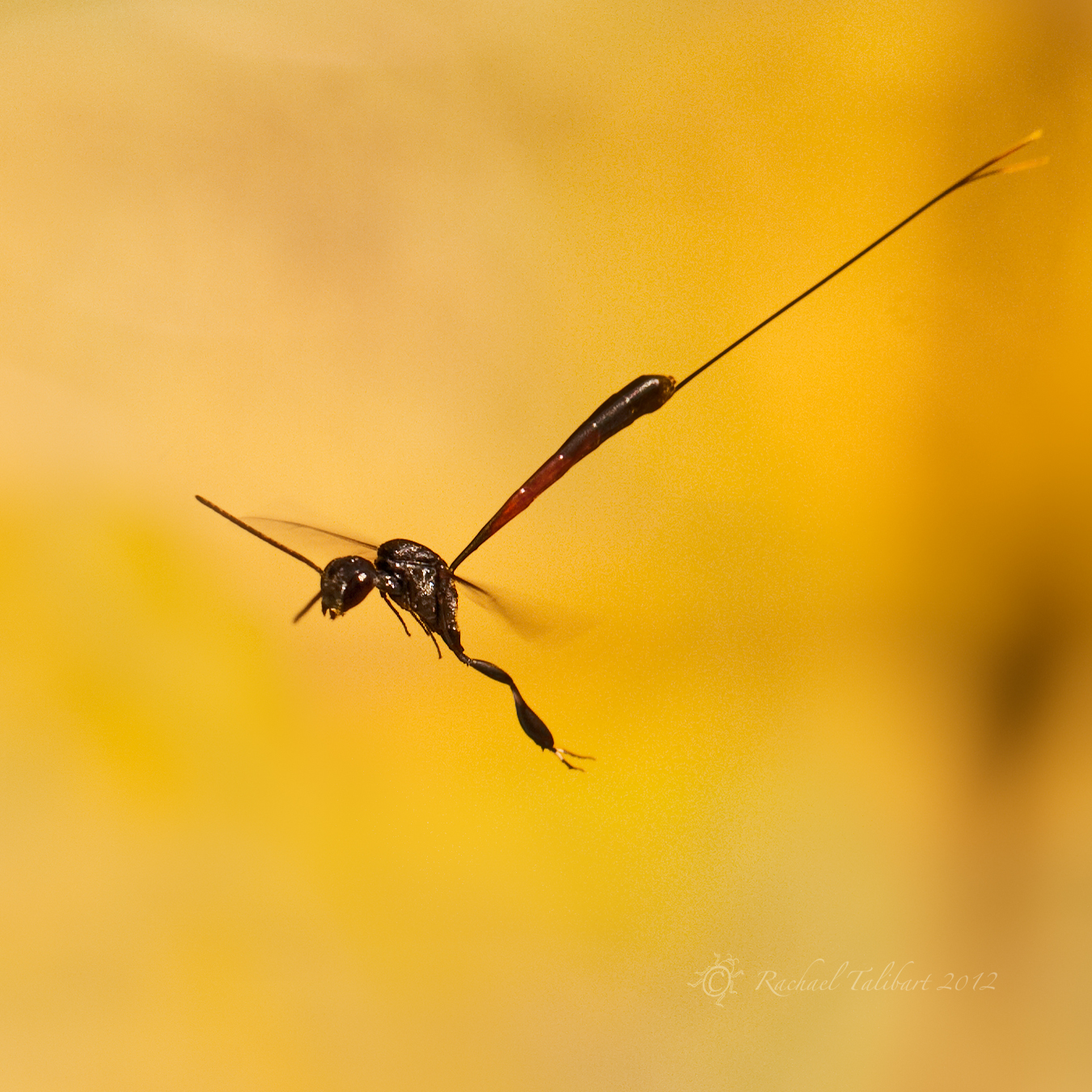
This bizarre creature is called Gasteruption Jaculator. I kid you not! I posted some shots of this strange wasp last month, wrongly identifying it at the time as a type of sand digger wasp. I am grateful to afrenchgarden for the correct i.d.

wasp in flight

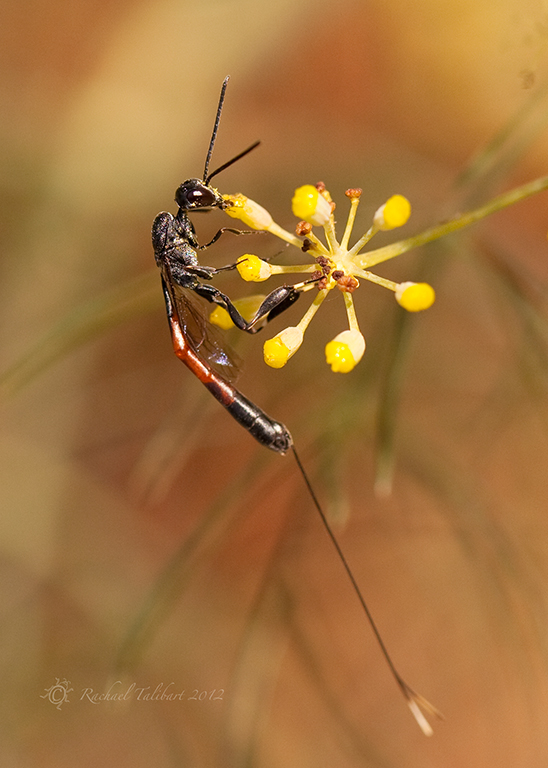
They do look strange in flight. Well, I admit it, they look strange all the time! Strange, but harmless, to us. Not so, however, for solitary bees, on whom these wasps are parasitic. That long spike is an ovipositor, with which the female deposits eggs on the larvae of solitary bees. You can guess the rest.

parasitic wasp on fennel

For my earlier post on these weird critters, see here.

I had never seen these striking images before. Not my genre at all but I really appreciate the creativity. Also, further to a discussion in one of my recent posts, these are a good example of photo manipulation before the digital age.