
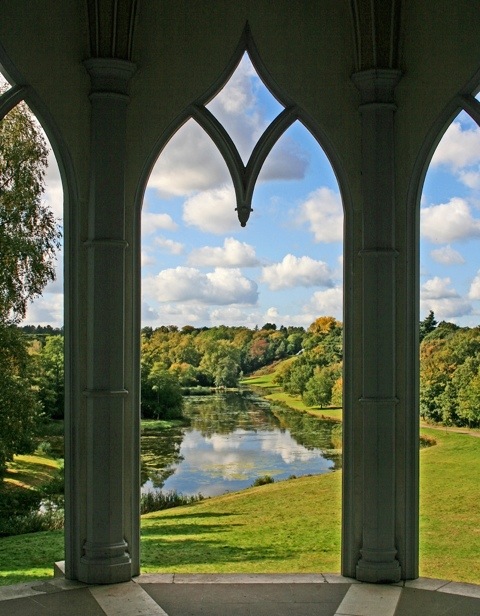
Painshill Park, in Cobham, Surrey, is one of my very favourite local photography locations. An eighteenth century landscape garden, with several ‘follies’ ideally positioned to be ‘picturesque’ in the true sense of the term, it pleases the camera in any season. The top image is a view of the Lake from the Gothic Temple.

‘Painshill was created between 1738 and 1773 by the Hon Charles Hamilton, 9th son and 14th child of 6th Earl of Abercorn. A painter, plantsman and brilliantly gifted and imaginative designer, he dedicated his creative genius to the layout and composition of a landscape garden which was unique in Europe and still remains so.’

‘Painshill was created as a romantic landscape to stimulate the senses and emotions of the visitor…The gardens were among the earliest to reflect the changing fashion from geometric formality to the naturalistic style.’
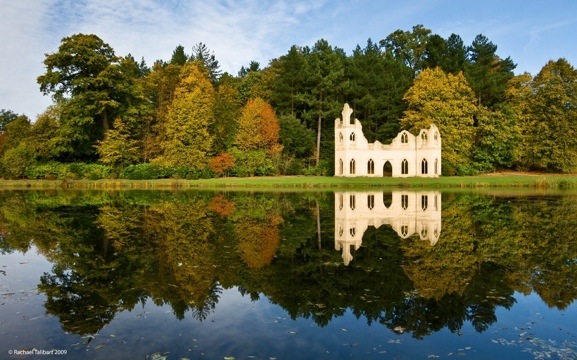
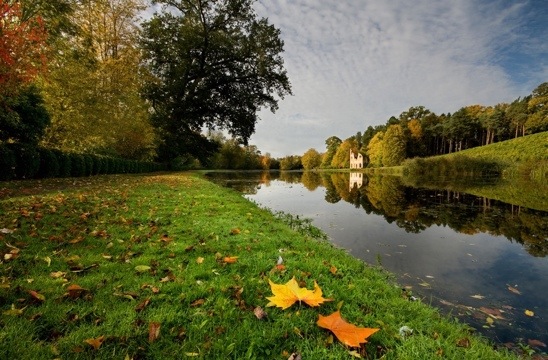
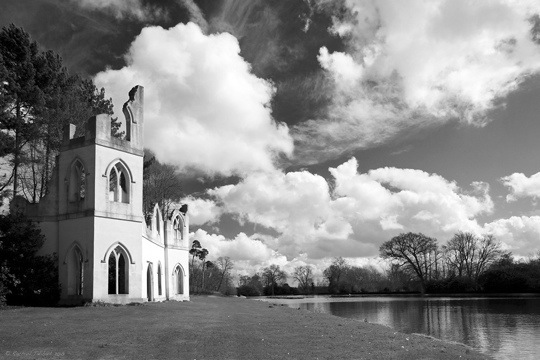
The ruined abbey catches the morning sun. The use of still water to create reflections was one of the typical elements in landscape gardens of the period.
‘Rescuing and restoring this exceptional Grade I landscape has been very challenging and difficult but ultimately exceedingly rewarding, capped with the award of the rare Europa Nostra Medal in 1998 “for the exemplary restoration from a state of extreme neglect, of a most important 18th century landscape park and its extraordinary buildings”. Painshill Park is of international importance and therefore The Painshill Park Trust now has a long-term aim to become a world heritage site.’
The-Story-of-Painshill
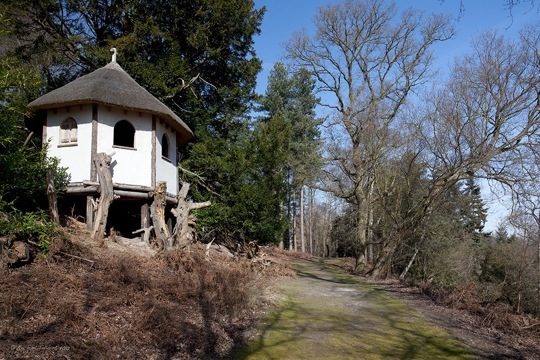
The Park is big enough that it never feels crowded. Largely maintained and staffed by volunteers, it is a fascinating and beautiful place to visit.

The grotto is another of the follies, and it looks very spooky in fog. Father Christmas holds court inside every year.

There is even a working vineyard.

Wildlife abounds…

… from the small…

…to the not so small.
If you are ever in the area, Painshill Park is a must see!

There are more images in my Flickr set.












 Focused Moments