
Whee!
A beetle enjoying a spot of bungee. I think this is a field chafer, phyllopertha horticola. Taken from the towpath of the River Wey Navigations.
Bungee beetle
10

Whee!
A beetle enjoying a spot of bungee. I think this is a field chafer, phyllopertha horticola. Taken from the towpath of the River Wey Navigations.

I love shooting macro into the light. You never know quite what you’re going to get, which is a huge part of the fun. In this image, I enjoy the rim lighting on the bumble bee as it visits verbena bonariensis in my garden. Incidentally, if you are looking to plant for wildlife, this verbena is a must.

This little bee is only slightly larger than a garden ant. There are more than 200 species of solitary bee in the UK and I have to declare I am stumped when it comes to identifying this little beauty. Any experts out there? Whatever its name, I think it is a very fetching little critter with its metallic green livery and pollen breeches.

Bees are super pollinators. We all know that. But sometimes the evidence is as plain as the nose on your face or, to be a little more literal, the pollen on their face.
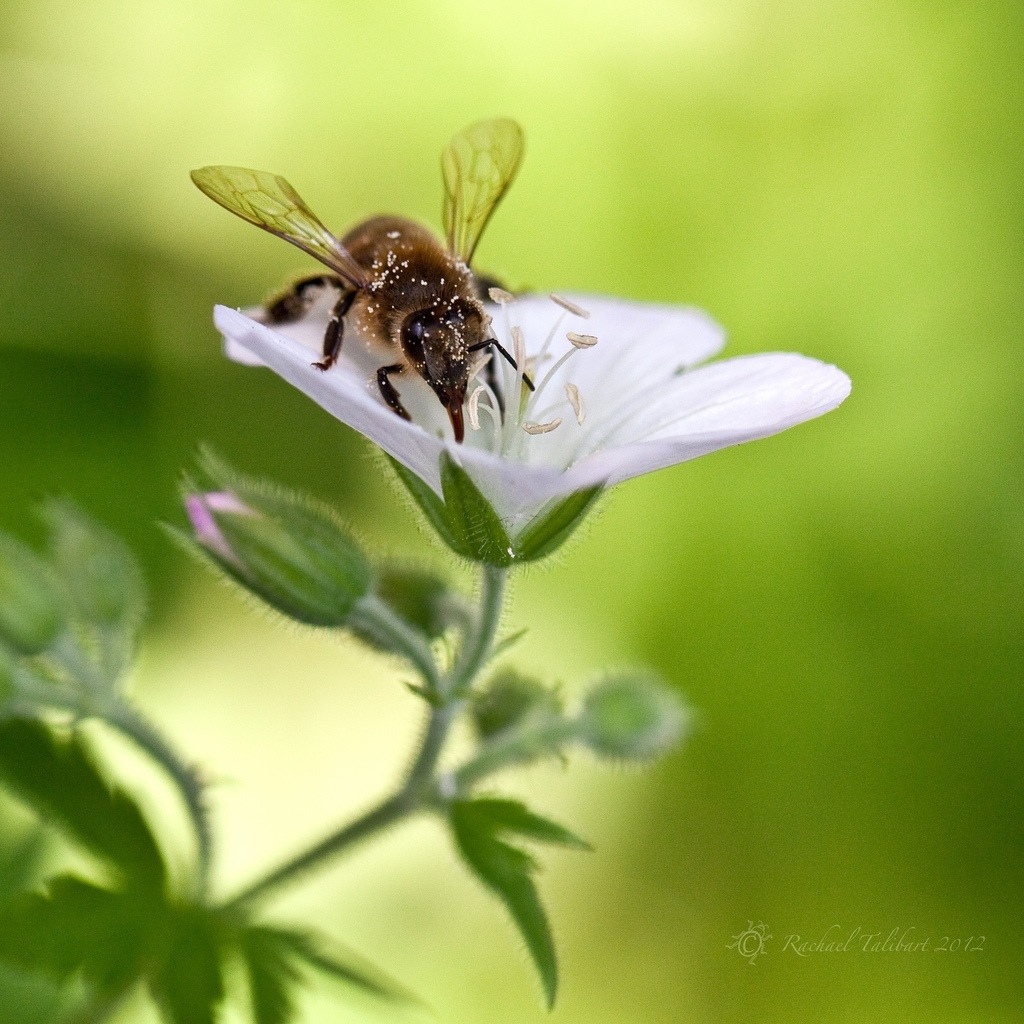
Just a little on this busy honey bee, but what about the bumble bee in the next image?
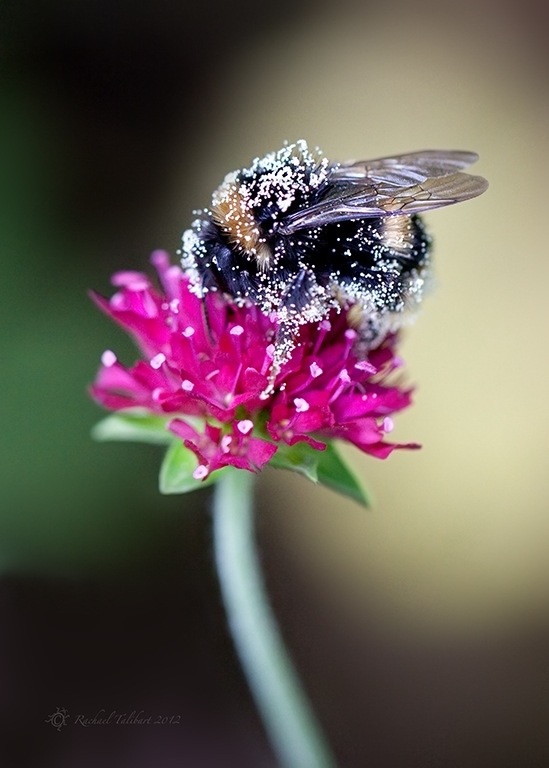
Sometimes I wonder how they can even see where they are going.

I couldn’t resist using the title of the classic Cagney, Bogart, O’Brien movie for these images. Classic movie, classic critters.

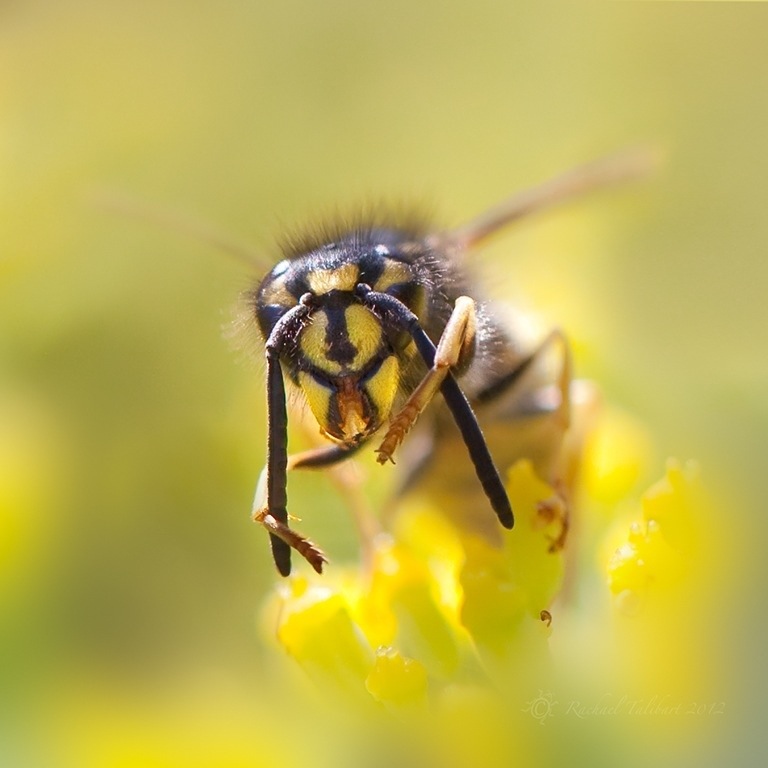
A fastidious wasp cleans its antennae. Close up, wasps are quite beautiful creatures, at least I see them that way. However, I must confess that I am not sorry their numbers are down this year. It is so pleasant being able to eat outside without the constant attentions of the usual pesky band of vespula vulgaris. This shot is from last year.
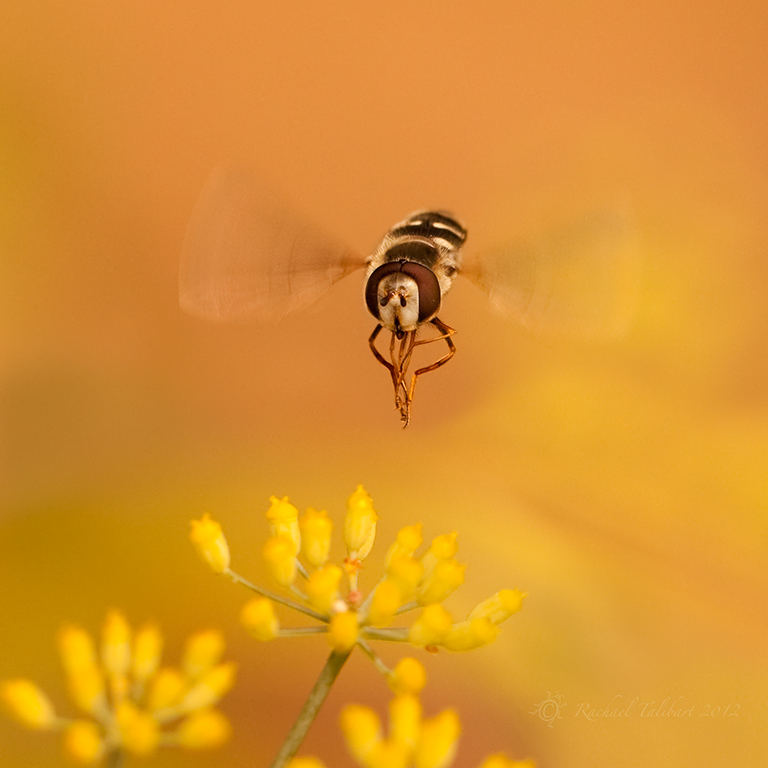
I was pleased to find this shot from last year languishing on my hard drive. A hoverfly doing what hover flies do best.

This bizarre creature is called Gasteruption Jaculator. I kid you not! I posted some shots of this strange wasp last month, wrongly identifying it at the time as a type of sand digger wasp. I am grateful to afrenchgarden for the correct i.d.
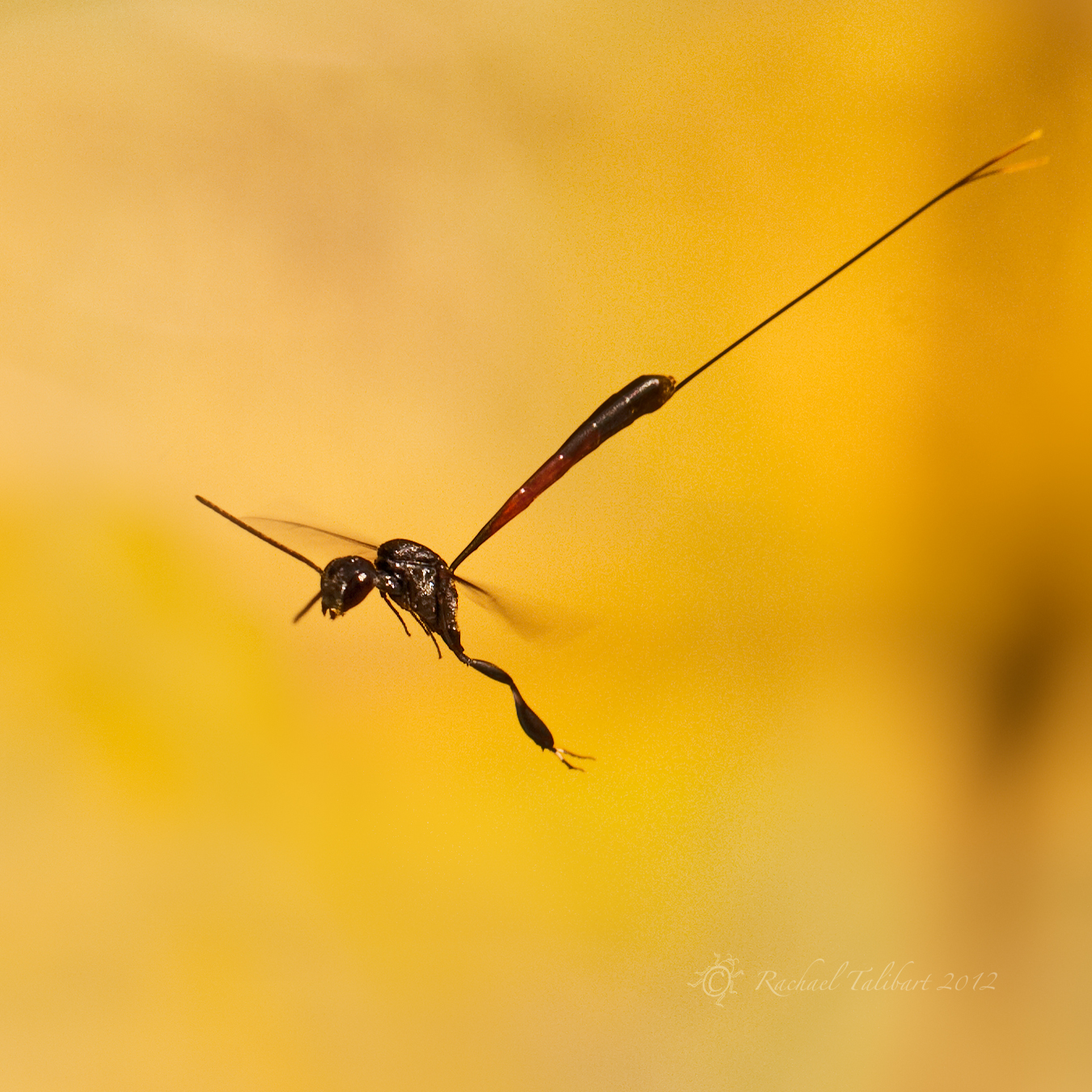
They do look strange in flight. Well, I admit it, they look strange all the time! Strange, but harmless, to us. Not so, however, for solitary bees, on whom these wasps are parasitic. That long spike is an ovipositor, with which the female deposits eggs on the larvae of solitary bees. You can guess the rest.
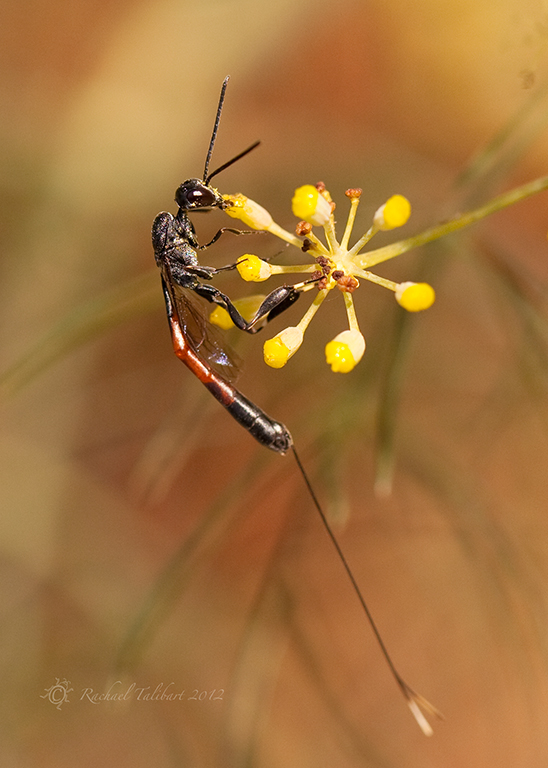
For my earlier post on these weird critters, see here.
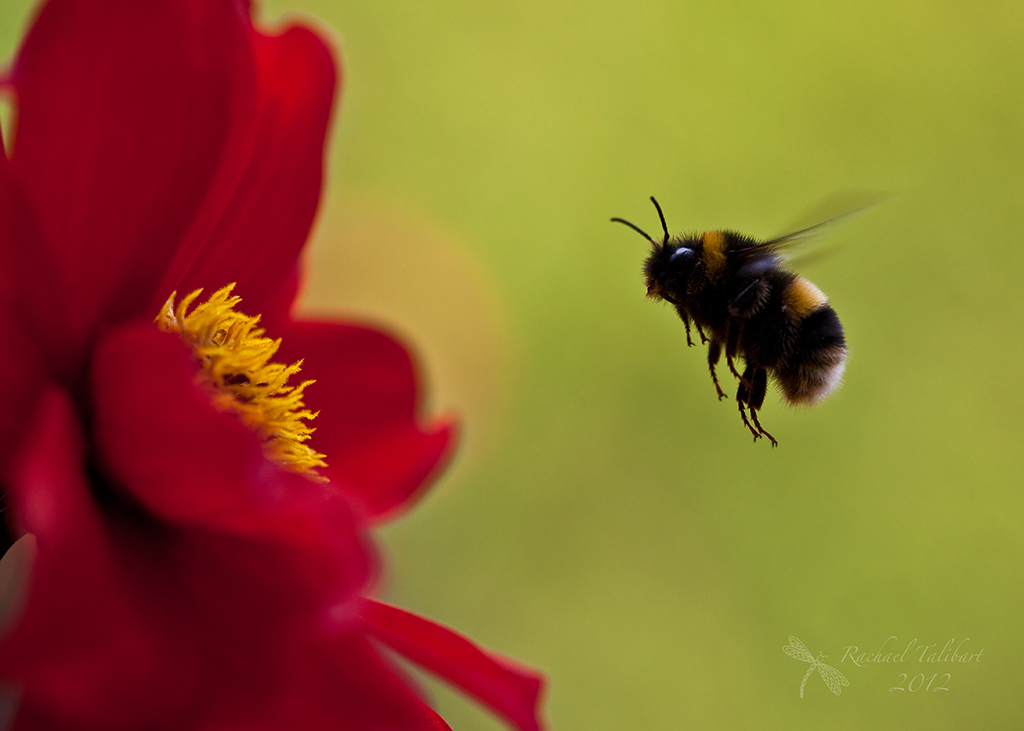
Well, I managed two whole days without posting anything buggy but I couldn’t resist sharing this shot with you today. Bumble bees love the Bishop of Llandaff dahlias in my garden. And I love photographing them.

palomena prasina (spring adult)
This fine fellow is a common green shield bug. Shield bugs belong to the order hemiptera, whose members have a rostrum, or sucking beak, which they stick into plants. The common green is the most plentiful in my part of the world.

final instar, kindly demonstrating rostrum
There are five nymph stages. I think the little ones are really quite cute.

second instar – cute or what?

third instar
There are several other varieties of shield bug that frequent our neighbourhood. I think this next one may be a hawthorn shield bug (acanthosoma haemorrhoidale).
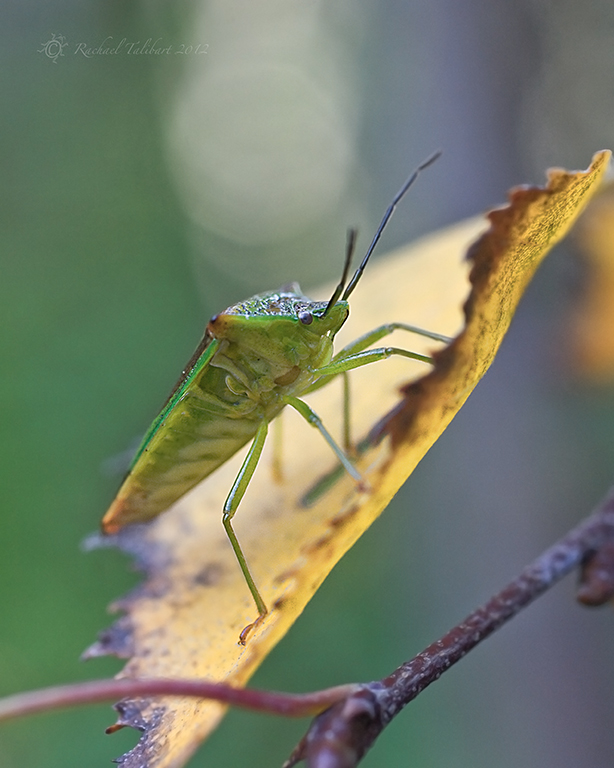
Hawthorn shield bug? Maybe
But as green shield bugs change colour in the autumn, when this was taken, this one may just be another palomena prasina, teasing me.
So that’s the natural history done, now on to the art, which is what interests me most. The following is another version of the second instar shot.
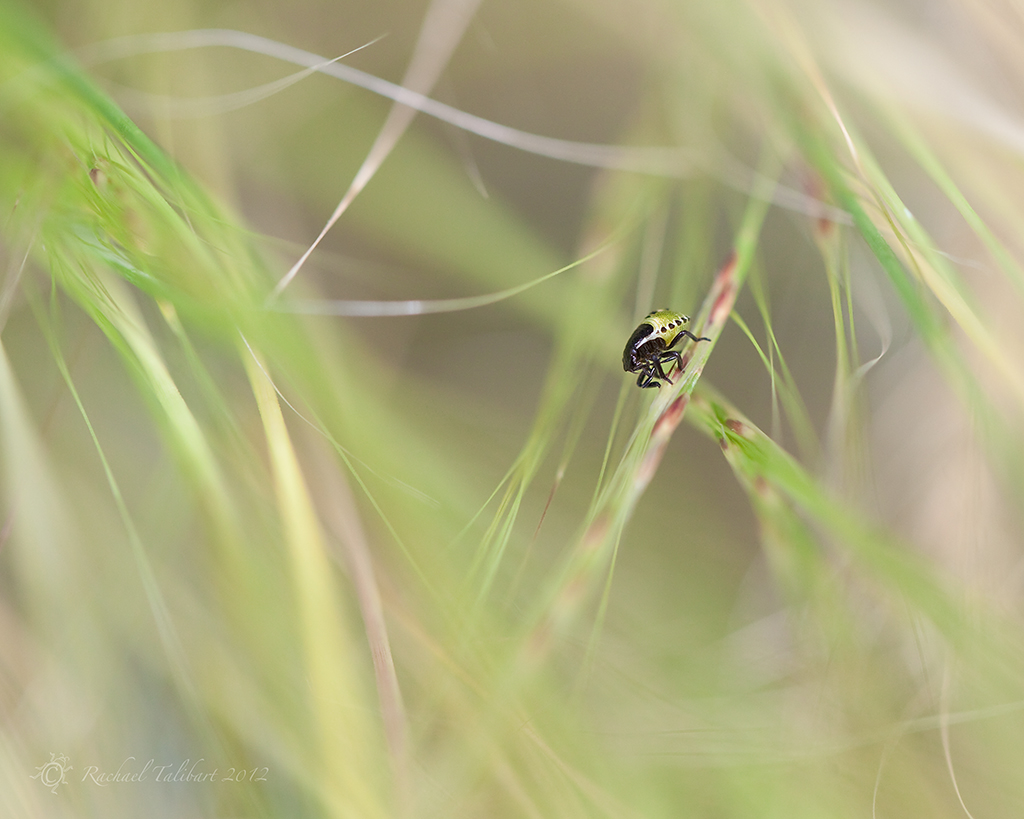
An instar’s world
I like this one better than the portrait crop I showed earlier. I like showing the instar as a small point within its (rather attractive in my opinion) grassy world. But a suggestion I often hear is that I crop closer with my bug shots. What do you think? All opinions very welcome.
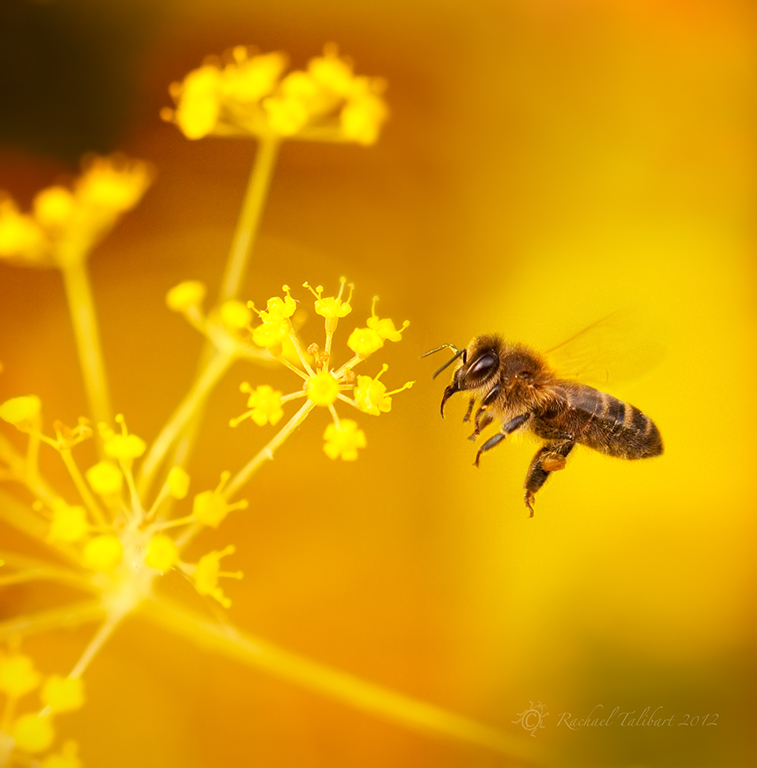
The bee is more honoured than other animals, not because she labours but because she labours for others.
Saint John Chrysostom
 Focused Moments