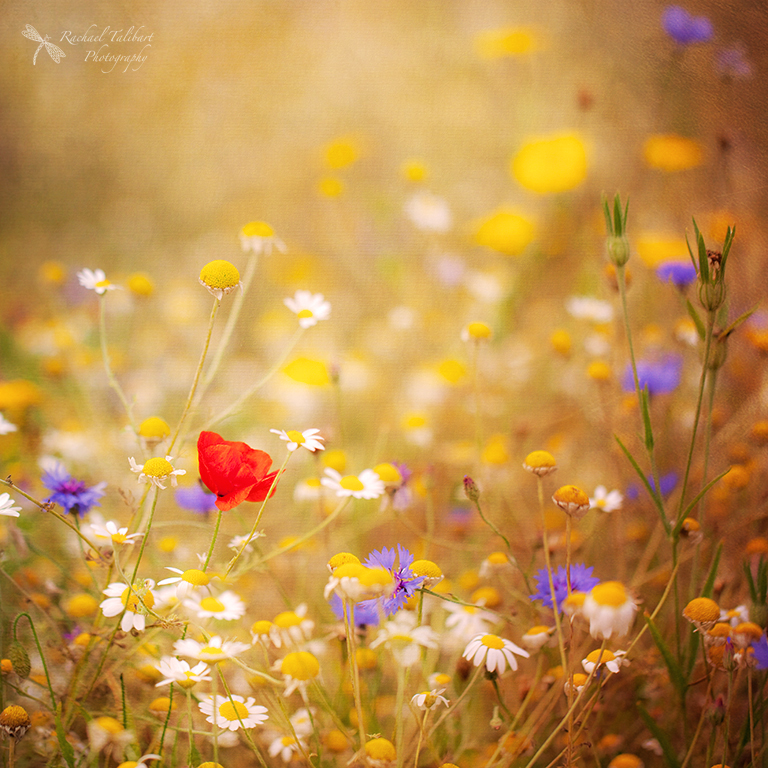
A lover of the meadows

Therefore am I still
A lover of the meadows and the woods,
And mountains; and of all that we behold
From this green earth; of all the mighty world
Of eye, and ear, – both what they half create,
And what perceive; well pleased to recognise
In nature and the language of the sense,
The anchor of my purest thoughts, the nurse,
The guide, the guardian of my heart, and soul
Of all my mortal being …

William Wordsworth, ‘Lines composed a few miles above Tintern Abbey’ (1798)

Such heavenly grace

20120517-104506.jpg

My soul is an enchanted boat,
Which, like a sleeping swan, doth float
Upon the silver waves of thy sweet singing.


Shelley, Prometheus Unbound (1820), II.v, l.39

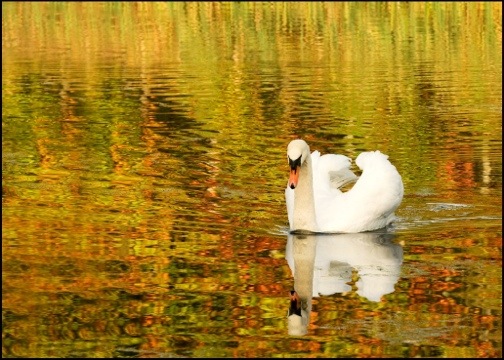
The mute swan, although ubiquitous in Britain, is always a graceful sight and provides an elegant focal point for the lake-side photographer. According to legend, the mute swan is mute through life until the moment before its death when it emits a beautiful song. This is the origin of the expression, “swan song”.

20120517-105643.jpg

The silver Swan, who living had no note,
When Death approached, unlocked her silent throat.
Leaning her breast against the reedy shore,
Thus sang her first and last, and sang no more:
“Farewell, all joys! O Death, come close mine eyes!
“More Geese than Swans now live, more Fools than Wise.


Orlando Gibbons, “The Silver Swan”, The First Set of Madrigals and Motets of Five Parts (1612)

Bee fly

20120508-161843.jpg

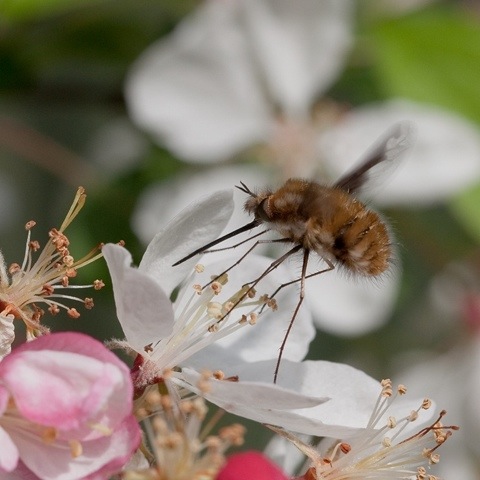
The subject of my natural history post for this week is the bee fly or bombylius major. This bee-mimic is common in my part of the world (Southern England) in early spring.

20120508-162143.jpg

Its rather imposing appearance can lead people to assume that it is dangerous but it cannot harm you: that long proboscis is merely a very efficient nectar guzzler. In fact, I think the bee fly is rather cute. Just me, perhaps.
20120508-162357.jpg

They certainly look quite cute on the wing, with their spindly legs flying out Superman style from the chubby body. However, while they may not be harmful to humans, they have a sinister life cycle if you happen to be a bee.
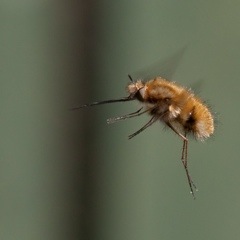
20120508-162956.jpg

This bee mimic lays its eggs by the nests of solitary bees. When the larva hatches, it uses a crown of spines on its head to batter its way into the cell of the bee pupa and slowly sucks the pupa dry.
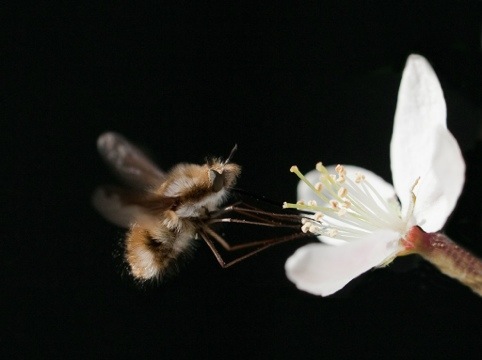
20120508-162906.jpg

Afterwards, the gorged larva pupates and finally emerges in its final form by battering its way out of the cell.
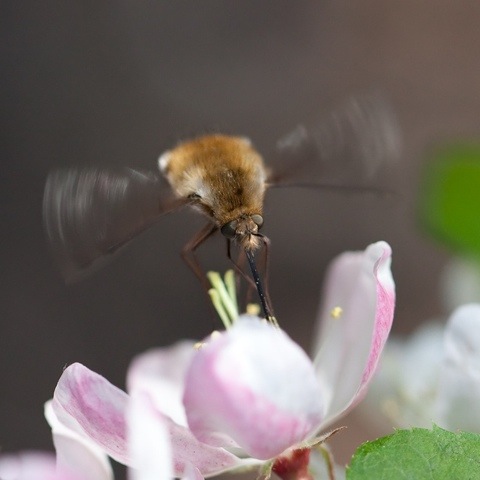
20120508-163209.jpg

Needless to say, I have not been able to take photographs of the full life-cycle, just the disingenuously cute, fluffy fly.
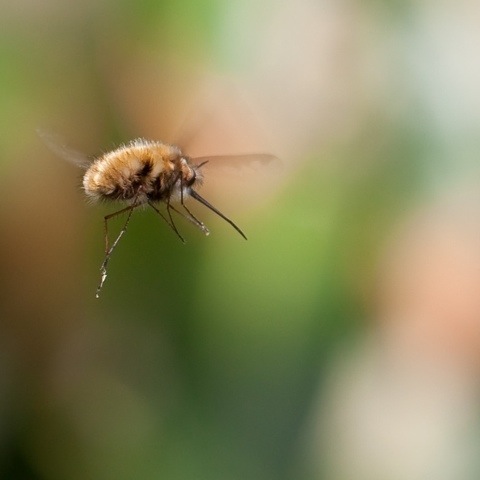
20120508-163342.jpg

For some more (and frankly better) pictures and two poems (yes!) about bee flies, visit my friend Giles Watson’s Flickr photostream. The second poem (which treats the life cycle) appears in a comment there.

PS Some of the images appear pixelated here.  They do not in the files I uploaded.  If anyone knows what I’m doing wrong, please can you help?  It’s a shame for them not to appear their best.